
To choose the best size 3 football for youth training in Singapore, parents and coaches must look for a ball that balances a soft, forgiving touch with high durability to withstand abrasive artificial turf and intense tropical humidity. A proper size 3 training ball should have a robust outer cover (preferably textured polyurethane), a reliable butyl bladder for long-term air retention, and seamless or hybrid panel construction that resists water absorption during sudden afternoon downpours. By matching these technical specifications to your child’s primary playing surface, you can ensure a safe, engaging, and highly productive training experience.
Why Size 3 is Crucial for Youth Skill Development
A size 3 football is specifically engineered for younger players whose skeletal and muscular systems are still developing. Standard youth development guidelines recommend this size for children aged eight and under, typically covering the under-6 to under-8 age brackets. At this stage of physical growth, using a ball scaled to their smaller stature is essential for preventing injury and fostering proper athletic mechanics.
Standard dimensions for a size 3 football dictate a circumference of 58.5 to 61 centimetres and a weight ranging between 310 and 340 grams. These parameters are carefully calibrated to match the average physical strength and leg leverage of young children. Introducing an oversized or overweight ball too early forces children to exert excessive, unnatural force to kick or pass, which can lead to poor biomechanics and unnecessary strain.
Products mentioned in this guide
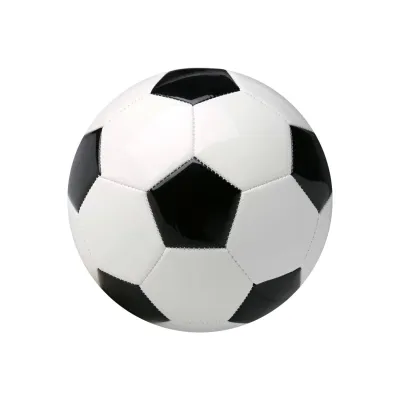
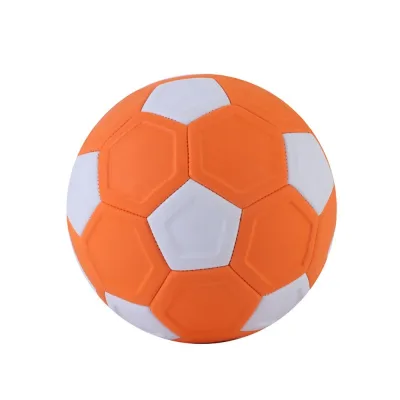
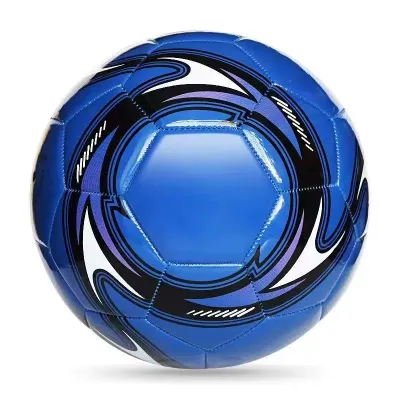
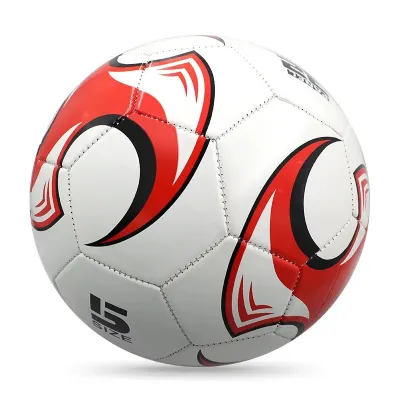
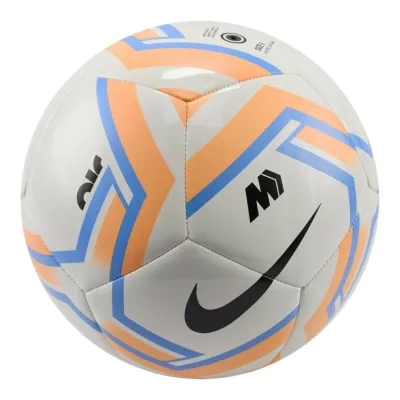
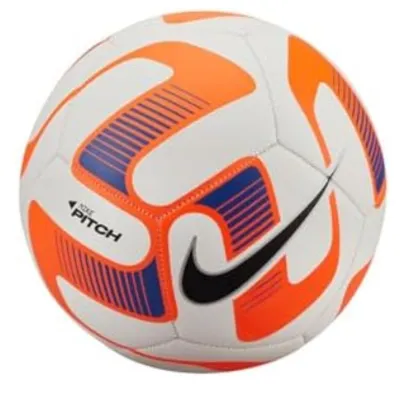
Prices are valid at publication and may change. Please refer to the product page for the latest price.
Using a ball that is too heavy acts as a blunt force that transfers impact energy directly up the tibia and fibula. This repetitive strain on underdeveloped ankle, knee, and hip joints can lead to early-onset fatigue and an increased risk of overuse injuries, such as growth plate irritation in the heel or knee. A lighter, properly sized ball minimizes these risks, allowing children to play longer and safer.
From a technical perspective, a correctly proportioned size 3 ball allows children to develop fundamental motor skills and spatial awareness on the pitch. When the ball matches their physical scale, they can practice close-control dribbling, execute clean passes with the inside of the foot, and learn the correct mechanics of striking without their foot slipping under or over an oversized ball. This physical compatibility builds immediate confidence, making training sessions engaging and enjoyable rather than frustrating.
Key Material and Construction Features to Check
Evaluating the technical specifications of a youth training football ensures you select a product that remains durable, safe, and comfortable over months of rigorous use. The materials used in the outer cover, the internal bladder, and the panel construction directly dictate how the ball performs and how long it lasts.

Outer Material and Touch
The choice of outer material is the primary factor determining the ball’s feel and longevity. Polyurethane (PU) and Polyvinyl Chloride (PVC) are the two most common synthetic materials used for football covers:
- Polyvinyl Chloride (PVC): PVC is highly durable, scratch-resistant, and inexpensive. However, it is naturally stiff and plasticky, which can feel hard and unforgiving against a young child's foot, occasionally causing bruising and discouraging proper striking technique.
- Polyurethane (PU): PU is softer, more elastic, and provides a premium feel closer to professional match balls. It remains supple in various temperatures and offers realistic friction against the boot, making it the preferred choice for youth training.
For young players, look for a PU outer cover that features an integrated foam backing layer. This cushioning absorbs the impact of hard strikes, reducing the fear of pain when heading or kicking, which encourages children to develop proper form and strike the ball with confidence.
Bladder Type and Air Retention
The bladder is the innermost chamber of the football that holds the air, and its material composition determines how frequently you will need to inflate the ball:
- Butyl Bladders: Made of synthetic rubber, butyl bladders excel at retaining air for weeks at a time. This makes them highly practical for busy parents and coaches who do not want to pump up balls before every single training session.
- Latex Bladders: Latex bladders offer superior bounce, responsiveness, and a softer feel, but they are highly porous and lose air daily.
For regular youth training schedules, a high-quality butyl bladder is the undisputed practical choice, ensuring the ball maintains its correct shape and pressure throughout consecutive training days without daily maintenance.
Panel Construction and Water Resistance
How the panels of the football are joined together affects its roundness, aerodynamic stability, and resistance to water:
- Machine-Stitched Panels: These balls are affordable and flexible, but they have exposed nylon seams that easily absorb water and dirt, which can degrade the internal stitching over time.
- Hand-Stitched Panels: Hand-stitching offers deeper seams and greater durability, but the exposed seams can still allow moisture to penetrate the ball during wet weather.
- Thermally Bonded Panels: These panels are fused together under heat and pressure inside a mold, leaving zero gaps. This seamless design is crucial for preventing water absorption during Singapore's intense tropical downpours. A waterlogged ball becomes heavy, sluggish, and potentially dangerous for young joints.
Choosing the Right Ball for Singapore's Training Surfaces
Singapore offers a diverse range of training environments, from manicured natural grass pitches to abrasive concrete void decks and indoor sports halls. Matching your size 3 football to the specific surface your child plays on will maximize the ball’s lifespan and ensure optimal performance.
Artificial Turf and Natural Grass
Many youth academies in Singapore train on artificial turf pitches, which feature highly abrasive synthetic grass blades and black rubber infill. These surfaces generate significant friction and heat under the equatorial sun, which can quickly wear down smooth outer casings.
For artificial turf and natural grass, select a training ball with a textured or micro-grooved PU outer cover. This texture improves grip on synthetic grass, especially when wet, and provides better abrasion resistance against the scuffing caused by rubber infill. Ensure the ball has a reinforced backing layer to maintain its shape despite the high friction of turf play.
Hard Courts and Concrete Play Areas
Void decks, concrete basketball courts, and neighborhood street pitches are common informal training grounds in Singapore. The friction coefficient of concrete is exceptionally high, acting like sandpaper against synthetic leather.
Standard soft PU training balls will degrade rapidly if scraped against concrete, peeling the outer layer and exposing the inner stitching within a few sessions. For these high-friction environments, select specialized street or hard-court footballs featuring reinforced rubberized covers or heavy-duty, structured PVC casings designed specifically to withstand rough abrasion. Never use a premium match replica on concrete, as it will void any warranty and destroy the outer casing instantly.
Indoor and Covered Futsal Courts
Covered futsal arenas and indoor sports halls feature polished wood, vinyl, or smooth synthetic flooring. Standard outdoor size 3 balls are highly bouncy, making them difficult to control on these hard, confined surfaces.
If training primarily indoors, consider a low-bounce futsal-specific ball. These balls are filled with dampening materials inside the bladder to reduce rebound, allowing children to focus on rapid footwork, close control, and quick passing without the ball constantly bouncing out of play. Ensure the outer material is non-marking to protect indoor court surfaces.
How to Evaluate Brands and Training Models
Navigating the wide array of sports brands in Singapore requires a systematic approach to ensure you get a durable training ball rather than a fragile novelty item. By focusing on specific product lines and purchasing channels, you can make an informed decision.
Assess reputable sports brands by examining their dedicated youth training product lines. Major manufacturers design specific models tailored for high-volume club training, which are distinct from their match-day replicas. These training models are the workhorses of the sport, built with reinforced seams, thicker outer casings, and robust bladders designed to withstand daily kicking, dragging, and exposure to diverse weather conditions.
Avoid buying premium “replica” match balls for daily training. While replicas often mimic the graphic designs of professional league balls, they may prioritize aesthetic appeal and soft feel over long-term durability, making them less suitable for high-frequency wear on abrasive surfaces.
Before purchasing, check the manufacturer specifications on the packaging or product listing. Look for clear indications of recommended age groups, surface suitability (such as “all-weather,” “hard ground,” or “artificial turf”), and care instructions. High-quality training balls will often state their weight and pressure recommendations directly on the casing.
To ensure product authenticity and reliable warranty support, purchase exclusively from official brand stores, authorized sporting goods retailers, or verified flagship storefronts on reputable online marketplaces in Singapore. This protects you from counterfeit products, which often use toxic glues, off-center bladders, and volatile organic compounds that can be harmful to children.
Maintaining Your Football in Singapore's Tropical Climate
Singapore’s hot, humid climate and sudden weather changes can accelerate the degradation of synthetic materials, adhesives, and internal bladders. Implementing a simple, consistent maintenance routine will significantly prolong the lifespan of your child’s training ball.
To maintain the ball’s shape and performance, follow these key care steps:
- Check the Recommended PSI: Locate the recommended pressure (usually measured in PSI or Bar) printed directly around the inflation valve. For most size 3 training balls, this is typically between 6.0 and 8.0 PSI.
- Use a Pressure Gauge: Guessing the pressure by squeezing the ball is highly inaccurate. Over-inflation stresses the seams, causing the panels to separate and the ball to lose its perfect spherical shape. Conversely, under-inflation leads to poor response and forces the child to kick harder, increasing the risk of joint strain.
- Moisten the Inflation Needle: Always moisten the inflation needle with a drop of glycerin or soapy water before inserting it into the valve. Inserting a dry needle can push the rubber valve core inward or scratch the inner seal, leading to slow, permanent air leaks.
- Avoid Midday Heat Over-Inflation: Air expands under high temperatures. If you inflate a ball to its maximum limit in an air-conditioned room and then take it onto a hot artificial turf pitch under the midday sun, the expanding air can warp the bladder or split the outer seams. Keep the inflation level slightly below the maximum limit during hot days.
- Clean After Use: After training, wipe down the ball with a damp cloth and mild, diluted soap to remove sweat, dirt, mud, and abrasive black rubber crumbs from artificial turf. Avoid harsh chemical solvents, bleach, or abrasive scrubbers, which can strip the protective UV-resistant coating off the PU cover, leading to cracking and yellowing.
- Dry in the Shade: Never leave a wet or damp football to dry in direct, intense tropical sunlight. High UV exposure and extreme heat can degrade the polyurethane outer cover, dry out the stitching thread, and warp the internal bladder. Instead, air-dry the ball in a shaded, well-ventilated indoor or sheltered outdoor area.
- Store in a Cool, Dry Place: Store the football in a cool, dry place with consistent airflow. Avoid leaving balls inside sealed plastic bags, damp gear duffels, or hot car trunks for extended periods. Trapped humidity creates an ideal environment for mold growth, material delamination, and premature bladder leakage.
Frequently Asked Questions (FAQ)
At what age should a child transition from a size 3 to a size 4 football?
Children typically transition from a size 3 to a size 4 football around the age of 8 or 9. However, physical readiness is more important than age alone. Look for indicators such as increased leg strength, the ability to control a size 3 ball effortlessly, and recommendations from youth coaches. If a child struggles to pass or lift a size 4 ball, or if their kicking form degrades, it is best to continue training with a size 3 ball to prevent joint strain and preserve proper technique.
Can a standard size 3 outdoor football be used for futsal training?
Using a standard size 3 outdoor football for indoor futsal training is not recommended. Outdoor footballs have high elasticity and bounce, which makes them highly unpredictable and difficult to control on hard indoor court surfaces. This high bounce can lead to erratic play, frequent turnovers, and potential safety risks if players overreach or trip while trying to control a runaway ball. Futsal-specific training balls feature a heavier, low-bounce design that encourages proper ground-level passing and close-ball control, which are essential for futsal skill development.
Community discussion
Share your experience or ask a question. Comments are reviewed before publication.