
Selecting the ideal basketball Spalding manufactures for outdoor play in Singapore requires balancing two competing demands: maximum durability against abrasive ground and reliable grip in relentless tropical humidity. For players frequenting unpainted concrete void decks or coarse neighborhood asphalt courts, a heavy-duty rubber basketball provides the longest lifespan and the most resilient construction. Conversely, players who split their time between painted outdoor surfaces and indoor facilities will find that a composite leather (PU) indoor/outdoor model offers a superior, professional feel, though it will wear down more quickly on rougher ground. By identifying your primary playing surface and understanding how local weather conditions affect different materials, you can choose a ball that maintains its bounce, shape, and grip over countless sessions.
Understanding Singapore's Outdoor Court Conditions
Outdoor basketball courts in Singapore present a uniquely challenging environment for sports equipment. The vast majority of public play takes place on neighborhood courts, ActiveSG facilities, or community centre grounds. These surfaces are typically constructed from unpainted concrete or coarse asphalt, both of which feature highly abrasive textures. When a basketball bounces, spins, or slides across these rough surfaces, the friction acts like heavy-grit sandpaper, rapidly grinding down the outer cover of the ball. Over time, this friction erases the textured pebbling that is essential for maintaining control, leaving the ball slick and difficult to handle.
In addition to abrasive ground surfaces, Singapore’s tropical climate introduces severe environmental stressors. The country experiences consistently high humidity levels, often exceeding 80 percent during evening sessions when courts are most active. This moisture coats the ball in a thin layer of condensation, which combines with player sweat to make the surface incredibly slippery. Sudden, heavy downpours are also common, leaving courts damp or covered in shallow puddles even after the rain has stopped.
Products mentioned in this guide
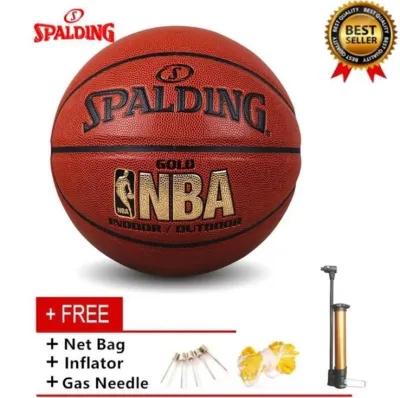
![[AGED STOCKS] Spalding Varsity TF-150 SZ7 Rubber Basketball (Orange/Black) 84-421Z](https://img.lazcdn.com/g/p/052917cfdfe3d296d373973eb960ccc8.png_400x400q80.png_.webp)
![[AGED STOCKS] Spalding Layup TF-50 Size 7 Rubber Basketball (Orange) 84-332Z 84332Z](https://img.lazcdn.com/g/p/84f45148440b830f2e301f4453a4b541.png_400x400q80.png_.webp)
![[AGED STOCKS] Spalding React TF-250 Size 7 Rubber Basketball (Brown) 76-801Z 76801Z](https://img.lazcdn.com/g/p/914f1dfec04c01700c2c1e30bd0931f1.png_400x400q80.png_.webp)
![[AGED STOCKS] Spalding Varsity TF150 SZ7 Rubber Basketball (Orange/Black) 84-324Z](https://img.lazcdn.com/g/p/9d26e32290321a1ce5a95397c42ef922.png_400x400q80.png_.webp)
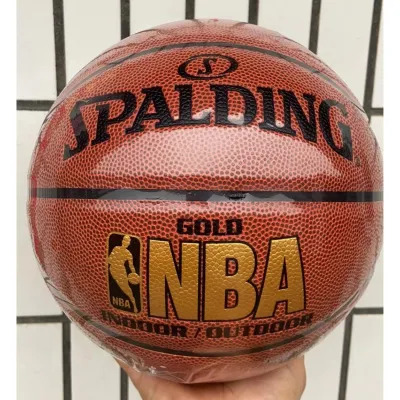
![[AGED STOCKS] Spalding TF Gold SZ7 Composite Basketball (Orange/Gold) 76-857Z](https://img.lazcdn.com/g/p/3c21d32f9c17cd1680a823f0370fd971.png_400x400q80.png_.webp)
![[AGED STOCKS] Spalding Excel TF-500 Size 7 Composite Basketball (Orange) 76-797Z 76797Z](https://img.lazcdn.com/g/p/d1ae4ca61215cc4f070e69be9ac66fc7.png_400x400q80.png_.webp)
Prices are valid at publication and may change. Please refer to the product page for the latest price.
Furthermore, the intense equatorial sun and high UV index bake outdoor courts during the day. This extreme heat can cause the air inside a basketball to expand, putting extra pressure on the internal bladder and seams. Prolonged exposure to sunlight also accelerates the chemical degradation of both rubber and synthetic composite materials, causing them to dry out, lose their elasticity, and develop micro-cracks. Consequently, any basketball selected for local outdoor play must possess exceptional abrasion resistance, advanced moisture management, and robust structural integrity to withstand these unforgiving conditions.
Key Features to Look for in an Outdoor Spalding Basketball
Evaluating a basketball for outdoor use requires looking beyond brand recognition to analyze the specific materials and design elements employed in its construction. Spalding engineers its basketballs with various cover materials and structural features tailored to specific playing environments. Understanding these technical specifications ensures you invest in a ball that matches the physical demands of your local court.

Rubber vs. Composite Leather (PU)
The choice between rubber and polyurethane (PU) composite leather represents the primary trade-off between absolute durability and tactile performance. Heavy-duty rubber basketballs represent the most durable and cost-effective option for pure outdoor play, with prices typically ranging under S$40. Vulcanized rubber is highly resistant to the abrasive friction of unpainted concrete and asphalt, meaning the textured pebbling will remain intact much longer than on synthetic leather alternatives. Rubber is also completely waterproof, making it highly resilient against sudden rain showers and damp outdoor courts.
Composite leather (PU) models occupy a middle ground, offering a softer touch, better cushioning, and a grip that closely mimics the premium leather balls used in professional indoor leagues. While composite balls perform beautifully right out of the box, their softer outer cover wears down significantly faster when subjected to unpainted, rough asphalt. The friction will gradually smooth out the pebbles, reducing grip and altering the ball’s flight and bounce. Therefore, composite models are best reserved for painted outdoor courts or players who highly value shooting feel over long-term durability.
It is crucial to note that full-grain, genuine leather basketballs must never be used on outdoor courts. Genuine leather is highly porous and designed exclusively for clean, indoor wooden floors. If exposed to the rough asphalt, moisture, and dirt of an outdoor court, genuine leather will absorb water, warp, swell, and scuff instantly, permanently ruining a premium, high-cost piece of equipment in a single session.
Deep Channels and Aggressive Pebbling
To combat the slippery conditions caused by Singapore’s high humidity and sweat, pay close attention to the ball’s physical texture. Look for Spalding models that feature deep channel designs and highly pronounced, aggressive pebble patterns. The channels are the black rubber grooves that run across the surface of the ball, separating the panels. Deeper and wider channels provide natural recessed areas for your fingertips to grip, giving you better leverage and control during shooting, passing, and dribbling.
Aggressive pebbling refers to the small, raised bumps covering the panels. In humid conditions, these raised textures increase the friction between your skin and the ball’s surface. Much like the tread on a car tire designed to disperse water on wet roads, deep channels and pronounced pebbling help channel away light moisture, sweat, and condensation. This physical design prevents the ball from turning into a slippery, uncontrollable object during intense evening games, allowing you to maintain precise fingertip control even when your hands are wet.
Matching Spalding Series to Your Outdoor Playing Style
Spalding organizes its product lineup into distinct tiers, each optimized for different playing styles, surfaces, and budgets. Rather than looking for a single universal ball, match these general series characteristics to your typical playing habits and the specific courts you frequent.
Heavy-Duty Rubber Models for Pure Outdoor Use
For players who prioritize maximum lifespan, minimal maintenance, and a budget-friendly price point, Spalding’s street-specific rubber lines are the logical choice. These models, often featuring dedicated street or outdoor branding, are engineered specifically to survive the harshest concrete and asphalt courts in Singapore. Their covers are constructed from thick, vulcanized rubber that resists deep gouges and tears, ensuring the ball maintains its structural shape even after hundreds of hours of play on rough ground.
These rubber models are highly weather-resistant and can handle damp surfaces without absorbing water or gaining weight. They are also highly economical, making them excellent choices for casual recreational play, school yards, or public neighborhood courts where the ground is unpainted and highly abrasive.
However, players should expect a distinct feel when opting for a rubber ball. These models typically require a brief break-in period of a few hours of active play to wear off the slippery factory finish and achieve their optimal grip level. Additionally, because rubber lacks the cushioned backing found in composite leather, the ball will feel noticeably harder and stiffer on the hands, which can lead to increased fatigue during long shooting sessions.
Indoor/Outdoor Composite Options for Versatility
Players who demand a premium feel, excellent bounce consistency, and a softer touch should look toward Spalding’s composite leather (PU) lines designed for dual use. These are typically represented by specific models within the TF (Tournament Force) series or other lines explicitly marked as “Indoor/Outdoor.” These balls utilize a high-quality synthetic leather cover bonded to a cushioned carcass, providing an immediate, comfortable grip right out of the box without requiring any break-in period.
The primary benefit of these composite models is their superior tactile feedback. The softer cover allows your fingers to sink slightly into the surface, offering excellent control for ball-handling and a consistent release during jump shots. This makes them highly popular among competitive players who want to practice their skills under conditions that closely resemble indoor league play.
The trade-off is a shorter operational lifespan when used on rough, unpainted asphalt. If you choose an indoor/outdoor composite ball, expect the outer cover to show signs of wear, such as smoothing of the pebbling and minor scuffing, much sooner than a rubber equivalent. To maximize your investment, reserve these composite balls for painted, well-maintained outdoor courts or use them primarily on indoor courts, limiting their exposure to the roughest concrete surfaces. Always verify the manufacturer’s product description or packaging label to ensure the ball is rated for outdoor use before making a purchase.
Maintenance Tips for Prolonging Your Basketball's Lifespan
Regardless of whether you choose a heavy-duty rubber model or a premium composite leather ball, implementing a consistent maintenance routine is essential for protecting your equipment from Singapore’s harsh environmental conditions. Simple, low-risk care steps can significantly extend the lifespan of your basketball and preserve its grip and bounce quality.
Establish a simple post-game routine by wiping down the ball immediately after every session. Use a dry or slightly damp microfiber cloth to thoroughly clean the surface, removing the fine court dust, dirt, sweat, and oil that accumulate during play. If left on the ball, this fine grit acts as an abrasive agent during subsequent games, accelerating the wear of the pebbling and making the surface slick.
Once wiped clean, allow the ball to air dry naturally in a shaded, well-ventilated indoor space at room temperature. Never leave your basketball in direct sunlight, such as on an outdoor balcony or inside the hot boot of a car. The intense heat and UV rays will dry out the rubber or composite materials, causing them to crack, fade, and lose their grip. Extreme heat can also melt the internal adhesives holding the panels together, leading to air leaks or unsightly bubbling on the surface.
Similarly, avoid leaving a damp basketball inside an enclosed, dark sports bag after play. The high humidity in Singapore creates an ideal breeding ground for mold and mildew within confined spaces. Mold can permanently discolor and degrade the outer cover material, ruin the grip, and leave a persistent, unpleasant odor that is incredibly difficult to remove.
Finally, monitor and adjust the air pressure of your basketball regularly. Significant temperature fluctuations, such as moving from a cool, air-conditioned indoor room to a hot outdoor court, will cause the air inside the bladder to expand and contract. Playing with an over-inflated ball on a hot court puts unnecessary stress on the seams and can warp the ball’s shape, while an under-inflated ball will suffer from an inconsistent, dead bounce. Use a pocket pressure gauge and a manual hand pump to maintain the inflation level within the manufacturer’s recommended range, which is typically printed directly around the inflation valve (usually between 7 and 9 PSI).
Frequently Asked Questions (FAQ)
Can I use an indoor leather Spalding basketball outdoors?
No, you should never use an indoor leather Spalding basketball on an outdoor court. Genuine leather is highly porous and designed to absorb a small amount of hand sweat to improve grip on clean, indoor wooden floors. When exposed to outdoor environments, the leather will absorb moisture from the humid air, damp ground, or puddles, causing the material to swell, warp, and harden as it dries. Furthermore, the abrasive texture of unpainted concrete or asphalt will immediately scuff, tear, and shred the delicate leather cover, permanently ruining a premium, expensive basketball in a single playing session.
How do I clean my basketball after playing on a wet or muddy court?
If you play on a damp or muddy court, begin by wiping away all surface water and loose dirt with a clean, dry towel immediately after your session. For stubborn mud or heavy dirt embedded within the pebbling, prepare a mild cleaning solution by mixing a few drops of gentle dish soap with warm water. Dip a soft microfiber cloth into the soapy water, wring out the excess moisture, and gently wipe down the surface of the ball. Avoid using abrasive scrubbers or harsh chemical cleaners, as these can break down the rubber or composite synthetic materials. Once clean, wipe the ball with a separate cloth dampened with plain water to remove any soap residue, then allow it to air dry completely in a shaded, well-ventilated indoor area away from direct heat sources. Never submerge the ball in water or wash it under a running tap, as water can easily enter the inflation valve and damage the internal bladder.
Community discussion
Share your experience or ask a question. Comments are reviewed before publication.