
A 1kg dumbbell might seem modest, but it serves as a foundational tool for two distinct fitness pathways: high-repetition home workouts and targeted physical therapy. In Singapore, where home workout spaces are often integrated into multi-functional living areas, choosing the right light resistance equipment requires balancing physical needs with practical home storage. Whether you are looking to tone muscles during a high-intensity cardio session or recovering from a shoulder injury under professional guidance, the physical characteristics of your weights will directly impact your consistency and safety.
Selecting the ideal 1kg dumbbell set involves more than simply picking the first option available online. Factors such as outer coating materials, handle ergonomics, and physical shape play a critical role in how comfortable and secure the weights feel in your hands. By systematically evaluating your primary use case, assessing material properties for local climate conditions, and verifying product listings on local e-commerce platforms, you can make an informed purchase that supports your long-term physical well-being.
Identifying Your Primary Use Case: Fitness vs. Rehabilitation
Before browsing online marketplaces, it is essential to define whether your 1kg dumbbells will primarily support cardiovascular fitness or physical rehabilitation. While the weight remains identical, the way you interact with the dumbbell varies dramatically between these two activities. High-repetition fitness routines, such as aerobics, barre, or shadowboxing, demand a secure grip that can withstand rapid, dynamic movements and significant sweat buildup. In contrast, physiotherapy and rehabilitation exercises focus on slow, controlled, and highly precise joint movements where grip comfort and ease of holding are paramount.
Products mentioned in this guide
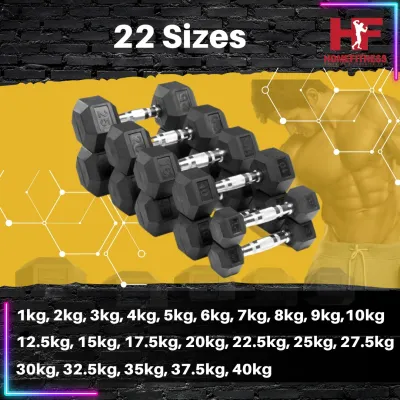
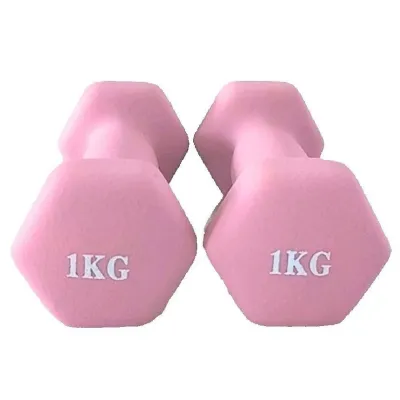
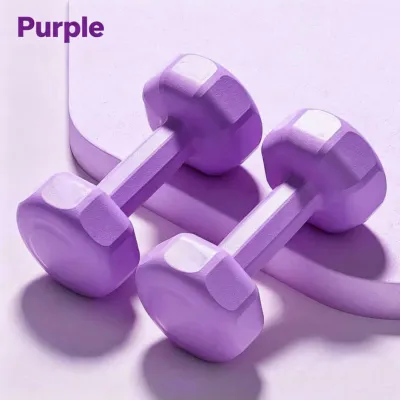
Prices are valid at publication and may change. Please refer to the product page for the latest price.
For fitness enthusiasts, 1kg weights are typically used to add light resistance to endurance training. Exercises like lateral raises, bicep curls, and overhead presses are performed in high volumes, often exceeding twenty or thirty repetitions per set. In this scenario, the dumbbell must feel like an extension of your hand, requiring a non-slip surface that prevents accidental drops during fast-paced movements. The repetitive impact of placing weights down quickly also means you need a design that protects your home flooring from scratches and dents.
For individuals undergoing rehabilitation, particularly for injuries involving the rotator cuff, wrist, or elbow, a 1kg dumbbell serves as a controlled tool to rebuild mobility and strength. Here, the focus is on isolating specific muscle groups without overloading healing tissues. Exercises such as wrist curls, external shoulder rotations, or prone movements require a dumbbell that is easy to grasp, even for those with compromised grip strength. If you are recovering from surgery or managing arthritis, a harsh or overly thick handle can cause unnecessary joint strain, making ergonomic design a top priority.
To help determine your specific requirements, consider this self-assessment checklist before making a purchase:
- Are you performing fast-paced, multi-directional movements, or slow, isolated joint exercises?
- Do you have any pre-existing hand, wrist, or finger joint pain that affects your ability to squeeze a hard handle?
- Will you be holding the weights continuously for long durations, or placing them down frequently between short sets?
- Is your workout space carpeted, or does it feature hard surfaces like ceramic tiles or vinyl flooring?
Answering these questions will clarify whether you should prioritize sweat-resistant, high-grip coatings for active workouts, or soft, contoured handles designed for therapeutic comfort.
Evaluating Materials and Grip Comfort for Light Weights
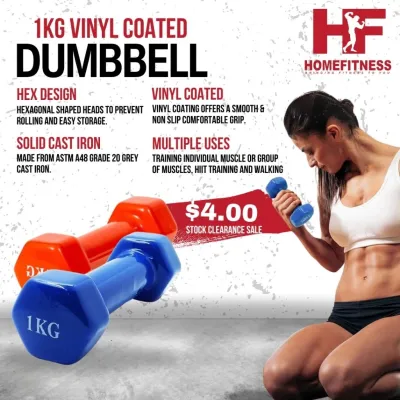
The material coating of a 1kg dumbbell determines its durability, hygiene, and safety, especially in Singapore’s warm and humid climate. Uncoated cast iron dumbbells, while highly durable, are prone to rusting when exposed to sweat and atmospheric moisture over time. They can also feel cold and harsh to the touch, making them less suitable for rehabilitation or comfortable home workouts. Consequently, coated dumbbells are generally preferred for light resistance training.

Neoprene is one of the most popular coatings for light dumbbells due to its matte, slightly textured finish. This material provides an excellent natural grip that remains secure even when your hands become sweaty. Neoprene also offers a soft barrier that cushions the impact if a weight is accidentally dropped on tiled or timber floors. However, neoprene can absorb moisture and oils from your skin, requiring regular cleaning to prevent odors and staining over time.
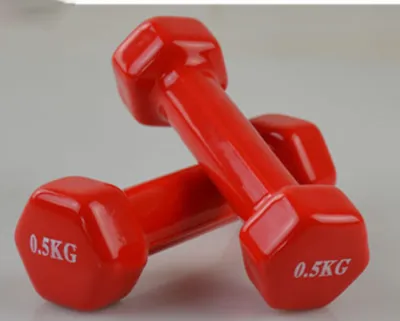
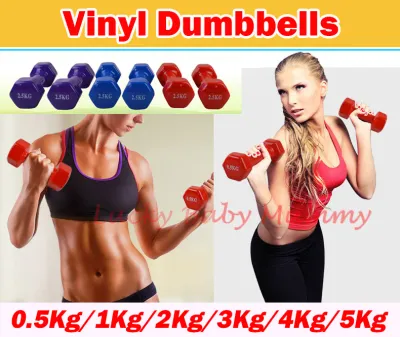
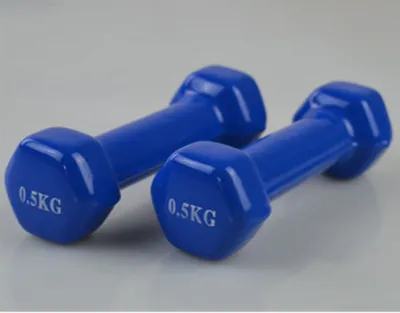
Silicone and vinyl coatings offer a smooth, non-porous alternative that is exceptionally easy to clean and sanitize. A simple wipe with a damp cloth is usually sufficient to keep these weights hygienic. Vinyl dumbbells often feature bright, glossy finishes that look appealing in a home setting, but they can become slippery when wet with perspiration. If you choose vinyl or silicone, look for models that incorporate textured patterns or ergonomic contours to compensate for the reduced natural traction when wet.
Handle ergonomics are equally critical, particularly for users with limited hand mobility or those recovering from joint injuries. Traditional straight cylindrical bars require consistent grip pressure to hold securely. In contrast, contoured handles are thicker in the middle and taper toward the ends, matching the natural curve of a closed hand. This design distributes the weight more evenly across your palm, reducing localized pressure points and minimizing hand fatigue during extended sessions.
When evaluating product specifications online, always check the manufacturer’s details regarding the core material and the outer coating thickness. High-quality light dumbbells typically feature a solid cast iron core encased in a thick, seamless layer of neoprene or vinyl. Avoid options that use sand or concrete fillers encased in thin plastic shells, as these are prone to cracking, leaking, and shifting weight distribution during use.
Choosing the Right Shape: Hexagonal, Round, and Ergonomic Designs
The physical shape of a dumbbell affects not only how it behaves when placed on the floor but also how safely and effectively you can perform various exercises. Traditional round dumbbells are classic, but they present distinct challenges in a home environment. On hard, flat surfaces common in Singaporean apartments, round weights can easily roll away when set down. This creates a tripping hazard and can lead to damaged baseboards or furniture if the weights roll unchecked.
Hexagonal or flat-edged dumbbells are highly recommended for home use because they remain stationary wherever you place them. This anti-roll feature is particularly valuable during high-intensity workouts where you need to transition quickly between weighted exercises and floor movements like planks or push-ups. Additionally, hexagonal dumbbells can be used as stable anchors on the floor for exercises that require you to support your body weight on the handles, provided the manufacturer explicitly rates them for such use.
Despite the benefits of flat edges, round dumbbells still hold a valuable place in physical therapy and rehabilitation. The symmetrical shape allows for smooth, rotational movements where the weight can be rolled gently along a table or floor to assist with joint mobilization. For example, rolling a round dumbbell under the palm of your hand can help restore wrist flexibility and forearm strength in a controlled, low-impact manner.
For individuals who find holding any traditional dumbbell challenging due to severe arthritis, neurological conditions, or hand weakness, alternative form factors should be considered. Wearable wrist and ankle weights offer a practical solution by securing the 1kg resistance directly to the limb using adjustable hook-and-loop straps. This eliminates the need for active grip strength entirely, allowing the user to focus fully on shoulder, arm, or leg movements during rehabilitation sessions.
When choosing between these shapes, assess your workout environment and storage constraints. If you have limited space and must store your equipment on open shelves or under a bed, hexagonal designs are much easier to stack and organize safely. If your routine involves dynamic rolling movements for therapy, a round design or a specialized rolling weight tool will better serve your clinical goals.
Shopping in Singapore: Where to Look and What to Verify
Purchasing fitness equipment online in Singapore offers convenience, but it requires careful verification to ensure you receive a safe, high-quality product. When browsing local e-commerce platforms or specialist sports retail websites, it is easy to be misled by ambiguous product listings. One of the most common pitfalls is confusing the price of a single dumbbell with the price of a pair. Always read the product description carefully to confirm whether the listing is for a “single piece” or a “pair” to avoid unexpected shipping delays or incomplete sets.
Customer reviews and seller ratings are invaluable tools for verifying product quality before committing to a purchase. Look for reviews that specifically mention the durability of the outer coating, the presence of any strong chemical odors upon unboxing, and the accuracy of the weight. Inexpensive, low-quality dumbbells sometimes exhibit significant weight discrepancies, where a nominal 1kg weight might actually weigh noticeably more or less, disrupting the balance required for physical therapy.
Shipping costs and delivery logistics are additional factors to consider, especially when ordering multiple items. While 1kg is relatively light, shipping fees on local marketplaces can vary significantly based on the seller’s location and delivery method. Verify whether the seller offers local stock within Singapore, as this typically results in faster delivery times and more straightforward return processes if the product arrives damaged or does not match the description.
Finally, check the warranty and return policies provided by the seller or manufacturer. Even for lower-cost items like a pair of 1kg dumbbells that might only cost around S$10 to S$20, verifying shipping costs and return terms ensures you are protected against manufacturing defects, such as cracked coatings or loose internal weights. Choosing reputable local sports brands or established online storefronts ensures that you have a reliable point of contact should any issues arise with your purchase.
Frequently Asked Questions (FAQ)
Can I use 1kg dumbbells for building significant muscle mass?
While 1kg dumbbells are excellent for muscular endurance, cardiovascular conditioning, and rehabilitation, they are generally insufficient for building significant muscle hypertrophy. Muscle growth relies on the principle of progressive overload, which requires gradually increasing the resistance to challenge your muscles over time. A 1kg weight will quickly become too light to stimulate further muscle fiber growth for major muscle groups. If your goal is to build strength and size, you should transition to heavier weights once you can easily perform more than fifteen to twenty repetitions of an exercise with perfect form and minimal perceived exertion.
How should I clean and maintain coated dumbbells?
Proper maintenance is essential to preserve the grip texture and hygiene of your coated dumbbells, especially in Singapore’s humid climate. After each workout, wipe the weights down with a soft, damp cloth and a mild, diluted soap solution to remove sweat and skin oils. Avoid using harsh chemical solvents, bleach, or abrasive scrubbing brushes, as these can degrade neoprene, silicone, or vinyl coatings, causing them to become sticky or peel. Always allow the dumbbells to air dry completely in a well-ventilated indoor area away from direct sunlight before storing them in a closed cabinet or rack to prevent the growth of mold and mildew.
Are adjustable dumbbells with 1kg increments a good alternative?
Adjustable dumbbells that allow you to add or remove weight in 1kg increments can be an excellent, space-saving investment if you plan to progress to heavier weights in the future. They offer great versatility for home gyms where storage space is limited. However, for dedicated physical therapy or fast-paced cardio workouts, fixed 1kg dumbbells are often more practical. Fixed weights do not require any setup time, have no moving parts that can rattle or loosen during dynamic movements, and provide a more compact, balanced form factor that is easier to handle during delicate rehabilitation exercises.
Community discussion
Share your experience or ask a question. Comments are reviewed before publication.