
Selecting the right achilles support depends entirely on the mechanical demands of your sport, your footwear constraints, and whether your goal is prevention, mild discomfort management, or post-activity recovery. There is no single design that suits every athlete. Sleeves offer uniform compression and warmth, straps provide targeted focal pressure with minimal bulk, and wraps deliver adjustable tension for fluctuating swelling. Matching the correct support type to your specific activity level and establishing safe usage boundaries is essential for maintaining mobility and preventing further strain.
When dealing with Achilles tendon discomfort, choosing an inappropriate support can lead to restricted movement, skin irritation, or even exacerbated strain. For instance, a bulky wrap might not fit inside a tight running shoe, while a thin sleeve may fail to provide the targeted pressure needed for high-impact jumping. By understanding how each design interacts with your foot biomechanics and footwear, you can make an informed decision that supports your active lifestyle without compromising safety.
Understanding the Core Designs: Sleeves, Straps, and Wraps
Achilles supports generally fall into three structural categories, each engineered to address different physical needs and movement patterns. Understanding these differences is the first step in identifying which product aligns with your daily training regimen.
Products mentioned in this guide
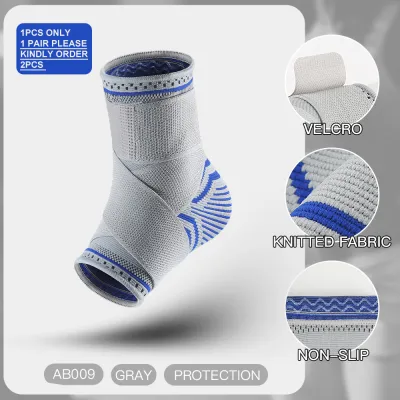
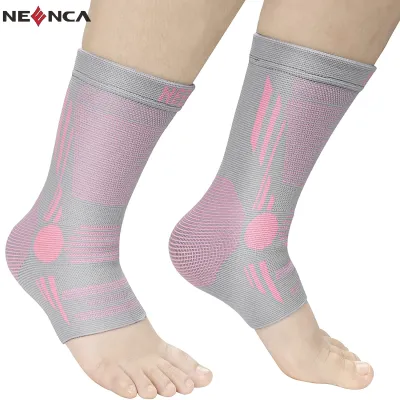
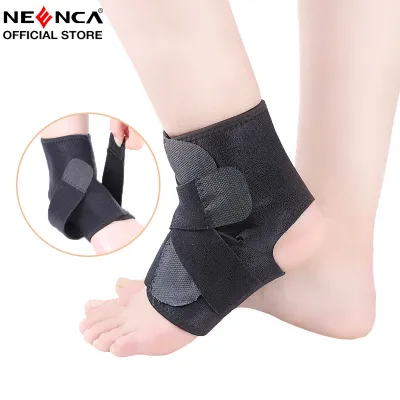
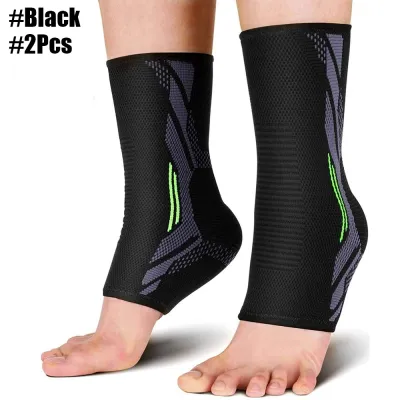
Prices are valid at publication and may change. Please refer to the product page for the latest price.
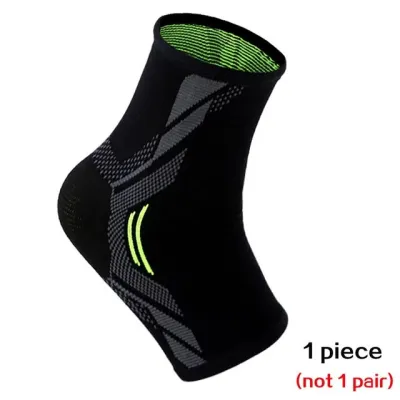
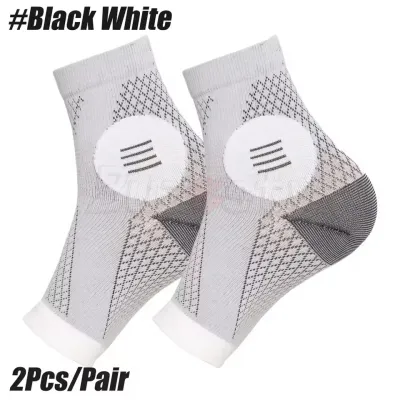
Sleeves are tubular, pull-on garments that slide over the foot and sit snugly around the ankle and lower calf. They primarily provide uniform compression across the entire joint, which helps distribute pressure evenly and promotes local thermal retention. This warmth is particularly beneficial for keeping the tendon pliable during cool-down periods or in air-conditioned indoor sports facilities. Additionally, the continuous contact of the sleeve against the skin enhances proprioception—your body’s subconscious awareness of joint positioning—which can improve overall stability during movement.
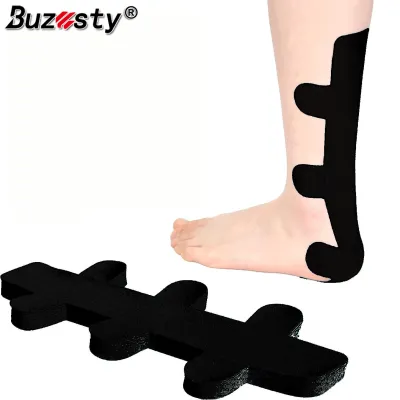
Straps are low-profile bands designed to apply targeted focal pressure directly to a specific section of the Achilles tendon. Many designs incorporate integrated silicone or gel pads that press against the tendon to absorb shock and reduce localized strain. Because they cover a much smaller surface area than sleeves, straps offer minimal restriction to ankle dorsiflexion and plantarflexion. This makes them highly suitable for athletes who require an unrestricted range of motion at the ankle joint while still needing localized reinforcement.
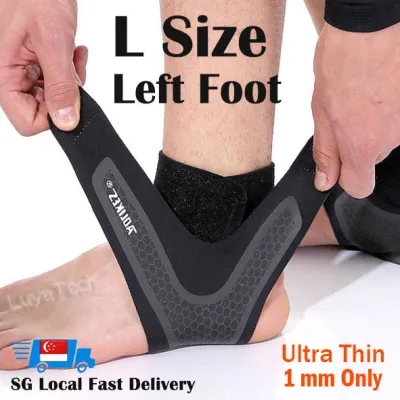
Wraps feature an adjustable, open-ended design secured with hook-and-loop closures. This construction allows you to customize the tension level and compression zone to match your immediate comfort requirements. Wraps provide broader anatomical coverage, often extending from the mid-foot up to the lower calf, which helps stabilize the surrounding musculature. However, the overlapping layers of fabric and fastening straps can add noticeable physical bulk, which may affect how your footwear fits.
Matching Support Types to Your Sport and Activity Level
Different athletic activities place unique mechanical stresses on the lower limbs. Selecting an achilles support requires analyzing the specific movements of your sport alongside the constraints of your athletic footwear.

For high-impact and dynamic sports involving explosive jumping and sprinting—such as basketball, volleyball, or track events—the choice often comes down to targeted strain relief versus joint warmth. Straps are highly effective here because they apply focused pressure to the tendon, helping to manage the sudden load of landing without restricting the rapid ankle flexing required for vertical leaps. However, if you train in cooler environments or require overall joint reassurance, a compression sleeve can keep the entire ankle complex warm and responsive throughout your session.
Multi-directional and court sports, such as badminton, tennis, or squash, demand rapid lateral cuts and sudden deceleration. These movements can cause localized swelling to fluctuate during a match. An adjustable wrap allows you to loosen or tighten the support between games to accommodate these changes in volume. The trade-off is footwear compatibility; court shoes often have stiff, low-cut collars and snug heel cups. A bulky wrap may alter your heel position inside the shoe, potentially causing slippage or heel rub, whereas a slim strap or thin sleeve fits easily without disrupting your shoe’s natural grip.
For low-impact, endurance, or recovery contexts—such as long-distance running, road cycling, or post-workout recovery—uniform compression is often the primary goal. Endurance runners on concrete park connectors in Singapore benefit from the continuous, light compression of a sleeve, which helps maintain blood flow and keeps the tendon warm over long distances. For recovery, wearing a soft sleeve after training can help manage mild post-exercise stiffness without the rigid restriction of a strap or wrap.
Before finalizing your choice, perform a footwear compatibility check. Examine your athletic shoes’ collar height, padding thickness, and lacing system. If your shoes have a high, padded collar, a thick wrap might create uncomfortable pressure points. In contrast, low-profile straps and thin sleeves are generally compatible with most footwear designs, ensuring that the support does not interfere with your shoe’s protective features.
Key Fit, Material, and Safety Checks Before You Buy
An achilles support can only perform effectively if it fits correctly and is constructed from materials suited to your training environment. Using a poorly fitted or inappropriate support can lead to skin damage or circulatory issues.
Accurate sizing is critical to prevent a tourniquet effect, where the support restricts blood flow rather than aiding circulation. Always measure your ankle and lower calf circumference using a flexible measuring tape, following the manufacturer’s specific sizing chart rather than guessing based on shoe size. The support should feel snug and supportive but never tight enough to cause throbbing, cold toes, or deep indentations in the skin. If your measurements fall between two sizes, it is generally safer to opt for the larger size to avoid excessive constriction.
Material selection is equally important, especially in warm or humid climates where sweat accumulation is common. Look for moisture-wicking, breathable fabrics that draw perspiration away from the skin to reduce the risk of chafing and blister formation. If you have sensitive skin, prioritize hypoallergenic materials and seamless constructions to prevent irritation during high-friction activities. If the support includes silicone or gel inserts, verify that these components are securely integrated and do not cause localized skin irritation during repetitive movements.
Understanding tension and restriction limits is vital for safe athletic participation. While a support can help manage mild discomfort, it must not be used to mask severe pain or bypass a proper warm-up routine. Over-tightening a wrap or strap can restrict natural joint mechanics, forcing other muscles and joints to overcompensate and potentially leading to secondary injuries. If you experience numbness, tingling, or skin discoloration while wearing any support, remove it immediately and adjust the tension or size.
When to Stop and Seek Professional Advice
While over-the-counter Achilles supports are valuable tools for managing mild discomfort and providing joint feedback, they are not a cure for structural damage. Recognizing when to stop training and seek professional medical evaluation is crucial for preventing long-term injury.
You must stop activity immediately if you experience severe symptoms that indicate an acute injury rather than mild tendinopathy. A sharp, sudden popping sensation in the back of the heel—often described as feeling like being kicked from behind—is a classic sign of an Achilles tendon rupture. Other red flags include an inability to bear weight on the affected leg, rapid and severe swelling, or a visible gap or deformity in the tendon line. Attempting to use a sleeve, strap, or wrap to push through these symptoms can lead to permanent tendon damage and prolonged recovery times.
It is important to understand the limitations of commercial supports. Sleeves, straps, and wraps do not heal torn tissues; they merely assist in managing load and providing external stability. They cannot replace prescribed medical interventions such as immobilization boots, custom orthotics, or structured physical therapy programs. If your discomfort persists for more than a few weeks despite using a support and reducing your training volume, consult a physiotherapist or sports medicine doctor for a comprehensive assessment and tailored rehabilitation plan.
Frequently Asked Questions (FAQ)
Can I wear an Achilles support all day for prevention?
Wearing an Achilles support all day is generally not recommended unless specifically advised by a healthcare professional. Prolonged, continuous use can lead to muscle dependency, where the surrounding muscles and tendons rely on the external support and gradually weaken. Additionally, keeping the skin covered for extended periods increases the risk of moisture buildup, skin irritation, and restricted circulation. It is best to wear the support primarily during active training sessions or high-load activities, allowing your body to recover naturally during rest periods.
How do I clean and maintain my Achilles sleeve or wrap?
Proper maintenance preserves the elasticity and hygiene of your support. Hand-wash the item in cool water using a mild detergent, avoiding bleach or fabric softeners which can degrade elastane fibers. If you must use a washing machine, place the support in a mesh laundry bag and select a gentle cycle. Always air-dry the support flat and away from direct heat sources like radiators or direct sunlight, as high temperatures can warp silicone pads and destroy elastic properties.
Should I wear the support on both ankles if only one hurts?
You should typically wear the support only on the affected ankle. Wearing a support on a healthy ankle is unnecessary and can alter your natural gait, potentially causing biomechanical imbalances or compensatory strain in other joints. Focus on addressing the root cause of the pain on the affected side through targeted strengthening and flexibility exercises. If you suspect bilateral imbalances, consult a physiotherapist to determine if bilateral support or specific footwear modifications are appropriate for your movement patterns.
Community discussion
Share your experience or ask a question. Comments are reviewed before publication.