
Selecting the best ankle weights for home workouts in a small Housing & Development Board (HDB) flat requires balancing physical footprint, floor protection, and noise reduction. Because Singapore apartments feature close-quarters living and shared floors, the ideal ankle weights are compact, non-marking, and quiet during movement. Streamlined silicone slip-on weights and secure, adjustable pocket weights stand out as the most practical choices for these multi-use spaces. By focusing on low-profile designs and floor-safe materials, you can build an effective strength routine without cluttering your home or disturbing your neighbors.
Ankle weights offer a highly efficient way to add resistance to lower-body exercises, core work, and cardiovascular movements without the need for bulky dumbbells or barbells. In a compact living environment, every square meter matters, making small, versatile accessories highly valuable. However, not all ankle weights are suited for apartment use. Selecting the wrong style can lead to scuffed floors, noise complaints from downstairs neighbors, or cluttered living areas. This guide provides a comprehensive framework to help you choose, use, and maintain the perfect ankle weights for your HDB home workout setup.
What to Consider When Buying Ankle Weights for Small HDB Flats
Exercising in an HDB flat presents unique environmental challenges that do not exist in commercial gyms or detached houses. The high-density nature of public housing in Singapore means that sound and vibrations travel easily through concrete floors and shared walls. Therefore, noise and impact reduction should be your primary considerations when selecting fitness gear. Dropping a heavy, hard-surfaced weight or performing high-impact jumping movements with loose equipment can create structural noise that disturbs neighbors living directly below you. Opting for soft-cased or silicone-coated ankle weights helps dampen accidental impacts and minimizes the sound of equipment hitting the floor.
Products mentioned in this guide
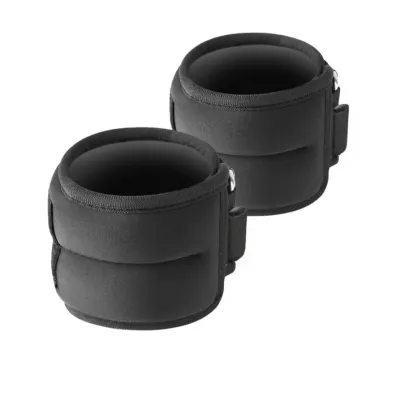
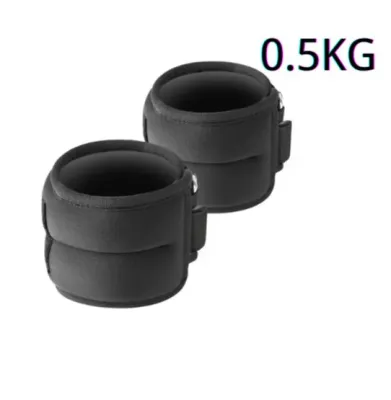
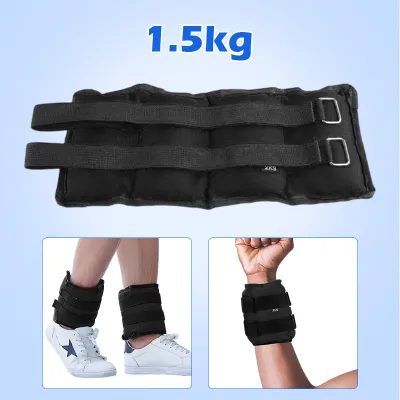
![[SG In Stock] Silicone Adjustable Wrist Ankle Weight Bands | Leg Arm Weights Straps for Yoga Running Fitness Exercise](https://img.lazcdn.com/g/p/13a78bcec6aa29222e298e2ef63ca87b.jpg_400x400q80.jpg_.webp)
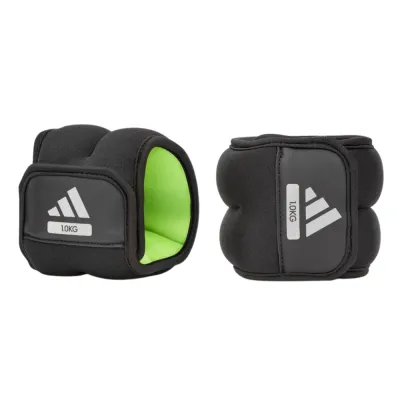
Prices are valid at publication and may change. Please refer to the product page for the latest price.
Floor protection is another critical factor, as many HDB flats feature delicate flooring materials such as vinyl tiles, engineered wood parquet, or polished homogeneous tiles. Hard plastic buckles, exposed metal zippers, or rough canvas seams can easily scratch, scuff, or dent these surfaces over time. To safeguard your home’s interior, look for ankle weights wrapped in smooth, non-marking materials like medical-grade silicone or high-density neoprene. These materials act as a protective barrier, ensuring that even if the weights rub against the floor during low-lying exercises, they will not leave permanent marks or damage the finish.
Storage efficiency is equally vital in multi-use living areas where space is at a premium. Unlike dedicated home gyms, an HDB living room or bedroom must quickly transition from a workout space back to a clean, functional living area. Large, bulky fitness equipment can quickly become an eyesore or a tripping hazard. The ideal ankle weights should have a compact storage footprint, allowing them to be tucked away easily into small drawers, shoe cabinets, or shallow under-bed organizers. Choosing gear that packs flat or rolls up tightly ensures your home remains clutter-free when you are not exercising.
Finally, your equipment must be versatile enough to accommodate exercises that do not require wide swinging arcs or large clearance zones. In a tight bedroom or living room passage, performing wide lateral leg swings or expansive dynamic movements risks hitting furniture, walls, or door frames. Compact ankle weights allow you to perform highly controlled, low-clearance exercises—such as donkey kicks, straight leg raises, and standing hamstring curls—with complete safety. This focus on controlled, space-efficient movements maximizes your workout’s effectiveness while keeping your surroundings safe.
Comparing Ankle Weight Designs for Small-Space Workouts
Ankle weights come in several distinct structural designs, each offering unique advantages and trade-offs for apartment living. Understanding how these design choices affect space efficiency, noise levels, and usability is key to making an informed purchase. The primary decision you will face is balancing the convenience of adjustability against the streamlined profile of a fixed-weight design.

While adjustable models allow you to scale your resistance over time, they often carry a bulkier physical profile that can feel cumbersome in tight spaces. Conversely, streamlined, fixed-weight designs offer maximum comfort and zero bulk but require you to purchase additional pairs as your strength increases. By evaluating your specific workout space and fitness goals, you can determine which design philosophy aligns best with your daily routine.
Adjustable Pocket Weights
Adjustable pocket weights are a highly versatile option for home fitness enthusiasts who want to progress their strength without buying multiple sets of equipment. These weights typically feature a durable fabric cuff—often made of heavy-duty neoprene or nylon—with several individual pockets. Users can slide small, weighted inserts, such as sandbags or iron shot packets, into these pockets to customize the total load. This design allows you to adjust the resistance from as light as 0.5 kg up to 2 kg or more per ankle, providing a wide range of progression steps within a single pair of straps.
However, this adjustability comes with a bulkier physical profile. Because the pockets must accommodate multiple physical inserts, these weights can protrude significantly from your ankles. This added bulk can sometimes cause the weights to rub against each other or shift during dynamic movements, which may alter your exercise mechanics. Additionally, because they rely on removable inserts, you must ensure the pocket closures are exceptionally secure. Look for models with heavy-duty hook-and-loop fasteners or secure zippers to prevent sand or metal shot from spilling onto your floor during vigorous leg lifts or mountain climbers.
Weighted Resistance Bands
Weighted resistance bands represent a hybrid category of fitness equipment that combines a light physical weight with elastic tension. These systems usually consist of comfortable ankle cuffs with integrated weights (often around 0.25 kg to 0.5 kg) and attachment points for latex or thermoplastic elastomer (TPE) resistance bands. By combining these two forms of resistance, you can perform low-impact, quiet movements that engage multiple muscle groups simultaneously. This multi-functional design is incredibly space-efficient, as a single set of bands and cuffs can replace several pairs of traditional weights and dumbbells.
When choosing weighted resistance bands, it is essential to check for material wear and tension degradation over time. The elastic bands are subject to stretching, micro-tears, and dry rot, especially when exposed to Singapore’s warm and humid tropical climate. Regularly inspecting the bands for small cracks or discoloration is crucial for preventing sudden snaps during use. Because these systems rely on controlled tension rather than heavy gravity-based loads, they are exceptionally well-suited for low-clearance, quiet exercises like lateral band walks, standing hip abductions, and seated leg extensions.
Form-Fitting Slip-On Weights
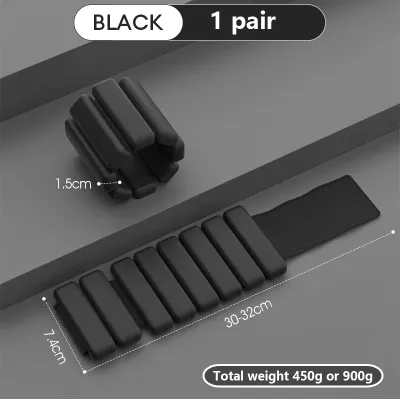
Form-fitting slip-on weights are the most streamlined and aesthetically minimalist option available for home workouts. Often constructed from steel rectangular segments fully encased in soft, waterproof silicone, these weights wrap snugly around your wrist or ankle like a thick bracelet. Their ultra-low-profile fit minimizes the risk of snagging on furniture, curtains, or your opposing leg during close-quarters movements. The smooth silicone exterior is completely non-porous, making it highly resistant to sweat absorption and incredibly easy to clean after an intense workout session.
The primary limitation of form-fitting slip-on weights is their fixed-weight design. Unlike pocket weights, you cannot adjust the load of a single unit; if you start with a 0.5 kg pair and eventually need 1.5 kg of resistance, you will need to purchase a completely new set. Additionally, because they rely on a snug, slip-resistant fit to stay in place, verifying the manufacturer’s sizing charts before purchasing is critical. A loose-fitting silicone weight can slide up and down your shin, causing discomfort and distracting you from maintaining proper exercise form.
Matching Weight Load and Fit to Your Exercise Routine
Selecting the correct resistance level and physical dimensions is essential for preventing joint strain and ensuring a comfortable workout experience. For most home-based lower-body exercises, a safe starting load for beginners is between 0.5 kg and 1 kg per ankle. While this resistance might sound modest, the long lever arm of your leg multiplies the perceived load on your hip flexors, glutes, and hamstrings. Starting light allows your tendons and ligaments to adapt to the new stimulus before you progress to heavier loads, reducing the risk of overuse injuries. With quality options ranging from S$15 to S$60, you can easily find a pair that fits your budget.
When evaluating the physical fit of ankle weights, pay close attention to the strap design. Wide straps are generally superior to narrow ones because they distribute the weight over a larger surface area on your lower leg. This even distribution prevents the weight from digging into your Achilles tendon or shin bone during leg raises and donkey kicks. Look for straps with robust, full-coverage hook-and-loop fasteners that allow for micro-adjustments, ensuring the weights remain firmly anchored in place without restricting your blood circulation.
| Weight Type | Typical Load Range | Best For | Floor Safety | Storage Footprint |
|---|---|---|---|---|
| Adjustable Pocket | 0.5 kg – 3.0 kg | Progressive strength training, slow controlled lifts | Moderate (requires soft fabric casing) | Medium (bulky but replaces multiple pairs) |
| Weighted Bands | 0.25 kg – 1.0 kg + tension | Low-impact toning, lateral movements, rehab | High (soft cuffs, lightweight bands) | Low (packs flat into a small pouch) |
| Form-Fitting Slip-On | 0.5 kg – 1.0 kg | Cardio, pilates, high-repetition toning | Excellent (fully encased in soft silicone) | Very Low (rolls up tightly, highly compact) |
The tropical climate of Singapore demands that you consider the breathability and sweat-wicking properties of your fitness gear. Exercising indoors without air conditioning can lead to rapid sweat buildup under neoprene or fabric straps, which can cause skin irritation, chafing, and unpleasant odors. If you prefer fabric-based weights, look for moisture-wicking linings or breathable mesh panels that promote airflow. For those who sweat heavily, non-porous silicone weights are highly recommended, as they do not absorb moisture and can be dried instantly with a towel.
Before finalizing your purchase, read the product labels and specifications carefully to verify the weight distribution and ergonomic design. High-quality ankle weights feature evenly distributed internal loads—such as small, uniform iron beads or contoured metal bars—rather than a single, solid block of weight. Even distribution ensures that the resistance pulls straight down in line with your leg, preventing rotational torque on your ankle joint. Checking these details on the packaging or manufacturer’s website helps guarantee a safe, balanced, and effective workout.
Space-Saving Storage and Everyday Maintenance
Keeping your fitness gear organized and hygienic is essential for maintaining a pleasant living environment in a compact HDB flat. To maximize your available floor space, utilize vertical storage solutions. Hanging your ankle weights on sturdy S-hooks inside a utility closet, on a wall-mounted pegboard, or behind a bedroom door keeps them off the floor and allows them to air out naturally between workouts. Alternatively, you can store them in shallow plastic bins that slide easily under your bed or sofa, keeping them completely out of sight when not in use.
Regular cleaning is vital for preventing the buildup of bacteria, mold, and odors, especially on sweat-exposed fabrics. For non-porous silicone slip-on weights, maintenance is incredibly simple: wipe them down with a damp cloth and a drop of mild dish soap after each use, then rinse and towel dry. For fabric or neoprene weights, hand washing is the safest method. Submerge them in warm water with a small amount of gentle laundry detergent, squeeze out the excess water without wringing them aggressively, and hang them to dry in a well-ventilated area away from direct sunlight, which can degrade elastic fibers and Velcro.
Routine safety inspections are crucial for protecting both your body and your home’s interior. Once a week, take a moment to inspect the seams, stitching, and hook-and-loop fasteners of your ankle weights for early signs of wear. Look for fraying threads, weakening Velcro grip, or small cracks in silicone bands. If you use pocket weights filled with sand or iron shot, check the pocket linings to ensure they are not thinning or tearing, which could lead to a sudden spill during an exercise.
Knowing when to retire or replace your gear is essential for preventing accidental injuries or property damage. If a strap no longer fastens securely, or if a seam begins to split, stop using the weights immediately. A weight that slips off mid-exercise can fly across the room, potentially breaking household items, cracking floor tiles, or causing joint strain due to a sudden shift in balance. Investing in a new pair when your current set shows significant wear ensures your home workouts remain safe, quiet, and highly productive.
Frequently Asked Questions (FAQ)
Are ankle weights safe for daily walking around the apartment?
Using ankle weights during casual, daily activities around your HDB flat is generally not recommended by fitness professionals. While it may seem like an easy way to burn extra calories while doing household chores, prolonged wear during normal walking can alter your natural gait mechanics. The constant downward pull on your lower legs puts unnatural stress on your ankle, knee, and hip joints, which can lead to muscle imbalances, tendonitis, or repetitive strain injuries over time.
Ankle weights are designed for targeted, controlled exercise sessions where you can focus on proper form and muscle activation. For daily movement, your body is best left to move naturally without artificial loads. If you are recovering from an injury or require specific resistance training during daily activities, always consult a qualified physical therapist or fitness professional to establish safe usage limits and guidelines tailored to your body’s needs.
How can I protect my HDB flooring from damage during weighted workouts?
To protect your HDB flooring from scuffs, dents, and noise transfer, always perform your workouts on a high-density exercise mat. A mat with a thickness of at least 6mm to 10mm provides an excellent buffer that absorbs impact and dampens sound vibrations before they travel through the concrete slab to the apartment below. Avoid using thin yoga mats, which do not offer sufficient cushioning for weighted equipment.
Additionally, modify your exercise movements to eliminate high-impact drops or dragging motions. For example, when performing donkey kicks or leg raises, lower your legs slowly and under complete control rather than letting them drop heavily to the floor. Finally, inspect the outer casing of your ankle weights regularly to ensure no hard metal buckles, exposed zippers, or abrasive materials are contacting the floor surface. Choosing weights with fully encased silicone or soft neoprene covers is the most effective way to prevent accidental scratches on vinyl, parquet, or tile floors.
Community discussion
Share your experience or ask a question. Comments are reviewed before publication.