
Selecting a back support brace requires balancing stability, mobility, and comfort. The physical demands of weightlifting, running, and general gym workouts place vastly different stresses on the lumbar spine. A brace that excels at stabilizing a heavy squat will severely hinder a runner’s stride, while a lightweight running sleeve will fail to provide the structural support needed for a maximum deadlift.
To make an informed choice, you must evaluate how different designs, materials, and closure systems interact with your body during specific movements. Understanding these variables allows you to select a supportive tool that complements your training style, protects your movement patterns, and fits comfortably within your local workout environment.
Understanding Back Support Brace Types and Materials
Back support braces generally fall into three categories: rigid, semi-rigid, and flexible compression supports. Rigid braces, often constructed from thick leather or reinforced synthetic materials, are designed to limit spinal movement and maximize intra-abdominal pressure. These are the standard for heavy, slow-moving lifts where spinal flexion must be strictly avoided.
Products mentioned in this guide
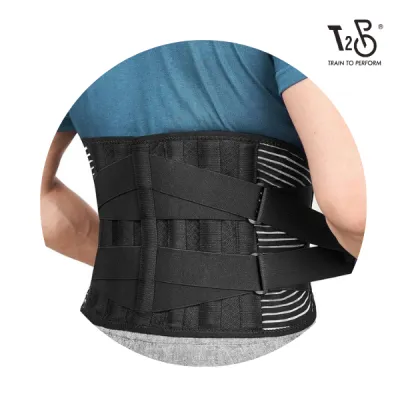
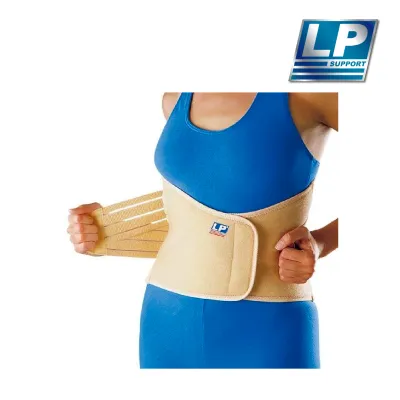
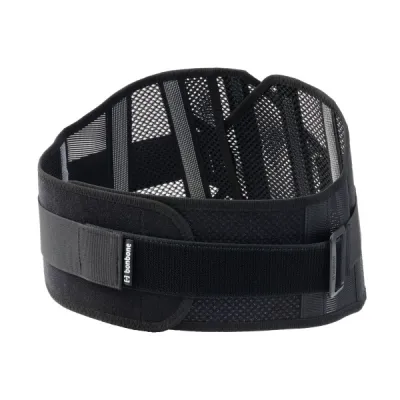
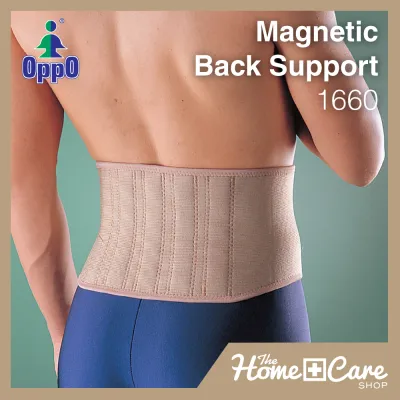
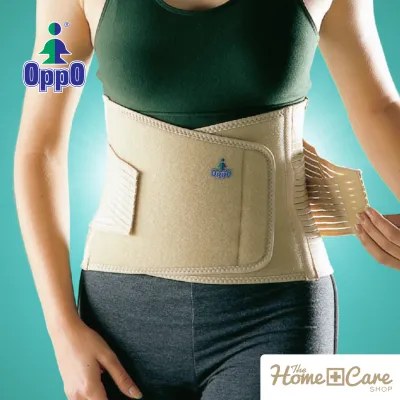
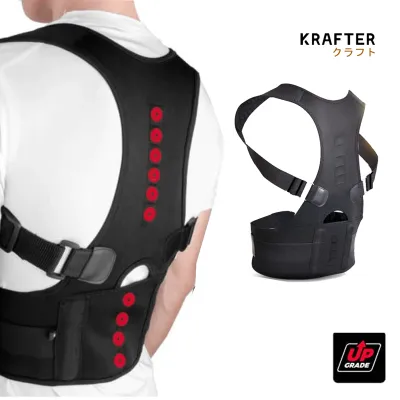
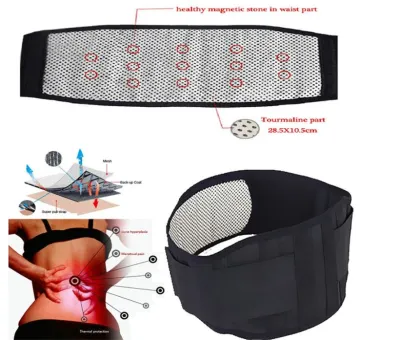
Prices are valid at publication and may change. Please refer to the product page for the latest price.
Semi-rigid supports utilize flexible stays made of plastic or lightweight metal integrated into a fabric backing. These stays provide a physical boundary that discourages poor posture and excessive bending while still allowing enough lateral and rotational movement for dynamic exercises. They offer a middle ground for athletes who need moderate support without feeling completely locked in place.
Flexible compression supports are typically made of elastic blends or neoprene. Rather than mechanically restricting movement, they rely on compression to increase blood flow, retain localized warmth, and enhance proprioception—your body’s awareness of its position in space. This sensory feedback helps you naturally maintain better posture during high-repetition or cardiovascular training.
Material choice directly impacts comfort, especially in warm or humid environments. Neoprene is highly durable and excellent for heat retention, which can soothe stiff muscles, but it tends to trap sweat. For outdoor training or non-air-conditioned spaces, breathable elastic blends, perforated fabrics, or 3D spacer mesh are preferable to allow heat dissipation and prevent skin irritation.
Adjustable straps, secondary tension bands, and removable lumbar pads allow you to customize the fit and support level of your brace. Double-pull tension systems let you secure the base belt first, then pull secondary elastic straps to apply targeted pressure to the lower back. Removable pads can fill the natural curve of your lumbar spine, providing localized compression where flat belts might leave a gap.
Selection Criteria for Weightlifting and Powerlifting
For heavy, static lifts like squats, deadlifts, and overhead presses, the primary goal of a back support is to help you generate intra-abdominal pressure. By pushing your abdominal wall against a rigid, non-yielding barrier, you create a stable cylinder of pressure that supports the spine from the inside out. This mechanism requires a specific belt design to function effectively.

Look for a belt with a uniform width all the way around, typically four inches (approximately ten centimeters). Tapered belts that are wide in the back but narrow in the front do not provide enough surface area for the abdominal muscles to push against, which compromises the creation of uniform intra-abdominal pressure. A thickness of 10mm to 13mm is standard for powerlifting, offering maximum rigidity.
Closure mechanisms dictate how tightly and quickly you can secure the belt. Lever belts use a metal buckle that locks into place at a preset tightness, offering maximum security and quick release between sets, though adjusting the size requires a screwdriver. Single or double-prong buckle belts are highly adjustable and reliable, while heavy-duty nylon belts with hook-and-loop closures offer a more forgiving, easily adjustable fit for general lifting.
When checking the fit of a lifting belt, position it across your abdominal wall, resting just above your hip bones (the iliac crest) and below your rib cage. It should sit flat against your body without pinching your skin or digging painfully into your ribs when you drop into the bottom of a squat. If the belt forces you to alter your lifting mechanics to avoid pain, it is either too wide for your torso or positioned incorrectly.
Selection Criteria for Running and Cardio
Running and cardiovascular training involve continuous, repetitive impact and constant torso rotation. A rigid lifting belt is entirely unsuitable here, as it restricts your breathing and prevents the natural rotation of your hips and spine. Instead, runners require ultra-lightweight, flexible compression sleeves that prioritize mobility and moisture management.
Breathability is the most critical factor when choosing a brace for sustained aerobic activity. Running outdoors in warm, humid climates leads to rapid sweat accumulation, which can cause severe chafing and skin breakdown under a thick brace. Opt for thin, moisture-wicking fabrics with perforated panels that allow air to circulate and sweat to evaporate quickly.
To prevent the brace from shifting during your stride, look for models equipped with anti-slip features. High-quality running braces often feature thin silicone grip strips along the inner top and bottom hems. These strips grip your skin or clothing, preventing the brace from riding up toward your chest or twisting out of alignment as your body moves.
Keep the profile of the brace as slim as possible. A bulky support will rub against your arms or thighs during your running gait, leading to painful friction burns. A low-profile, seamless design can be worn discreetly under your running shirt, providing mild compression and reassuring warmth to the lower back muscles without altering your natural running mechanics.
Selection Criteria for General Gym Workouts and Functional Training
Functional fitness, circuit training, and general gym workouts often combine dynamic movements like kettlebell swings, thrusters, and box jumps with short cardio intervals. For these activities, you need a hybrid support that balances moderate spinal stability with the flexibility required for rapid, multi-directional movement.
Look for a tapered or contoured design that is wider at the back to support the lumbar region and narrower at the sides and front. This shape prevents the brace from digging into your hips or ribs when you bend forward, twist, or perform deep lunges. It provides structural support where you need it most while preserving your natural range of motion.
Nylon belts with heavy-duty hook-and-loop (velcro) closures are highly favored for functional training. Unlike rigid leather belts, nylon offers a degree of flex that moves with your body during dynamic exercises. The hook-and-loop system also allows you to adjust the tension instantly; you can pull it tight for a heavy lifting set, then quickly loosen it to a mild compression setting for a round of rowing or skipping.
Verify that the brace does not restrict your ability to transition smoothly between exercises. If a movement like a clean-and-jerk or a burpee causes the brace to pinch, shift, or restrict your breathing, the support is either too rigid or too long for your torso. A successful functional training brace should feel like a supportive second skin rather than a restrictive harness.
Fit, Sizing, and Safety Checks Before You Buy
To find the correct size, do not rely on your standard pants or waist size, as back braces sit higher on the torso than casual trousers. Use a flexible tape measure around your relaxed abdomen, directly across your navel. Keep the tape snug but not tight, and measure while standing naturally. Compare this measurement to the manufacturer’s specific sizing chart, as sizing standards vary significantly between brands.
Once your brace arrives, perform a practical tightness and breathing check before using it under load. Put the brace on and take a deep, diaphragmatic breath, expanding your belly outward. You should feel your abdomen press firmly against the brace, but you must still be able to take a full breath without feeling like your lungs are restricted. If you can only take shallow chest breaths, the brace is too tight.
It is vital to recognize when to stop using a back support. If you experience numbness, tingling, sharp shooting pain, or a cold sensation in your legs or feet, remove the brace immediately. These symptoms indicate nerve compression or restricted blood flow. A back brace is a supportive tool to assist with proper movement patterns; it cannot replace physical training, core strength, or professional medical evaluation.
Never use a brace to mask pain or push through an active injury. If you are experiencing persistent lower back pain, consult a qualified healthcare professional, such as a physiotherapist or sports physician, before continuing your training. Using a brace to bypass your body’s pain signals can lead to more severe, long-term spinal damage.
Frequently Asked Questions (FAQ)
Can I wear the same back support brace for both weightlifting and running?
No, using the same brace for both activities is highly counterproductive due to their conflicting biomechanical demands. A weightlifting belt is designed to be rigid and non-yielding to maximize intra-abdominal pressure and restrict spinal movement, which would severely limit your stride, chafe your skin, and restrict your breathing during a run. Conversely, a lightweight, flexible running sleeve lacks the structural thickness and rigidity required to support your spine and core muscles under heavy lifting loads.
How tight should a back support brace feel during heavy lifts?
During heavy lifts, a lifting belt should feel snug enough that you can forcefully push your abdominal wall against it, but not so tight that it prevents you from taking a deep, diaphragmatic breath. A practical rule of thumb is that you should be able to slide one flat hand between the belt and your abdomen before you brace. If you have to suck in your stomach excessively just to close the belt, or if you feel lightheaded before you even begin your lift, the belt is too tight and will restrict your performance.
Does wearing a back brace weaken my core muscles over time?
Using a back brace does not inherently weaken your core muscles, provided you use it correctly as a training tool rather than a constant crutch. If you wear a highly supportive brace for all daily activities and light exercises, your core muscles may rely on the external support and lose active engagement. However, if you reserve the brace for near-maximal lifting sets or specific high-intensity training, and continue to perform dedicated core strengthening and mobility work, your natural core strength will remain fully active.
Community discussion
Share your experience or ask a question. Comments are reviewed before publication.