
For long rides on Singapore’s Park Connector Network (PCN) in high heat, the most effective setup is a highly resilient, flexible reinforced polymer or alloy side-load bottle cage paired with a double-wall insulated squeeze bottle. This combination addresses the dual challenges of intense tropical humidity and mixed-surface vibrations, ensuring your water remains cool and accessible without rattling or dropping. By matching a secure bicycle bottle holder with a bottle designed for rapid, one-handed use, you can maintain your hydration and focus safely on the shared paths.
Understanding the Demands of Long Rides in Singapore's Climate
Cycling along Singapore’s extensive park connectors exposes your equipment to sustained high temperatures, intense UV radiation, and high relative humidity. These environmental factors accelerate the wear and degradation of cycling accessories. Low-grade plastics and rubber components can degrade, become brittle, or develop a sticky residue when exposed to constant sunlight and moisture. Choosing high-quality, UV-resistant materials for your bicycle bottle holder and bottle ensures long-term durability and reliable grip throughout the year.
The PCN features a variety of riding surfaces, including smooth asphalt, concrete paths, wooden boardwalks, and frequent tactile paving at pedestrian crossings. Transitioning between these surfaces creates high-frequency vibrations and sudden jolts. A bottle holder with weak retention can easily allow a heavy, fully filled water bottle to slip out. A dropped bottle not only disrupts your riding rhythm but also poses a serious safety hazard to trailing cyclists, runners, and pedestrians sharing the path.
Products mentioned in this guide
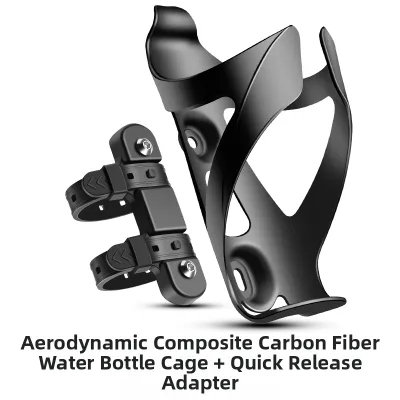
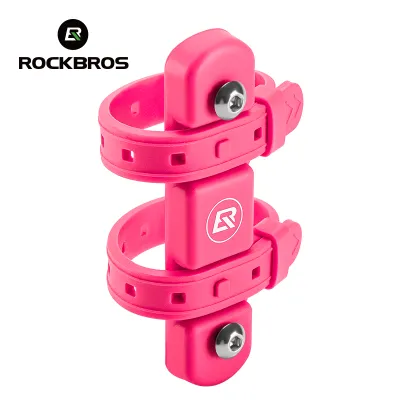
Prices are valid at publication and may change. Please refer to the product page for the latest price.
Hydration volume is another critical factor for long-distance rides in tropical conditions. To prevent dehydration, riders often carry larger, heavier bottles, such as 750ml or 1-liter insulated models. However, these larger bottles require more physical clearance within the bike’s frame triangle and place greater stress on the mounting system. You must carefully balance your hydration capacity with your bike’s frame geometry, ensuring that your bottle setup does not interfere with your pedaling motion or frame bags.
Selecting a Secure Bottle Cage for Rougher Connectors
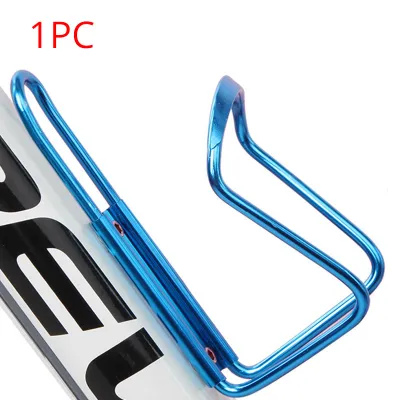
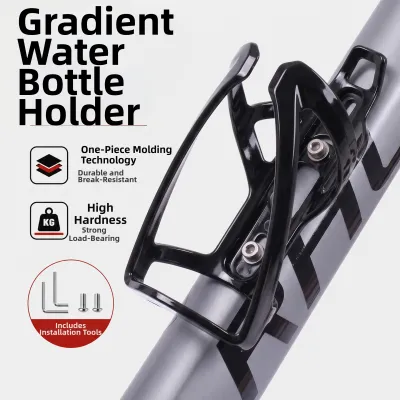
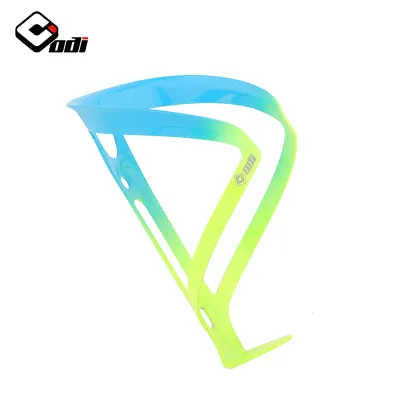
When selecting a bicycle bottle holder, material choice directly impacts weight, durability, and grip strength. Carbon fiber cages are exceptionally lightweight and offer a sleek aesthetic, but they can be brittle and lack the flexibility needed to accommodate slightly oversized insulated bottles. Reinforced polymer or composite cages provide an excellent balance of impact resistance, slight flexibility to absorb road vibrations, and long-term durability. Classic aluminum or stainless steel wire cages are highly versatile, as they allow you to manually bend the cage wings slightly to adjust the clamping force on your bottle.

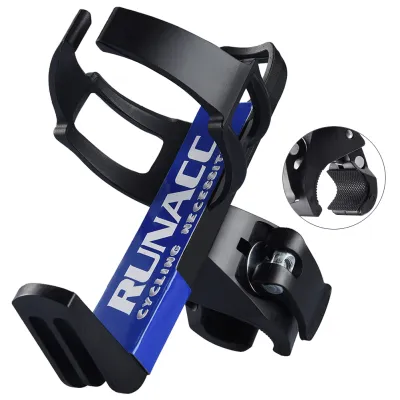
The grip mechanism and entry style of the cage are crucial for safety and ease of use on busy paths. Traditional top-load cages require you to pull the bottle straight up, which can be difficult on compact road frames, full-suspension mountain bikes, or folding bikes with limited frame clearance. Side-load (or side-pull) cages allow you to slide the bottle in and out from a diagonal angle. This design is highly recommended for tight frame spaces, as it maintains a secure, wrap-around grip while making extraction effortless with one hand.
Before purchasing a cage, verify the mounting bolt compatibility and adjustability on your bicycle frame. Most modern bikes feature standard water bottle bosses spaced 64mm apart, but the physical space around them can vary. Look for bottle cages with elongated mounting slots rather than fixed holes. These slots allow you to slide the holder up or down by several millimeters, helping you optimize bottle clearance relative to your frame tubes, front derailleur, or frame bags.
Choosing an Insulated Bottle to Maintain Water Temperature
To combat Singapore’s ambient heat, a standard single-wall plastic bottle is rarely sufficient, as water quickly warms to match the outdoor temperature. Double-wall vacuum-insulated stainless steel bottles offer the highest thermal performance, keeping liquids cold for hours. However, they are rigid, heavier, and can rattle loudly in metal cages unless paired with a plastic or rubber-lined holder.
Alternatively, double-wall insulated plastic squeeze bottles use a lightweight foam liner sandwiched between two layers of flexible, BPA-free plastic. While their thermal retention is slightly lower than vacuum-insulated steel, they allow you to squeeze the bottle for rapid, high-volume drinking while riding, and they fit snugly into standard cages without rattling.
The bottle’s valve design directly impacts safety and convenience on shared paths. High-flow bite valves or self-sealing jet valves allow you to drink one-handed without manually pulling a cap open with your teeth. This keeps your focus on the path ahead. Ensure the valve has a secure lockout mechanism to prevent leaks when transporting your bike in a car boot or on public transport.
Matching the Cage and Bottle Combination
A successful hydration setup requires physical compatibility between the bicycle bottle holder and the bottle itself. Test the fit by inserting the bottle into the cage while the bike is stationary. The bottle should slide in with a distinct click or firm resistance, requiring a deliberate pull to extract, but not so much force that it destabilizes your steering when riding.
Condensation is an inevitable consequence of carrying cold liquids in Singapore’s humid air. As moisture accumulates on the exterior of the bottle, it can act as a lubricant, causing the bottle to slip upward out of the cage over bumps. Look for bottles with textured grip zones or matte finishes, and pair them with cages that feature a prominent top hook or rubberized grip pads to counteract wet slippage.
If you experience minor slipping or rattling on uneven PCN sections, you can adjust the setup without buying new gear. For metal wire cages, gently squeeze the sides together to increase tension. For polymer or carbon cages, applying a small strip of silicone grip tape or heavy-duty electrical tape to the inside contact points of the cage can significantly increase friction and damp vibrations.
Maintenance and Care for Hydration Gear
Singapore’s warm, humid environment is highly conducive to mold and bacterial growth. Clean your insulated bottles and valves after every ride. Disassemble the pull-caps or bite valves completely, wash them with mild dish soap and warm water, and allow them to air-dry fully in a well-ventilated space before reassembly.
Regularly inspect the mounting hardware of your bicycle bottle holder. Sweat, sports drinks, and road spray can pool around the bottle bosses, leading to galvanic corrosion between steel bolts and aluminum frames. Periodically remove the bolts, clean the threads, apply a thin layer of bicycle grease or anti-seize compound, and torque them to the manufacturer’s specifications (typically 3 to 4 Nm).
Monitor your gear for signs of wear and tear. Replace plastic bottles if they develop deep scratches inside (which harbor bacteria), if the insulation layer begins to delaminate, or if the valve leaks. Inspect polymer cages for hairline cracks near the bolt holes, and replace them immediately if the structural integrity is compromised to prevent a sudden failure on the trail.
Frequently Asked Questions (FAQ)
Can I use a standard plastic bottle in an insulated cage?
Yes, standard plastic bottles will physically fit into most bicycle bottle holders, but they offer no thermal protection. In Singapore’s heat, water in a single-wall bottle will warm up rapidly, often within thirty minutes of riding. Additionally, thin-walled single-use plastic bottles can easily deform under the high clamping force of a tight cage, increasing the risk of the bottle popping out over bumps.
How do I prevent my bottle cage from scratching my bike frame?
To protect your bike’s paint or carbon finish, apply a small piece of clear polyurethane frame protection tape (helicopter tape) over the mounting bosses before bolting down the cage. Alternatively, you can place thin rubber washers or silicone shims between the frame and the cage mounts. This not only prevents direct metal-on-frame friction but also helps damp vibrations, keeping the mounting bolts secure over time.
Community discussion
Share your experience or ask a question. Comments are reviewed before publication.