
For cyclists navigating Singapore’s extensive Park Connector Network (PCN), a reliable bicycle front light is a fundamental safety tool rather than a mere accessory. The ideal light for PCN riding requires a balanced brightness of 200 to 400 lumens, a wide beam pattern to spot crossing pedestrians, and a glare-reducing cut-off design to protect oncoming path users. Because these paths transition rapidly from brightly lit parkways to pitch-black canopy-covered stretches, your light must also offer easily adjustable brightness modes and robust weatherproofing to handle sudden tropical downpours.
Assessing Lighting Conditions on Park Connector Networks
Singapore’s PCN spans hundreds of kilometers, linking regional parks and residential estates through a diverse tapestry of urban and natural landscapes. This variety means that lighting conditions are rarely uniform. You might find yourself cruising along a brightly illuminated stretch of the East Coast Park PCN under high-mast streetlights, only to turn into a dark, tree-canopied segment of the Ulu Pandan PCN or a shadowy underpass beneath a major expressway viaduct. These sudden transitions from high ambient light to near-total darkness can temporarily compromise your night vision, making it difficult to spot immediate hazards.
The shared-path nature of the PCN adds another layer of complexity. Unlike dedicated mountain biking trails or open roads, the PCN is a shared space utilized by joggers, families with young children, pet owners with retractable leashes, and personal mobility device users. Your front light must serve a dual purpose: it must illuminate your path so you can see obstacles, and it must make you visible to others without causing discomfort or danger. An overly bright, improperly aimed light can easily blind oncoming pedestrians and cyclists, creating a significant safety hazard on narrow paths.
Products mentioned in this guide
![[SG Stock] ROCKBROS 400 Lumens USB Rechargeable Bikes Bicycles MTB LED Headlight](https://img.lazcdn.com/g/p/ce328cf22e52ed8d0e2bba287847096e.jpg_400x400q80.jpg_.webp)
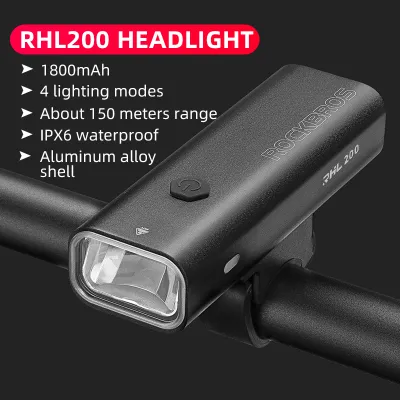
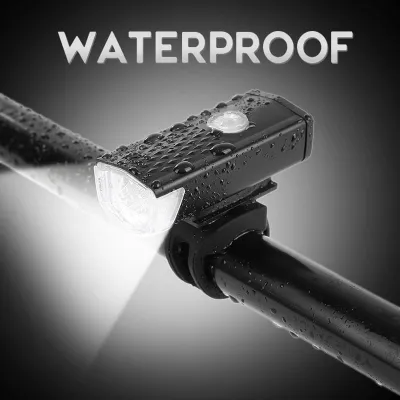
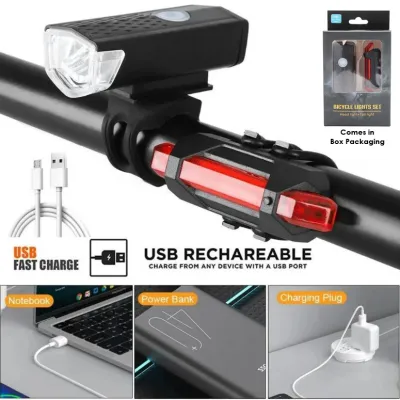
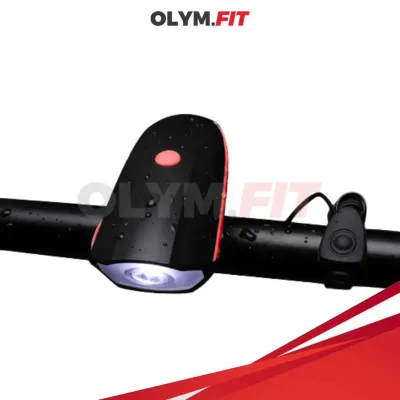
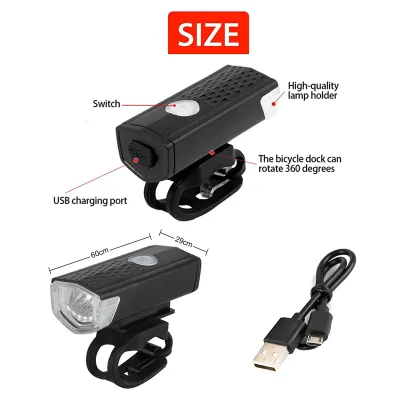
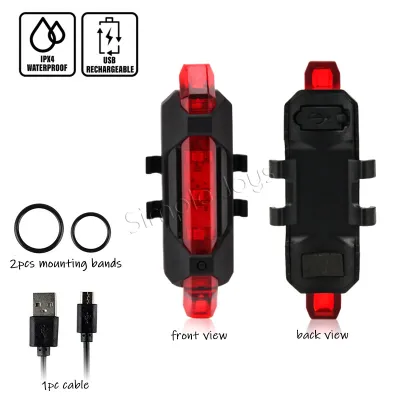
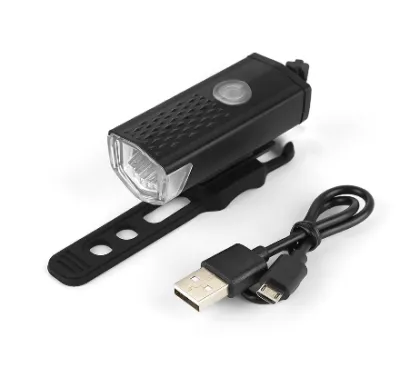
Prices are valid at publication and may change. Please refer to the product page for the latest price.
To safely manage these changing environments, a versatile front light with adjustable brightness modes is highly beneficial. When riding through well-lit residential connectors, a low-intensity or pulsing mode is sufficient to alert others of your presence. As you transition into unlit corridors, shaded park loops, or rural connectors, the ability to quickly toggle to a higher steady output ensures you can navigate safely. This adaptability allows your eyes to adjust more comfortably to changing light levels while conserving battery power for the darkest stretches of your journey.
Selecting Brightness and Beam Patterns for Shared Paths
Selecting the correct brightness and beam configuration is crucial for maintaining safety and etiquette on shared paths.

Evaluating Brightness (Lumens) For paved and partially lit paths like the PCN, extreme high-lumen outputs are rarely necessary. A light outputting between 200 and 400 lumens is generally the sweet spot for most riders. This range provides more than enough illumination to spot potholes, leaf litter, and uneven pavement joints at typical PCN speeds (under 25 km/h) without casting an aggressive glare. While off-road trail lights boasting 1,000 lumens or more are excellent for isolated mountain bike trails, using them at full power on the PCN is unnecessary and can easily blind oncoming path users, potentially causing head-on collisions.
Choosing the Right Beam Pattern The shape of your light’s beam determines how effectively you can see your surroundings.
- Flood Beams (Wide): These spread light across a wide angle, making them highly recommended for PCN riding. A wide beam pattern enhances your peripheral vision, allowing you to spot pedestrians, stray animals, or joggers stepping onto the path from the side grass verges.
- Spot Beams (Focused): These project a narrow, long-distance beam. While useful for high-speed road cycling, a pure spot beam on a shared path can create a tunnel-vision effect, leaving your sides in complete darkness and making it harder to react to sudden lateral movements.
- Combination Beams: Many modern lights offer a mixed beam pattern that combines a wide flood with a moderate center spot, providing the best of both worlds for path navigation.
Understanding Anti-Glare and Cut-Off Features To protect oncoming path users from temporary blindness, look for lights designed with anti-glare technologies or physical cut-off lines. Often inspired by automotive headlight designs (and sometimes compliant with German StVZO standards), these lights feature specialized lenses or reflectors that direct light downward onto the ground rather than upward into the eyes of oncoming traffic. If your current light lacks a built-in cut-off beam, you can achieve a similar protective effect by angling the light mount slightly downward toward the ground, ensuring the brightest part of the beam strikes the pavement roughly five to ten meters ahead of your front wheel.
Key Features for Singapore's Climate and Trail Surfaces
Singapore’s tropical climate and specific trail infrastructure demand hardware features that can withstand high humidity, sudden downpours, and physical vibrations.
Verifying Weather Resistance When shopping for a bicycle front light, always check the product packaging or manufacturer specifications for its Ingress Protection (IP) rating. Singapore’s sudden, heavy afternoon and evening rainstorms require a light with reliable water resistance. A rating of IPX5 indicates protection against water jets from any angle, which is generally the minimum recommended standard for year-round riding. For complete peace of mind during intense monsoon downpours, look for lights rated IPX6 or higher, which can withstand high-pressure water streams and prevent internal moisture buildup that leads to electrical failure.
Assessing Mount Stability and Vibration Resistance The PCN features various surface textures, including smooth asphalt, concrete slabs, speed bumps, and yellow tactile warning tiles near road crossings. These surfaces generate constant vibrations that can cause a poorly mounted light to rattle, shift downward, or even fall off.
- Strap Mounts: Flexible silicone or rubber strap mounts are highly versatile and easy to transfer between different bikes, but you must ensure the strap is tight enough to prevent the light from slipping when riding over speed bumps.
- Bolt-on Mounts: Rigid plastic or aluminum brackets that bolt onto the handlebars offer superior stability and are less prone to shifting over time.
- Internal Vibration Damping: High-quality lights feature internal shock absorption to protect the battery and circuitry from constant road vibrations, preventing flickering or sudden shut-offs.
Evaluating Power, Charging, and Battery Life Your light’s battery runtime should comfortably exceed your planned riding duration. For standard two-hour evening rides, a light that can run for at least three to four hours on your preferred brightness setting provides a safe buffer. Modern USB-C charging has become the industry standard, allowing you to easily top up your light using a standard phone charger, power bank, or computer port. Additionally, prioritize lights equipped with clear, multi-color LED battery indicators or digital displays that warn you when the power drops below 20%, preventing you from being left in the dark unexpectedly.
Enhancing Daytime Visibility Even during daylight hours, riding conditions on the PCN can become overcast, misty, or dim, especially during the year-end monsoon season. A front light with a dedicated daytime flashing mode or high-contrast side visibility windows is highly beneficial. These side cut-outs allow light to escape laterally, making you significantly more visible to motorists when crossing roads, exiting driveways, or navigating PCN intersections where the path crosses public vehicular traffic.
Matching Light Setups to Your Riding Routine
Your choice of bicycle front light should align with your specific cycling habits, speed, and typical riding hours on the PCN.
Casual and Family Rides If your cycling routine consists of leisurely weekend evening rides with family, your primary focus should be on ease of use, wide visibility, and simple installation. A compact, lightweight front light with a moderate output of 150 to 250 lumens is ideal. Look for tool-free silicone strap mounts that allow you to quickly attach or remove the light from folding bikes, city bikes, or rental bicycles. A wide, gentle flood beam is perfect for these slower-paced rides, ensuring you can see nearby obstacles and remain highly visible to other park users without needing complex settings.
Night Commuting and Fitness Training For faster, purpose-driven riders who use the PCN for daily commuting or high-speed fitness training during late-night hours, a more robust setup is required. You should prioritize a light with a higher maximum output of 400 to 600 lumens to safely illuminate the path far ahead, allowing sufficient reaction time at higher speeds. A strict anti-glare cut-off beam is essential to prevent blinding oncoming commuters on narrow paths. Additionally, look for durable aluminum housings that dissipate heat efficiently, quick-charge capabilities, and secure bolt-on mounts that can withstand high-frequency vibrations.
Cross-Scenario Compatibility If you use your bicycle for multiple purposes—such as a quick weekday evening commute followed by a long-distance weekend exploration of the Round Island Route—versatility is key. Select a front light that features multiple programmable modes or a built-in memory function that automatically starts on your last-used setting. This allows you to easily transition from a low-power, battery-saving flash mode on well-lit urban connectors to a steady, high-output beam when entering darker, unlit stretches of the trail network, ensuring you always have the right amount of light for the situation.
Frequently Asked Questions (FAQ)
Is it mandatory to use a front light on the PCN at night?
Yes, under Singapore’s active mobility regulations, all bicycles must be equipped with a functioning front white light and a rear red light (or a rear red reflector) when riding on public paths and roads during the hours of darkness. This legal requirement is strictly enforced to ensure the safety of all path users. Beyond regulatory compliance, using a front light is a vital safety practice that helps pedestrians spot you from a distance and allows you to safely navigate unlit obstacles on the trail.
Can I use a high-lumen mountain bike light on the PCN?
While you can physically mount a high-lumen mountain bike light on your bicycle, using it at full power on the PCN is highly discouraged and can be hazardous. Unshielded off-road lights designed for isolated forest trails lack beam-shaping lenses, meaning they project intense light directly into the eyes of oncoming pedestrians and cyclists, causing temporary blindness. If you choose to use a high-output light, you must mitigate the glare by switching it to a lower brightness mode (under 400 lumens), angling the light housing downward toward the ground, or fitting a physical glare shield to redirect the upward light.
Community discussion
Share your experience or ask a question. Comments are reviewed before publication.