
For cyclists navigating Singapore’s extensive Park Connector Network (PCN), choosing a bicycle head light is less about blasting hundreds of meters of pitch-black trail and more about ensuring mutual visibility and safety on shared paths. The ideal light for these well-lit corridors is a compact, moderate-output unit featuring a wide flood beam and anti-glare properties. Rather than investing in high-powered, expensive off-road lamps, urban riders benefit most from a light that makes them visible to pedestrians and oncoming traffic, mounts securely over occasional speed bumps, and carries a reliable water-resistance rating to handle sudden tropical downpours.
How the Park Connector Network Environment Dictates Your Choice
The Park Connector Network is designed with excellent infrastructure, meaning most paths are already illuminated by overhead streetlights or ambient park lighting. Because the paved surfaces reflect a significant portion of this ambient light, your primary need is not to carve a path through absolute darkness. Instead, your head light serves as a critical safety signal to alert others of your approach while gently filling in any localized shadows on the pavement. This ambient illumination means you do not need the heavy, high-capacity battery packs or extreme cooling fins associated with high-power trail lights.
Riding on shared paths requires a high level of social consideration. High-powered spot beams designed for unlit mountain biking trails can easily blind oncoming cyclists, joggers, and pedestrians, creating hazardous blind spots. Opting for a light tailored to urban environments ensures you maintain a cooperative relationship with other path users. Choosing a specialized off-road light for these paved, well-lit routes is often an unnecessary expense that can actually decrease safety for those around you, making a moderate, well-aimed light the far more responsible choice.
Products mentioned in this guide
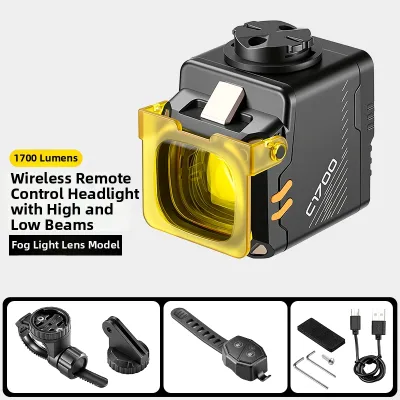
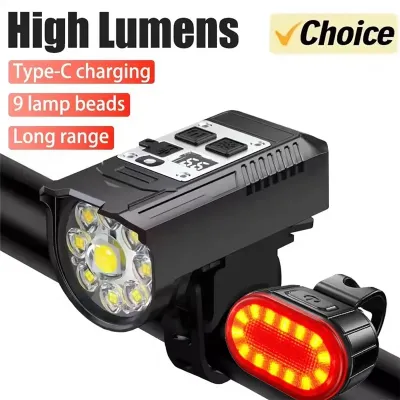
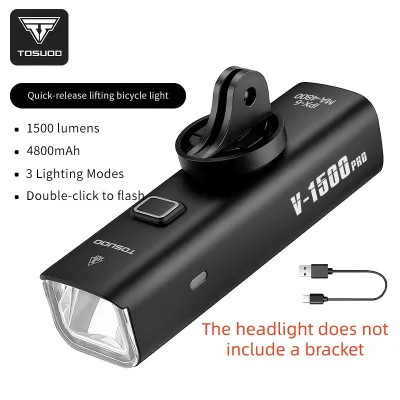
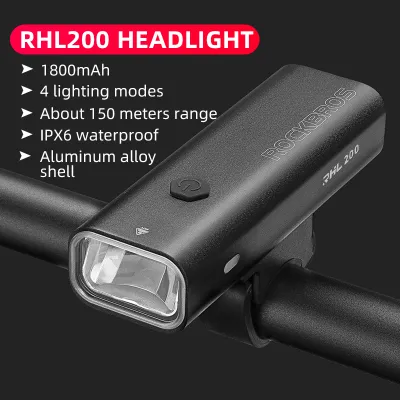
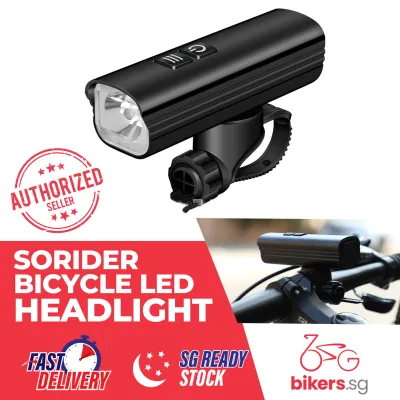
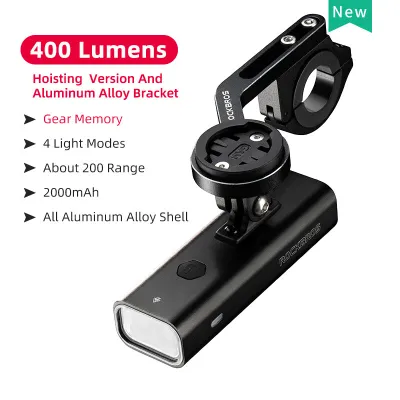
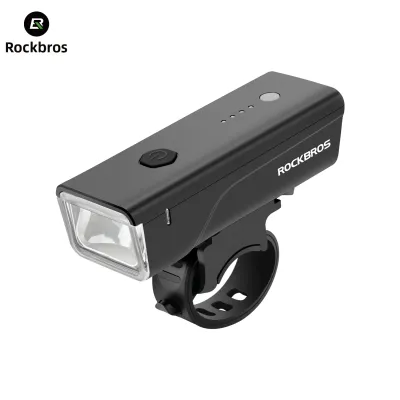
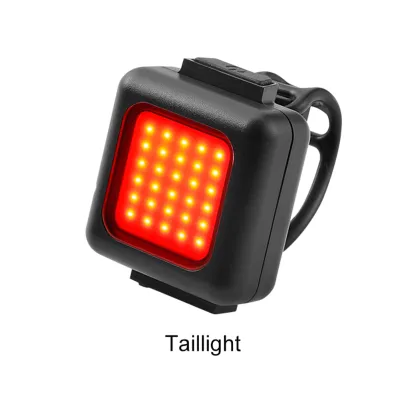
Prices are valid at publication and may change. Please refer to the product page for the latest price.
Balancing Brightness and Beam Pattern to Avoid Overbuying
When browsing for a bicycle head light, it is easy to get caught up in the race for the highest lumen count. For the well-lit paths of the PCN, a light output ranging between 100 and 400 lumens is typically more than enough to keep you visible and help you spot immediate surface changes. Selecting a light within this moderate range keeps the device compact, prevents rapid battery drain, and keeps your purchase cost-effective. It also ensures that the heat generated by the light remains manageable, extending the overall lifespan of the internal electronics.

The shape of the light beam is just as important as its brightness. A narrow spot beam concentrates light into an intense, blinding point, which is highly impractical for shared paths where you need peripheral awareness. A wide flood beam, on the other hand, distributes light evenly across your immediate path, making it easier to see the edges of the track, low-hanging branches, and any nearby pedestrians.
To ensure you do not disrupt others, look for lights that feature a distinct cut-off line or built-in anti-glare shields. These designs direct the light downward toward the ground rather than upward into the eyes of oncoming path users. Checking product specifications for terms like ‘urban beam shape’ or ‘anti-glare lens’ is an excellent way to verify this feature before buying, helping you avoid high-intensity models that lack proper beam shaping.
Practical Hardware: Battery, Mounting, and Weather Checks
Power management is a key consideration for regular riders. Built-in rechargeable lithium-ion batteries, usually charged via USB, offer excellent convenience and consistent power output for typical urban commutes or evening fitness rides. If you prefer longer weekend rides, verify the manufacturer’s runtime specifications on lower or flashing modes to ensure the battery will last the entire duration of your journey. Some models also feature battery level indicators, which are highly useful for preventing unexpected blackouts mid-ride.
Your light must also remain stable throughout your ride. While PCN paths are generally smooth, you will regularly encounter speed bumps, curb transitions, and textured paving stones. Check that the mounting bracket uses a secure, tool-free strap or a solid clamp that prevents the light from slipping or pointing upward after a sudden jolt. A light that vibrates out of position can quickly become a distraction or a hazard, requiring you to stop and adjust it repeatedly.
Finally, local weather conditions require robust environmental protection. Sudden, heavy tropical rain showers are common, making water resistance a non-negotiable feature. Look for a light with a verified ingress protection rating, such as IPX4 or higher, which indicates the unit can withstand splashes from any direction. Ensuring the charging port has a tight, rubberized seal is a simple check that can prevent water damage and prolong the lifespan of your equipment, saving you from premature replacements.
Frequently Asked Questions (FAQ)
Are there specific legal requirements for bicycle lights in Singapore?
Yes, local traffic regulations mandate that bicycles must be equipped with a functioning front light that casts a white beam and a rear light that casts a red beam during hours of darkness. These lights must be switched on from dusk to dawn to ensure you are visible to other road and path users from a reasonable distance. It is important to verify current local guidelines to ensure your lighting setup remains fully compliant with active transport regulations.
Can I just use my phone flashlight or a cheap clip-on light?
While a phone flashlight or a basic, low-cost clip-on light might seem like a quick fix, they are not suitable primary headlights. Phone flashlights lack a focused beam pattern, scatter light inefficiently, drain your phone’s battery rapidly, and are difficult to mount securely to handlebars. Cheap clip-on lights often lack the necessary brightness to make you visible from a safe distance and rarely offer the water resistance needed to survive a sudden downpour. Investing in a dedicated bicycle head light ensures reliable illumination and durability.
Do I still need a rear light if the Park Connector Network is well-lit?
Absolutely. While a front head light helps you see and alerts oncoming traffic, a red rear light is crucial for ensuring you are visible to those approaching from behind, such as faster cyclists or personal mobility device users. Ambient street lighting can easily wash out your silhouette, making you difficult to spot until a rider is dangerously close. Pairing your front light with a rear light provides essential 360-degree visibility on shared paths.
Community discussion
Share your experience or ask a question. Comments are reviewed before publication.