
To find the right bicycle pannier bag for Singapore’s Park Connector Network (PCN), you should look for a balance of reliable weatherproofing, secure mounting systems, and a compact size. Because PCN riding is typically recreational and involves frequent stops, your bag needs to be easy to attach and carry off the bike. Selecting a model that matches your specific bicycle rack and cargo needs will keep your gear safe and dry without compromising your balance on shared paths.
Understanding Your PCN Riding Environment
Singapore’s PCN is a highly integrated network of paved, relatively flat paths that connect parks, residential estates, and coastal areas. While the terrain is generally smooth and easy to navigate, the environment presents specific challenges that dictate your choice of gear.
First, the tropical climate brings sudden, intense rainstorms alongside high humidity. A bag that cannot withstand a sudden deluge will leave your spare clothes, phone, or wallet soaked within minutes.
Products mentioned in this guide
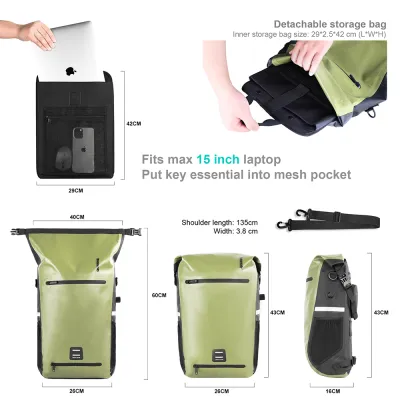
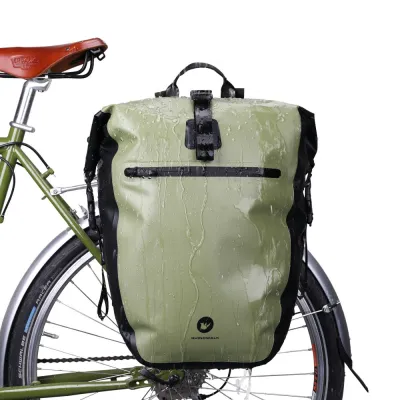
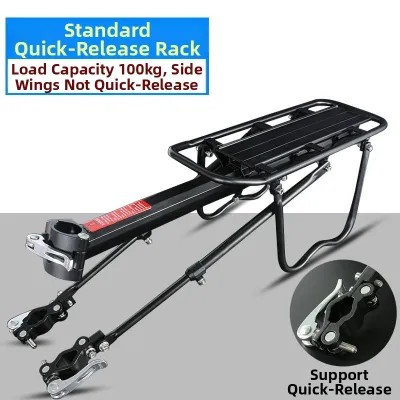
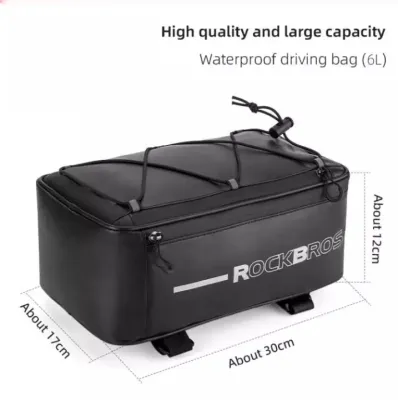
![[SG SELLER] Waterproof Bicycle Basket Front Bicycle Bag Cycling Handlebar Pannier Large Capacity MTB Bike Pet Carrier Bag](https://img.lazcdn.com/g/p/167f76a80c404311245f8de1979bb2c3.jpg_400x400q80.jpg_.webp)
Prices are valid at publication and may change. Please refer to the product page for the latest price.
Second, the PCN is a shared space. You will share the paths with pedestrians, runners, active mobility device users, and other cyclists. This means you need a streamlined setup that does not widen your bicycle’s profile excessively, allowing you to navigate narrow sections and tight turns safely.
Finally, recreational PCN riding is highly stop-and-start. Whether you are pausing to take photos along the Marina Bay loop, grabbing a bite at a local hawker center, or resting at a park shelter, you will frequently leave your bicycle. Your pannier needs to be highly portable so you can carry your valuables with you easily.
Evaluating Weather Resistance and Visibility
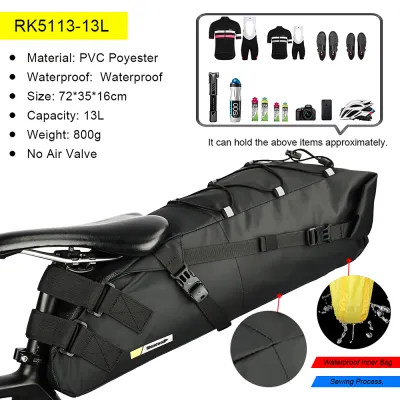
When assessing weather protection, you will generally choose between fully waterproof welded materials and water-resistant fabrics paired with an integrated rain cover. Fully waterproof panniers, often made from heavy-duty polyurethane or coated nylon with welded seams, offer reliable protection against heavy downpours. These bags typically feature a roll-top closure that prevents water from seeping through zippers.

Alternatively, water-resistant fabric bags are often lighter and offer more internal pockets for organization. However, they rely on a separate high-visibility rain cover to stay dry during a storm. If you choose this option, verify that the rain cover fits snugly and can be secured tightly so it does not blow away in strong winds.
Visibility is another critical safety factor, especially if you enjoy early morning or late-night rides along the PCN. Look for panniers equipped with highly reflective strips or dedicated attachment loops for safety lights. Since some sections of the park connectors run under bridges or through dimly lit forested areas, having reflective elements on the rear and sides of your bag helps other path users spot you from a distance.
Because you will likely transition from riding to walking, evaluate how the bag carries off the bike. Some panniers feature quick-attach shoulder straps or hidden backpack harnesses. Check if the mounting hardware on the back of the bag is recessed or covered by a padded flap, which prevents the hard plastic clips from rubbing against your hip or shoulder while you walk.
Sizing Your Bag for Recreational Cargo
For recreational PCN rides, you do not need massive, expedition-sized panniers designed for multi-day touring. Carrying excessive weight or using oversized bags adds unnecessary bulk, making it harder to balance and maneuver on crowded paths.
Instead, focus on a capacity that matches your actual daily cargo. A typical recreational ride requires space for a water bottle or hydration bladder, a lightweight rain jacket, some snacks, a basic bicycle repair kit, and personal items like your phone and keys. A single medium-sized side pannier (typically around 10 to 15 liters) is usually more than sufficient for these essentials.
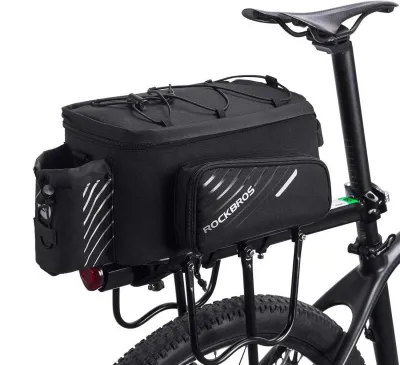
If you prefer a balanced setup, you can opt for a pair of smaller front or rear panniers. Alternatively, a trunk-style top bag that mounts directly onto the flat top of your rear rack is an excellent, aerodynamic choice. Trunk bags keep the sides of your bicycle completely clear, which minimizes the risk of brushing against railings or other path users.
Before purchasing, lay out the items you plan to carry regularly. This exercise helps you avoid buying a bag that is too large, which often leads to overpacking and unnecessary physical strain during your ride.
Verifying Mounting Systems and Rack Compatibility
A pannier bag is only as good as its connection to your bicycle. Before buying, you must verify that the bag’s mounting system is fully compatible with your existing rear or front rack.
Most modern panniers use a hook-and-latch system that clips onto the top rail of the rack. Check the hook sizes and look for bags that include adjustable inserts or spacers. These inserts allow the hooks to fit different rack tube diameters snugly, preventing the bag from rattling or sliding forward when you brake.
The lower attachment point is equally important. Look for a system that features an adjustable lower hook, clip, or bungee anchor. This lower anchor secures the bottom of the pannier to the rack’s vertical struts, preventing the bag from swaying outward during turns or bouncing when you ride over speed bumps and tactile paving.
Additionally, check the manufacturer’s stated weight limits for both your bicycle rack and the pannier bag. Overloading a rack can compromise your bicycle’s frame integrity and alter its handling characteristics. Ensure that the bag’s mounting hardware is made of durable, impact-resistant materials that can withstand the vibrations of regular riding.
Managing Weight, Security, and Tropical Maintenance
Proper weight distribution is essential for maintaining stability and steering control on the PCN. Always place heavier items, such as tools or full water bottles, at the bottom of the pannier bag and as close to the wheel axle as possible. Keeping the center of gravity low prevents the bicycle from feeling top-heavy or swaying unpredictably when you stand up to pedal.
Security is a primary concern when stopping at public areas along the PCN. Since most panniers can be detached in seconds, never leave your valuables—such as your phone, wallet, or expensive electronics—unattended in the bags. Choose a pannier with a reliable quick-release mechanism that allows you to unclip the bag instantly and carry it with you into shops or cafes.
Singapore’s high humidity and frequent rain require a dedicated maintenance routine to keep your gear in good condition. After a wet ride, never leave your pannier packed or closed. Empty the contents immediately, wipe down the exterior to remove road grime, and open all compartments fully.
Hang the bag in a well-ventilated, shaded indoor area to dry completely. Storing a damp pannier in a closed cupboard will quickly lead to mold, mildew, and unpleasant odors, which can degrade the fabric and seam seals over time.
Frequently Asked Questions (FAQ)
Is a pannier bag better than a backpack for casual PCN rides?
Yes, a pannier bag is generally much more comfortable than a backpack for casual rides in Singapore’s warm climate. Wearing a backpack traps heat against your back, leading to excessive sweating and discomfort. Transferring the weight of your gear to a pannier keeps your body cool, lowers your center of gravity, and reduces strain on your shoulders and neck, making your ride far more enjoyable.
Can I mount a pannier bag on a folding bicycle?
Yes, you can mount a pannier bag on a folding bicycle, but you must check for specific compatibility constraints. Folding bikes have smaller wheels and shorter chainstays, which can cause your heels to strike the bag while pedaling. To avoid this, look for compact panniers or racks that position the bag further rearward. Additionally, ensure the bag does not interfere with the folding mechanism or exceed the rack’s weight capacity.
Community discussion
Share your experience or ask a question. Comments are reviewed before publication.