
Choosing the right bicycle rear rack bag in Singapore comes down to matching your daily riding volume with the island’s unique tropical climate and infrastructure. Whether you are cruising the scenic, well-paved paths of the Park Connector Network (PCN) on a weekend or navigating the bustling roads of the Central Business District during a morning rush hour, your bag must keep your gear secure, dry, and easy to carry. The ideal choice balances quick-release convenience for office transitions with robust weatherproofing to handle sudden afternoon downpours. By focusing on your specific cargo requirements, mounting compatibility, and wet-weather defense, you can select a bag that enhances your ride without compromising your bicycle’s stability.
Identifying Your Cargo and Weather Needs
To find the right bag, start by assessing what you carry on a typical journey. Weekend leisure rides along the PCN generally require minimal gear, such as a water bottle, basic tools, a mobile phone, and perhaps a light windbreaker or camera. For these relaxed trips, a compact bag that sits neatly on top of your rack keeps your bicycle nimble and lightweight.
In contrast, a daily commute to the office demands significantly more capacity and organization. You will likely need to transport a laptop, charging cables, a change of professional attire, toiletries, and perhaps a packed lunch. This shift in cargo volume requires a larger storage solution that can keep heavy electronics isolated from damp clothing or lunch containers.
Products mentioned in this guide
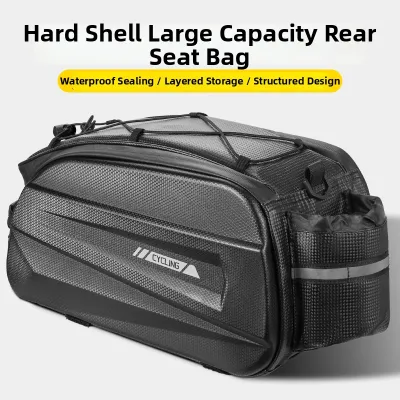
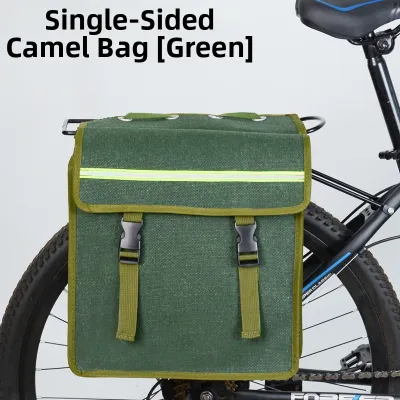
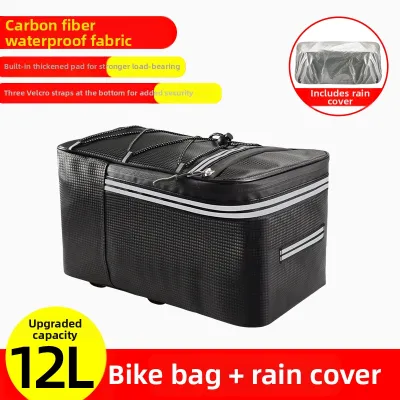
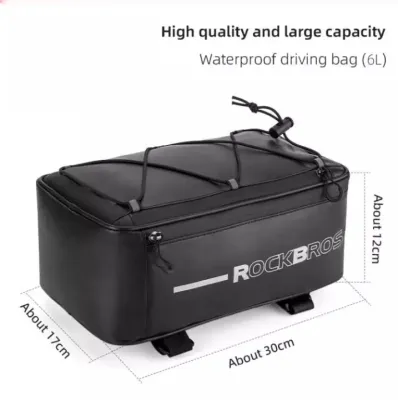
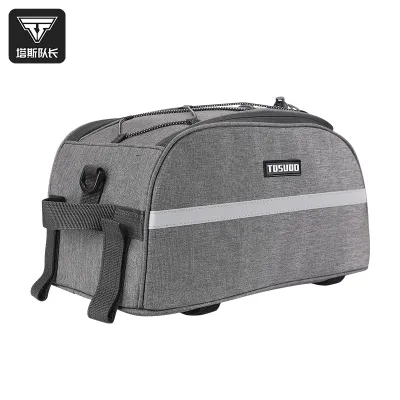
Prices are valid at publication and may change. Please refer to the product page for the latest price.
Singapore’s tropical climate introduces a constant variable: sudden, heavy rain. A passing monsoon shower can saturate non-waterproof gear within seconds, making reliable weather protection a necessity rather than an optional luxury. If you commute year-round, you must prioritize bags that offer immediate, reliable defense against water ingress, ensuring your expensive work devices remain completely dry.
Additionally, consider what happens when you reach your destination. A bag that is difficult to detach or awkward to carry on foot becomes a major inconvenience at the office, gym, or cafe. Look for designs that feature integrated carrying handles, detachable shoulder straps, or hidden backpack harnesses so you can transition from cyclist to pedestrian seamlessly.
Comparing Bag Styles and Mounting Mechanisms
Bicycle rear rack bags generally fall into two primary categories: top-mounted trunk bags and side-mounted panniers. Trunk bags sit directly on top of the rear rack, offering a streamlined profile that keeps your bicycle narrow. This compact design is excellent for navigating crowded PCN paths where wide loads might accidentally clip barriers or other path users.

Side panniers hang down on one or both sides of the rear wheel, providing a much larger storage capacity. By carrying the weight lower down, panniers lower your bicycle’s center of gravity, which significantly improves stability and handling when transporting heavy loads like laptops and books. For balanced riding, many commuters prefer using a single pannier for moderate loads or a matching pair for heavier gear.
The method used to attach the bag to your rack is critical for daily convenience. Quick-release rail systems use spring-loaded hooks that snap securely onto the rack’s side rails and release instantly with the pull of a handle. This system is highly recommended for daily commuters who frequently mount and remove their bags throughout the day.
Occasional riders or those on a budget might opt for strap-and-bungee mounting systems. While these hook-and-loop straps are highly universal and can fit almost any rack shape, they require more time and effort to secure properly before every ride. If the straps are not tightened correctly, the bag can shift during transit, potentially affecting your balance.
For the ultimate in urban versatility, convertible bags bridge the gap between bike luggage and personal carry. Some modern panniers feature zip-away mounting hardware that reveals comfortable backpack straps or a padded shoulder harness. This prevents the hard mounting hooks from pressing into your back or side when you are walking around a shopping mall or office building.
Evaluating Weather Resistance and Interior Visibility
When evaluating how a bag handles heavy rain, look closely at its construction materials and sealing methods. Fully waterproof bags are typically constructed from heavy-duty polyurethane or PVC-coated fabrics with high-frequency welded seams rather than traditional stitching. Because there are no needle holes, water cannot penetrate the fabric joints even during prolonged exposure to tropical downpours.
If you choose a water-resistant fabric bag, check if it includes an integrated, high-visibility rain cover. These covers usually store in a dedicated pocket and can be quickly pulled over the bag when the weather turns. While effective for short distances, covers can sometimes let moisture seep in from the underside where the tire throws up road spray, so check that the bottom of the bag is reinforced with a mud-resistant, waterproof panel.
The interior design of the bag also plays a major role in daily usability. Many utility bags feature dark, black interiors that make it incredibly difficult to locate small items like keys, patch kits, or black cables, especially under overcast skies or inside dim parking structures. Choosing a bag with a bright, high-visibility interior lining makes organizing and retrieving your gear much faster.
Managing damp gear is another crucial consideration for tropical commuting. Riding to work in high humidity often means arriving with sweaty activewear that needs to be stored away from your clean office clothes or laptop. Look for bags that feature separate wet-dry compartments, external mesh pockets, or expandable sections to keep damp items ventilated and isolated from your dry valuables.
Rack Compatibility and On-Road Safety Checks
Before purchasing any rear rack bag, you must verify that it is fully compatible with your bicycle’s existing hardware. Rear racks have specific weight limits, often stamped directly on the metal frame, which should never be exceeded. Additionally, measure the diameter of your rack’s tubing, as some quick-release mounting hooks are designed for standard 8mm, 10mm, or 12mm rails and may require plastic inserts to fit securely without rattling.
Heel clearance is a common issue that can ruin an otherwise perfect commuting setup. If a side pannier is mounted too far forward, or if your bicycle has short chainstays (common on road and folding bikes), your heels may strike the front of the bag with every pedal stroke. To prevent this, look for bags with adjustable mounting rails that allow you to slide the bag further back on the rack, or choose panniers with an angled front profile.
Safety on shared PCN paths and public roads is paramount, especially during early morning commutes or evening rides. Ensure any bag you select features prominent reflective strips on the rear and sides to increase your visibility to motorists and other cyclists. Many bags also include dedicated fabric loops designed specifically for clipping on a rear LED safety light, keeping the light visible even when the bag is fully loaded.
Frequently Asked Questions (FAQ)
Can I use a rear rack bag on a full-suspension mountain bike?
Yes, but standard frame-mounted racks are usually incompatible due to the moving rear suspension. Instead, you will need to look for specialized seatpost-mounted racks or adapters that attach directly to the rear axle and seatstays. Keep in mind that seatpost racks typically have much lower weight limits (often around 5kg to 10kg) and can sway slightly during hard pedaling, so you should limit your cargo to lightweight essentials.
How do I clean and maintain the bag after riding in the rain?
After a wet ride, always empty the bag completely and leave it to air-dry in a well-ventilated, shaded indoor area; avoid direct, harsh sunlight which can degrade waterproof coatings over time. Use a soft cloth and clean water to wipe away road grit, mud, and salt from the zippers and mounting hardware. Avoid using harsh chemical detergents or abrasive brushes, as these can strip away the water-repellent finishes and damage welded seams.
Community discussion
Share your experience or ask a question. Comments are reviewed before publication.