
To protect a bicycle from Singapore’s intense tropical downpours and persistent high humidity, a high-quality bike cover must offer more than basic water resistance. The ideal cover combines a high waterproof rating with active ventilation features, such as breathable fabrics or dedicated air vents, to prevent moisture from trapping underneath. Additionally, it requires robust UV-resistant treatments to withstand year-round solar degradation, heat-sealed or taped seams to block water ingress, and a secure fastening system to keep the cover anchored during sudden monsoon gusts.
Selecting a cover with these specific features ensures your bicycle remains dry, rust-free, and structurally sound even when stored outdoors. While a basic plastic sheet might save you a few S$ upfront, investing in a purpose-built cover prevents costly component replacements down the road.
Why Standard Covers Fail in Tropical Climates
Singapore’s climate presents a unique double threat to outdoor bicycle storage: torrential rainfall and near-constant high humidity. Standard, budget-friendly bike covers are often designed for temperate climates where rain is light and seasonal. When subjected to a sudden tropical downpour, these basic materials can quickly saturate, allowing water to seep directly onto your bike’s chain, gears, and frame.
Products mentioned in this guide
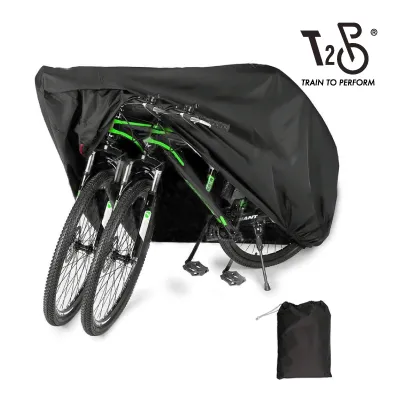
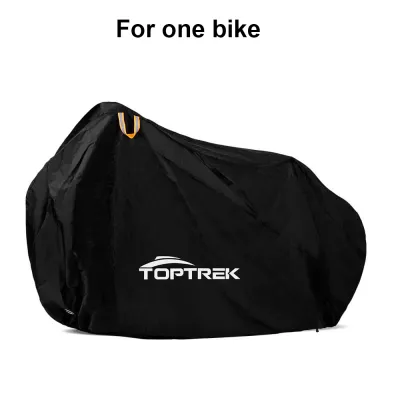
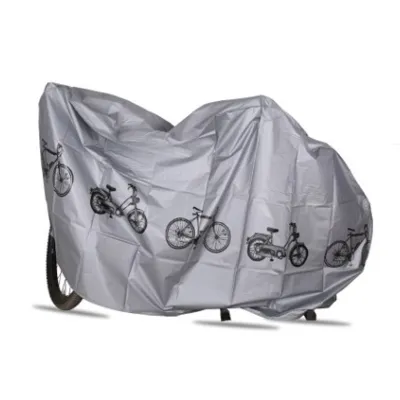
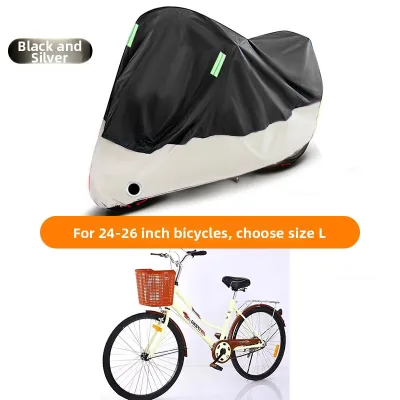
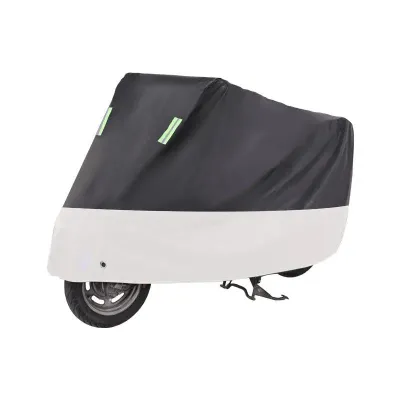
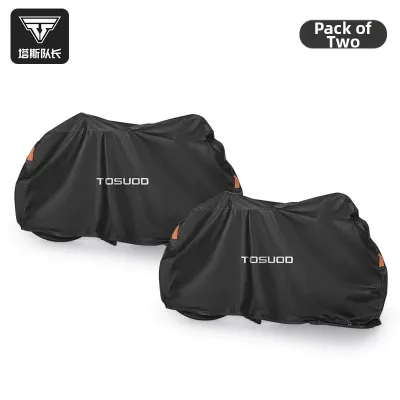
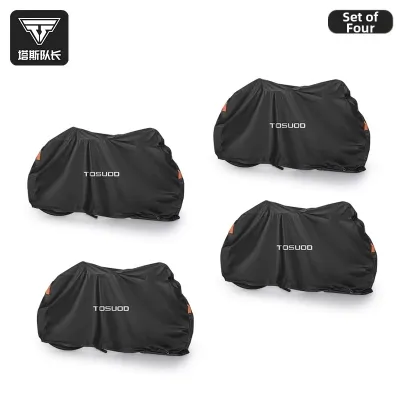
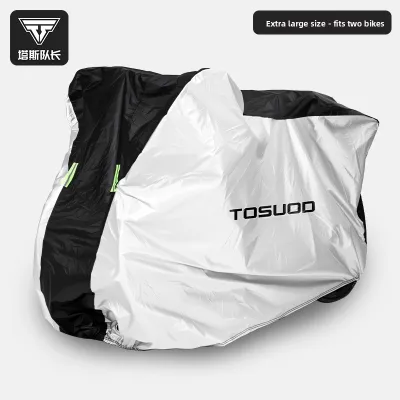
Prices are valid at publication and may change. Please refer to the product page for the latest price.
Even if a basic cover successfully keeps the rain out, it often creates a greenhouse effect underneath. High humidity levels mean the air is already saturated with moisture. When the sun emerges after a storm, the temperature under a non-breathable cover spikes rapidly, causing trapped water vapor to condense on the cool metal surfaces of your bicycle. This constant cycle of condensation and heat accelerates rust and corrosion on critical components like the drivetrain, brake cables, and suspension stanchions.
Furthermore, the intense, year-round ultraviolet (UV) radiation in tropical regions rapidly degrades untreated fabrics. Standard plastics and low-grade polyesters become brittle, fade, and tear easily after only a few months of exposure. Without specialized UV inhibitors woven into the fabric, a basic cover will quickly lose its structural integrity, leaving your bicycle vulnerable to the elements.
Essential Material Features for Heavy Rain and Moisture
When evaluating a bike cover for tropical conditions, the fabric composition and construction quality are your primary lines of defense. Rather than relying on vague marketing terms like “water-resistant” or “weatherproof,” look for technical specifications on the product packaging or manufacturer’s website.

First, verify the waterproof rating of the material, often measured as a hydrostatic head rating in millimeters. A higher rating indicates the fabric can withstand greater water pressure before leaking. For heavy monsoon seasons, look for covers with a rating of at least 2000mm or higher. This level of protection ensures that even during prolonged, driving rain, water molecules cannot penetrate the textile fibers.
Second, prioritize materials that offer breathability or incorporate moisture-wicking inner linings. High-performance covers often utilize specialized synthetic blends, such as heavy-duty ripstop nylon or high-denier polyester (such as 210D, 300D, or 600D), treated with a breathable polyurethane (PU) coating. These fabrics allow microscopic water vapor molecules to escape from the inside while preventing larger liquid water droplets from entering from the outside. This active moisture management is crucial for preventing the damp microclimate that fosters rust.
Third, ensure the fabric has been treated with a dedicated UV-resistant coating, often labeled as UV 50+ or UV-proof. This treatment reflects harmful ultraviolet rays, protecting both the cover itself from becoming brittle and your bike’s plastic components, saddle, and paintwork from fading and cracking under the sun.
Finally, closely inspect the seam construction. The strongest waterproof fabric will still fail if water can seep through the needle holes. High-quality tropical bike covers feature double-stitched seams that are heat-sealed or taped on the underside. This manufacturing process applies a waterproof tape over the stitched lines, completely sealing the punctures and ensuring a fully watertight barrier.
Design Elements That Keep the Cover Secure and Dry
Beyond the material itself, the physical design and structural features of the cover determine how well it performs during a storm. A loose, poorly designed cover can act like a sail, catching strong winds during a thunderstorm and blowing away, or worse, knocking your bicycle over.
To prevent this, look for robust tie-down systems. An effective cover should feature a strong elastic hem at both the front and rear to snugly hug the wheels. Additionally, adjustable buckle straps that pass underneath the bike frame are essential. These straps anchor the cover securely, preventing wind from lifting it from the bottom. Adjustable drawstrings at the midsection can also help customize the fit, reducing excess fabric that might flap in the wind.
Security is another critical design consideration, especially for bikes parked in shared residential spaces or public corridors. Look for covers equipped with reinforced grommets or dedicated lock holes near the front and rear wheels. These openings, often lined with rust-proof metal or heavy-duty fabric loops, allow you to pass a U-lock or cable lock through both the cover and the bike frame, securing them to a fixed rack without exposing the rest of the bicycle to the rain.
Visibility features are also highly beneficial. If your bicycle is parked near walkways, driveways, or communal parking areas, choose a cover with integrated reflective strips or high-visibility loops. This ensures that neighbors, delivery riders, and drivers can easily spot the parked bicycle in low-light conditions or during heavy downpours, reducing the risk of accidental collisions.
Lastly, the overall shape of the cover should promote natural water runoff. Avoid designs that create flat, horizontal sections over the handlebars or rear rack, as these areas can collect standing water. Puddles that pool on top of a cover put constant pressure on the fabric and seams, eventually leading to slow seepage. A tapered, contoured design allows rainwater to slide off immediately, keeping the load light and the interior dry.
Sizing and Fit for Different Bicycle Types
Achieving the right fit is crucial for maximizing the protective qualities of your bike cover. A cover that is too small will leave parts of your wheels or drivetrain exposed to splashing water and road grime, while an oversized cover will sag, collect puddles, and catch the wind.
Before purchasing, take accurate measurements of your bicycle. Use a tape measure to record the total length from the outer edge of the front tire to the outer edge of the rear tire. Measure the height from the ground to the highest point of the handlebars or saddle. Finally, measure the width across the widest part of the handlebars. If you have added accessories such as a child seat, a front basket, rear pannier bags, or wide mudguards, make sure to measure the bike with these items installed, as they significantly alter the required dimensions.
Compare your measurements against the manufacturer’s size chart. It is generally advisable to select a cover that offers a few centimeters of extra clearance on all sides. This slight buffer makes the cover easier to put on and take off, and it promotes healthy airflow underneath. However, avoid buying a size that is excessively large, as loose, sagging fabric will collect water and flap violently during windy storms.
If you need to store two bicycles closely together, consider a dedicated multi-bike cover. When choosing a multi-bike option, carefully check the specified width and wheelbase capacity. Ensure the cover is designed to accommodate the alternating handlebar positions of two adjacent bikes without stretching the fabric to its breaking point.
Maintenance and Care to Extend Cover Lifespan
Even the most durable bike cover requires regular maintenance to preserve its waterproof and UV-resistant properties in Singapore’s harsh climate. Proper care prevents the buildup of dirt, mold, and environmental pollutants that can degrade the fabric over time.
Always follow the manufacturer’s specific cleaning instructions. As a general rule, avoid placing your bike cover in a washing machine or tumble dryer, as the mechanical agitation and heat can strip away the waterproof PU coatings and damage taped seams. Instead, clean the cover manually while it is draped over the bicycle or spread flat on a clean surface. Use a soft-bristled brush or sponge, lukewarm water, and a mild, non-detergent soap. Gently scrub away dirt, bird droppings, and tree sap, then rinse thoroughly with clean water.
Allowing the cover to dry completely is the most critical step in preventing mold and mildew. Never fold and pack away a damp cover, as the trapped moisture will quickly lead to mold growth, which can rot the fabric and create unpleasant odors. Hang the cover in a shaded, well-ventilated outdoor area until it is bone dry before storing it in its carrying pouch.
Periodically inspect your cover for signs of wear and tear. Check the inner lining for peeling or flaking coatings, and examine the seams for loose threads or lifting tape. If you notice that water has stopped beading on the outer surface and is instead soaking into the fabric, you can restore its water repellency. Apply a high-quality, fabric-safe waterproofing spray designed for outdoor gear, ensuring the cover is clean and dry before application.
Frequently Asked Questions (FAQ)
Can I use a standard tarp instead of a dedicated bike cover?
While a standard plastic tarp is inexpensive and waterproof, it is not an ideal substitute for a dedicated bike cover. Tarps lack a tailored shape, meaning they will sag, collect large puddles of water, and flap loudly in the wind. They also lack built-in ventilation vents, which traps humid air underneath and accelerates rust on your bicycle. Additionally, the stiff, abrasive texture of a heavy-duty tarp can scratch your bike’s paintwork and damage delicate components when dragged on and off.
How often should I clean my bike cover in a humid environment?
In a humid, tropical environment, you should perform a quick visual inspection of your bike cover every few weeks. Look for accumulations of dust, bird droppings, tree sap, or early signs of black mold spots. A light rinse with clean water every month is usually sufficient to remove surface grime and maintain fabric breathability. Perform a deeper clean with mild soap whenever the cover looks visibly soiled or after a prolonged period of heavy monsoon storms.
Do I need a lock hole in my bike cover?
Yes, a lock hole is highly recommended if you store your bicycle in public or shared spaces, such as HDB corridors, void decks, or outdoor bike racks. Built-in lock holes allow you to secure your bike frame and wheels directly to a fixed anchor point without having to lift or remove the cover. Ensure the lock holes are reinforced with rust-proof metal grommets or heavy-duty double stitching to prevent the fabric from tearing under the weight and friction of a heavy chain or U-lock.
Community discussion
Share your experience or ask a question. Comments are reviewed before publication.