
Storing a bicycle inside a compact Singapore HDB flat or condominium requires a smart balance between protecting your gear and preserving precious floor space. With the expansion of the Park Connector Network (PCN), cycling has become a staple lifestyle activity, yet parking a road bike, foldable bike, or mountain bike in a narrow entryway can quickly block daily traffic. A dedicated bike storage cabinet offers an elegant solution, keeping your frame, helmet, and maintenance tools organized while blending seamlessly into your home decor. To find the right fit, you must evaluate your apartment’s layout, your bike’s physical dimensions, and the structural limits of your walls.
Assessing Your Space and Bike Dimensions
Before browsing online marketplaces or local furniture stores, grab a measuring tape to record your bicycle’s exact physical footprint. Measure the total length from the outer edge of the front tire to the back tire, the maximum height from the floor to the handlebars or saddle, and the total width of the handlebars. Do not forget to account for protruding components such as wide mountain bike pedals, front baskets, or rear luggage racks, as these accessories can add several centimeters to the required cabinet depth.
Next, analyze your apartment floor plan to identify underutilized areas that can accommodate a storage unit. Look for dead spaces, such as the end of a long hallway, the area behind a living room sofa, or a recessed alcove near the entryway. In Singapore’s compact apartments, every square centimeter counts, making these awkward corners ideal candidates for a dedicated cycling station.
Products mentioned in this guide
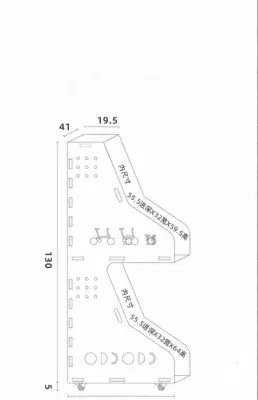
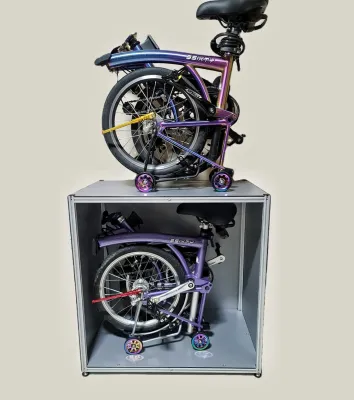
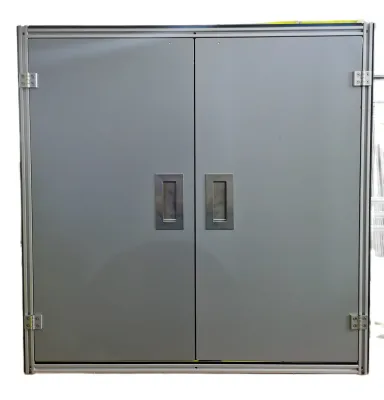
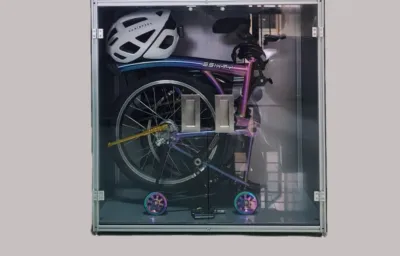
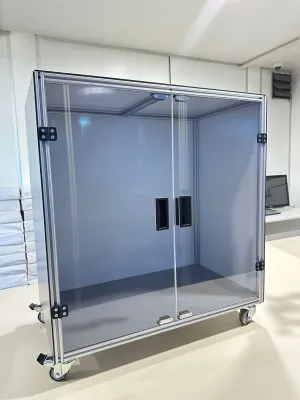
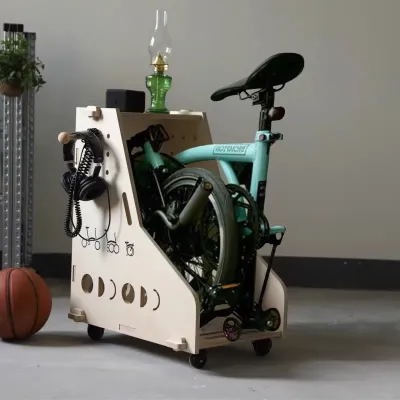
Prices are valid at publication and may change. Please refer to the product page for the latest price.
Finally, map out the traffic flow around your proposed storage location. Ensure that the cabinet’s footprint does not obstruct main walking paths, emergency exit routes, or the swing radius of nearby doors and built-in wardrobes. You need to simulate the physical act of retrieving and storing the bicycle to ensure you have enough room to maneuver without scraping your walls or bumping into other furniture.
Types of Space-Saving Bike Cabinets
When selecting a cabinet style, the primary decision lies between vertical and horizontal configurations. Vertical floor-standing cabinets store the bicycle upright on its rear wheel, which drastically reduces the floor footprint and makes them highly suitable for narrow entryways or tight balcony corners. However, this setup requires sufficient ceiling height and requires you to lift the front end of the bike every time you store it, which might be challenging with heavier commuter models.

Horizontal cabinets, on the other hand, keep both wheels on the ground or store the bike horizontally along a shelf. While they occupy more floor area, they offer easier roll-in access and often feature integrated top shelving for helmets, shoes, and pump storage. If floor space is exceptionally scarce, wall-mounted or fold-down cabinets elevate the bicycle entirely off the ground, reclaiming valuable floor space for daily living. These units often feature fold-away brackets or decorative front panels that hide the mounting hardware when the bike is out on a ride.
You must also choose between fully enclosed lockers and open-frame shelving units equipped with fabric or rigid covers. Enclosed wooden or metal cabinets provide a clean, minimalist aesthetic that completely hides the bicycle from view, protecting it from household dust and curious pets. However, they tend to have a larger visual bulk and require careful placement to avoid making a small room feel cramped. Open-frame shelving with a lightweight fabric cover offers a softer visual profile and greater flexibility, though it provides less physical protection against accidental bumps.
Installation and Clearance Requirements
Installing a bike storage cabinet—especially a wall-mounted or tall vertical unit—demands careful attention to structural safety. If you opt for a wall-mounted cabinet, you must verify the load-bearing capacity of your walls. In Singapore, interior walls in HDB flats and condos can range from solid concrete to lightweight drywall or partition boards. Heavy loads must be anchored directly into concrete walls or structural wall studs; mounting a heavy bicycle cabinet onto unsupported drywall can lead to catastrophic structural failure. If you are unsure of your wall composition, consult a qualified professional installer or check your building’s renovation guidelines.
For freestanding tall cabinets, floor leveling is critical to prevent tipping hazards. Many Singapore apartments feature slight floor slopes, particularly near balconies or wet areas. Use a spirit level to check the floor surface, and choose cabinets with adjustable leveling feet to ensure absolute stability. Securing tall units to the wall with anti-tip safety straps is highly recommended, especially in households with children or pets.
Additionally, calculate the operational clearance required to use the cabinet comfortably. You must allow enough clearance in front of the unit to fully open the cabinet doors, extend any folding mechanisms, and comfortably lift or roll the bicycle out. A cabinet that fits perfectly when closed but blocks the entire hallway when opened will quickly become a daily frustration.
Evaluating Build Quality and Security Features
A reliable bike storage cabinet must be built to withstand the weight of your cycling gear over years of daily use. Always check the manufacturer’s specifications for the maximum weight capacity of both the main bike hangers and the individual storage shelves. Ensure the structural frame is rigid enough to support your specific bicycle type, as heavy electric bikes or steel-frame commuter bikes require much sturdier support than lightweight carbon fiber road bikes.
Given Singapore’s tropical climate and high humidity, ventilation is a non-negotiable feature for enclosed cabinets. Without adequate airflow, trapped moisture from wet rides or sweaty gear can quickly lead to mold growth, unpleasant odors, and accelerated rust on your bike’s drivetrain and steel components. Look for cabinets featuring built-in ventilation slots, mesh panels, or louvers that promote continuous air circulation.
Security and hardware quality also warrant close inspection. Examine the durability of the hinges, drawer slides, and wall anchors supplied with the cabinet. If you plan to place the cabinet in a semi-private area, such as a condo corridor or a shared basement space, ensure the unit features robust locking mechanisms or dedicated anchor points where you can secure a secondary U-lock or padlock.
Common Sizing and Placement Mistakes
One of the most frequent errors when purchasing a bike cabinet is ignoring the physical protrusion of the handlebars and pedals. While a cabinet’s external dimensions might seem to fit your space, the internal depth must accommodate the full width of your turned handlebars. Forcing a bike into a cabinet that is too shallow can bend cables, scratch the frame, or prevent the cabinet doors from closing properly.
Another common mistake is placing the storage unit too close to high-traffic zones, such as the immediate entrance of the flat or narrow kitchen walkways. This can create hazardous bottlenecks during busy mornings or emergency evacuations. Always maintain a clear buffer zone around the cabinet to ensure safe passage.
Lastly, do not forget to look up when planning your storage layout. Vertical cabinets and high wall mounts can easily conflict with low-hanging ceiling fans, light fixtures, decorative false ceilings, or wall-mounted air conditioning units. Measure the vertical clearance carefully to avoid blocking air vents or creating safety hazards with moving fan blades.
Frequently Asked Questions (FAQ)
Can I install a wall-mounted bike cabinet on drywall?
Mounting a heavy bike cabinet directly onto standard drywall is highly discouraged due to the risk of structural failure. Drywall lacks the shear strength to support the combined weight of a cabinet and a bicycle. To install safely, you must locate the underlying timber or metal studs using a stud finder and secure the mounting brackets directly into them. If studs are not available in your desired location, or if you are dealing with hollow partition walls, you must use specialized heavy-duty toggle bolts or consult a professional contractor to reinforce the wall structure before installation.
How do I prevent odors and moisture inside an enclosed bike cabinet?
To prevent mold and musty odors in Singapore’s humid climate, never store your bicycle while it is wet from a rainy PCN ride or outdoor commute. Wipe down the frame, tires, and chain with a dry microfiber cloth before placing it inside the cabinet. Additionally, place moisture-absorbing dehumidifier tubs or reusable silica gel packs on the cabinet shelves, replacing them regularly as they saturate. Regularly leaving the cabinet doors open for a few hours during dry days will also help maintain a fresh, dry environment for your cycling gear.
Community discussion
Share your experience or ask a question. Comments are reviewed before publication.