
Selecting the right bottle bag depends entirely on how you move. A bag that sits perfectly on a gym bench will bounce uncontrollably during a road run, while a minimalist running sleeve will fail to hold the gear required for a full-day hike. Matching your carry system to your specific activity ensures your hydration remains secure, accessible, and comfortable.
To make the right choice, you must evaluate how a bag manages weight, how quickly you can access your drink, and how well the materials withstand your environment. By aligning these factors with your primary sport, you can avoid the discomfort of chafing straps, dropped bottles, or inadequate capacity.
Core Selection Criteria for Your Bottle Bag
Before focusing on a specific sport, consider how the bag distributes weight across your body. Handheld sleeves offer immediate access but can tire your hand over long distances, while waist belts keep your center of gravity low but require a snug fit to prevent riding up. Shoulder slings provide a casual, comfortable carry for walking or commuting but swing excessively during high-impact movements. For heavy loads, integrating your bottle bag directly into a backpack harness remains the most stable option.
Products mentioned in this guide
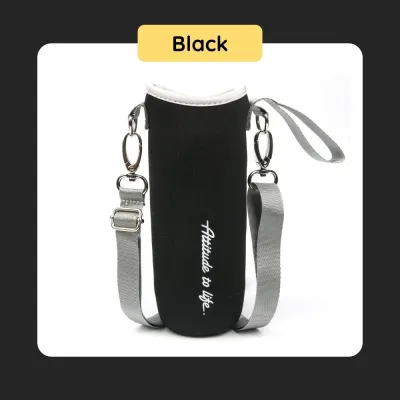
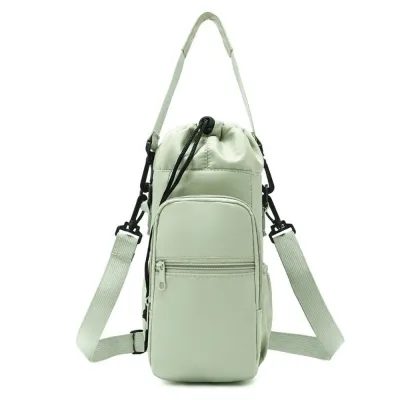
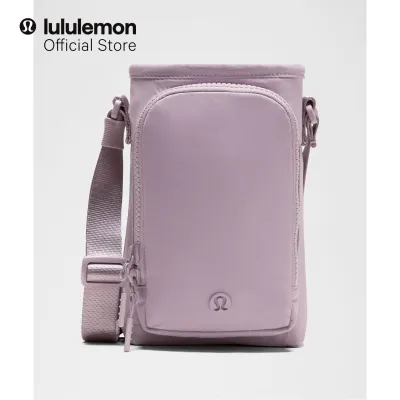
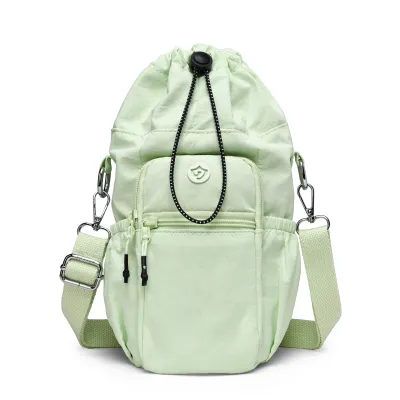

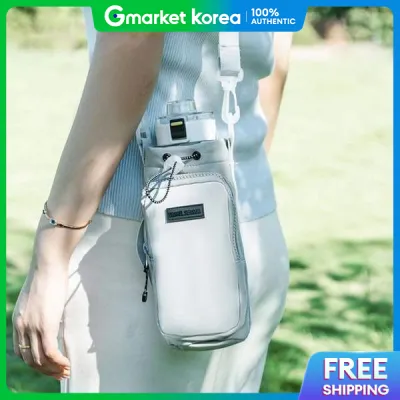

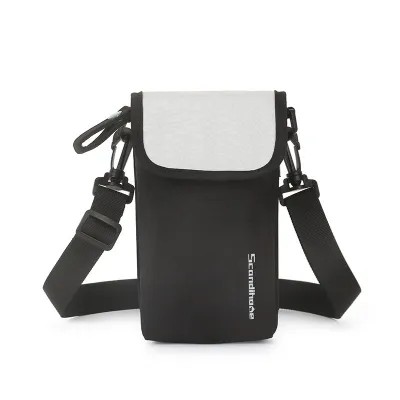
Prices are valid at publication and may change. Please refer to the product page for the latest price.
Accessibility mechanisms directly dictate how easily you can drink on the move. Open-top sleeves and magnetic flaps allow for rapid, one-handed retrieval, making them ideal when you cannot afford to stop. Drawstring closures offer a balance of security and speed, while zippered compartments provide maximum security for rough terrain but require you to pause and use both hands.
Sizing requires careful verification rather than guesswork. Do not rely solely on fluid volume labels like “750ml” or “1 liter,” as bottle shapes vary widely between brands. Instead, measure your bottle’s maximum outer diameter and total height, including the cap or spout, and compare these figures against the bag’s internal dimensions. A tight fit prevents rattling, while a bag that is too small will leave your bottle unstable.
Finally, evaluate the material construction against your typical environment. If you frequently exercise in humid climates or heavy rain, look for water-resistant fabrics like treated nylon or polyester to protect any dry storage compartments. For high-sweat activities, breathable mesh backing helps channel moisture away from your skin, reducing the risk of dampness and irritation.
Best Bottle Bag Features for Gym Workouts
Indoor training and gym sessions demand a bottle bag that prioritizes convenience and organization over rugged trail durability. Because your workout involves moving between stationary machines, benches, and lockers, your bag serves as a portable base camp.

Quick-access designs are highly beneficial in a gym setting. An open-top sleeve or a wide-mouth zippered bag allows you to grab your bottle for a quick sip between sets without interrupting your training rhythm. You do not need complex retention straps or bungee cords when your bag spends most of its time sitting on a clean rubber floor.
Look for a bottle bag that doubles as a personal utility pouch. Selecting a design with dedicated zippered pockets or mesh sleeves allows you to keep your phone, locker key, membership card, and gym towel organized in one place. This eliminates the need to carry a separate duffel bag around the training floor, reducing clutter and keeping your valuables secure.
Hygiene is another critical factor for indoor gear. Gym bags frequently contact sweat-dampened surfaces and occasional protein shake spills, making easy-clean interiors essential. Look for bags featuring removable, wipeable liners or materials treated to resist odor buildup, ensuring your gear stays fresh between washes.
Lastly, consider the physical footprint of the bag. It should be compact enough to slide easily into standard fitness center lockers or fit neatly into the cup holders of cardio machines. Avoid excessively long straps or bulky external attachments that can easily catch on equipment or trip other gym-goers.
Best Bottle Bag Features for Running
Running subjects your gear to continuous, repetitive vertical motion, making stability and weight distribution your primary concerns. Any movement in your bottle bag can lead to chafing, muscle fatigue, or a disrupted stride.
To maintain proper running form, focus on bounce-free carry styles. Running waist belts should feature wide, elasticized bands that sit snugly on your hips, while hydration vests distribute the weight of the water evenly across your chest and upper back. Handheld bottles with integrated hand straps allow you to relax your grip, but they do alter your natural arm swing over longer distances.
Pay close attention to the contact points of the bag. Look for soft, anti-chafe materials and seamless or bound edges along the straps and inner linings. Repetitive arm swings and torso rotations can quickly turn minor friction into painful skin irritation, especially in hot and humid weather. Fully adjustable straps allow you to customize the tension as your bottle empties and the load lightens.
Keep your running setup as lightweight and minimalist as possible. Avoid heavy insulation layers, thick canvas fabrics, or excessive storage compartments that add unnecessary bulk. Every extra gram requires more energy to carry over distance, so prioritize streamlined profiles that hold only your water and essential keys or gels.
Security is paramount when navigating pavements or uneven trails. Ensure the bag features a reliable retention system, such as an adjustable bungee cord or a high-tension elastic collar, to lock the bottle in place. This prevents the bottle from launching out of the holder when you pick up your pace or leap over obstacles.
Best Bottle Bag Features for Hiking
Hiking demands durability, high capacity, and hands-free convenience to handle unpredictable outdoor environments and long hours on the trail. Your gear must withstand rough contact while keeping you hydrated across varying terrain.
For extended day hikes, prioritize high-capacity systems or bags that integrate seamlessly with your existing hiking pack. Look for bottle bags designed to mount directly onto your backpack’s shoulder straps or hip belt, keeping your water within easy reach without requiring you to take off your pack. If you prefer a standalone option, a heavy-duty shoulder sling with an extra stabilizing strap prevents the bag from swinging forward when you bend over.
Examine the material specifications for rugged durability. Trail gear frequently brushes against rocks, branches, and dirt, so look for high-denier fabrics such as ripstop nylon or polyester, reinforced base panels, and robust zippers. These materials prevent tears and protect your bottle from dents during accidental drops.
Thermal performance is highly relevant when spending hours outdoors. If you want to keep your water cool in warm climates, check the manufacturer’s product tags for verified insulation layers. Do not assume all fabric bags offer thermal protection; look for dedicated foil or foam linings designed to slow down heat transfer.
External utility features add significant value on the trail. Look for bottle bags equipped with daisy chains, webbing loops, or carabiner attachment points. These allow you to clip lightweight gear, such as a compass, hand sanitizer, or GPS device, directly to the exterior, keeping your hands completely free to use trekking poles or navigate steep scrambles.
Cross-Scenario Compatibility: Can One Bag Do It All?
If your fitness routine spans the gym, the road, and the trail, you might wonder if a single bottle bag can meet all your needs. While specialized bags perform best in their intended environments, certain hybrid designs offer reasonable versatility.
Modular bottle bags, such as waist belts with removable straps or slings with tuck-away harness systems, allow you to adapt the carry style to the day’s activity. However, keep in mind that hybrid gear often involves compromises. A modular sling might be slightly too bulky for a fast run, or a running belt might lack the storage capacity needed for a long hike.
Some features translate well across all activities, such as basic water resistance and durable zippers. However, specialized requirements like bounce-free compression are non-negotiable for running, while high-capacity storage is essential for hiking.
To decide whether to buy one versatile bag or multiple specialized options, create a personal priority matrix. If running is your primary sport, prioritize a bounce-free running belt first, as using a loose gym sling for running is highly impractical. If you primarily walk or lift weights, a comfortable shoulder sling can easily transition from the gym floor to casual weekend trails.
Frequently Asked Questions (FAQ)
How do I clean a bottle bag to prevent mold and odors?
Always consult the manufacturer’s care label before washing your bottle bag. While some fabric bags are machine-washable on a gentle cycle, many require hand washing with mild soap and warm water to protect water-resistant coatings. After washing, open all compartments and zippers fully, then hang the bag to air-dry completely in a well-ventilated area away from direct sunlight to prevent mold and mildew.
Can I use an insulated bottle bag for hot drinks while running?
Carrying hot liquids during high-impact activities like running carries a significant risk of scalding. Before attempting to carry warm beverages, verify that both your bottle and the bag have verified leak-proof seals that can withstand movement. Avoid carrying near-boiling liquids entirely, as sudden trips, falls, or high-bounce movements can cause accidental spills and severe burns.
What is the best way to measure my bottle for a new bag?
To ensure a secure fit, use a ruler or measuring tape to find your bottle’s maximum outer diameter at its widest point. Next, measure the total height from the base to the very top of the lid, including any loops, caps, or drinking spouts. Compare these exact measurements against the bag’s listed internal dimensions rather than relying on general volume capacities, which do not account for varying bottle shapes.
Community discussion
Share your experience or ask a question. Comments are reviewed before publication.