
Selecting the ideal cycling backpack for Singapore’s Park Connector Network (PCN) depends on balancing your gear requirements with the unique demands of tropical riding. For most recreational cyclists, a capacity between 10 and 20 liters strikes the perfect balance. This range provides enough space to carry sudden-weather essentials, hydration, and personal items without adding unnecessary weight that can cause discomfort during long stretches on the paved paths.
Because the PCN is highly accessible and dotted with amenities, you do not need to carry heavy survival gear, but you must prepare for sudden tropical downpours and high humidity. Choosing the right pack ensures you stay comfortable, dry, and agile throughout your journey.
Assessing Your Ride Duration and Gear Needs on the PCN
Your gear requirements on the PCN will vary significantly depending on whether you are planning a quick evening loop or tackling a major cross-island route like the Coast-to-Coast Trail or the Round Island Route. Short recreational rides of one to two hours require very little equipment. For these brief outings, a minimal setup containing your phone, keys, wallet, and a single water bottle is usually sufficient.
Products mentioned in this guide
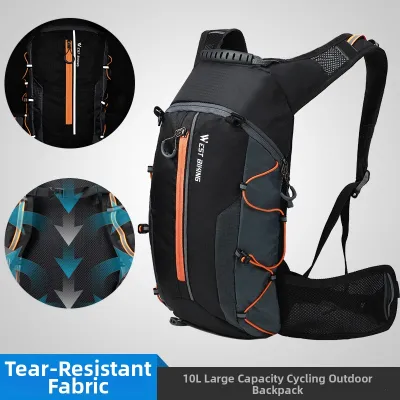
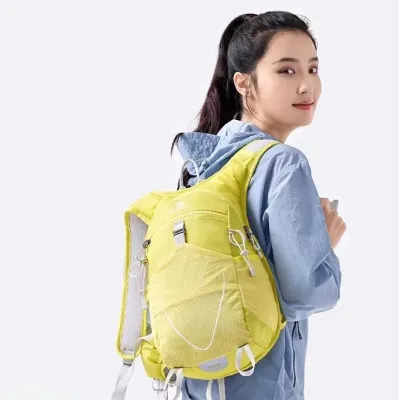
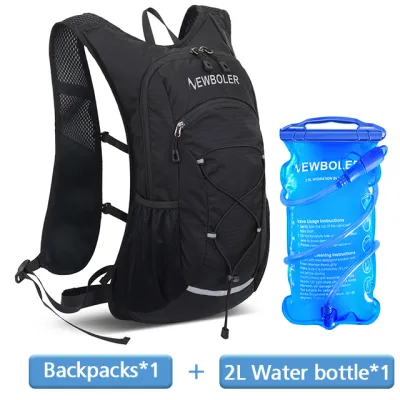
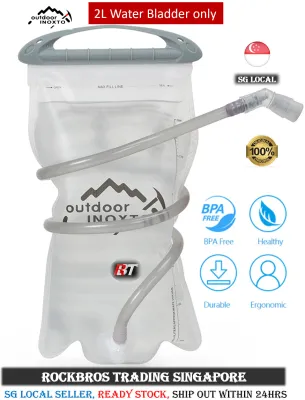
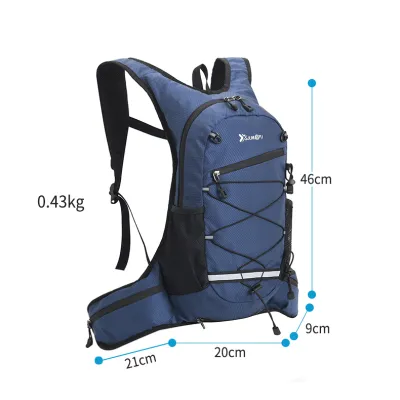
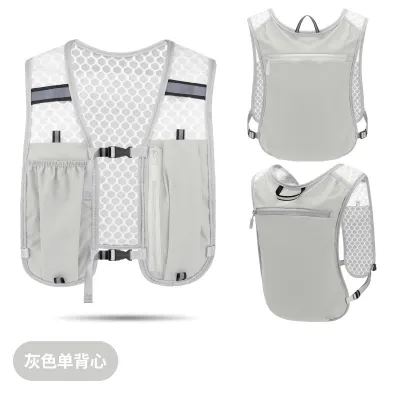
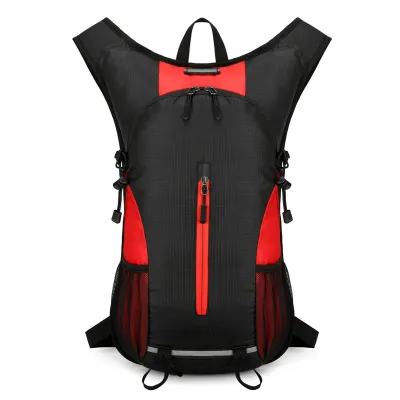
Prices are valid at publication and may change. Please refer to the product page for the latest price.
However, when you transition to full-day excursions that span several hours and cover dozens of kilometers, your packing list must expand to accommodate Singapore’s highly variable weather. The tropical climate demands constant sun protection, meaning you will need space for sunscreen, sunglasses, and perhaps a lightweight UV-protective arm sleeve. Sudden, heavy downpours are common, making a compact, packable rain jacket or poncho an absolute necessity. Additionally, carrying a spare change of clothes is highly recommended if you plan to stop at a cafe or food center along the route, as high humidity ensures you will be damp with sweat.
Fortunately, the PCN is designed with convenience in mind. The network connects numerous public parks, residential estates, and commercial hubs, offering frequent access to convenience stores, hawker centers, and public water coolers. This high density of amenities means you do not need to pack excessive amounts of water or heavy food rations. Instead, you can plan your hydration and nutrition stops along the way, allowing you to keep your backpack light and manageable. Your primary focus when packing should be on personal comfort, weather protection, and basic mechanical self-sufficiency.
Matching Backpack Capacity to Your Ride Duration
To choose the right cycling backpack, it helps to categorize your options into distinct capacity brackets based on your typical riding habits. For short, fast-paced rides or casual weekend spins where you only need the bare essentials, a compact backpack with a capacity of 2 to 10 liters is highly efficient. These low-profile packs are designed to sit snugly against your back, minimizing wind resistance and weight. Within this range, you can easily fit a hydration bladder, a mini-pump, a spare inner tube, tire levers, and your personal electronics. This size keeps you agile and prevents the temptation to overpack.

For full-day adventures or long-distance touring across the island, a medium-capacity backpack of 11 to 20 liters is much more practical. This volume provides the necessary space to store bulkier items, such as a lightweight change of clothes, a compact towel, a basic first-aid kit, and a dedicated rain jacket. It also offers sufficient room for external battery packs to keep your phone or bike computer charged during long navigation sessions. If you plan to carry a camera or purchase snacks along the way, this capacity range ensures you will not have to struggle to zip your bag shut.
When evaluating different models, do not rely solely on the manufacturer’s stated liter capacity, as different brands measure volume in various ways. Instead, examine the physical dimensions of the pack and check how the compartments are organized. A backpack with a single large compartment might feel restrictive, whereas a model with dedicated pockets for tools, electronics, and wet gear allows for much better weight distribution. Look for external attachment points, such as helmet loops or expandable mesh pockets, which can temporarily increase your carrying capacity without requiring a physically larger bag.
Essential Backpack Features for Singapore's Tropical Climate
Riding in Singapore’s year-round heat and humidity requires a backpack specifically engineered to manage sweat and moisture. The most critical feature to look for is an advanced back-panel ventilation system. Many cycling-specific backpacks utilize suspended mesh frames or deep foam ridges covered in breathable mesh. These designs create a physical gap between your back and the main body of the pack, allowing air to flow freely and significantly reducing heat buildup. Without adequate ventilation, a flat-backed pack will trap sweat, leading to rapid overheating and skin irritation.
Water protection is another non-negotiable feature for tropical cycling. While many backpacks feature water-resistant fabrics, these materials can still saturate during a heavy tropical thunderstorm. To protect your valuable electronics, spare clothing, and wallet, look for a backpack that includes a high-visibility, built-in rain cover that stows away in a dedicated bottom pocket. For absolute peace of mind, consider packing your most sensitive items inside lightweight, roll-top dry bags before placing them inside your backpack. This dual-layer approach ensures your gear remains dry even if you have to ride through a sudden downpour to reach the nearest shelter.
Finally, consider how you prefer to access water during your ride. Many cycling backpacks feature internal sleeves and routing ports for a hydration reservoir, which allows you to drink hands-free through a tube while keeping your eyes on the path. This is highly convenient for maintaining a steady pace. However, if you prefer the simplicity of sports bottles, verify that the backpack has deep, elasticated side pockets that allow you to reach your bottles easily without having to stop and remove the pack entirely.
Packing and Fitting Your Backpack for Riding Comfort
A well-chosen backpack will only perform well if it is adjusted and packed correctly. When fitting your pack, start by adjusting the shoulder straps so the bag sits comfortably against your upper back, matching the natural curve of your spine. Next, secure the sternum strap across your chest and the waist strap around your hips. These secondary straps are essential for cycling, as they prevent the backpack from swaying from side to side when you pedal out of the saddle or lean into turns. A stable load reduces muscle fatigue in your shoulders and neck over long distances.
The way you distribute weight inside the pack also has a major impact on your balance and comfort. Always place your heaviest items, such as a full hydration bladder, tools, or spare batteries, closest to your back and as low down as possible. This positioning keeps the center of gravity close to your body, preventing the pack from pulling you backward or shifting your balance when you lean forward over the handlebars. Lighter items, like spare clothing or snacks, can be packed toward the outside and top of the bag.
Before setting off on the PCN, perform a quick safety and comfort check. Put on your cycling helmet and mount your bike to ensure the back of the helmet does not hit the top of the backpack when you look up. Check that the shoulder straps do not pinch your neck or restrict your arm movement while steering. Lastly, verify that the backpack has integrated reflective elements or a dedicated loop for clipping on a rear safety light, ensuring you remain highly visible to other path users during early morning or evening rides.
Frequently Asked Questions (FAQ)
Can I use a regular daypack instead of a specific cycling backpack?
While you can use a standard school or travel daypack for short, casual rides, they generally lack the specialized features needed for comfortable cycling. Regular daypacks often sit flat against your back, trapping heat and sweat, and they rarely feature the sternum or waist straps required to keep the load stable. Cycling-specific backpacks are cut lower at the neck to accommodate helmets, feature curved shoulder straps designed for a forward-leaning riding position, and use highly breathable materials to manage tropical heat. Upgrading to a cycling-specific pack will significantly improve your comfort on longer PCN journeys.
Do I need a hydration bladder for PCN rides?
A hydration bladder is highly convenient but not strictly mandatory for PCN rides. Because Singapore’s Park Connector Network features numerous water coolers, public restrooms, and convenience stores, you are rarely far from a hydration source. If you prefer to ride light and do not mind stopping occasionally to refill or purchase drinks, standard water bottles mounted on your bike frame are perfectly adequate. However, if you plan to ride long distances without frequent stops, or if you want to drink safely while moving without reaching down for a bottle, a hydration bladder inside your backpack is an excellent investment.
Community discussion
Share your experience or ask a question. Comments are reviewed before publication.