
Selecting the right chalk bag depends primarily on whether you are bouldering or sport climbing, as each discipline demands a different method of chalk access, storage, and carrying. For bouldering, a large, ground-based chalk bucket is the optimal choice, offering a stable base and a wide opening that allows you to chalk both hands simultaneously between attempts. Conversely, sport climbing requires a compact, harness-mounted chalk pouch that remains secure while you move, allowing for quick, one-handed dips mid-route without throwing off your balance.
While both styles serve the fundamental purpose of keeping your hands dry to maintain friction, their physical designs are tailored to distinct climbing environments. Choosing the wrong style can lead to spilled chalk, restricted movement, or unnecessary weight on your harness. Understanding how these designs align with your climbing habits is the first step toward a safer, more efficient session on the wall.
Understanding Chalk Bag Styles and Their Core Features
To make an informed decision, you must first understand the structural differences between the primary chalk bag categories available on the market. These designs are not merely aesthetic; they dictate how you interact with your gear during a climb.
Products mentioned in this guide
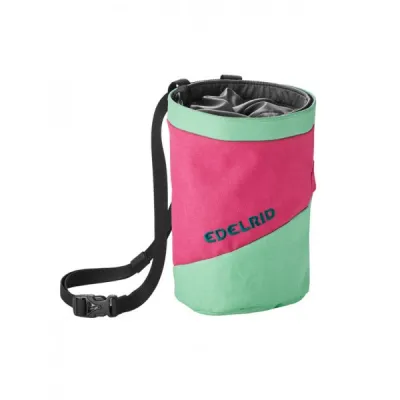
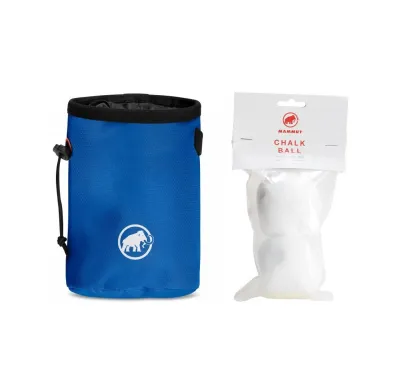
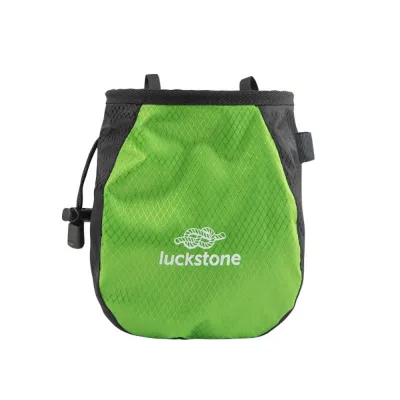
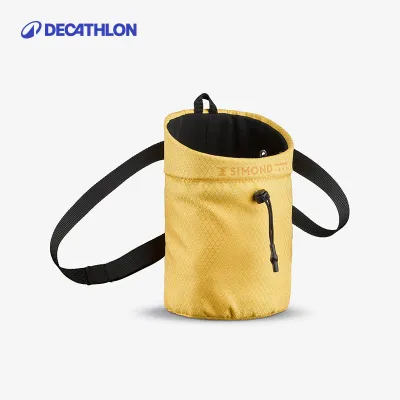
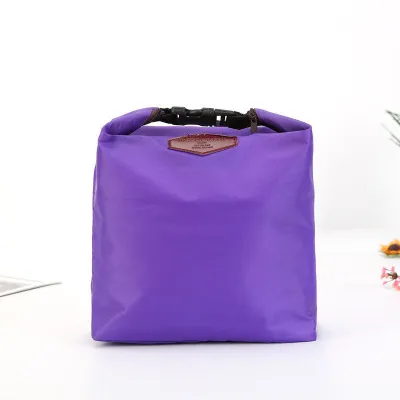


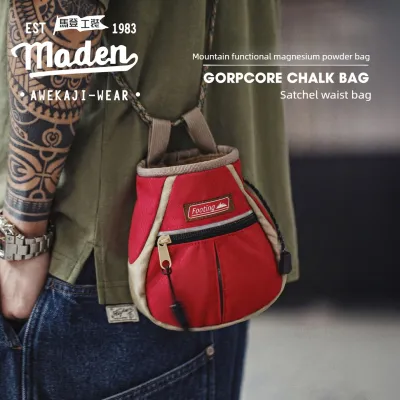
Prices are valid at publication and may change. Please refer to the product page for the latest price.
Chalk buckets are large, stationary containers designed to sit on the ground or crash pads. They typically feature a wide, flat bottom that prevents them from tipping over when placed on uneven outdoor terrain or gym mats. The opening of a bucket is spacious enough to accommodate both hands at once, making it easy to coat your palms and fingers thoroughly before starting a boulder problem. Because they remain on the ground, weight is not a limiting factor, allowing manufacturers to include extra storage space, heavy-duty materials, and multiple brush loops.
Chalk pouches, on the other hand, are small, lightweight bags designed to be worn around your waist. They feature attachment loops or a dedicated belt that keeps the pouch positioned at your lower back, within easy reach of either hand. The opening of a pouch is typically smaller than that of a bucket, designed to fit one hand at a time. A drawstring or fleece-lined closure system is standard, allowing you to seal the bag tightly to prevent chalk from spilling while you are climbing or transporting your gear.
Hybrid designs and brush-integrated options also exist to bridge the gap between these two styles. Some larger pouches feature semi-rigid rims that mimic the open feel of a bucket while remaining small enough to wear on a harness. Others include specialized compartments for multiple brushes, climbing tape, and skin-care tools. While these hybrids offer versatility, they often require trade-offs in weight or ease of movement, making it essential to evaluate your primary climbing style before choosing a hybrid model.
Best Chalk Bag Styles for Bouldering
Bouldering is characterized by short, intense sequences of movements close to the ground, where falls are frequent and expected. Because you do not wear a harness while bouldering, carrying a chalk bag on your waist is often unnecessary and can even be a safety hazard if you land on it during a fall.

A dedicated bouldering bucket is the standard for this discipline because it remains on the ground, keeping your body free of extra gear. The primary advantage of a bucket is its wide, stable base. When you are resting between burns, you can place the bucket on the mats and chalk both hands simultaneously, ensuring an even coat without wasting energy. Look for buckets with weighted bottoms or flared bases, as these are less likely to tip over when placed on soft crash pads or uneven dirt at the crag.
When evaluating a bouldering bucket, pay close attention to the storage and utility features. High-quality buckets often include dedicated brush loops of varying sizes to accommodate both slim nylon brushes and wide boar-hair brushes for cleaning holds. Zippered pockets are highly useful for storing essential skin-maintenance tools, such as climbing tape, nail clippers, sandpaper, and liquid chalk bottles. The exterior material should be rugged and abrasion-resistant, such as heavy-duty nylon or canvas, to withstand constant contact with rough dirt, rocks, and gym floors.
However, bouldering buckets have clear limitations. Their bulk and weight make them entirely impractical for sport climbing or multi-pitch routes, where you must carry your chalk with you. Attempting to hang a large bucket from your harness will severely restrict your movement, add unnecessary weight, and likely result in a massive chalk spill if you tilt or fall. Therefore, if your climbing sessions transition from the bouldering wall to the lead wall, you will need to switch to a harness-compatible option.
Safety is also a critical consideration when using a bouldering bucket. Always place your bucket well outside the fall zone of the bouldering wall or crash pads. Landing on a solid object, even a soft chalk bucket filled with tape and brushes, can cause ankle sprains or uneven landings. Furthermore, spilled chalk on crash pads can reduce the friction of your climbing shoes, increasing the risk of slipping when you step onto the pads.
Best Chalk Bag Styles for Sport Climbing
Sport climbing involves ascending longer routes where you are secured by a rope and harness. Because you may spend several minutes on the wall, you must be able to reapply chalk mid-climb to manage sweat and maintain friction on the holds.
A harness-mounted chalk pouch is indispensable for sport climbing. These pouches are designed to be worn at the back of your waist, suspended from a thin webbing belt or clipped directly to your harness’s rear haul loop. This positioning ensures that the pouch is always accessible to either hand with a simple reach behind your back, allowing you to chalk up while holding onto a secure rest stance with the other hand.
The interior of a high-quality sport climbing pouch typically features a soft fleece lining. This lining serves a practical purpose: it holds onto fine chalk dust, allowing you to coat your fingers evenly by simply touching the fabric, rather than digging deep into loose powder. To prevent chalk from escaping into the air or spilling onto your rope and quickdraws, look for a pouch with a secure drawstring closure that seals tightly. Some modern pouches feature a toggle-free closure or a magnetic rim that can be popped open or closed with one hand, minimizing the risk of accidental spills mid-route.
When attaching the pouch, you must choose between using a dedicated waist belt or clipping the bag directly to your harness with a carabiner. A waist belt is generally preferred because it allows you to slide the pouch along your waist, making it easier to reach with either hand regardless of your body position. Direct clipping keeps the bag in a fixed position, which can be difficult to reach if you are forced to chalk with your non-dominant hand while in an awkward body position.
The primary limitation of a sport climbing pouch is its size. The narrow opening makes it impossible to chalk both hands at the same time, which can be inconvenient when you are preparing for a route on the ground. Additionally, because they lack a flat, stable base, pouches will easily tip over if set on the ground, spilling their contents.
Before embarking on a sport climb, always perform a safety check on your chalk pouch attachment. Ensure the waist belt is adjusted so that it does not interfere with your harness’s belay loop or tie-in points. The pouch should sit high enough on your lower back that it does not catch on your gear loops or quickdraws, which could distract you or impede your movement during a critical clip.
Key Features to Compare Before You Buy
When choosing between a bucket and a pouch, or selecting a specific model within those categories, comparing key design elements will help you find the most durable and functional option for your needs.
The closure system is your primary defense against chalk spills, which can ruin the interior of your climbing pack or create a dusty mess in your car. Drawstring closures are the most common and reliable, but they must feature a tight seal with no visible gaps when fully closed. Magnetic closures offer quick, one-handed operation but may not seal as tightly as a high-quality drawstring. Zippered roll-top closures, similar to those found on dry bags, are increasingly popular for bouldering buckets because they provide an airtight seal that completely prevents dust leakage during transport.
Material durability is another critical factor, especially for outdoor climbers. Look for bags constructed from high-denier nylon (such as Cordura) or water-resistant TPU-coated fabrics. These materials resist tearing when scraped against abrasive rock and protect your chalk from ground moisture or light rain. The inner lining should be securely stitched to prevent it from pulling out when you remove your hand.
To help you visualize the trade-offs between these two styles, the following table maps the essential features of buckets and pouches to their ideal climbing scenarios:
| Feature | Bouldering Bucket | Sport Climbing Pouch |
|---|---|---|
| Primary Use | Ground-based bouldering | Harness-mounted sport/trad climbing |
| Chalking Method | Two-handed, thorough coating | One-handed, quick mid-route dips |
| Base Design | Flat, wide, and often weighted | Rounded or tapered, no flat base |
| Portability | Hand-carried via grab handles | Worn on waist belt or clipped to harness |
| Storage Capacity | High (holds multiple blocks of chalk) | Low to moderate (holds loose chalk/ball) |
| Extra Storage | Large zippered pockets, brush loops | Small key pocket, single brush loop |
| Spill Risk | Low on flat ground; high if kicked | Moderate mid-route; high if left open on ground |
How to Build Your Chalk Bag Shortlist
To narrow down your options and select the perfect chalk bag, start by analyzing your primary climbing environment and discipline. If you spend ninety percent of your time bouldering in a commercial gym or at local outdoor blocks, a bouldering bucket should be your first purchase. Its stability and storage capacity will make your sessions much more comfortable. If you primarily climb single-pitch sport routes or enjoy top-roping, a harness-mounted pouch is non-negotiable.
For climbers who participate in both disciplines equally, you have two choices. You can purchase a versatile, mid-sized pouch that you wear while sport climbing and set on the ground while bouldering. Alternatively, you can invest in one of each style, which is often the most practical solution for long-term climbers. This allows you to keep your bouldering bucket loaded with brushes and tape, while your sport pouch remains lightweight and permanently attached to your harness setup.
Before making a final purchase, verify the compatibility of the bag with your existing gear. If you choose a pouch, check that the included waist belt fits comfortably over your climbing harness without binding or chafing. If you plan to clip the pouch directly, ensure you have a small, lightweight accessory carabiner that fits the bag’s attachment loops.
Finally, always check the rules of your local climbing gym or the etiquette guidelines of your outdoor crag. Some indoor facilities in Singapore and other regions require the use of chalk balls rather than loose powder to minimize airborne dust, which may influence the size of the pouch or bucket you select. Outdoors, choosing a chalk bag with a secure closure is a matter of environmental respect, preventing unsightly white spills on the rock and surrounding vegetation.
Frequently Asked Questions (FAQ)
Can I use a bouldering bucket for sport climbing?
No, using a bouldering bucket for sport climbing is highly impractical and unsafe. Because buckets are large, heavy, and lack a secure harness attachment system, wearing one while climbing a long route will severely restrict your movement and throw off your balance. If you fall or tilt while wearing a bucket, you risk spilling a massive amount of chalk onto your rope, harness, and the belayer below. This not only wastes gear but can also contaminate the rope and belay device, potentially reducing friction and compromising safety. Always use a dedicated, compact pouch worn on a waist belt for any route climbing.
Do I need a separate chalk bag for indoor and outdoor climbing?
While you do not strictly need separate bags, using different setups can be highly beneficial depending on local rules and weather conditions. Many indoor gyms enforce strict dust-control policies, requiring the use of chalk balls or liquid chalk, which fit easily into a standard pouch. Outdoor climbing often demands more rugged, water-resistant materials to protect your chalk from damp ground, rain, and abrasive rock. If you climb outdoors frequently, having a dedicated outdoor bag prevents you from bringing dirt, pine needles, and outdoor debris into a clean indoor gym environment.
How do I clean a chalk bag liner without ruining it?
To clean a chalk bag liner safely, start by emptying all loose chalk and removing any chalk balls, brushes, or accessories. Turn the bag inside out over a bin and gently tap it to remove stubborn dust. Use a soft-bristled brush, such as an old toothbrush, to gently sweep away chalk buildup from the fleece lining and seams. If the bag is extremely dirty, hand wash it in cold water using a mild, soap-free detergent; avoid harsh chemicals, bleach, or fabric softeners, as these can degrade the synthetic fibers and water-resistant coatings. Always air dry the bag completely in a well-ventilated area away from direct sunlight before refilling it, as any trapped moisture will cause your new chalk to clump and ruin the liner.
Community discussion
Share your experience or ask a question. Comments are reviewed before publication.