
Quick Guide: Matching Your Cheerleader Costume to the Event
Choosing the right cheerleader costume is far more than a matter of team aesthetics; it is a critical decision that directly impacts athletic safety, rule compliance, and performance longevity. The ideal outfit varies dramatically depending on whether you are preparing for a highly regulated competition, enduring a grueling daily practice, or performing for a crowd at a school rally or public exhibition. Each scenario demands a distinct balance of fabric weight, flexibility, durability, and visual flair.
For official competitions, uniforms are highly regulated athletic gear designed to meet strict safety codes while offering maximum compression and structural support. In contrast, practice wear prioritizes pure utility, breathability, and extreme durability to withstand repeated, high-intensity workouts. Performance events, such as school rallies, halftime shows, and community exhibitions, allow for maximum visual flair with vibrant colors and bold embellishments designed to capture the crowd’s attention from a distance.
Buying the wrong type of costume carries real consequences. Wearing a heavily sequined performance outfit to a competition can lead to immediate safety deductions or painful scratches during stunts. Conversely, wearing basic practice gear to a formal public event can look unprofessional and fail to project the team’s spirit. Matching your gear to the specific event ensures you remain safe, compliant, and comfortable.
Products mentioned in this guide
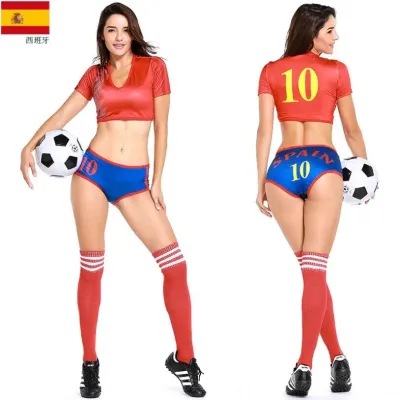
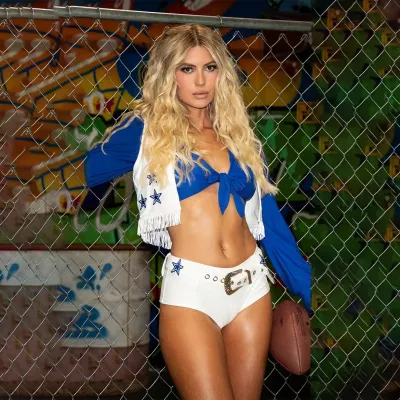
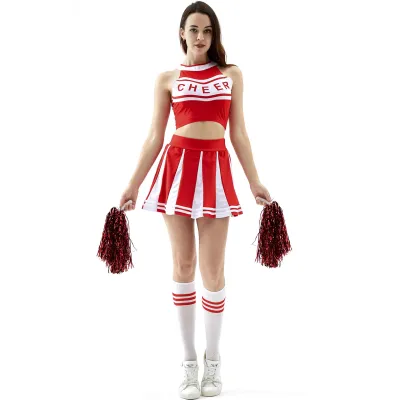
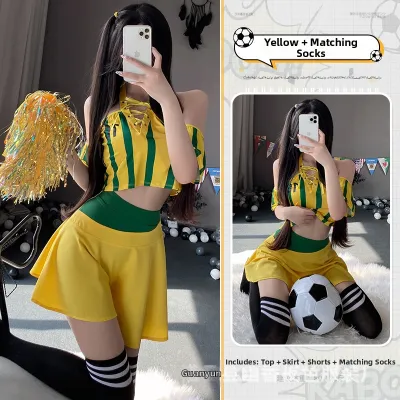
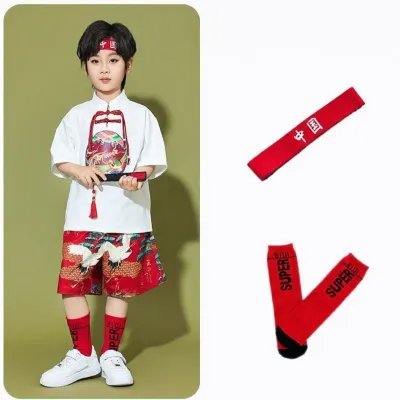
Prices are valid at publication and may change. Please refer to the product page for the latest price.
Competition Uniforms: Navigating Rules, Mobility, and Safety
Strict Rule Compliance
Before purchasing any competitive cheerleader costume, you must consult the official rulebook of your specific governing body, such as the International Cheer Union (ICU) or your local sports federation. These organizations enforce strict regulations regarding uniform design to ensure athlete safety and maintain sportsmanship standards. Common rules dictate the allowable length of skirts, the depth of necklines, and whether bare midriffs are permitted in specific age divisions. Failing to comply with these exact specifications can result in costly point deductions or complete disqualification before your team even takes the floor.

High-Performance Fabric and Mobility
Competitive routines demand extreme physical exertion, requiring fabrics that move seamlessly with the athlete. Look for high-grade, heavy-weight polyester-spandex blends that offer four-way stretch. This multi-directional elasticity ensures that the uniform retains its shape and compression during complex tumbling passes, high jumps, and intense stunting. Additionally, ensure the fabric features advanced moisture-wicking technology to keep athletes dry and comfortable under intense venue lighting.
Athletic Construction and Safety Standards
The physical demands of stunting place immense stress on garment seams. High-quality competition uniforms feature flat-locked, reinforced stitching that prevents tearing when bases grip and support flyers. Safety is paramount: avoid any loose or sharp embellishments. Large, protruding rhinestones, heavy metal studs, or dangling sequins are hazardous during basket tosses and pyramids, as they can easily scratch teammates or snag on clothing. Any glitter or sparkle should be heat-sealed or sublimated directly into the fabric to prevent transfer onto the safety mats.
Choosing Bottoms and Layering Options
The choice between traditional pleated skirts with built-in briefs (spankies) and modern, high-rise cheer shorts depends heavily on team preference and division rules. Skirts offer a classic, dynamic look during jumps, while specialized athletic shorts provide a streamlined, modern aesthetic favored by many contemporary co-ed teams. For divisions requiring full coverage, coordinating long-sleeve crop tops or full-length liners must be selected to match the uniform perfectly without restricting shoulder mobility.
Practice Gear: Prioritizing Comfort, Breathability, and Washability
Everyday Practice Wear Essentials
Daily training sessions require apparel that prioritizes physical comfort and unrestricted movement over visual spectacle. Athletes should opt for lightweight, highly breathable basics such as moisture-wicking T-shirts, athletic tank tops, and fitted spandex shorts or leggings. Fitted clothing is a critical safety requirement in practice; loose, baggy shirts can easily flip over an athlete’s face during tumbling, obstructing their vision, or get tangled in a partner’s hands during a stunt transition. Furthermore, form-fitting gear allows coaches to clearly observe and correct body alignment, posture, and technique.
Repurposing Older Uniforms
To preserve expensive competition uniforms, many teams utilize retired or slightly damaged costumes for full-dress rehearsals. Wearing these older sets during practice allows athletes to acclimate to the feel, weight, and fit of a formal uniform before the actual event. It also serves as an excellent way to test the durability of the garment’s construction and identify any potential mobility issues or chafing points in a low-stakes environment.
Washability and Heavy-Duty Maintenance
Because practice gear is subjected to daily sweat, chalk, and floor grime, it must be exceptionally easy to clean. Look for durable, machine-washable fabrics that can withstand frequent, heavy-duty laundering cycles. High-quality synthetic blends are ideal because they resist pilling, shrinking, and color fading, ensuring the gear looks presentable throughout a grueling multi-month training season.
Essential Footwear and Hair Accessories
No practice outfit is complete without proper athletic support. True cheerleading shoes—featuring low-profile, shock-absorbing soles and specialized finger grooves for stunting bases—are mandatory to protect ankles and wrists from impact injuries. Hair must always be secured tightly away from the face using durable, snag-free elastic ties. This simple step prevents hair from blocking the athlete’s line of sight or getting caught in a teammate’s grip during complex aerial maneuvers. Remember that high-quality gear and proper footwear support safe execution but can never replace certified coaching, structured progression, and alert spotting during training.
Performance Outfits: Maximizing Visual Impact and Team Spirit
Bold Designs and Creative Embellishments
Performance events, such as school pep rallies, halftime shows, community parades, and promotional exhibitions, are designed primarily to engage and excite the crowd. Because these events are non-competitive, teams have the creative freedom to bypass strict rulebooks and embrace high-impact designs. This is the perfect opportunity to utilize vibrant metallic fabrics, glittering sequins, custom sublimation prints, and oversized team logos. These eye-catching elements catch the light beautifully, ensuring the team remains highly visible and visually striking even from the furthest stadium seats.
Themed and Specialty Costumes
Many performance events call for unique, themed attire to match specific occasions like homecoming games, holiday parades, or charity exhibitions. Teams can explore retro-inspired designs, custom colorways, or even glow-in-the-dark elements for night games. These specialty costumes foster a deep sense of community connection and team spirit, making the performance memorable for the audience.
Layering for Diverse Venues and Weather
Performances often take place in highly variable environments, from humid outdoor stadiums to heavily air-conditioned indoor arenas in Singapore. To keep athletes comfortable and prevent muscle strain, performance outfits should be paired with matching warm-up gear. Lightweight, zip-up jackets and coordinating track pants can be worn over the costume during warm-ups and removed just before taking the performance floor. This layering strategy ensures that athletes stay warm, flexible, and ready to perform safely at a moment’s notice.
Cross-Scenario Compatibility: Can One Costume Do It All?
The Versatile "Hybrid" Approach
For budget-conscious schools, recreational clubs, or individual athletes, purchasing separate uniforms for every scenario is not always financially practical. A hybrid approach can bridge the gap. Start by selecting a clean, classic, and fully rule-compliant competition uniform as your base. When performing at non-competitive events, you can instantly elevate this basic uniform by adding temporary, high-impact accessories such as oversized metallic hair bows, colorful pom-poms, or customized warm-up jackets that feature bold event branding.
When to Draw the Line on Compromise
While a hybrid approach works well for transitioning from competition to performance, certain boundaries must never be crossed for safety reasons. You should never wear a heavily embellished performance costume—complete with loose sequins, hanging tassels, or delicate mesh—during competitive stunting or high-velocity tumbling. The risk of fabric failure, snagging, or causing injury to a teammate is simply too high. Similarly, showing up to a formal public performance in worn, faded practice gear diminishes the team’s professional image and fails to project the necessary crowd-pleasing energy.
Analyzing the Long-Term Cost-Benefit
While buying a single, versatile uniform set saves money upfront, it is important to consider the long-term wear and tear. Wearing the same uniform for intense practices, frequent performances, and high-stakes competitions will dramatically accelerate fabric degradation, leading to premature stretching, pilling, or fading. Investing in a dedicated set of affordable, durable practice wear is often the more cost-effective choice over time, as it preserves your premium competition uniform for the moments where flawless presentation matters most.
Sizing, Fit, and Care: Ensuring Longevity and Proper Fit
Taking Accurate Measurements for an Athletic Fit
Cheerleader costumes are engineered to fit much tighter than standard everyday street clothing to ensure a sleek, aerodynamic silhouette that does not interfere with athletic movement. To find the correct size, use a soft vinyl tape measure to record accurate bust, waist, and hip measurements over minimal clothing. Always compare these specific measurements directly against the manufacturer’s provided size chart, as sizing standards vary significantly between athletic brands. If your measurements fall between two sizes, consider the fabric’s stretch capacity and whether the athlete prefers a highly compressed fit or a slightly roomier feel for layering.
Proper Care and Maintenance Protocols
Before cleaning any technical athletic garment, always consult the manufacturer’s care instructions and check the applied product labels first to avoid degrading the fabric or voiding warranties. To protect the elasticity of spandex fibers and safeguard delicate heat-sealed embellishments, proper laundering is essential. As a general rule, turn the costume inside out and wash it in cold water on a gentle, low-spin cycle. Never use fabric softeners, as they leave a chemical coating that destroys moisture-wicking properties and breaks down elastic fibers over time. Always hang or lay the garment flat to air dry; the high heat of a tumble dryer can melt adhesive glues, crack vinyl lettering, and permanently warp the elastic fit of your uniform.
Community discussion
Share your experience or ask a question. Comments are reviewed before publication.