
Finding space for fitness equipment in a cozy Singapore HDB flat requires a smart approach to footprint and storage. Electrical Muscle Stimulation (EMS) muscle trainers offer an exceptionally space-efficient alternative to bulky dumbbells or resistance machines, allowing you to maintain a strength routine without sacrificing precious floor space. To find the best compact EMS trainer for your home, you must look beyond the physical size of the main device and evaluate the entire ecosystem, including charging docks, storage cases, and consumable accessories. By prioritizing wireless connectivity, integrated storage, and smart organization, you can easily integrate EMS technology into your daily routine without adding clutter to your living room or bedroom.
Understanding the True Footprint of EMS Muscle Trainers
When planning your home gym setup in a limited layout, understanding the physical dimensions of different EMS systems is essential for setting realistic expectations. Consumer EMS devices generally fall into three categories: adhesive pad systems, wearable EMS garments such as belts or suits, and larger EMS-integrated resistance machines. While adhesive pad systems are highly compact and can fit into a small drawer, wearable garments require slightly more storage space, and integrated machines demand a permanent footprint on your floor.
Although the primary EMS control unit is typically no larger than a smartphone, its actual footprint in your home includes several essential accessories. You must account for charging docks, replacement hydrogel pads, connection cables, and protective carrying cases. These items can quickly accumulate and create visual clutter if they do not have a designated home.
Products mentioned in this guide
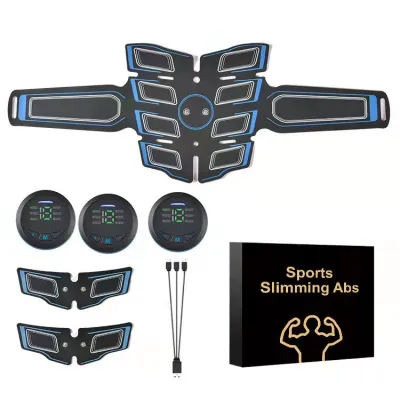
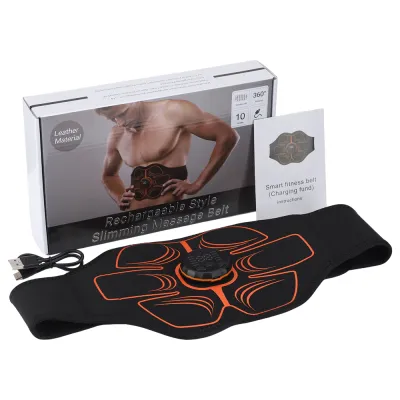
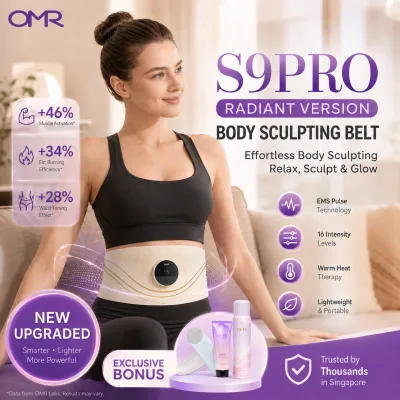
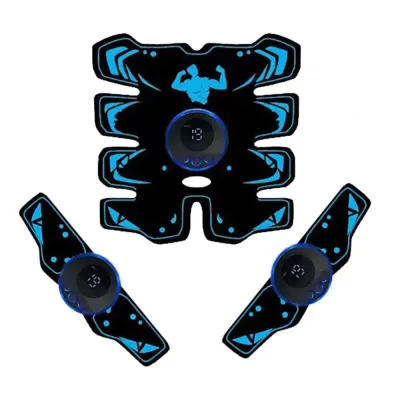
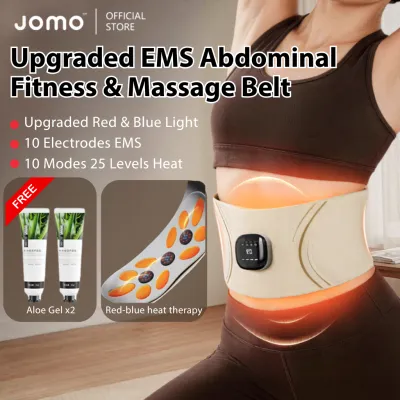
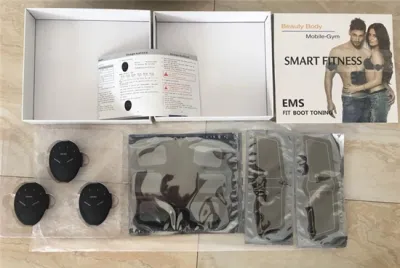
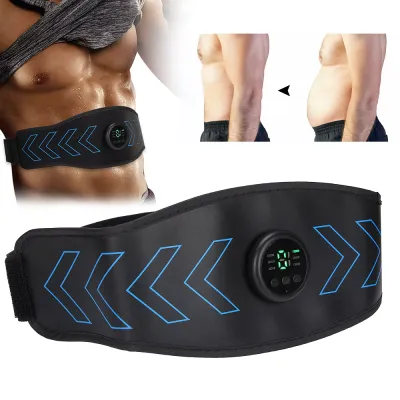
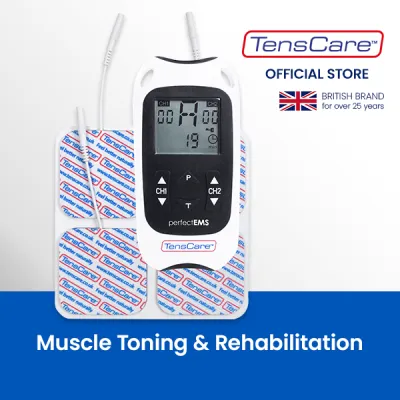
Prices are valid at publication and may change. Please refer to the product page for the latest price.
Before making a purchase, it is highly recommended to check the manufacturer’s specifications for the total packaged volume rather than just the dimensions of the main device. Knowing the exact measurements of the storage case or charging station ensures you can allocate a specific drawer or shelf space for the entire kit. This proactive step prevents the common frustration of buying a compact device only to find its accessories taking over your counter space.
What to Look for in a Space-Saving EMS Device
To keep your HDB flat organized, you should prioritize wireless, app-controlled EMS models. Eliminating physical cables not only prevents tangles during your workout but also simplifies storage, as you will not have to wind up and organize multiple cords after every session. App-controlled units also remove the need for bulky physical remote controls, allowing you to adjust intensity levels directly from your smartphone.

Look for systems that feature integrated storage solutions, such as compact charging cases that securely hold the main control unit, active electrodes, and replacement pads in one place. A well-designed case keeps all components dust-free and organized, making it easy to slide into a wardrobe or place on a bedside table. Some modern cases even double as portable power banks, allowing you to charge the device discreetly without leaving cords exposed on your kitchen counter.
Additionally, consider the ongoing spatial requirements for consumable accessories like conductive gels or replacement hydrogel pads. Because these pads must be replaced periodically to maintain conductivity, you will need a small, dedicated storage spot for backup packs. Choosing a system that uses long-lasting pads or minimal gel can help reduce the volume of physical inventory you need to keep on hand in your utility closet.
Creating a Clutter-Free Workout Zone in Your HDB Flat
Integrating EMS training into a compact living area does not require a permanent fitness corner. You can easily designate a multi-purpose workout spot in your living room or bedroom by using foldable or rollable exercise mats. These mats provide a comfortable surface for floor exercises while using your EMS device and can be quickly rolled up and slid under a sofa or tucked into a narrow gap beside a wardrobe when you are finished.
To keep your EMS accessories organized, make use of vertical space and drawer organizers. Hanging a small organizer on the inside of a closet door or using shallow drawer dividers can keep your charging cables, spare gel pads, and user manuals neatly separated. This prevents small parts from getting lost in deep drawers and ensures everything is within arm’s reach when it is time to train.
Establishing a quick setup and teardown routine is key to maintaining a tidy living environment. Dedicate five minutes after each session to wipe down the device according to the manufacturer’s instructions, secure the protective film back onto the hydrogel pads, and place the unit back into its charging case. Making this routine a habit ensures your home remains a relaxing, clutter-free sanctuary immediately after your workout is complete.
Space-Planning Mistakes to Avoid with Home Fitness Tech
One of the most common mistakes when selecting home fitness technology is buying bulky EMS-integrated fitness mirrors or large resistance machines when floor space is strictly limited. While these high-tech options are appealing, they often require permanent wall mounting or dedicated floor space that can make a small HDB living room feel cramped. Opting for wearable or pad-based systems preserves your floor space for daily living.
Another oversight is neglecting the need for a dedicated, easily accessible power outlet for your charging routine. If your charging station is tucked away behind heavy furniture, you may find yourself leaving cables draped across walkways, creating safety hazards and visual clutter. Plan a specific charging spot on a study desk or a kitchen utility shelf where the device can recharge safely out of the way.
Finally, avoid storing sensitive EMS components in areas with high humidity or direct sunlight, such as service yards or near open windows. Singapore’s tropical climate can degrade the adhesive quality of hydrogel pads and damage internal electronic components if they are exposed to moisture and heat. Storing your equipment in a cool, dry wardrobe or drawer will protect your investment and ensure the device remains safe and functional for every session.
Frequently Asked Questions (FAQ)
Do EMS muscle trainers require a dedicated power outlet during workouts?
Most modern consumer wearable EMS trainers operate on built-in rechargeable lithium-ion batteries, meaning they do not need to be plugged into a wall outlet during your workout. This wireless design gives you the freedom to move around your flat without being tethered to a wall. However, you will still need an accessible power outlet to plug in the charging dock or USB cable when the device is not in use.
How should I store EMS gel pads to maximize their lifespan in a humid climate?
To protect hydrogel pads from Singapore’s high humidity, always store them in their original sealed plastic liners or an airtight container immediately after use. Keep the container in a cool, dry drawer or cabinet away from direct sunlight and moisture-prone areas like bathrooms. Avoid exposing the pads to open air for extended periods, as excess moisture can degrade the adhesive and reduce their overall lifespan.
Can I use an EMS trainer while doing other household chores in a small flat?
Yes, wireless and wearable EMS pads generally allow for light movement, making it possible to complete basic household chores like dusting or folding laundry during a session. However, you should always follow the manufacturer’s safety guidelines and avoid using the device during activities that involve heavy lifting, excessive sweating, or water exposure. If you feel any discomfort or loss of balance, stop the activity immediately and adjust the device.
Community discussion
Share your experience or ask a question. Comments are reviewed before publication.