
Commuting along the Park Connector Network (PCN) offers a scenic and efficient way to travel to work, avoiding heavy road traffic. However, carrying your daily essentials—such as a laptop, office wear, and rain gear—requires a reliable carrying system. The best cycling bag for your daily PCN commute depends on your cargo volume, your bicycle’s mounting options, and your personal comfort preferences. While some riders prefer high-capacity panniers for heavy office gear, others opt for compact frame or handlebar bags to keep their setup light and agile. Choosing the right configuration ensures a comfortable, sweat-free ride while keeping your belongings safe from sudden tropical downpours.
Assessing Your Daily Commuting Needs on the Park Connector Network
To find the ideal cycling bag, start by evaluating your daily cargo. A standard office commute typically involves carrying a laptop (often 13 to 16 inches), a charger, a change of clothes, a small towel, toiletries, a lock, and a compact umbrella or rain jacket. Lay these items out to estimate their total volume and weight.
Next, inspect your bicycle’s frame geometry and mounting points. Not all bikes can accept every bag type. For instance, many road bikes and folding bikes lack the threaded eyelets required to mount a traditional rear luggage rack. You must also measure the available space within your frame’s front triangle and check the clearance between your saddle and rear tire.
Products mentioned in this guide
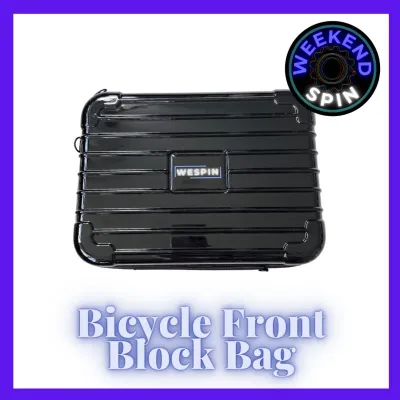
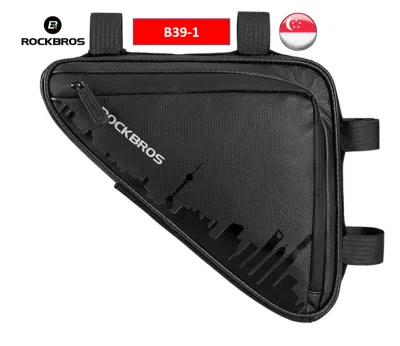
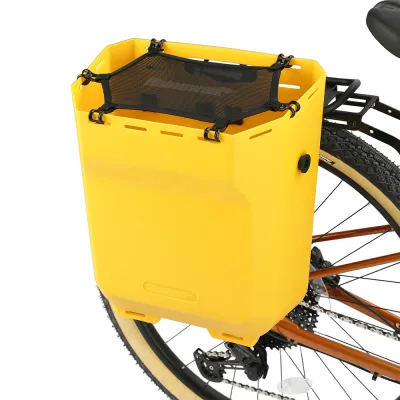
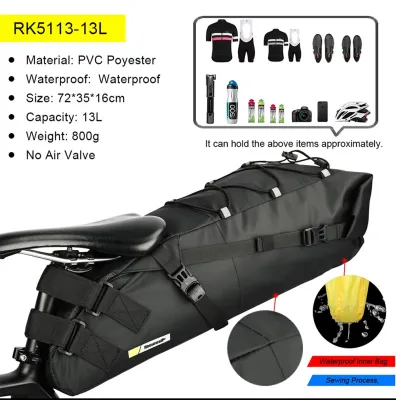
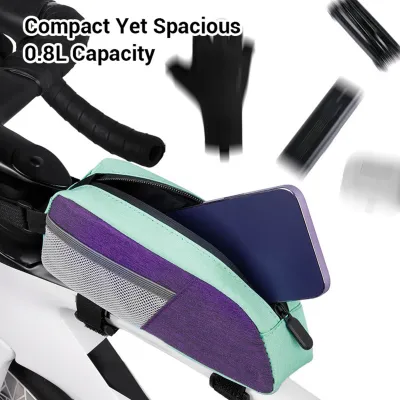
![[SG SELLER] MULTI-PURPOSE BICYCLE WATERPROOF QUICK RELEASE MOUNTAIN BIKE POUCH OUTDOOR BAG](https://img.lazcdn.com/g/p/f50338530da261576cd7162a6d48ea83.jpg_400x400q80.jpg_.webp)
Prices are valid at publication and may change. Please refer to the product page for the latest price.
Finally, consider the weather. The local tropical climate brings sudden, heavy rain showers. Your bag must be capable of protecting sensitive electronics from water ingress, and it should allow you to access your rain gear quickly without unpacking your entire load.
Comparing Cycling Bag Types for Daily Essentials
Selecting the right bag type involves balancing capacity, weight distribution, and ease of access. A poorly balanced bike can feel unstable, especially when navigating the tight turns, shared paths, and occasional pedestrian traffic on the PCN. The main options include rear-mounted panniers, centralized frame bags, and compact saddle or handlebar bags. Each type serves a distinct commuting style, from the heavy-duty laptop carrier to the ultra-light minimalist.

Panniers: High Capacity for Laptops and Work Gear
Panniers are spacious bags that clip onto a rear or front luggage rack, keeping the weight low and off your body. This setup is highly recommended for commuters who need to carry a laptop, structured work clothes, and shoes. By transferring the load directly to the bicycle’s frame, panniers eliminate back sweat and reduce shoulder strain, making your ride significantly more comfortable.
However, using panniers requires a compatible rack. When installing a rack and panniers, you must verify the clearance for your heels. Short chainstays, common on compact folding bikes and performance road bikes, can cause your heels to strike the front of the bags while pedaling. To prevent this, look for racks with adjustable mounting positions or panniers with angled profiles.
Additionally, ensure the rack does not interfere with your disc brake calipers or mudguards. For a smooth transition from your bike to the office, choose panniers equipped with quick-release mounting systems that allow you to detach the bags with a simple upward pull.
Frame Bags: Balanced Storage for Medium Loads
Frame bags fit snugly inside the main triangle of your bicycle frame, secured by a series of hook-and-loop straps. Because they position the weight centrally and low between your knees, they have a minimal impact on your bike’s handling and stability. This makes them excellent for carrying medium-weight items like tools, locks, spare tubes, and light clothing.
Before purchasing a frame bag, measure the internal dimensions of your frame triangle carefully. A bag that is too wide can bulge outward, causing your knees to rub against the fabric with every pedal stroke. Furthermore, a full-frame bag will likely block access to your water bottle cages.
If you still need to carry water bottles on your frame, consider a half-frame bag that leaves the lower portion of the triangle open, or look for alternative bottle mounting points on your handlebars or saddle rails. Pay close attention to zipper durability; look for heavy-duty, water-resistant zippers with protective flaps to prevent water from seeping through the teeth during heavy downpours.
Saddle and Handlebar Bags: Compact Options for Minimalists
For minimalist commuters who only carry essential tools, a phone, keys, and a lightweight windbreaker, saddle and handlebar bags offer a compact and streamlined solution. Saddle bags attach directly to your seat rails and seatpost. If you choose a larger, bikepacking-style saddle bag, verify that you have sufficient clearance between the bottom of the bag and your rear tire to prevent rubbing when riding over bumps.
You must also ensure your seatpost has enough exposed length to accommodate the attachment straps. Handlebar bags mount to the front of your handlebars, providing easy access to your phone, wallet, or snacks. When fitting a handlebar bag, check that the mounting straps do not pinch or crimp your brake cables and gear outer casings, which can degrade shifting and braking performance.
On drop-bar road bikes, measure the distance between your brake hoods to ensure the bag does not restrict your hand positions or interfere with your shifters. Keep in mind that these compact bags have strict capacity limits and are generally unsuitable for carrying laptops or delicate office attire.
Essential Features to Verify for Singapore's Conditions
When selecting a cycling bag for local environmental conditions, several material and design features require careful verification. First and foremost is water resistance. Look for bags constructed from durable, waterproof materials such as TPU (thermoplastic polyurethane) or polyurethane-coated nylon. Check if the seams are welded rather than stitched, as stitched seams can allow water to seep through the needle holes during prolonged exposure to rain.
If a bag is only rated as water-resistant, verify that it includes a dedicated, high-visibility rain cover that fits tightly over the bag. Visibility is another crucial safety factor, especially during early morning or late evening commutes along the PCN. Inspect the bag for integrated reflective elements on all visible sides.
Look for dedicated fabric loops or attachment points that allow you to securely clip on safety LED lights. Finally, evaluate the durability of the hardware against high humidity and sweat. Metal zippers should be rust-resistant, and plastic buckles should feel robust and flexible rather than brittle. Choose straps made from quick-drying, mold-resistant woven nylon that can withstand frequent washing to remove sweat and road grime.
Loading and Safety Practices for the Park Connector Network
Proper packing and loading practices are essential for maintaining bicycle stability and ensuring safety on the PCN. When loading your bags, always distribute the weight evenly. If you are using a single rear pannier, place the heaviest items, such as your laptop or lock, at the bottom of the bag and as close to the wheel axle as possible. This keeps the center of gravity low and minimizes the tendency of the bike to pull to one side.
Avoid placing heavy items in a handlebar bag, as this can make your steering feel sluggish and unpredictable. Before setting off, carefully inspect all mounting straps, compression cords, and shoulder straps. Loose or dangling straps can easily get caught in your wheel spokes, disc brake rotors, or drivetrain, leading to sudden wheel lockups and serious accidents.
Secure any excess strap length using built-in elastic keepers or hook-and-loop wraps. Lastly, verify that your loaded bags do not obscure your front or rear safety lights. A bulky handlebar bag can block your headlight, while a tall saddle bag can hide your seatpost light. If necessary, relocate your lights to the bag’s light loops or your helmet to ensure you remain visible to other path users.
Frequently Asked Questions (FAQ)
Can I use a backpack instead of a cycling bag for PCN commuting?
While you can use a standard backpack, it is generally less comfortable for daily commuting. A backpack traps heat and sweat against your back, which can be highly uncomfortable in a warm, humid climate. It also places the weight high on your shoulders, raising your center of gravity and making the bike feel less stable during sudden turns. Transferring the load to bike-mounted bags keeps your back cool, reduces physical fatigue, and improves overall bike handling on the PCN.
How do I clean and maintain my cycling bag after riding in the rain?
After riding through a tropical downpour, wipe down the exterior of your bag with a damp cloth to remove mud, sand, and road grit. Open all the zippers and compartments fully, and hang the bag to dry in a well-ventilated indoor area. Avoid placing the bag in direct sunlight or near high-heat sources, as extreme heat can damage waterproof coatings and delaminate welded seams. Check the manufacturer’s label for specific washing instructions, and periodically apply a small amount of silicone-based zipper lubricant to keep the zippers operating smoothly and prevent corrosion.
Community discussion
Share your experience or ask a question. Comments are reviewed before publication.