
Selecting the right electronic whistle requires matching the device’s design to your specific activity, environment, and physical demands. Unlike traditional mouth-blown whistles, an electronic whistle offers hygienic sharing, consistent volume, and directional sound projection at the push of a button. However, there is no single model that excels in every scenario. A referee managing a fast-paced basketball game in an indoor sports hall requires instant tactile response and ergonomic grip, while a hiker navigating a humid tropical trail needs long standby battery life and robust weatherproofing. By evaluating your primary use case, you can select a device that provides reliable communication or emergency signaling when it matters most.
Quick Decision Framework for Electronic Whistles
To narrow down your choices, first define the primary role of the device: is it for active communication or emergency signaling? Active communication, such as refereeing, coaching, or traffic control, demands a lightweight design with instant sound activation and multiple tone options to distinguish signals. Emergency signaling for survival or first aid kits prioritizes maximum sound projection, long standby battery life, and high-visibility casing. Next, consider your environmental constraints. If you operate in high-humidity environments, coastal areas, or during sudden tropical downpours, water resistance is non-negotiable. Finally, balance the trade-off between size and battery capacity. Compact models fit easily into a pocket-sized first aid kit but may use smaller button cells with shorter continuous runtimes, whereas larger models offer robust rechargeable batteries suitable for multi-day expeditions. With typical models ranging from S$15 to S$40, selecting the right device is a straightforward safety upgrade.
Matching Electronic Whistles to Specific Scenarios
Different activities present unique physical and environmental challenges that dictate which electronic whistle features are most critical.
Products mentioned in this guide
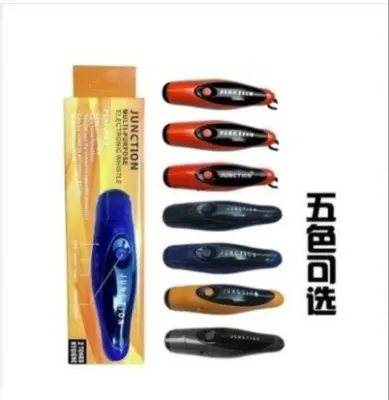
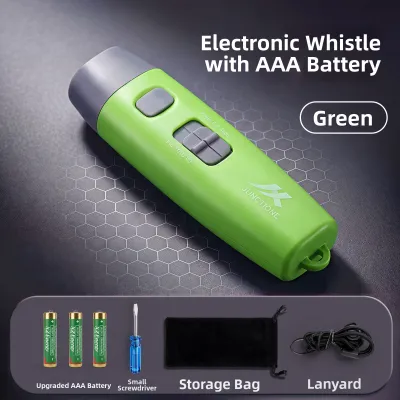
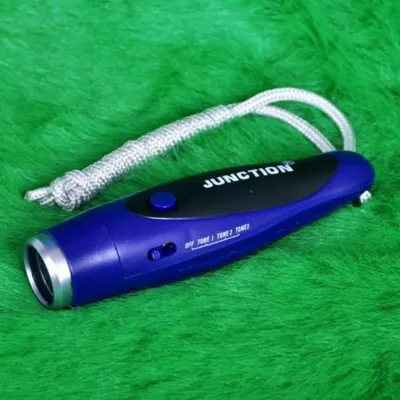
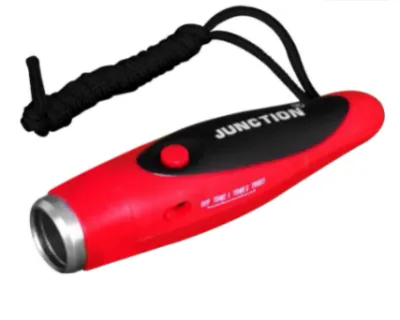
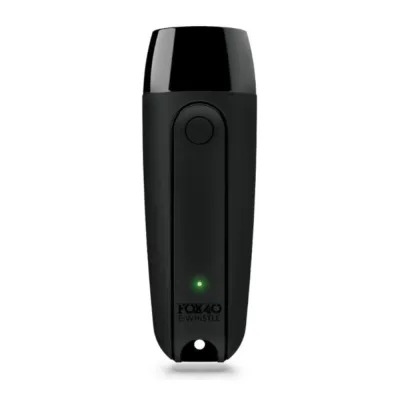
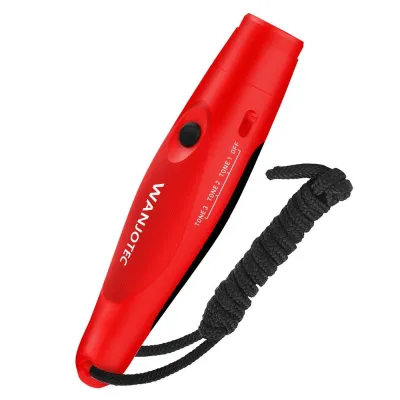
![[SG SELLER] SUPER LOUD ELECTRONIC WITH LANYARD ELECTRIC WHISTLE 3 FREQUENCY TONE OUTDOOR SPORT WHISTLE COACHES REFEREES](https://img.lazcdn.com/g/p/0076afe74cba59286a0ce6de840ba25f.jpg_400x400q80.jpg_.webp)
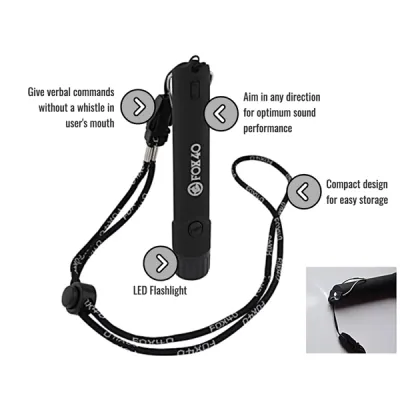
Prices are valid at publication and may change. Please refer to the product page for the latest price.

Team Sports and Refereeing
In fast-paced team sports, referees and coaches need to signal play stoppages instantly. Look for models featuring an ergonomic grip or a hand-loop that allows you to hold the device securely while running. Instant sound activation is crucial; the button must offer a distinct tactile click so you know the signal has been sent without looking at the device. Directional sound projection is also vital in large sports halls or open fields, as it helps direct the sound toward the players and away from your own ears. Additionally, models with multi-tone switches allow you to select a distinct pitch that will not be confused with whistles from adjacent courts or fields.
Hiking, Trekking, and Survival
For outdoor trail activities, an electronic whistle serves as a vital emergency signaling tool. Weight is a primary consideration, so look for compact, lightweight designs that do not add unnecessary bulk to your pack. Secure attachment options, such as heavy-duty lanyards, carabiner clips, or backpack strap mounts, ensure the device remains accessible even if you slip or fall. Standby battery life is critical here; look for devices with low self-discharge rates so the whistle remains functional after weeks in a backpack. High-visibility colors like bright orange, yellow, or neon green make the device easy to locate in low-light conditions or dense undergrowth.
Water Sports and Marine Activities
Water sports, including kayaking, sailing, and dragon boating, expose equipment to constant moisture and potential submersion. When selecting a whistle for marine environments, verify the manufacturer-stated waterproof ratings, looking for IPX7 or higher to ensure the device can withstand temporary submersion. Buoyancy is another key feature; a whistle that floats is far easier to retrieve if dropped into deep water. Ensure the casing materials are resistant to saltwater corrosion, and opt for high-visibility colors that stand out against water surfaces.
Cycling and Urban Commuting
Cyclists and urban commuters must navigate busy streets where traffic noise can easily drown out standard signals. For these environments, look for compact wearable designs or handlebar-mountable options that allow you to activate the whistle without fully releasing your grip on the handlebars. The sound output must be sharp and high-pitched to cut through engine noise and closed car windows. Some urban-focused models feature remote trigger buttons that mount directly next to your brake levers, providing immediate access during sudden traffic hazards.
Key Features to Evaluate Before Purchasing
Before purchasing an electronic whistle, verify its technical specifications against your specific operational requirements.
Sound Output and Range
When evaluating sound output, manufacturers typically list decibel ratings measured at a specific distance. To interpret these claims accurately, check whether the rating is measured at the source or at a distance of one meter. Keep in mind that terrain, dense foliage, wind direction, and ambient crowd noise will significantly reduce the effective range of the sound. For open-field sports or wide-open outdoor spaces, a higher decibel rating is generally necessary to overcome wind resistance, whereas indoor sports halls require a moderate, clear tone to prevent painful echoes.
Power Source and Battery Life
Electronic whistles generally utilize either rechargeable lithium-ion batteries or replaceable alkaline/lithium cells (such as AAA or CR2032 button cells). Rechargeable models are highly convenient for regular, daily use, such as school coaching or daily sports training, as they can be topped up via USB. However, for multi-day trekking or emergency kits where power outlets are unavailable, replaceable battery models are often more practical. Always carry a spare set of compatible batteries in a sealed, dry bag to ensure continuous operation.
Durability and Weather Resistance
Outdoor gear must withstand drops, dust, and moisture. Check the official Ingress Protection (IP) ratings provided by the manufacturer. An IPX4 rating indicates resistance to splashing water from any direction, which is suitable for light rain, while IPX7 indicates protection against full immersion. Additionally, evaluate the material construction; high-impact ABS plastic or rubberized bumpers help protect the internal electronic components from damage if the device is dropped onto hard surfaces like concrete courts or rocky trails.
Ease of Use Under Stress
In an emergency or high-intensity situation, fine motor skills can deteriorate. Evaluate the physical design of the activation button: it should be large enough to press while wearing thick gloves and offer clear tactile feedback. Look for models that feature a physical lock switch or a recessed button design. These safety features prevent the whistle from accidentally activating inside your backpack, which can drain the battery and cause unexpected noise pollution during transit.
Integrating an Electronic Whistle into Your First Aid and Safety Kit
An electronic whistle is an excellent addition to any sports or outdoor first aid kit, but it must be integrated thoughtfully to ensure reliability. Position the whistle in an easily accessible, clearly labeled compartment near the top of the kit so that any group member can retrieve it rapidly during a high-stress situation.
Because electronic devices are susceptible to battery depletion, component failure, or water damage, never rely on an electronic whistle as your sole signaling device. Always pair it with a traditional, pealess acoustic whistle as a mandatory, fail-safe backup. This ensures you can still signal for help even if the electronic whistle’s battery dies or its circuitry fails.
To manage battery health during long-term storage, remove the batteries from the whistle before placing it in your first aid kit. This prevents gradual battery drain and protects the device’s terminals from corrosive leaks. If the device uses a built-in rechargeable battery, establish a calendar reminder to check and recharge the unit every three to six months.
Maintenance and Pre-Activity Operational Checks
Regular maintenance ensures your electronic whistle functions perfectly when needed. Establish a pre-trip testing protocol: always test the sound output and verify battery levels before heading out on a trek or starting a sports tournament.
After exposure to sweat, mud, dust, or saltwater, clean the device thoroughly. Wipe the exterior with a damp cloth and use a dry cotton swab to clear any debris from the sound chamber and charging ports. Never submerge a non-waterproof whistle, and avoid using harsh chemical solvents that could degrade the plastic casing.
Inspect the device regularly for signs of wear. If you notice a cracked casing, corroded battery terminals, or inconsistent sound output during testing, replace the unit immediately or contact the manufacturer for professional inspection.
Frequently Asked Questions (FAQ)
Can an electronic whistle completely replace a traditional acoustic whistle in a first aid kit?
No, an electronic whistle should not completely replace a traditional acoustic whistle. While electronic models offer excellent convenience and consistent volume, they remain dependent on battery power and delicate electronic components that can fail in extreme cold, wet conditions, or after physical impacts. For safety, always carry a standard pealess acoustic whistle as a fail-safe backup in your first aid kit.
How do I prevent an electronic whistle from turning on accidentally inside my backpack?
To prevent accidental activation and battery drain during transit, select a model equipped with a physical lock switch or a deeply recessed activation button. If your whistle lacks these features, you can remove the batteries before packing the device, or store the whistle inside a hard-shell protective case to shield the button from external pressure.
Community discussion
Share your experience or ask a question. Comments are reviewed before publication.