
An emergency whistle is one of the most critical yet frequently overlooked components of a sports first aid kit. Whether managing a school sports day, coordinating an outdoor training session, or leading a group hike through nature reserves, having a reliable signaling device can mean the difference between a rapid rescue and a prolonged emergency. While many people assume any standard whistle will suffice, emergency situations demand specific design features that ensure the device functions under extreme stress, adverse weather, and physical exhaustion.
When selecting a whistle for your sports first aid kit, the primary goal is to find a tool that produces a loud, high-pitched, and easily recognizable distress signal with minimal physical effort. This guide breaks down the essential features to look for, compares the primary design types, and outlines how to maintain this vital piece of safety gear so it is always ready when you need it most.
Why Your First Aid Kit Needs a Dedicated Emergency Whistle
During outdoor sports or remote training sessions, environmental factors can quickly render the human voice useless. Wind, heavy rain, rushing water, and even distant traffic or crowd noise can easily drown out shouts for help. A human scream also disperses quickly over distance, whereas the focused, high-frequency sound of an emergency whistle is designed to cut through ambient noise and travel significantly further.
Products mentioned in this guide
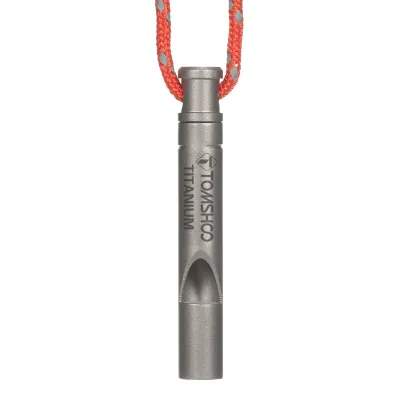
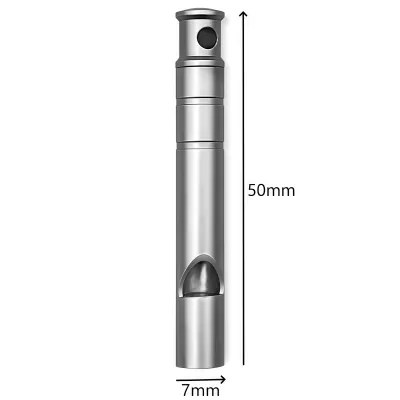
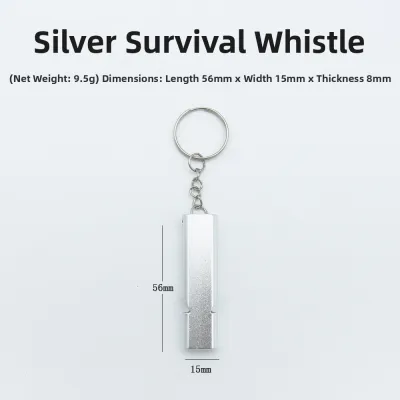
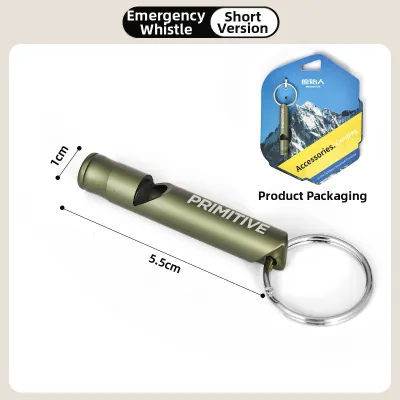
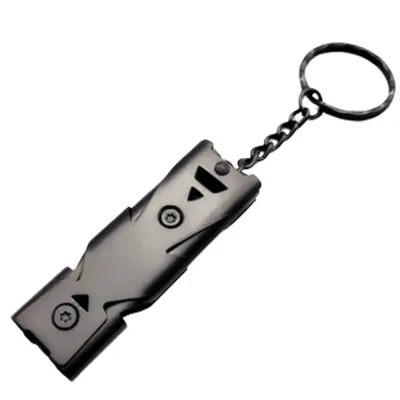
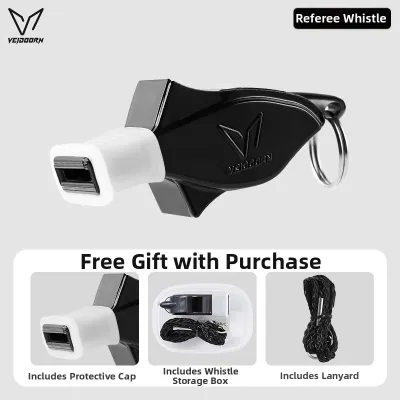
![[SG SELLER] OUTDOOR FINGER WHISTLE CYLINDRICAL AND 6 FORM ORDINARY SPORTS TRAINING WHISTLE WITH LANYARD AND HARD CASE](https://img.lazcdn.com/g/p/a0d018a86bb7b795fca9e591acaf5500.png_400x400q80.png_.webp)
Prices are valid at publication and may change. Please refer to the product page for the latest price.
Using your voice to call for help is also physically exhausting. If an athlete or a coach is injured, in shock, dehydrated, or experiencing a severe asthma attack, they may not have the lung capacity to shout. A high-quality emergency whistle requires very little breath to produce a piercing sound, allowing an injured person or a fatigued responder to conserve valuable energy while still signaling their location continuously.
Additionally, there is a crucial psychological and operational difference between managing a sports activity and signaling a true emergency. Standard whistles are common on sports fields for starting and stopping play, but an emergency whistle must sound distinctly different to prevent confusion. A dedicated emergency whistle in your first aid kit ensures that when it is blown, everyone within earshot immediately recognizes it as a call for urgent assistance rather than a routine game stoppage.
Key Features to Evaluate When Choosing an Emergency Whistle
To ensure the whistle you add to your sports first aid kit is up to the task, you must evaluate several physical and performance attributes. First, look at the sound projection and frequency specifications provided by the manufacturer. A suitable emergency whistle should have a decibel rating of at least 100 to 120 decibels. More importantly, look for multi-tone or dual-frequency designs; these produce a discordant, pulsing sound that the human ear naturally notices and cannot easily ignore.

Visibility is another critical factor when searching for gear during a crisis. Avoid black, grey, or dark green whistles that can easily blend into the bottom of a gear bag, muddy ground, or dense foliage. Instead, choose high-visibility colors such as neon orange, bright yellow, or lime green. If the whistle is dropped during a chaotic situation or if you are searching for it in low-light conditions, a bright color ensures it can be located and deployed in seconds.
Material durability determines whether your whistle will survive the environments where sports take place. Verify that the whistle is constructed from high-impact thermoplastic, such as ABS plastic. This material is highly resilient, resists cracking if stepped on, and does not corrode when exposed to sweat, saltwater, or high humidity. Metal whistles can become uncomfortably hot in direct tropical sun or freeze to the lips in cold climates, making high-grade plastic the more versatile and safer choice.
Finally, evaluate the attachment and carrying options. An emergency whistle is useless if it is dropped or inaccessible when an accident occurs. Look for models that come with a secure breakaway lanyard, a heavy-duty spring clip, or a split ring. These options allow you to secure the whistle to the exterior zipper of your first aid kit, clip it to a life jacket, or wear it safely around your neck without the risk of snagging.
Pea vs. Pealess Whistles: Which Design is More Reliable for Emergencies?
When browsing online marketplaces or specialty outdoor stores, you will generally encounter two main whistle designs: traditional pea whistles and modern pealess whistles. Understanding the mechanical differences between these two is vital for choosing a reliable emergency tool.
Traditional whistles contain a small, spherical object called a “pea”—usually made of cork, wood, or synthetic material—inside the sound chamber. When you blow into the mouthpiece, the air forces the pea to spin rapidly, interrupting the airflow and creating the classic warbling or trilling sound. While this design is highly effective for refereeing games in dry, controlled environments, it has significant vulnerabilities in emergency scenarios.
The primary weakness of a pea whistle is its susceptibility to jamming. Moisture from saliva, heavy rain, or accidental submersion can cause the pea to stick to the inner wall of the chamber, rendering the whistle completely silent or severely muffled. Furthermore, dirt, sand, mud, or lint from a first aid bag can easily enter the chamber and block the pea from moving. In freezing conditions, wet peas can freeze solid instantly, making the whistle useless.
Pealess whistles, by contrast, use advanced internal air chambers and precisely engineered vents to compress and accelerate the air as it passes through the device. This design produces a highly consistent, extremely loud sound without any moving parts. Because there is no pea to get stuck, a pealess whistle cannot jam, freeze, or fail due to dirt and moisture accumulation.
For sports first aid kits, safety professionals universally recommend pealess designs. If a pealess whistle is dropped in mud or submerged in water, you can simply blow hard to clear the chambers and immediately produce a full-volume signal. This level of reliability is indispensable when dealing with water sports, trail running, or unpredictable outdoor weather.
Are Electronic or Multi-Tool Whistles Worth Including?
As technology advances, electronic whistles and multi-tool survival whistles have become increasingly common. While these products often promise added convenience or extra features, they generally introduce unnecessary risks when considered for a primary sports first aid kit.
Electronic whistles operate via a push-button that triggers a battery-powered speaker to emit a loud whistle sound. The primary advantage is hygiene, as multiple coaches or responders can use the same device without sharing saliva. However, they rely entirely on battery power. First aid kits often sit unused for months at a time, during which batteries can slowly drain, leak corrosive fluids, or fail due to high humidity and temperature fluctuations. In a critical moment, a dead battery makes the device completely useless.
Multi-tool whistles attempt to pack several survival tools—such as a small compass, a thermometer, a magnifying glass, and a fire starter—into a single plastic housing. While this sounds practical, these items are often constructed from cheap materials to keep costs low. The integration of these extra features usually compromises the whistle’s primary function, resulting in a smaller sound chamber that produces a much quieter, less effective signal than a dedicated, single-purpose emergency whistle.
For your primary sports first aid kit, it is best to avoid these complex options. A simple, high-quality, manual pealess whistle requires no batteries, has no electronic circuits to fail, and is built solely to maximize sound output. If you prefer the hygienic benefits of an electronic whistle or the utility of a multi-tool, keep them in your coaching bag or personal gear pack as secondary backups, but ensure your first aid kit contains a reliable, breath-powered model.
How to Store and Maintain the Whistle in Your First Aid Kit
Simply purchasing a high-quality whistle is not enough; you must also store and maintain it correctly to ensure it is immediately accessible and functional during an emergency. A whistle buried at the bottom of a packed first aid kit under bandages, tape, and splints is of little use when seconds count.
Store the whistle in a highly visible, easily accessible location. Many modern first aid kits feature external mesh pockets, clear plastic compartments, or dedicated loops on the outside of the bag. Use a carabiner or a split ring to clip the whistle directly to the main zipper pull of the kit. This ensures that anyone—even someone unfamiliar with the contents of your kit—can locate and use the whistle instantly without having to unzip and rummage through the bag.
Incorporate the whistle into your routine safety inspections. Before the start of every sports season, school term, or major outdoor excursion, take a few minutes to inspect your first aid kit’s contents. Check the whistle for any physical damage, such as hairline cracks in the plastic casing or a worn, frayed lanyard. Ensure the mouthpiece and internal chambers are completely clear of lint, dirt, or dried debris.
Hygiene and cleanliness are also essential, especially if the whistle is used during training drills or shared among staff. Clean the whistle periodically by soaking it in warm, soapy water. Use a mild dish soap and a small brush, like a clean toothbrush, to gently scrub away any saliva buildup, dust, or grime from the mouthpiece and air vents. Rinse the whistle thoroughly with clean water and allow it to air dry completely before packing it back into the dry environment of your first aid kit to prevent the growth of mold or mildew.
Frequently Asked Questions (FAQ)
Can I use a standard sports referee whistle for emergencies?
While a standard referee whistle is better than having no signaling device at all, it is not recommended as your primary emergency tool. Many standard referee whistles are pea-style models, which are prone to jamming when exposed to moisture, saliva, or dirt. Additionally, referee whistles are often designed for the relatively short distances of a sports field and may not produce the extreme decibel levels or the specific multi-tone frequencies required to penetrate heavy wind, rain, or dense forest cover.
How loud should an emergency whistle be?
An emergency whistle should ideally have a decibel rating of at least 100 to 120 decibels. When evaluating options, look for manufacturer packaging that specifies these ratings. It is also beneficial to choose a whistle that produces a high-pitched, discordant sound. This specific acoustic profile is much easier for the human ear to distinguish from natural background noises like wind, rushing water, or rustling leaves, ensuring your signal carries as far as possible.
Should every team member carry their own whistle?
Yes, distributing individual whistles to all participants, coaches, and support staff is an excellent safety practice, particularly for outdoor sports like trail running, kayaking, or hiking. While your central sports first aid kit must always contain a dedicated emergency whistle, relying solely on a single kit can be risky if a team member becomes separated from the group. Having individual, high-visibility whistles clipped to backpacks, life jackets, or clothing ensures that anyone can signal for help immediately if they find themselves isolated or injured.
Community discussion
Share your experience or ask a question. Comments are reviewed before publication.