
Selecting a football in Singapore requires balancing performance requirements with the realities of local playing environments. Whether booking a weekly slot at an ActiveSG artificial turf pitch, competing in a weekend amateur league, or running drills in a school courtyard, the ball you choose directly impacts touch, passing accuracy, and overall enjoyment of the game. For official match play, a FIFA-certified ball ensures the sphere meets strict international standards for weight, bounce, and water absorption. However, selecting between the premium “FIFA Quality Pro” and the highly durable “FIFA Quality” tier requires understanding how these engineering standards perform under Singapore’s high humidity and predominantly synthetic playing surfaces.
Understanding FIFA Certifications: Quality Pro vs. Quality
FIFA’s quality program categorizes footballs into distinct tiers based on rigorous laboratory testing. The highest certification is “FIFA Quality Pro.” To earn this stamp, a ball must pass demanding tests conducted under controlled conditions. These evaluations measure parameters such as sphericity (ensuring the ball is a near-perfect round sphere), permanent loss of pressure over 72 hours, water absorption when spun in water, and rebound consistency at varying temperatures. A FIFA Quality Pro ball must also undergo a shooting test where it is fired against a steel plate 2,000 times at 50 kilometers per hour to ensure it retains its shape and seam integrity. This tier is engineered for professional leagues and elite competitive matches where absolute predictability of flight and touch is non-negotiable.
The second tier is “FIFA Quality.” This certification is designed for balls that will undergo heavy, regular use in training sessions and amateur competitive leagues. While the testing parameters are similar to the Quality Pro standard, the tolerances are slightly wider. For instance, a FIFA Quality ball is allowed a marginally higher rate of water absorption and a slightly wider variance in rebound height. However, it remains a highly reliable, high-performance piece of equipment. The primary focus of the FIFA Quality standard is durability, consistent feel, and shape retention over extended periods of play.
Products mentioned in this guide
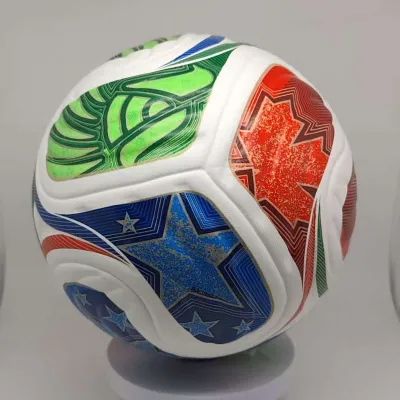
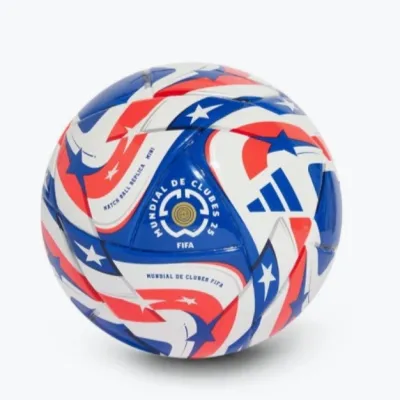
Prices are valid at publication and may change. Please refer to the product page for the latest price.
When shopping for a certified ball, buyers must look for the official printed logos directly on the outer casing. These are registered, trademarked graphics that read “FIFA Quality Pro” or “FIFA Quality.” Be cautious of generic marketing claims such as “designed to FIFA specifications” or “FIFA-approved dimensions.” These phrases are often used by manufacturers who have not submitted their products to FIFA’s independent testing laboratories. A genuine certified ball will always display the official holographic or printed emblem, which also includes a unique license number that can be verified on FIFA’s official database.
Matching the Ball to Your Playing Surface in Singapore
The playing surface is the single most critical factor determining how long your football will last and how it will behave. In Singapore, the vast majority of public and private pitches—ranging from ActiveSG facilities to commercial futsal cages—are laid with artificial turf. Synthetic turf is highly abrasive. The plastic grass blades and the black rubber infill granules generate significant friction and heat during play. This abrasive environment acts like fine sandpaper on a football. If you use a high-end match ball with a soft, thin outer casing on artificial turf, the textured surface will wear down rapidly, and the seams may begin to fray. For synthetic pitches, look for balls constructed with highly durable polyurethane (PU) casings and reinforced seams that are specifically rated for turf use.

Natural grass pitches are relatively rare in Singapore, typically reserved for premium stadium venues, school main fields, or high-level league matches. Natural grass provides a much softer, cushioned impact. This is the ideal environment for a FIFA Quality Pro match ball. On natural grass, the ball’s aerodynamic properties, delicate outer textures, and soft-touch backing layers can perform to their maximum potential without the risk of rapid physical degradation. The moisture on natural grass also demands a ball with excellent water resistance, making thermally bonded match balls the premier choice.
Hard courts, concrete surfaces, and void decks present a completely different challenge. These surfaces are incredibly harsh on any sports ball. Using a FIFA-certified match or training ball on concrete will ruin its casing, scuff away its graphics, and tear the stitching within a few sessions. If your primary playing venue is a concrete street court or a neighborhood hard court, you should avoid FIFA-certified field balls entirely. Instead, opt for dedicated street footballs or low-rebound futsal balls. These are built with heavy-duty rubber, canvas, or thick synthetic leather casings designed to withstand concrete abrasion, though they rarely carry FIFA field-football certifications.
Singapore’s tropical climate also introduces unique variables. High ambient temperatures (frequently exceeding 30°C) combined with high humidity can alter the physical properties of a football. High temperatures cause the air inside the bladder to expand, increasing the internal pressure. Meanwhile, high humidity can make some synthetic materials feel slightly slicker. Choosing a ball with a high-quality textured outer casing helps maintain grip between the boot and the ball, even when the air is thick with moisture or during a sudden tropical downpour.
Recommended Football Categories by Use Case
Competitive Match Play (FIFA Quality Pro)
For competitive league matches, cup tournaments, or high-stakes weekend games, a FIFA Quality Pro ball is the standard. These balls are constructed using thermal bonding, a process where the panels are glued and fused together in a heated mold rather than stitched. This seamless construction prevents water absorption almost entirely, ensuring the ball does not become heavy and sluggish during wet-weather play. It also provides a perfectly uniform surface for a highly predictable flight path.
The outer casing of these match balls typically features premium, high-grade polyurethane (PU) with advanced surface textures, such as micro-dimples or specialized grooves. These textures manage air boundary layers to stabilize the ball’s trajectory at high speeds. Inside, these balls often utilize a latex bladder, which offers the softest touch, most responsive feel, and highest rebound velocity. However, latex is naturally porous and loses air slowly over a few days, requiring you to inflate the ball before every session. Because of their delicate, high-performance construction, these balls should be reserved strictly for match days on grass or high-quality artificial turf to justify their higher price point, which often ranges from S$120 to over S$200.
Regular Team Training (FIFA Quality)
For weekly training sessions, team drills, and regular amateur games, a FIFA Quality certified ball offers the optimal balance of performance and longevity. These balls are designed to withstand the high-frequency impact of daily practice. The construction often employs machine-stitching reinforced with specialized backing layers, or hybrid construction methods that combine stitching and bonding for enhanced seam protection against turf friction.
The casings on training balls are generally thicker than those on match balls, using slightly denser PU or PU-PVC hybrids. This extra thickness provides a cushioned feel while absorbing the abrasive wear of synthetic turf rubber granules. Additionally, training balls almost exclusively feature butyl bladders. Butyl is a synthetic rubber with exceptional air retention properties. A butyl-bladder ball can maintain its pressure for weeks, making it highly practical for coaches or players who do not want the hassle of pumping up a bag of balls before every single practice. These balls typically cost between S$50 and S$90, representing a smart investment for regular play.
Casual Play and Academy Drills
If you are purchasing balls for high-volume academy drills, recreational kickabouts, or casual weekend games with friends, FIFA certification is not strictly necessary. Reputable sports brands manufacture a wide range of high-quality, non-certified training balls and official “replica” models. These replica balls are designed to visually mimic the premium match balls used in professional leagues, but they are constructed with more cost-effective materials and simpler manufacturing techniques.
These entry-level balls focus heavily on durability and consistent bounce. They typically feature machine-stitched seams and robust TPU (thermoplastic polyurethane) or PVC casings that can handle rough handling, concrete-adjacent grass patches, and repetitive kicking drills. While they lack the refined aerodynamic textures and ultra-soft touch of a match ball, they offer a highly reliable playing experience at a fraction of the cost—usually ranging from S$20 to S$45. This makes them highly economical for youth academies or casual players who prioritize longevity over elite aerodynamic performance.
Key Specifications to Check Before Buying
When evaluating a football in-store or reviewing specifications online, a systematic checklist will help you verify its quality and suitability:
- Size and Weight: Ensure you are purchasing the correct size for the players' age group. Size 5 is the global standard for players aged 12 and older, including all adult leagues. A standard Size 5 ball must have a circumference of 68 to 70 centimeters. For FIFA Quality Pro certification, the ball must weigh between 410 and 450 grams at the start of a match.
- Seam Construction: Inspect how the panels are joined. Thermally bonded seams are the gold standard for water resistance and flight consistency because they leave no exposed stitching. If buying a stitched ball, look for hand-stitched or high-density machine-stitched seams. Ensure there are no visible gaps between the panels, loose threads, or uneven ridges, as these flaws will allow moisture to seep in and cause the ball to lose its shape.
- Bladder Type: Choose the bladder material based on your maintenance tolerance. Select a latex bladder if you prioritize a professional, highly responsive bounce and a soft touch, and do not mind inflating the ball before every game. Select a butyl bladder if you want a low-maintenance ball that holds air for weeks at a time, making it ideal for training bags.
- Surface Texture: Run your hand over the outer casing. A completely smooth surface is more prone to slipping on wet boots and can experience unpredictable aerodynamic "knuckling" in flight. Look for a ball with a textured surface—such as micro-dimples, grain textures, or aerodynamic grooves—to ensure consistent grip and stable flight in Singapore's humid conditions.
- Valve Integration: Check the inflation valve. It should be securely integrated, perfectly centered, and sit flush with the outer casing. A protruding or loose valve can cause minor imbalances in the ball's rotation, leading to a wobbling flight path, and can also present a minor puncture risk if struck at a bad angle.
Care and Maintenance for Singapore's Climate
Singapore’s tropical environment—marked by high humidity, sudden heavy downpours, and intense solar heat—can accelerate the degradation of a football if it is not cared for properly. Implementing a simple maintenance routine will significantly extend the lifespan of your investment.
- Cleaning: After playing on artificial turf, your ball will likely be covered in black rubber dust and dirt. Wipe the ball down with a damp, soft cloth after every session. Avoid using harsh household detergents, chemical solvents, or abrasive scrubs, as these can strip away the outer PU casing's protective coating and degrade the textured grip. If the ball is wet from rain, dry it thoroughly with a towel before storing it to prevent mold growth on any exposed seam backing.
- Storage: Never store your football in direct sunlight or inside a hot car boot. Temperatures inside a sealed vehicle parked under the Singapore sun can quickly exceed 50°C. This extreme heat causes the air inside the bladder to expand rapidly, putting immense stress on the seams and internal bonding agents, which can warp the ball's shape or cause the seams to burst. Store the ball in a cool, dry, well-ventilated indoor area.
- Inflation: Always use a reliable pressure gauge when inflating your ball. Most footballs list their recommended pressure range (typically 0.6 to 1.1 bar, or 8.7 to 16.0 psi) directly next to the valve. Avoid over-inflating the ball, as this stretches the casing materials and weakens the seams. To protect the valve from damage or air leaks, always moisten the inflation needle with a drop of glycerin, valve oil, or soapy water before inserting it.
Frequently Asked Questions (FAQ)
Do I need a FIFA Quality Pro ball for casual 5-a-side games?
No, a FIFA Quality Pro ball is not necessary or recommended for casual 5-a-side games. Small-sided games on commercial turf pitches involve high-frequency impacts against metal cages, boards, and walls. These harsh impacts, combined with the intense friction of tight-space play, will quickly scuff and degrade the delicate, premium casing of a match ball. For casual 5-a-side play, a durable FIFA Quality ball or a robust, non-certified training ball is a much more practical and cost-effective choice.
How does Singapore's humidity affect football bladders?
High relative humidity does not directly degrade the synthetic rubber (butyl) or natural rubber (latex) materials used in football bladders. However, the high ambient heat that accompanies Singapore’s climate causes the air inside the bladder to expand. If a ball is left fully inflated in a hot environment, this thermal expansion can over-pressurize the bladder, stressing the seams and warping the casing. To mitigate this, check the air pressure regularly and store the ball in a temperature-controlled indoor space.
Can I use a premium match ball on concrete courts?
You should never use a premium FIFA-certified match ball on concrete, asphalt, or street courts. These abrasive surfaces will instantly ruin the ball. The rough concrete acts like sandpaper, scraping off the outer textured PU layer, damaging the thermal bonding or stitching, and exposing the inner backing materials. For hard concrete surfaces, purchase a dedicated street football or street futsal ball, which is constructed with highly durable rubber or heavy-duty canvas designed specifically to withstand abrasive friction.
Community discussion
Share your experience or ask a question. Comments are reviewed before publication.