
Selecting the perfect soccer ball in Singapore requires more than just picking a reputable brand or an eye-catching graphic. Because local playing venues range from abrasive artificial turf pitches to high-grip indoor futsal courts and rain-slicked natural grass fields, the physical demands placed on your equipment vary dramatically. A ball that excels on a pristine grass pitch can wear out within weeks on a hot synthetic turf field, while a standard outdoor ball will prove dangerously uncontrollable on a polished indoor court.
To make an informed investment, you must understand how different ball constructions interact with these distinct environments. Choosing a certified fifa soccer ball ensures that the equipment has undergone rigorous laboratory testing for weight, roundness, bounce, and water absorption. By matching these certified standards to your primary playing surface, you can maximize your performance, protect your joints from unnecessary strain, and ensure your ball survives the rigors of the local climate.
Understanding FIFA Certifications to Match Your Skill Level
When shopping for a certified ball, you will encounter distinct stamps that indicate the level of testing the ball has undergone. The highest tier is the “FIFA Quality Pro” certification. Balls carrying this mark are engineered for elite professional matches and must pass stringent laboratory tests. These evaluations analyze weight retention, roundness deviation, loss of pressure, water absorption, and aerodynamic flight stability. If you play in competitive leagues or high-intensity matches where maximum precision is required, investing in a FIFA Quality Pro ball ensures you are playing with the exact standards used in professional global tournaments.
Products mentioned in this guide
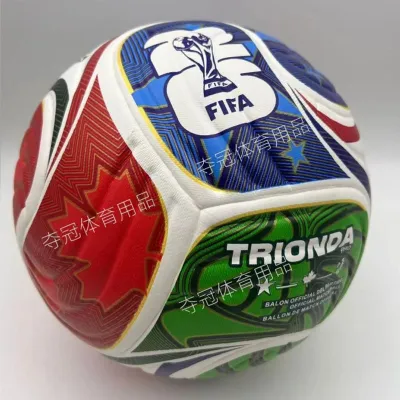
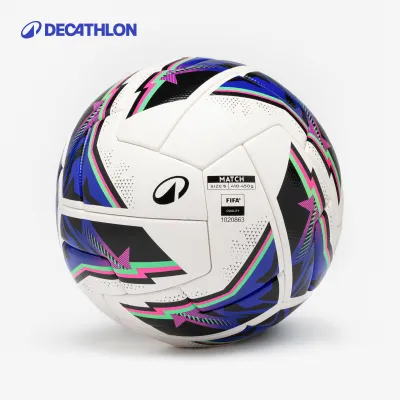
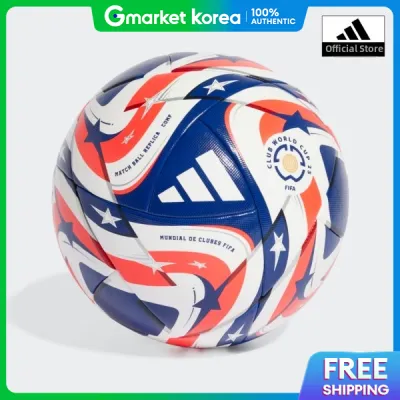
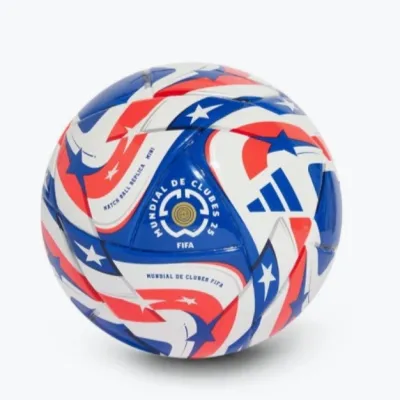
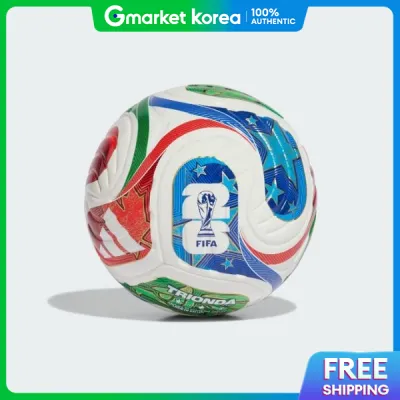
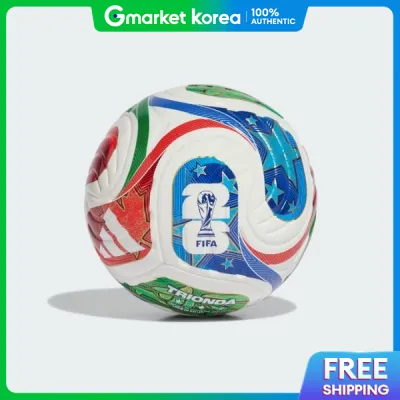
Prices are valid at publication and may change. Please refer to the product page for the latest price.
For recreational players, amateur leagues, and regular training sessions, the “FIFA Quality” certification offers an exceptional balance of performance and value. This middle-tier certification still requires the ball to pass rigorous tests for weight, bounce, and shape retention, but the tolerances are slightly wider than the Pro standard. FIFA Quality balls are specifically engineered to prioritize durability, making them highly resilient against the repetitive impacts and abrasive wear typical of community pitches. Choosing this tier allows you to enjoy a reliable, predictable flight path without paying the premium price associated with professional match-day equipment.
To ensure you are purchasing a genuine certified ball, always look for the official, licensed holographic or printed FIFA certification mark directly on the ball’s casing. Genuine certified balls will also feature a unique license number beneath the logo, which can be verified on FIFA’s official equipment database. Be highly cautious of counterfeit or non-certified “match-style” balls. These lookalikes often mimic the graphic designs of famous tournament balls but are constructed with cheap PVC casings, uneven stitching, and low-grade bladders that warp quickly and lose air pressure within hours.
Selecting the Right Ball for Local Playing Surfaces
Singapore’s football landscape is highly diverse, meaning a single ball type is rarely suitable for every venue. Matching your ball’s physical properties to the specific pitch type is crucial for both performance and longevity.

Artificial Turf: Prioritizing Durability and Abrasion Resistance
Synthetic 3G and 4G turf pitches are the most common playing surfaces in Singapore, found across various community sports hubs, school fields, and private commercial venues. While these pitches offer consistent flat playing surfaces, they present two major challenges: high friction and intense heat retention. During the afternoon, the black rubber crumb infill absorbs solar radiation, causing surface temperatures to rise significantly. This intense heat, combined with the abrasive plastic grass blades, quickly degrades low-quality glues and synthetic casings.
To withstand these harsh conditions, you should prioritize balls constructed with high-durability polyurethane (PU) outer casings reinforced with multi-layer polyester or foam backings. Avoid polyvinyl chloride (PVC) casings, as they dry out, crack, and become brittle when exposed to hot synthetic turf. Look for balls featuring thermally bonded or high-density machine-stitched seams. These construction methods minimize exposed threads, preventing the abrasive synthetic turf fibers from fraying the seams and causing the ball to split open.
When playing on artificial turf, a standard Size 5 ball with a consistent, predictable bounce is ideal. Many manufacturers offer specialized “turf-specific” models that feature slightly thicker outer skins and reinforced panels designed to resist scuffing and turf burn. Verifying these material specifications before purchasing will ensure your ball maintains its structural integrity despite the high friction of synthetic pitches.
Indoor and Hard Courts: Managing Bounce and Grip
Futsal is incredibly popular in Singapore, with matches regularly held on polished wooden indoor courts, synthetic rubber surfaces, or concrete neighborhood cages. Playing on these hard, non-yielding surfaces with a standard outdoor soccer ball is highly inefficient and can lead to joint strain. Standard balls bounce excessively on hard floors, making close-control passing, rapid dribbling, and aerial control incredibly difficult to manage in tight spaces.
For these environments, you must use a dedicated Size 4 futsal ball. These balls are specifically engineered with a low-bounce bladder, which is typically stuffed with synthetic fibers or foam to dampen the rebound. This reduced rebound keeps the ball low to the ground, facilitating the quick, short-passing style that defines indoor play. Using a standard ball on a hard court not only ruins the flow of the game but also increases the risk of ankle rolls and impact injuries due to unpredictable bounces.
In addition to a low-bounce bladder, look for balls with softer, high-grip outer materials such as synthetic suede or textured PU. These materials provide the necessary friction against flat-soled futsal shoes and polished floors, allowing for precise sole-control traps and quick directional changes. Ensure the ball is clearly labeled for indoor or futsal use, as outdoor balls will slide uncontrollably on smooth indoor surfaces.
Natural Grass: Maximizing Water Resistance and Flight
Natural grass pitches represent the premium, traditional football experience, but they are highly susceptible to Singapore’s tropical weather. Sudden, heavy monsoon downpours can quickly saturate a grass field, leaving standing water and muddy patches. If you play on natural grass, your primary concern must be water resistance and aerodynamic consistency under wet conditions.
Standard stitched balls feature thousands of tiny needle holes along their seams. When played on wet grass, these holes act like sponges, drawing water into the inner foam layers and bladder. This waterlogging dramatically increases the ball’s weight, making it heavy to kick, altering its flight trajectory, and significantly increasing the risk of neck and head injuries during headers. To combat this, you should select a thermally bonded FIFA Quality Pro ball. The thermal bonding process seals the panels together without stitches, creating a completely seamless, waterproof barrier that keeps water absorption close to zero.
Furthermore, look for balls designed with textured outer skins, often featuring micro-dimples or specialized aero-grooves. This texture helps disrupt the airflow around the ball, maintaining a stable, predictable flight path even when cutting through heavy rain. It also provides players with crucial boot-to-ball grip when the surface is slick. While these high-performance balls offer the ultimate feel on grass, keep in mind that they are delicate; using a premium grass ball on rough concrete or abrasive artificial turf will quickly scuff the soft outer texture and ruin its aerodynamic properties.
Before starting any match on a natural grass field during the monsoon season, always monitor local weather alerts. If a sudden thunderstorm occurs and Singapore’s lightning warning system is activated, immediately halt play, leave the field, and seek shelter in a fully enclosed building.
Construction Features to Check Before You Buy
Understanding the internal anatomy of a soccer ball allows you to evaluate its quality beyond superficial brand graphics and color schemes. When shopping online or in-store, pay close attention to three primary structural elements.
First, evaluate the bladder material, which dictates air retention and responsiveness. Butyl bladders are constructed from a synthetic rubber compound that offers exceptional air retention, often holding pressure for several weeks without needing a top-up. This makes butyl bladders highly practical for casual players who want a low-maintenance ball. However, butyl is stiffer and can feel slightly heavy. In contrast, latex bladders are highly flexible and responsive, offering a soft touch and an explosive bounce preferred by competitive players. The trade-off is that latex is naturally porous and slowly leaks air, requiring you to pump the ball before every single session.
Second, analyze the panel design and configuration. Traditional soccer balls feature a 32-panel design, which provides a highly stable and symmetrical shape. However, modern manufacturing has introduced designs with fewer panels, ranging from 12 to 20 panels. Fewer panels mean fewer seams, which reduces the surface area vulnerable to water entry and creates a larger, uninterrupted striking zone for cleaner contact. While both configurations can achieve FIFA certification, fewer panels generally offer a more modern, aerodynamic flight path, whereas 32-panel designs provide a classic, highly predictable feel.
Third, inspect the seam construction. The three standard methods are machine-stitching, hand-stitching, and thermal bonding. Machine-stitched balls are budget-friendly but feature loose, exposed threads that are highly susceptible to water penetration and abrasive wear. Hand-stitched balls use thicker, stronger polyester threads that are recessed deeper into the seams, offering better durability and a deeper touch. Thermally bonded balls represent the pinnacle of modern construction; the panels are heated and glued together in a mold, resulting in a seamless, perfectly spherical ball with zero water absorption and maximum durability on all surfaces.
Protecting Your Ball from Heat, Rain, and Humidity
Singapore’s tropical climate—characterized by intense UV rays, high ambient heat, and relative humidity levels that regularly exceed 80%—can accelerate the degradation of even the highest-quality FIFA-approved balls. Implementing a simple, disciplined maintenance routine will significantly extend your ball’s lifespan.
Proper inflation is the most critical factor in preventing premature structural failure. Always use a reliable pressure gauge to inflate your ball to the exact manufacturer-recommended PSI, which is typically printed directly around the valve panel (usually between 8.5 and 11.5 PSI). Over-inflation stretches the outer casing, stresses the seams, and can warp the bladder, while under-inflation causes the ball to lag and increases friction against the ground. Before inserting the pump needle, always lubricate it with a drop of glycerin or soapy water to prevent damaging or displacing the rubber valve core.
After playing, take a few minutes to clean your ball before storing it. If you played on artificial turf, the ball will likely be coated in fine black rubber dust and sweat; if you played on natural grass, it may have mud and organic debris clinging to the seams. Wipe the surface clean using a soft microfiber cloth dampened with clean water. Never use harsh household detergents, dishwashing liquids, or industrial solvents, as these chemicals strip away the protective polyurethane coatings and degrade the adhesives holding the panels together.
Finally, store your ball in a cool, dry, and well-ventilated indoor environment away from direct sunlight. High humidity can foster mold growth on damp seams, while prolonged UV exposure fades graphics and dries out synthetic casings. Never leave your soccer ball inside the trunk or on the dashboard of a car parked under the sun. The greenhouse effect can easily raise internal car temperatures above 60°C, causing the air inside the ball to expand rapidly, which can rupture the bladder or permanently warp the ball’s shape.
Frequently Asked Questions (FAQ)
Can I use a standard outdoor FIFA ball on indoor hard courts?
Using a standard outdoor ball on indoor hard courts is highly discouraged due to safety and performance risks. Standard outdoor balls are designed to bounce on soft grass or turf, meaning they will rebound uncontrollably on hard concrete or wooden floors. This excessive bounce makes close control difficult and increases the likelihood of the ball striking players at high speeds. Furthermore, standard casings lack the specific grip required for smooth indoor floors, causing the ball to slide unpredictably, while the abrasive hard ground will rapidly scuff and damage the outdoor ball’s outer casing.
How often should I check the air pressure of my soccer ball?
You should check your soccer ball’s air pressure before every playing session. This is especially critical if your ball features a high-performance latex bladder, which naturally leaks small amounts of air daily. Even butyl bladders, which retain air much better, can experience minor pressure drops over a week. Always use a dedicated pressure gauge to ensure the ball sits within the manufacturer’s recommended PSI range printed on the casing. This quick check guarantees optimal bounce, accurate flight, and prevents seam damage caused by kicking an under-inflated or over-inflated ball.
Does a higher price always mean a better FIFA-certified ball?
A higher price indicates that a ball meets the elite performance standards required for professional match play, but it does not automatically make it the best choice for your specific situation. Premium FIFA Quality Pro balls are optimized for pristine natural grass and feature soft, responsive materials that can wear out quickly if subjected to the high friction and heat of public artificial turf pitches. For regular training and amateur play on synthetic turf, a mid-tier FIFA Quality ball is often a more cost-effective and durable choice, as it is engineered specifically to withstand abrasive wear.
Community discussion
Share your experience or ask a question. Comments are reviewed before publication.