
Selecting the most suitable fishing kayak brand for Singapore’s unique waters requires balancing two highly contrasting aquatic environments: high-salinity coastal paths with strong tidal currents, and calm, strictly regulated freshwater reservoirs. For anglers in Singapore, choosing a personal watercraft—which serves as a highly maneuverable, cost-effective personal fishing boat—depends on matching a brand’s hull design, propulsion system, and material durability to your primary fishing venue. While premium pedal-drive brands excel in open coastal waters, lightweight roto-molded or inflatable options are often more practical for reservoir fishing and the storage constraints of high-density urban living.
Equipment alone cannot replace proper open-water training, physical conditioning, and localized safety checks. Before purchasing any watercraft, you must assess your personal physical limits, understand local maritime and environmental regulations, and establish clear safety protocols. By evaluating brands based on their engineering, material resilience, and local dealer support, you can secure a vessel that keeps you safe and productive on the water.
Decoding Singapore's Coastal and Reservoir Fishing Conditions
Singapore’s coastal fishing venues, such as Changi, East Coast Park, and Punggol, present demanding marine environments that require robust watercraft. These areas are characterized by significant tidal ranges—often exceeding three meters—which generate powerful currents, particularly around headlands and narrow channels. Anglers must also contend with sudden wind chop during the Northeast and Southwest monsoon seasons, saltwater corrosion, and heavy commercial and recreational marine traffic. To navigate these coastal zones safely, a vessel must possess excellent tracking tracking (the ability to maintain a straight course) and high secondary stability, which prevents capsizing when the craft is tilted by waves or swells.
Products mentioned in this guide
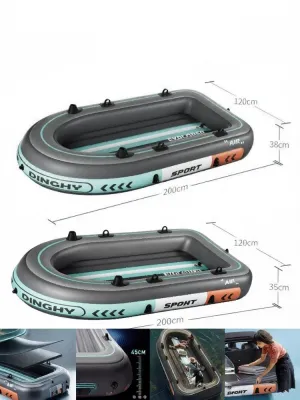
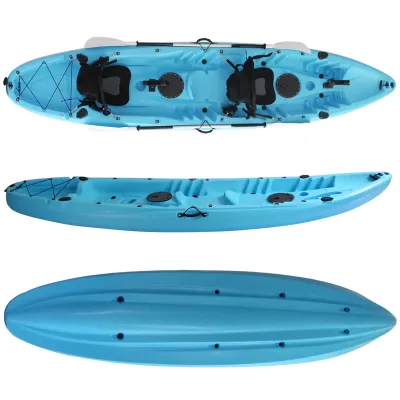
Prices are valid at publication and may change. Please refer to the product page for the latest price.
In contrast, Singapore’s designated freshwater reservoirs, such as Bedok, Lower Seletar, and MacRitchie, offer calm, sheltered, and relatively shallow environments. These waters are often choked with submerged aquatic vegetation, such as hydrilla, which can easily entangle complex propulsion systems. Reservoir angling demands a watercraft with a shallow draft to glide over weedy flats, quiet operation to avoid spooking fish in confined spaces, and high portability. Because motorized propulsion is heavily restricted in these freshwater sanctuaries, human-powered agility and ease of launching from designated grassy banks or floating pontoon steps are paramount.
While the term “fishing boat” traditionally brings to mind large, motorized fiberglass vessels, personal fishing kayaks have become the most practical and legally accessible alternative for Singaporean anglers. Motorized boats require specialized licensing, expensive marina mooring fees, and complex registration with the Maritime and Port Authority of Singapore (MPA). A specialized fishing kayak bypasses these financial and bureaucratic hurdles, offering a stealthy, highly transportable platform that can access shallow flats, rocky shorelines, and restricted reservoir zones where larger motorized vessels are strictly prohibited.
Must-Have Features for Your Local Fishing Boat or Kayak
Hull geometry directly dictates how a personal fishing boat behaves in different water conditions, making it the first specification to verify. Pontoon (or tunnel) hulls and deep-V hulls serve entirely different purposes. A deep-V hull cuts cleanly through coastal chop and maintains excellent forward speed, making it ideal for long transits in open water, though it may feel slightly tippy when standing. Pontoon and flat-bottom hulls prioritize primary stability, allowing anglers to stand safely while casting or fighting large fish, which is highly advantageous in calm reservoir settings, though they tend to slap against coastal waves and suffer from increased wind drift.

Material and Build Quality
- High-Density Polyethylene (HDPE): The industry standard for durability. Roto-molded HDPE hulls can withstand impacts against submerged granite boulders at Punggol or sharp oyster beds along coastal breakwaters without cracking.
- UV-Stabilized Plastics: Singapore's intense equatorial sun degrades untreated plastics rapidly. Ensure the manufacturer specifies marine-grade, UV-stabilized polyethylene to prevent the hull from becoming brittle and fading over years of outdoor exposure.
- Corrosion-Resistant Hardware: Saltwater will quickly ruin inferior metals. Verify that all screws, gear tracks, rudder cables, and structural frames are made from 316-grade stainless steel, anodized marine-grade aluminum, or high-strength composite polymers.
Propulsion Systems
Traditional paddles are reliable, lightweight, and mechanically simple, making them excellent for shallow, weedy reservoir margins where mechanical drives might snag. However, hands-free pedal-drive systems—utilizing either rotational propellers or oscillating kick-up fins—are highly advantageous for coastal anglers. Pedal drives leverage your stronger leg muscles to cover long distances against tidal currents, leaving your hands free to cast, hold a rod, or manage a fish. Electric trolling motors offer effortless propulsion but add significant weight, require heavy marine batteries, and necessitate registration if they exceed specific power thresholds.
Rigging and Storage
Your vessel must be equipped to handle local target species such as barramundi, mangrove jack, and golden snapper in coastal waters, or peacock bass and giant snakehead in reservoirs. Look for flush-mount rod holders that keep your rods secure and out of the way during launching and landing. Integrated gear tracks are essential for mounting fish finders, camera poles, and safety flags without drilling permanent holes into the hull. An anchor trolley system is another crucial feature, allowing you to adjust the angle of your anchor line relative to the current or wind, keeping your bow pointed into the waves for safety. Finally, verify that the craft has secure, gasketed waterproof hatches to protect your electronics, keys, and dry gear from sudden tropical downpours.
Matching Kayak Brand Categories to Your Fishing Style
Selecting a brand is not about finding a universal “best” label, but rather matching a manufacturer’s design philosophy to your specific budget, storage capacity, and primary fishing venue. Brands generally fall into distinct categories, each offering unique trade-offs in performance, durability, and convenience.
Premium Pedal-Drive Specialists
Manufacturers that specialize in premium pedal-drive systems are highly favored by serious coastal anglers who regularly launch into open seas. These brands are distinguished by advanced propulsion designs, such as oscillating fin systems that fold flat against the hull when passing over shallow reefs, or instant-reverse propeller drives. These systems allow you to hold your position in a strong current near bridge pylons or rocky structures while keeping your hands free to fish.
However, these premium models represent a significant financial investment, with entry-level prices often starting around S$3,000 and premium packages exceeding S$6,000. They are also considerably heavier than paddle-only models, often weighing between 35kg and 55kg before gear is loaded. This weight makes transport and solo loading onto a car roof rack physically demanding, and the complex steering and drive mechanisms require regular freshwater rinsing, lubrication, and periodic cable tension adjustments to prevent failure in saltwater environments.
Roto-Molded Sit-on-Top Manufacturers
For anglers seeking a balance of rugged durability and value, mid-tier brands focusing on traditional roto-molded sit-on-top hulls are highly practical. These manufacturers prioritize thick, robust HDPE construction designed to take a beating. They are highly suitable for beginners who may drag their watercraft over concrete boat ramps, sandy beaches, or gravel shorelines. Many of these hulls feature wide, stable platforms that allow for comfortable standing and high weight capacities, making them excellent multi-purpose vessels for both coastal shores and reservoir boundaries.
The trade-off with these brands is typically speed and weight. Because the hulls are designed for maximum stability and impact resistance, they tend to be wider and heavier, requiring more physical effort to paddle over long distances. They also lack the highly refined, integrated accessory systems found on premium models, meaning you may need to spend more time and effort customizing the deck with aftermarket gear tracks, rod holders, and anchor systems.
Inflatable and Folding Kayak Brands
Living in Singapore often means navigating the spatial constraints of Housing & Development Board (HDB) flats or private condominiums, where storing a rigid 12-foot plastic kayak is practically impossible. Inflatable and folding kayak brands address this specific challenge by offering high-performance vessels that pack down into a large backpack or wheeled suitcase, fitting easily into a wardrobe or a car boot.
Modern inflatable fishing kayaks utilize high-pressure drop-stitch technology—the same construction used in stand-up paddleboards—allowing the floor and side chambers to be inflated to a high pressure (often 10 to 15 PSI). This results in a rigid platform that you can comfortably stand on. These brands often incorporate specialized protective skins, such as heavy-duty PVC or polyurethane coatings, to resist abrasions and fish hook punctures.
Despite these advancements, inflatable and folding models have distinct limitations. Their lightweight construction and higher profile make them highly susceptible to wind drift, which can be dangerous in open coastal waters with strong offshore breezes. They also require a dedicated setup and pack-down routine, including inflating, deflating, and thoroughly drying the material to prevent mold before storage. Additionally, while highly puncture-resistant, they still carry a marginal risk of damage when dragged over sharp oyster beds, barnacle-encrusted pylons, or jagged rocks along coastal breakwaters.
Verification and Local Support
Before purchasing any brand, you must verify its local footprint in Singapore. A brand may have glowing reviews on international forums, but if there is no local distributor, sourcing replacement parts can become a logistical nightmare. Prioritize brands that have established, authorized local dealers who stock critical replacement parts such as rudder cables, drive pins, replacement fins, scupper plugs, and seat hardware.
Consult local kayak fishing community groups and online forums to assess real-world experiences regarding warranty claims and dealer support. A local warranty that covers hull cracks or drive failures is invaluable, as shipping a large plastic hull back to an overseas manufacturer is financially prohibitive. Ensure the local dealer can provide hands-on maintenance support and has a reputation for honoring warranties promptly.
Navigating Singapore's Boating Regulations and Safety Rules
Operating a personal watercraft in Singapore requires strict adherence to local laws and safety protocols to protect both yourself and the environment. Regulations differ significantly depending on whether you are launching into freshwater reservoirs or open coastal waters.
Reservoir Regulations
Singapore’s reservoirs are managed by the Public Utilities Board (PUB), and recreational vessel access is strictly regulated to protect the water quality and ensure public safety. You must verify which reservoirs permit kayaking and ensure you launch only from designated, authorized zones. Some reservoirs require vessels to be registered or to carry specific activity tags, while others only permit rentals from authorized operators.
Always check for restricted zones within the reservoirs, which are often marked by buoys or barriers. These zones may protect sensitive wildlife habitats, water intake structures, or areas with safety hazards. Be aware that some northern reservoirs and coastal estuaries have documented crocodile sightings; always heed warning signs, avoid launching in low-light conditions, and maintain a safe distance from any wildlife.
Coastal Safety Protocols
When launching into coastal waters, you fall under the safety guidelines of the Maritime and Port Authority of Singapore (MPA). While non-motorized kayaks do not currently require a formal vessel license or operator’s permit, you must comply with international regulations for preventing collisions at sea (COLREGs) and maintain a safe distance from commercial shipping lanes, ferry routes, and naval bases.
- Personal Flotation Devices (PFDs): A properly fitted, inherently buoyant Type III or V PFD must be worn at all times while on the water. Inflatable PFDs are not recommended for kayak fishing due to the risk of accidental puncture by fish spines or hooks.
- Communication Equipment: Always carry a waterproof VHF marine radio (tuned to Channel 12 or 16 for port operations and emergencies) or a mobile phone sealed in a reliable, floating waterproof pouch.
- Visibility Gear: To remain visible to larger vessels, display a highly visible orange safety flag on a whip pole at least 1.2 meters above the deck. If operating during dawn, dusk, or periods of restricted visibility, you must display a 360-degree white navigation light to prevent collisions.
- Weather Monitoring: Singapore is prone to sudden, severe thunderstorms and lightning strikes. Always check the National Environment Agency (NEA) weather forecast and lightning alert systems before launching, and immediately head for shore if a storm approaches.
Transport and Storage Logistics
If you own a rigid kayak, you must plan how to transport it safely. When using a vehicle roof rack, verify the dynamic load limit of your car’s roof, which is typically specified in the vehicle owner’s manual (often ranging between 50kg and 75kg). Ensure the rack system is securely bolted to the vehicle’s roof rails and use high-quality cam straps or tie-down straps to secure the bow and stern of the kayak to the car’s bumpers.
Under Land Transport Authority (LTA) regulations, any load carried on a vehicle must be securely fastened and must not overhang excessively or present a hazard to other road users. If your kayak extends beyond the rear of your vehicle, you may need to attach a red flag or warning marker to the protruding end. If home storage in an HDB flat or condominium is not feasible due to space constraints, research local storage options, such as renting a rack space at a coastal canoe club, marina, or specialized sea sports center.
Practical Steps to Test and Buy Your Kayak Locally
Investing in a fishing kayak is a significant financial commitment, and making the wrong choice can lead to discomfort, safety risks, or a vessel that sits unused in storage. Follow these practical steps to ensure you select the right craft for your body type, budget, and fishing style.
In-Store Evaluation
Before making an online purchase, visit a specialized local kayak shop or marine outfitter in Singapore. Sit in the cockpit of the models you are considering to evaluate the ergonomics and comfort of the seating system, which is critical for long hours on the water. Adjust the foot braces or pedal drive to ensure you can reach them comfortably without straining your back or knees.
While in the shop, practice reaching for the rod holders, gear tracks, and storage hatches from the seated position to ensure the layout is intuitive and safe. Physically lift the kayak with the help of a store assistant to gauge whether you can manage its weight during transport, loading, and launching.
On-Water Testing
Never buy a kayak based solely on dry-land impressions or internet specifications. Seek out local kayak rental operators, specialized guiding outfits, or dealer demo days to test the specific model—or a similar hull design—on actual local waters.
During your on-water test, focus on three key performance metrics:
- Primary and Secondary Stability: Rock the kayak gently from side to side while seated to feel how the hull responds. If possible, attempt to stand up in a controlled environment to assess whether the platform is stable enough for your balance levels.
- Pedal or Paddle Efficiency: Evaluate how much physical effort is required to maintain a comfortable cruising speed, and test how cleanly the rudder system steers the craft against wind and current.
- Tracking and Turning Radius: Observe how straight the kayak travels when you stop paddling or pedaling, and test how tightly it can turn, which is crucial for maneuvering around tight reservoir structures or coastal bridge pylons.
Total Cost of Ownership
When planning your purchase, look beyond the base price of the kayak hull. A safe and functional setup requires budgeting for several essential accessories. Allocate a portion of your budget for a high-quality, lightweight fiberglass or carbon-fiber paddle, which serves as your primary propulsion or critical safety backup if a pedal drive fails.
Do not skimp on a premium, ventilated PFD designed specifically for kayak fishing, as cheap models can cause severe chafing and discomfort in Singapore’s humid climate. You will also need a robust kayak trolley or cart with wide, puncture-proof wheels to transport the heavy vessel from your vehicle to the water’s edge, an anchor or stakeout pole system, a basic safety whistle, a first-aid kit, and a reliable roof rack or storage solution. Factoring in these accessories from the start will prevent unexpected expenses and ensure you launch with a safe, fully compliant setup.
Frequently Asked Questions (FAQ)
Do I need a license or permit to use a fishing kayak in Singapore?
In Singapore’s coastal waters, you do not currently require a formal license or permit to operate a non-motorized fishing kayak, though you must strictly adhere to MPA safety guidelines and stay clear of commercial shipping lanes. However, if you plan to fish in freshwater reservoirs managed by PUB, you must comply with specific reservoir regulations. Some reservoirs restrict vessel access to authorized rentals, while others may require private vessels to be registered, carry specific activity tags, or launch only from designated zones. Always verify the latest regulations with PUB and MPA before planning your trip.
Can I use the same saltwater kayak for both coastal and reservoir fishing?
Yes, you can use the same kayak in both environments, but you must manage the physical trade-offs and perform diligent maintenance. A heavy, deep-V coastal kayak designed to cut through ocean chop will track well in open water but may draw too much water and feel sluggish in shallow, weed-choked reservoirs. Conversely, a lightweight, flat-bottom reservoir kayak may lack the secondary stability and tracking needed to safely handle coastal currents and wind chop. If you transition between environments, you must thoroughly rinse the entire hull, rudder cables, and pedal-drive system with fresh water after every saltwater session to prevent salt crystallization and corrosion.
What is the ideal length and weight for a fishing kayak in Singapore?
For a versatile compromise that handles both coastal tracking and reservoir maneuverability, a kayak length between 10 and 12 feet (approximately 3 to 3.6 meters) is highly recommended. Kayaks shorter than 10 feet often struggle to track straight and can be slow against coastal currents, while vessels longer than 12 feet can be difficult to maneuver in tight reservoir bays and present severe transport and storage challenges in Singapore’s urban housing. Keep the total hull weight within your personal physical lifting capacity; a hull weighing between 25kg and 35kg is generally manageable for solo car-topping, whereas heavier pedal-drive models may require a loading assist bar or a second person to lift safely.
Community discussion
Share your experience or ask a question. Comments are reviewed before publication.