
Choosing the right foldable bicycle cover depends entirely on where your bike spends most of its time. For HDB corridors and semi-sheltered areas, a lightweight, highly breathable cover is ideal to prevent moisture buildup and dust accumulation. If you must park your bike in exposed outdoor racks, you will need a heavy-duty, UV-resistant, and fully waterproof cover with secure fastening straps to withstand intense tropical downpours. For daily commuting on public transport or stowing your bike in a car boot, a highly packable, quick-deploy cover is essential to keep grease and dirt off surrounding surfaces without adding unnecessary bulk to your load.
By matching the cover material and design to your specific storage environment, you can protect your investment from rust, paint fade, and mechanical wear. This guide breaks down how to evaluate your daily routine and select the optimal cover features for Singapore’s unique climate and urban landscape.
Identifying Your Primary Storage and Transport Scenario
To find the most effective foldable bicycle cover, start by tracking where your bicycle sits during a typical 24-hour cycle. A bike that remains indoors or in a sheltered corridor has vastly different protection needs than one left at an open-air MRT bicycle bay or carried daily onto crowded trains. Assessing these proportions helps you prioritize features like fabric thickness, breathability, waterproofing, and portability rather than buying a cover that is ill-suited for your primary use case.
Products mentioned in this guide
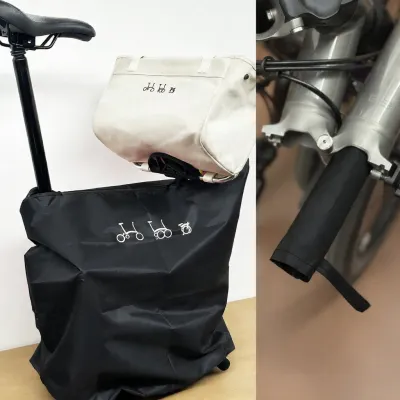
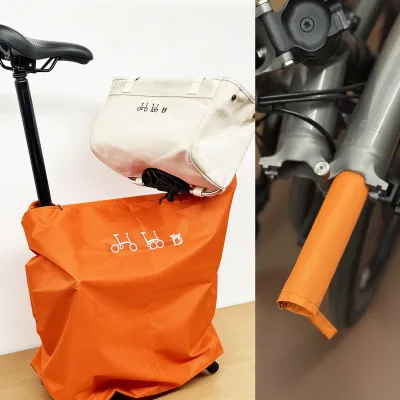
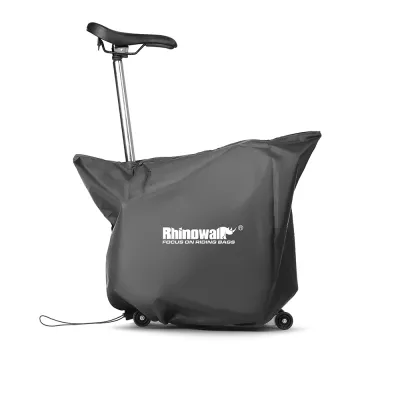
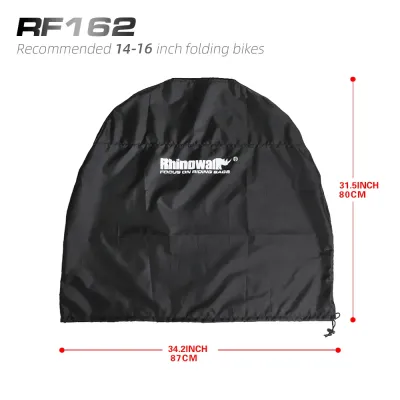
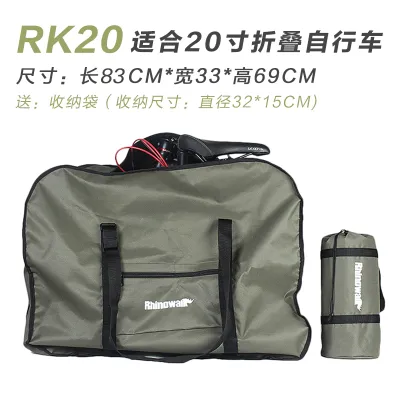
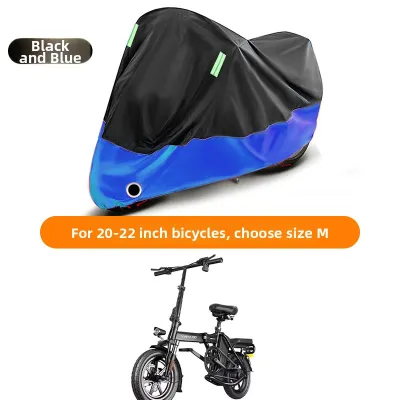
![[SG Seller]Black Color Extra 3 Layer Bike Cover Bicycle Bike Scooter Cover Waterproof Outdoors Rain Foldable Folding Mountain Bike Cycling Accessories](https://img.lazcdn.com/g/p/062cb946996bf839399e394fed4c4dc7.jpg_400x400q80.jpg_.webp)
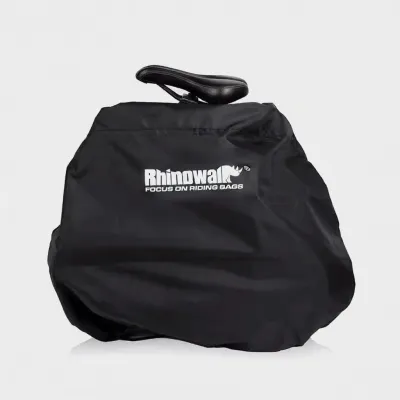
Prices are valid at publication and may change. Please refer to the product page for the latest price.
Environmental stressors in Singapore are particularly harsh on bicycle components. High humidity accelerates oxidation on chains, cassettes, and steel bolts, while intense UV exposure degrades plastic fittings, saddle materials, and tire rubber. Sudden, heavy afternoon monsoons can quickly drench an inadequately covered bike, leading to water pooling in the bottom bracket or frame tubes. Understanding these local climate factors allows you to look for specific material specifications on product labels.
Additionally, local regulations play a critical role in how and where you can store or transport your bicycle. The Singapore Civil Defence Force (SCDF) maintains strict fire safety guidelines regarding corridor storage, requiring a minimum clear escape passage of 1.2 meters. Meanwhile, the Land Transport Authority (LTA) permits folded bicycles on MRT trains and public buses, provided they meet the maximum allowable dimensions of 120cm by 70cm by 40cm. Your choice of cover must accommodate these spatial and regulatory boundaries without causing obstructions or cleanliness issues in public spaces.
Selecting a Cover for HDB Corridors and Semi-Covered Areas
Storing a foldable bicycle along an HDB corridor or within a semi-sheltered void deck requires a cover that balances dust protection with high breathability. In these humid, semi-enclosed environments, trapping stagnant air is a major risk. If you use a heavy, non-breathable plastic cover, ambient moisture will condense on the cold metal surfaces of your bike overnight. This trapped condensation creates a persistent damp microclimate, rapidly leading to rust, mold on saddle fabrics, and seized cables.

To prevent this, prioritize lightweight covers made from breathable nylon or polyester blends. Look for designs that incorporate ventilation flaps, mesh panels, or an open-bottom construction that allows air to circulate freely from underneath. These features ensure that any moisture evaporating from the floor or the bike itself can escape easily, keeping the mechanical parts dry and dust-free.
Daily handling is another key consideration for corridor storage. Because you will likely uncover and cover your bike frequently, the material should be lightweight and easy to fold into a compact size that fits neatly into an entryway shoe cabinet or a small drawer. Avoid stiff, bulky fabrics that are difficult to manage in tight corridor spaces.
Before finalizing your setup, always verify your local Town Council guidelines regarding corridor usage. Ensure that your covered bicycle is parked neatly against the wall and does not block common pathways, dry risers, or fire hose reels. Keeping the bike covered in a neutral, tidy fabric can also improve the visual neatness of the shared corridor, reducing the likelihood of complaints from neighbors or estate managers.
Choosing Heavy-Duty Protection for Exposed Outdoor Parking
When parking your foldable bicycle in fully exposed outdoor areas, such as open-air MRT bicycle racks or workplace parking bays, your cover must act as a robust shield against extreme weather. The primary threats here are torrential rain and relentless sunlight, both of which can degrade a bicycle within weeks if left unprotected.
First, check the product specifications for a verified waterproof rating. Look for fabrics treated with a polyurethane (PU) coating and ensure the cover features taped or heat-sealed seams. Standard stitched seams have tiny needle holes that easily let water seep through during heavy downpours. A truly waterproof cover will keep the bike dry even during prolonged monsoon storms.
Second, UV resistance is non-negotiable for outdoor storage. Intense sunlight breaks down fabric fibers, causing cheap covers to become brittle, fade, and tear easily. Look for covers labeled with UV-resistant treatments or those featuring a silver-coated inner lining designed to reflect solar radiation. This treatment not only extends the lifespan of the cover but also prevents your bike’s paint, grips, and saddle from cracking and fading.
Third, secure fastening mechanisms are essential to prevent the cover from acting like a sail and blowing away in strong winds. Verify that the cover has strong elastic hems at the front and rear, adjustable drawstrings, and a central buckle strap that clips underneath the bike frame. Additionally, look for reinforced lock holes or grommets near the wheels. These allow you to thread your U-lock or cable lock through both the cover and the bicycle frame, securing your bike against theft while keeping the cover firmly pinned down.
Finding Portable Covers for Public Transport and Car Boots
For multi-modal commuters who transition between riding, boarding public transport, and loading their bike into car boots, portability and speed are the absolute priorities. A heavy, bulky outdoor cover is highly impractical when you need to fold your bike and board a bus or train within a couple of minutes.
Look for quick-deploy designs that can be slipped over the folded bicycle in seconds. Many transit-friendly covers feature an open bottom with an elastic drawstring, allowing you to pull the cover down over the bike while leaving the wheels exposed at the bottom. This design is incredibly useful if you need to roll your folded bike through MRT stations rather than carrying its full weight.
To make carrying easier, choose a cover that comes with an integrated storage pouch or one that folds into its own pocket. This pouch should ideally feature straps or clips so you can attach it directly to your bicycle’s saddle rails, handlebars, or frame tube while riding. This ensures the cover is always accessible and does not take up valuable space inside your personal backpack or pannier bag.
Cleanliness is the primary reason public transport operators and drivers appreciate covered bicycles. The cover acts as a barrier, preventing dirty tires, oily chains, and sharp pedals from brushing against other passengers, staining car boot carpets, or scratching interior plastics. Ensure the cover material is dirt-resistant and easy to wipe clean with a damp cloth. A lightweight ripstop nylon or thin polyester strikes the perfect balance, offering sufficient durability to resist snags from chainrings while remaining light enough to carry effortlessly.
Evaluating Cross-Scenario Compatibility and Care
While it is tempting to look for a single cover that can handle HDB corridors, outdoor parking, and daily commuting, you must weigh the trade-offs of a one-size-fits-all solution. A heavy-duty outdoor cover will provide excellent weather protection but will be far too bulky and heavy to carry on your daily commute. Conversely, an ultra-lightweight transit cover will quickly degrade and leak if left exposed to the elements on an outdoor rack.
If your routine involves multiple scenarios, consider whether a mid-weight polyester cover can serve as a versatile compromise, or if investing in two dedicated covers is more practical. For instance, you might leave a heavy-duty waterproof cover permanently locked at your workplace bicycle rack and carry a lightweight, packable slipcover in your bag for public transport transitions.
Regardless of the cover you choose, establishing a proper care routine is vital to prevent mildew and odor transfer. Never pack a wet or damp cover into its tight storage pouch. Doing so traps moisture, leading to mold growth and a sour smell that will quickly transfer to your bicycle and hands. Always hang the cover to air-dry completely in a well-ventilated area before folding it away.
Finally, perform periodic inspections of your cover’s key wear points. Check the seams for loose threads, test the zippers to ensure they glide smoothly without catching the fabric, and inspect the inner waterproof coating for signs of peeling or flaking. Replacing or re-treating a worn cover early is a simple step that prevents unexpected water damage and keeps your foldable bicycle running smoothly for years to come.
Frequently Asked Questions (FAQ)
Can I use an outdoor cover for my HDB corridor?
Using a heavy-duty outdoor cover in a semi-sheltered HDB corridor is generally not recommended. Outdoor covers are designed to be highly waterproof and windproof, which often means they lack breathability. In Singapore’s humid climate, trapping a bike under a thick, non-breathable cover can cause ambient moisture to condense on the metal parts, accelerating rust and mold. For corridors, a lighter, breathable cover is a much safer choice.
Do public transport operators require bicycles to be covered?
While public transport guidelines focus primarily on folded dimensions and cleanliness, keeping your foldable bicycle covered is highly recommended when boarding MRT trains and buses. A cover prevents grease from the chain and dirt from the tires from accidentally staining other passengers’ clothing or public seats. Using a cover ensures a hassle-free commute and helps maintain a clean environment for everyone.
Community discussion
Share your experience or ask a question. Comments are reviewed before publication.