
Finding the right gym gloves in Singapore depends entirely on your specific training style, as the high humidity and heat of local fitness spaces demand a careful balance between grip, protection, and breathability. For heavy barbell work, lifters require minimal, high-friction palm protection that preserves tactile feedback, while CrossFit enthusiasts benefit more from flexible, open-backed gymnastics grips that facilitate rapid transitions between pull-up bars and kettlebells. Rather than searching for a single universal glove, the key is matching the material, padding thickness, and wrist support to your weekly workout split. By evaluating how different designs interact with knurled steel and overhead rigs, you can protect your hands from painful calluses and blisters without compromising your lifting mechanics or overheating in non-air-conditioned training environments.
Understanding Your Training Needs: Weightlifting vs. CrossFit
To select the most effective hand protection, you must first analyze the biomechanical movements that dominate your training routine. Heavy barbell lifting, such as powerlifting or traditional strength training, relies on maximal grip force and prolonged static holds. During these movements, your hands experience intense compression against knurled steel bars. If you primarily perform heavy deadlifts, bench presses, or overhead presses, your main priority is mitigating localized pressure and preventing the bar from slipping due to sweat.
In contrast, CrossFit Workouts of the Day (WODs) are highly dynamic, combining high-repetition gymnastics movements like pull-ups and toes-to-bar with rapid transitions to weightlifting elements like kettlebell swings and clean-and-jerk sequences. The constant movement and friction against different surfaces require a highly flexible barrier that does not restrict your hand’s natural movement.
Products mentioned in this guide
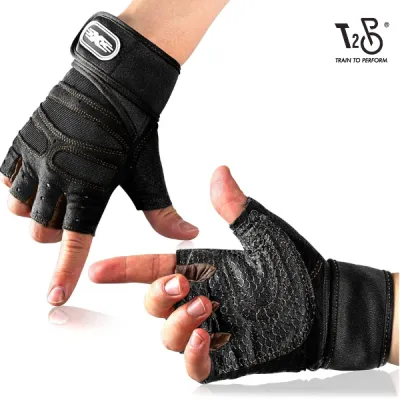
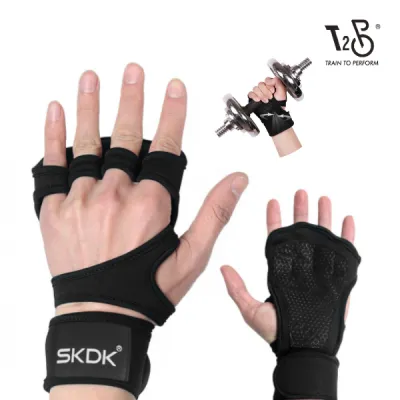
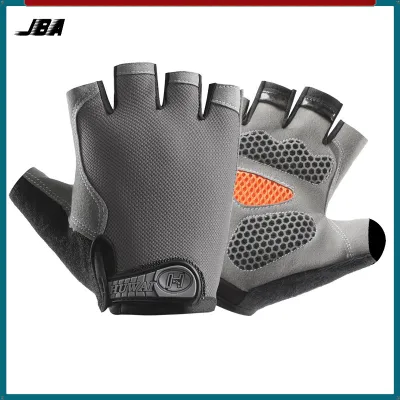
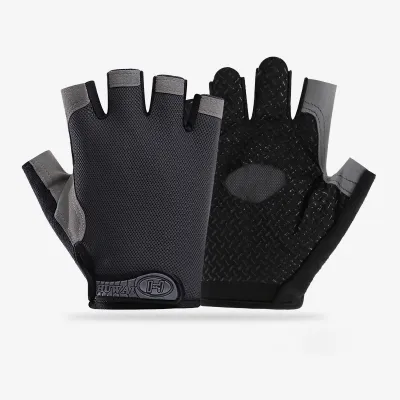
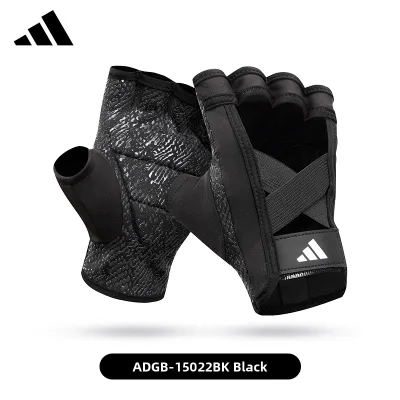
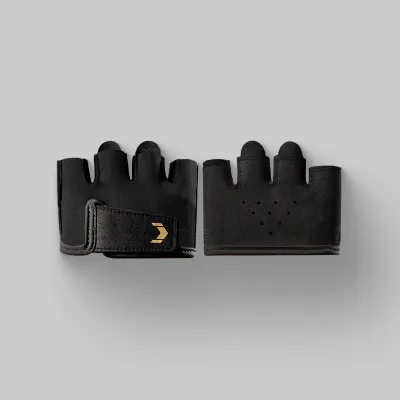
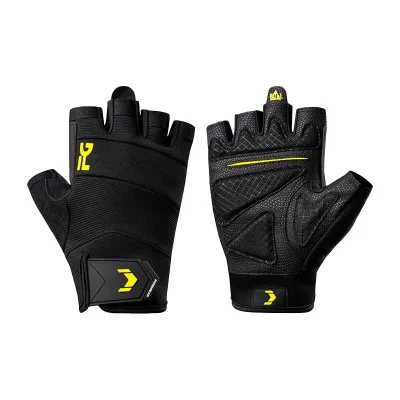
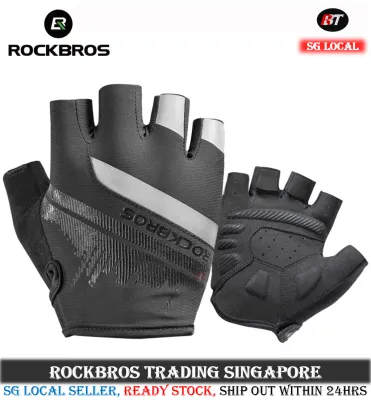
Prices are valid at publication and may change. Please refer to the product page for the latest price.
Using the wrong type of glove for these distinct activities can actively hinder your performance and increase your risk of minor injuries. For instance, wearing thick, heavily padded gloves during Olympic weightlifting can alter the effective diameter of the barbell, making it difficult to secure a proper hook grip and reducing your tactile feel of the bar’s rotation. Conversely, wearing full-coverage, non-breathable gloves during a high-intensity CrossFit circuit can trap heat and sweat, leading to skin softening, friction blisters, and a compromised grip on the pull-up bar.
Before purchasing, review your weekly training split to determine if your routine is highly specialized or hybrid. If you dedicate separate days to heavy strength training and high-intensity metabolic conditioning, you may find that a single pair of gloves cannot adequately serve both purposes. In such cases, investing in a pair of thin, durable leather palm protectors for barbell days and a set of flexible, multi-hole gymnastics grips for dynamic conditioning sessions offers the most practical solution for long-term hand health and performance.
Key Features to Evaluate in Gym Gloves
Selecting the right hand protection requires looking past aesthetic designs and focusing on the physical construction of the gear. The material composition, padding thickness, and structural reinforcement are the primary factors that determine how a glove will perform under load and how well it will withstand the rigors of daily training.

Palm Padding and Callus Protection
The thickness and material of the palm area directly impact both your comfort and your control over the weight. Thick foam or gel padding is highly effective for dampening pressure when using dumbbells, kettlebells, or selectorized gym machines, making it a popular choice for general fitness enthusiasts. However, this extra cushioning comes at a cost: it creates a barrier between your hand and the equipment, which can reduce your sensory feedback during complex barbell lifts.
For movements that require precise bar control, such as deadlifts, cleans, or snatches, thin leather or synthetic suede palms are generally preferred. These materials protect the skin against friction and tearing without significantly increasing the grip diameter. When evaluating gloves, look closely at the product specifications for reinforced high-friction zones. High-quality designs typically feature double-stitched overlays or extra material layers at the base of the fingers and across the lower palm, where the bar naturally rests and rotates during pulling movements.
Grip Support and Wrist Stability
Another critical design element is how the glove secures your hand and supports your wrist joint. Many gym gloves feature integrated wrist wraps—long, adjustable bands that wrap tightly around the wrist to provide compression and lateral stability. These built-in wraps are highly beneficial during heavy pressing movements, such as bench presses or overhead presses, where keeping the wrist in a neutral, stacked position is essential.
However, these thick wraps can restrict joint mobility, making them cumbersome during dynamic gymnastics movements or Olympic lifts that require rapid wrist turnover. To enhance your hold on the bar, manufacturers often apply textured patterns, such as silicone prints or rubberized webs, to the palm area. While these features provide excellent traction on smooth metal handles, they can wear down quickly under the abrasive friction of heavy barbell knurling.
It is also important to remember that while gloves and integrated wraps offer valuable support, they are not a substitute for proper lifting technique, grip strength development, or dedicated, heavy-duty powerlifting wrist wraps when attempting maximal loads.
Breathability and Moisture Management
In Singapore’s tropical climate, where indoor gym temperatures and humidity levels can remain high even in air-conditioned facilities, thermal regulation is a vital consideration. Standard, fully enclosed leather gloves tend to trap heat, causing your hands to sweat excessively. This moisture not only makes the interior of the glove slippery, increasing internal friction and the likelihood of blisters, but it also accelerates the degradation of the glove materials and fosters bacterial growth, leading to persistent odors.
To combat this, prioritize gloves that incorporate breathable mesh backings, open-back designs, or perforated palms that facilitate continuous airflow. Synthetic materials like neoprene and elastane are excellent for moisture-wicking, drawing sweat away from the skin to keep your hands dry and secure.
If you prefer the durability of genuine leather, ensure the design features ventilation holes along the fingers and back of the hand, and commit to airing them out thoroughly after every training session.
How to Match Glove Designs to Your Workouts
Understanding how different glove configurations align with specific training modalities allows you to narrow down your choices to the designs that will most effectively support your fitness goals.
Heavy Barbell Work and Powerlifting
For lifters whose training revolves around low-repetition, high-weight barbell movements like deadlifts, squats, and bench presses, the ideal glove profile is one that prioritizes skin protection while maintaining maximum contact with the bar. Many competitive powerlifters and Olympic weightlifters actually prefer to train bare-handed using lifting chalk to maximize friction and maintain a secure hook grip. However, if you want to protect your hands from deep calluses or tears, look for minimalist gloves with thin, unpadded leather palms.
These minimalist designs shield the skin from the aggressive knurling of Olympic bars without adding bulk. Avoid thick, heavily cushioned gloves for these lifts, as the compressed padding can shift under extreme loads, altering the bar’s center of gravity in your hand and potentially destabilizing your grip. The goal is to find a glove that acts as a durable second skin rather than a thick cushion.
High-Rep WODs and Gymnastics Movements
CrossFit athletes require hand protection that can withstand high-friction, high-velocity movements on pull-up bars, rings, and kettlebells. For these workouts, traditional half-finger gym gloves are often less effective because they can bunch up at the base of the fingers during dynamic swinging, creating painful pressure points. Instead, specialized gymnastics grips—which feature a simple wrist strap connected to a leather or synthetic palm piece with two or three finger holes—are the industry standard.
These grips protect the entire palm during high-rep pull-ups, toes-to-bar, and muscle-ups while leaving the back of the hand completely open for maximum ventilation. The secure wrist strap ensures the grip remains anchored during rapid, explosive movements like kettlebell snatches. When choosing leather gymnastics grips, keep in mind that they require a brief break-in period; they may feel stiff and slightly slippery during your first few workouts until they mold to the shape of your hands and absorb a layer of chalk.
Hybrid Training and General Fitness
If your typical workout involves a mix of resistance machines, moderate dumbbell exercises, and light cardio or bodyweight movements, a classic half-finger hybrid glove is often the most practical choice. These gloves offer a balanced combination of moderate foam padding on the palm for comfort and flexible synthetic fabrics on the back of the hand for mobility.
When shopping for hybrid gloves, look for convenient design details that improve usability, such as integrated terry cloth panels on the thumb for wiping away sweat during intense sets, and small pull tabs on the fingers to make removing sweaty gloves quick and effortless. While these versatile gloves are excellent for general fitness routines, keep in mind that they may not offer the specialized grip required for heavy powerlifting or the specific palm coverage needed for high-volume gymnastics work.
Sizing, Fit, and Maintenance for Longevity
Even the highest-quality gym gloves will fail to perform if they do not fit correctly or if they are not properly maintained. To find your correct size, use a flexible tape measure to measure the circumference of your dominant hand around the widest part of your palm, just below your knuckles, excluding your thumb. Compare this measurement against the manufacturer’s specific sizing chart, as sizing standards can vary significantly between brands.
A proper fitting glove should feel snug but not constricting. If the glove is too loose, excess material will bunch up in your palm when you grip a barbell, creating friction points that can cause the very blisters and calluses you are trying to prevent. Conversely, if the glove is too tight, it will restrict blood flow, limit your hand’s natural range of motion, and put excessive strain on the seams, leading to premature tearing. Ensure you can make a tight fist comfortably without feeling pinching across your knuckles or webbing.
To extend the lifespan of your training gear, establish a regular maintenance routine. Synthetic gloves can generally be hand-washed or machine-washed on a gentle cycle using cold water and a mild detergent; avoid fabric softeners, which can degrade grip-enhancing coatings. For leather gloves or grips, wipe them down with a damp cloth after use to remove sweat and chalk residue.
Never machine-wash genuine leather, and always air-dry your gloves flat in a well-ventilated indoor space away from direct sunlight or heat sources, as excessive heat will cause leather to dry out, shrink, and crack. If you train daily in Singapore’s humid climate, consider rotating between two pairs of gloves to ensure each pair has ample time to dry completely before its next use.
Where to Buy and What to Verify Before Purchasing
When shopping for gym gloves in Singapore, navigating the market carefully ensures you invest in a durable, high-performing product. Visiting physical specialty fitness stores or sporting goods retailers in local commercial hubs allows you to try on different sizes, assess the flexibility of the materials, and feel the thickness of the palm padding firsthand. This tactile evaluation is highly beneficial, as it eliminates the guesswork of online sizing charts.
If you prefer the convenience of online shopping, purchase directly from official brand websites or authorized distributors on major online marketplaces. This helps you avoid counterfeit products, which often look identical to premium brands but utilize cheap, non-breathable synthetic materials that tear easily and trap heat. Before finalizing your purchase, verify the retailer’s return and exchange policies, as many stores restrict returns on personal training gear like gloves for hygiene reasons once the packaging has been opened.
Take the time to read user reviews, focusing specifically on feedback regarding long-term durability, seam strength, and how well the grip holds up after several months of regular use. Compare prices across reputable local sellers; while high-quality gym gloves typically range from S$20 to S$60 depending on the materials and features, extremely low prices should be viewed with caution, as they often indicate substandard manufacturing. Finally, double-check that the specific glove design you select aligns with your primary training style rather than buying solely based on aesthetics or brand popularity.
Frequently Asked Questions (FAQ)
Do I need wrist wraps if my gym gloves have wrist support?
Integrated wrist straps on gym gloves provide mild compression and basic stability, which is generally sufficient for general fitness, dumbbell exercises, and moderate pressing movements. However, they do not offer the rigid, high-tension support required for maximal heavy lifting, such as powerlifting bench presses or heavy overhead presses. If you are training near your one-rep maximum, you should invest in a pair of dedicated, stiff wrist wraps that can be tightened independently of your hand protection. For high-rep CrossFit workouts or general training, the built-in support of your gloves is usually adequate and offers better mobility.
How often should I replace my weightlifting gloves?
The lifespan of gym gloves depends heavily on your training frequency, the weight loads you lift, and how well you maintain them, but most active lifters need to replace their gloves every six to twelve months. Clear indicators that it is time for a replacement include thinning or torn palm padding, frayed stitching along high-stress seams, and velcro straps that no longer hold securely under tension. Additionally, if your gloves have developed a persistent, strong odor that does not disappear after washing, the materials have likely absorbed bacteria and sweat deep within the fibers, making replacement necessary for hygiene and skin health.
Community discussion
Share your experience or ask a question. Comments are reviewed before publication.