
Finding the right hinged knee brace in Singapore depends on matching the specific mechanical support your joint requires—whether for ligament stability, post-surgical rehabilitation, or osteoarthritis relief—with features that can withstand the local tropical climate. A hinged knee brace provides external structural reinforcement that standard compression sleeves cannot match, physically limiting harmful lateral movements while allowing natural flexion. Because Singapore’s weather is consistently warm and humid, selecting the right materials and fit is just as important as the mechanical design to ensure you can wear the brace consistently without skin breakdown.
To make an informed choice, you must evaluate the brace’s hinge mechanics, strap configuration, and material breathability against your specific physical limitations. This guide outlines how to identify your support needs, verify product specifications, and ensure a safe, comfortable fit for daily wear or sports recovery.
Understanding When You Need a Hinged Knee Brace
It is essential to differentiate between mild compression sleeves and rigid hinged knee braces. Compression sleeves are designed primarily to provide warmth, mild swelling control, and proprioceptive feedback for minor aches or general knee fatigue. They do not offer structural support to the ligaments or bone structure of the joint.
Products mentioned in this guide
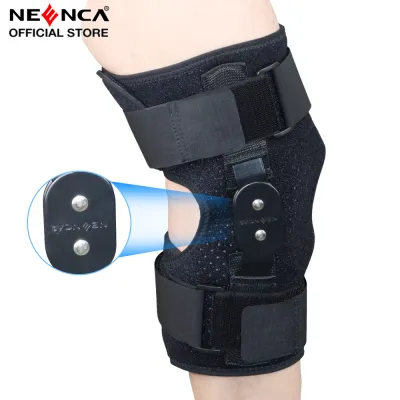
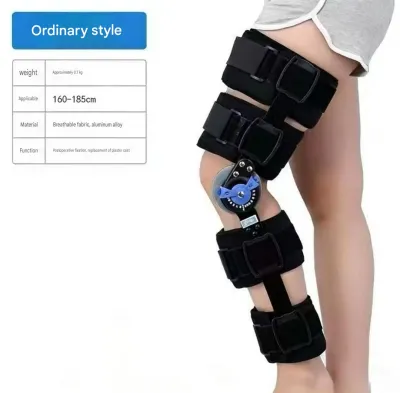
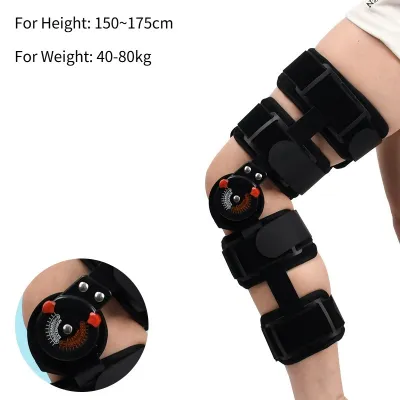
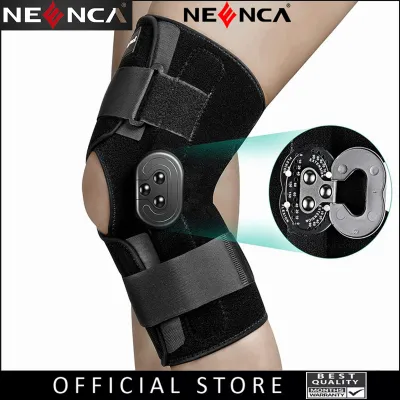
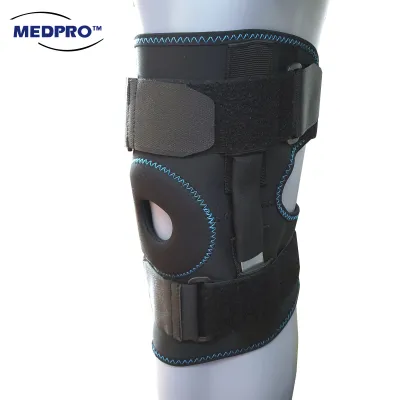
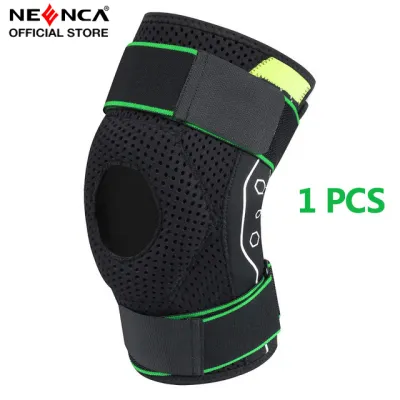
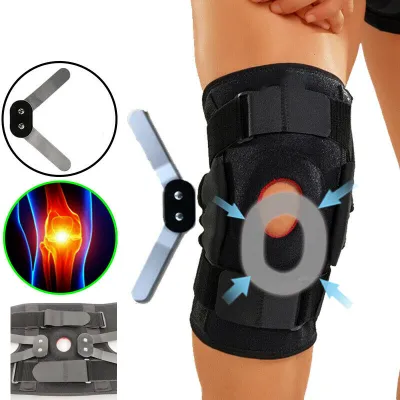
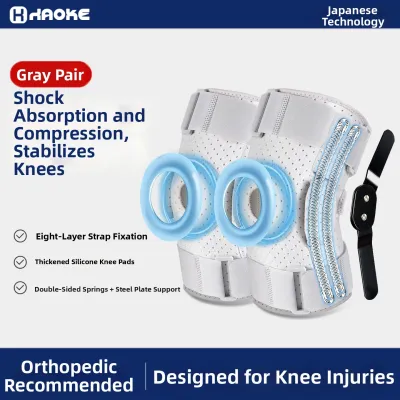
Prices are valid at publication and may change. Please refer to the product page for the latest price.
In contrast, a hinged knee brace features rigid side stabilizers made of metal or composite materials. These stabilizers physically prevent the knee from buckling, twisting, or hyperextending. If you experience a sensation of the knee “giving way” during lateral movements, or if you are recovering from a moderate-to-severe joint injury, a hinged brace is typically required to protect the joint from further damage.
Common signs that indicate the need for a hinged brace include diagnosed ligament instability, post-surgery rehabilitation protocols, or advanced joint degradation where bone-on-bone contact causes severe pain during weight-bearing activities. These conditions require mechanical offloading or structural restriction that only a rigid frame can provide.
However, self-diagnosing structural knee issues can lead to improper brace selection and further joint damage. You should establish clear stop conditions before purchasing any rigid support. If you experience sudden joint locking, severe swelling, an inability to bear weight, or sharp pain after an acute injury, you must consult an orthopedic specialist or a physiotherapist. A professional evaluation ensures the brace matches your specific pathology and does not inadvertently weaken your surrounding muscles through over-reliance.
Matching Brace Features to Specific Knee Conditions
Selecting the right hinged knee brace requires understanding how different hinge designs interact with your knee’s natural movement. Braces are engineered with specific mechanical actions to address distinct types of joint instability, and choosing the wrong mechanism can hinder your recovery or cause discomfort.

When browsing options at medical supply stores or online marketplaces in Singapore, you will encounter three primary hinge configurations:
- Rigid hinges: These provide maximum lateral stability, preventing the knee from bending sideways while allowing basic front-to-back bending.
- Polycentric hinges: These feature multiple pivot points that closely mimic the natural, gliding motion of the human knee joint, reducing friction and making daily movement more comfortable.
- Adjustable range-of-motion (ROM) hinges: These allow users or clinicians to lock the knee at specific angles or limit flexion and extension during rehabilitation.
Always verify the manufacturer’s intended use on the product label and cross-reference it with your healthcare provider’s recommendations before making a purchase.
Support for Ligament Instability and Sprains
For individuals managing anterior cruciate ligament (ACL), medial collateral ligament (MCL), or lateral collateral ligament (LCL) instability, lateral support is the highest priority. These injuries compromise the knee’s ability to resist twisting forces, making rigid bilateral hinges essential. Bilateral hinges run down both the inner and outer sides of the leg, creating a protective cage that prevents unnatural lateral movement during sudden pivots or steps.
To ensure the brace remains effective during movement, look for multi-strap systems, often featuring a four-point leverage system. These straps wrap securely around the thigh and calf, anchoring the rigid hinges firmly against the skeletal structure of your leg. Without secure strapping, the hinges can shift out of alignment, rendering the support ineffective.
In Singapore’s humid climate, sweat can quickly cause a brace to slip down the leg during movement. To prevent this, prioritize braces equipped with anti-migration features, such as interior silicone liners or textured neoprene grips. These materials maintain traction against the skin even when you perspire, ensuring the hinges stay aligned with your joint’s axis of rotation.
Before purchasing, verify the brace’s indicated use on the product packaging. Ensure it is explicitly rated for moderate-to-severe ligament instability or sprains, rather than general joint pain, to guarantee the frame is rigid enough to handle lateral loads.
Protection for Post-Surgery Recovery
Rehabilitation after knee surgery, such as a meniscus repair or ligament reconstruction, requires strict control over joint movement. During the early stages of healing, tissues are highly vulnerable to stretch or tear. This is where adjustable range-of-motion (ROM) hinges are critical, as they allow your physiotherapist to lock the brace at a specific angle or permit only a safe, limited range of flexion and extension.
Post-operative knees are also prone to fluctuating swelling and heightened skin sensitivity. To accommodate these changes, select a brace with adjustable, skin-friendly liners. Look for hypoallergenic, breathable fabrics that can be adjusted via hook-and-loop fasteners to maintain a snug but non-constricting fit as swelling subsides throughout the day.
Because post-surgical recovery is highly delicate, you must strictly follow your surgeon’s or physiotherapist’s prescribed ROM settings and wear schedule. Never adjust the hinge pins or dials on your own, as exceeding the prescribed range of motion can compromise surgical grafts or sutures.
Additionally, ensure the brace is easy to put on and take off without requiring you to bend your knee excessively. Wraparound designs are often preferred over pull-on sleeves during early post-surgery recovery, as they minimize joint strain during application.
Relief for Chronic Pain and Osteoarthritis
Managing chronic joint pain and osteoarthritis (OA) requires a brace that reduces daily wear and tear on the joint cartilage. Osteoarthritis often affects one side of the knee joint more severely than the other, leading to painful bone-on-bone friction when bearing weight. For this condition, specialized unloading (or offloading) hinged braces are highly effective.
Unloader braces work by applying a gentle, corrective three-point leverage system that shifts your body weight away from the damaged, painful compartment of the knee toward the healthier side. This mechanical shift can significantly reduce pain during walking and daily activities, helping you maintain mobility without relying solely on pain medication.
For daily, long-term wear, lightweight polycentric hinges are ideal. These hinges glide naturally with your joint, reducing the effort required to walk and preventing the brace from feeling like a heavy anchor. Look for low-profile frames made of lightweight aluminum or advanced composites that can be worn discreetly under loose-fitting trousers.
When selecting an osteoarthritis brace, you must balance structural support with long-term comfort. If a brace is too heavy, hot, or difficult to apply, you are less likely to wear it consistently. Prioritize models with perforated materials that allow heat to escape, which is especially important for staying comfortable during outdoor commutes in Singapore.
Sizing, Fit, and Wearability Checks
An improperly fitted hinged knee brace can cause skin irritation, restrict blood circulation, or fail to provide the necessary joint stability. To avoid these issues, never guess your size or rely on standard clothing sizes, as sizing charts vary significantly between different medical brands.
To find your correct size, take precise measurements using a flexible measuring tape while standing up with your leg slightly bent. Measure the circumference of your thigh (typically 15 cm above the center of your kneecap) and your calf (typically 12 to 15 cm below the center of your kneecap). Compare these measurements directly to the manufacturer’s specific sizing chart to select the appropriate model.
Once you have the brace, proper alignment is critical for both safety and comfort. Position the brace so that the center of the physical hinges aligns perfectly with the center of your kneecap (patella) and the natural axis of rotation of your joint. If the hinges are placed too high, too low, or rotated outward, the brace will fight against your natural leg movement, leading to joint strain and skin chafing.
After securing the straps, perform a quick wearability check to identify signs of a poor fit:
- Pinching or chafing: Check if the rigid frame or straps are digging into the back of your knee or thighs, which indicates the brace is too tight or misaligned.
- Slipping or migration: Walk around for a few minutes; if the brace slides down your leg, the size may be too large, or the anti-slip mechanisms are insufficient.
- Restricted blood flow: Look for signs of swelling, coldness in the foot, or tingling sensations, which indicate the straps are overtightened and restricting circulation.
Care, Maintenance, and Safety Boundaries
Proper maintenance is essential to preserve the structural integrity and hygiene of your hinged knee brace, especially in Singapore’s hot and humid environment. Sweat, body oils, and dead skin cells accumulate quickly in the fabric liners, creating a breeding ground for bacteria and unpleasant odors if left unwashed.
Always refer to the manufacturer’s care label before cleaning your brace. Most fabric and neoprene components should be hand-washed in cool water using a mild, pH-neutral detergent. Avoid using bleach, fabric softeners, or harsh chemical cleaners, as these can degrade the elastic fibers and adhesive bonds over time. Always air-dry the brace flat in a shaded, well-ventilated indoor area; never expose it to direct sunlight or use a clothes dryer, as high heat can warp plastic frames and shrink fabric liners.
For the mechanical components, wipe the metal or composite hinges with a clean, damp cloth after use to remove sweat residue, then dry them thoroughly with a towel to prevent rust. Inspect the hinges regularly to ensure they rotate smoothly without grinding or sticking. If the hinges require lubrication, consult the user manual to see if a specific dry-film lubricant is recommended, and avoid using heavy oils that can attract dirt and lint.
Regularly inspect the structural integrity of your brace. Check the hook-and-loop fasteners (Velcro) for lint buildup and replace the straps if they no longer hold securely under tension. Examine the stitching and the rigid frame for any cracks, tears, or bent components that could cause the brace to fail suddenly during use.
Finally, establish clear safety boundaries for brace usage. Stop using the brace immediately and consult a healthcare professional if you experience increased joint pain, skin rashes, persistent numbness, or if the brace no longer provides stable support. A brace is a supportive tool, and its use should be paired with targeted rehabilitation exercises to maintain long-term joint health.
Frequently Asked Questions (FAQ)
Can I wear a hinged knee brace while sleeping?
Generally, you should not wear a rigid hinged knee brace while sleeping unless specifically instructed to do so by your orthopedic surgeon or physiotherapist. Continuous wear during sleep is typically reserved for early-stage post-surgery recovery to prevent accidental twisting or bending of the healing joint. For non-surgical conditions, wearing a rigid brace to bed offers little therapeutic benefit and increases the risk of restricted blood circulation, skin irritation, and muscle stiffness.
How long should I wear a hinged brace each day?
The daily wear duration of a hinged knee brace should be tailored to your specific condition and rehabilitation plan as prescribed by a medical professional. Typically, the brace should be worn during weight-bearing activities, sports, or periods of prolonged standing where your joint requires active stabilization. You should remove the brace during periods of rest, sitting, or low-impact activities to allow your skin to breathe and to prevent your leg muscles from becoming overly reliant on the external support.
Are hinged knee braces allowed through airport security?
Yes, hinged knee braces are permitted through airport security checkpoints as they are considered essential medical devices. However, because the rigid hinges are usually made of metal or dense composites, they will likely trigger walk-through metal detectors or body scanners. To ensure a smooth screening process, inform the security officers that you are wearing a medical knee brace before entering the scanner, and consider carrying a doctor’s letter or a copy of your prescription to verify your medical need.
Community discussion
Share your experience or ask a question. Comments are reviewed before publication.