
Selecting the ideal kettlebell for a Singapore HDB flat requires balancing space efficiency, floor protection, and workout versatility. For most high-density apartments, an adjustable kettlebell or a single, highly versatile fixed kettlebell in the 8 kg to 16 kg range offers the most practical solution. This setup allows you to perform dynamic strength and conditioning exercises without cluttering your living room or risking damage to your flooring.
However, because HDB layouts often feature compact rooms and shared walls, your choice must go beyond simple weight selection. You must evaluate physical clearance, storage constraints, and noise mitigation to build a safe and sustainable home workout routine.
Assessing Your Workout Clearance and Storage Space
Before purchasing any fitness equipment, you must carefully evaluate the physical boundaries of your designated workout area. Standard HDB ceiling heights typically hover around 2.6 meters, which can feel restrictive during overhead movements. Stand in your planned exercise space and extend your arm fully upward; you should have at least 30 centimeters of clear space above your knuckles to safely perform overhead presses, snatches, or high pulls without striking ceiling fans, light fixtures, or false ceilings.
Products mentioned in this guide
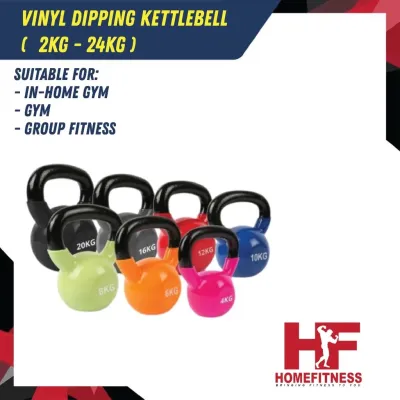
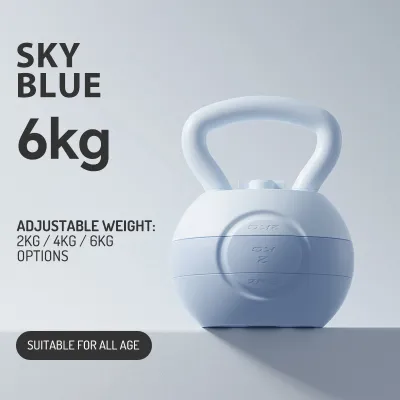
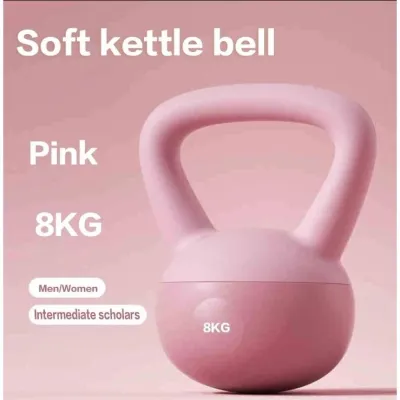
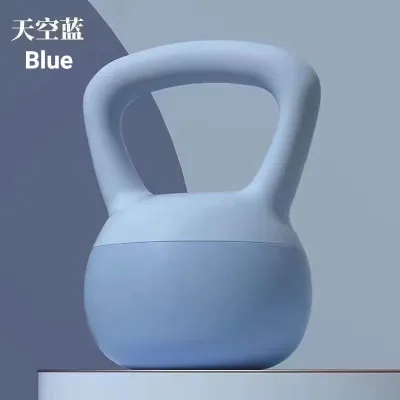
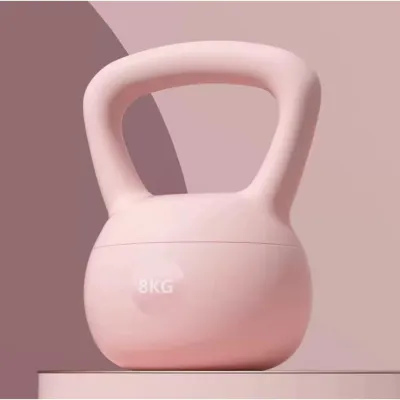
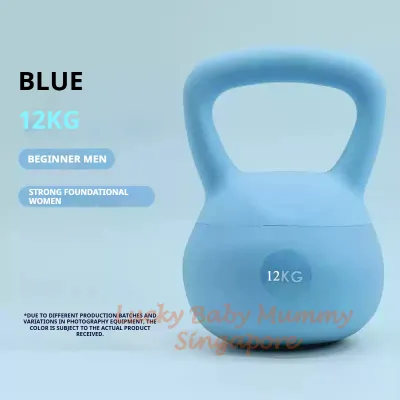
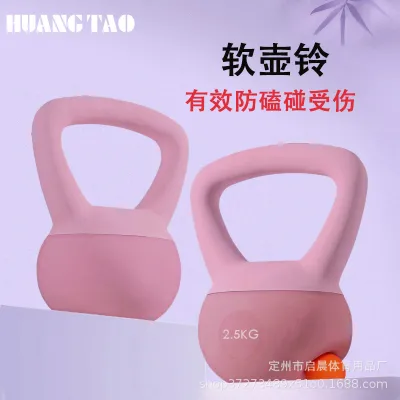
Prices are valid at publication and may change. Please refer to the product page for the latest price.
Horizontal clearance is equally critical for dynamic movements. A standard kettlebell swing requires a clear path of at least 1.5 to 2 meters in front of and behind your body. This buffer zone ensures that even if you lose your footing slightly, the weight will not make contact with television consoles, glass doors, or coffee tables. If your workout zone overlaps with a high-traffic hallway or a multi-purpose living room, ensure that furniture can be easily moved to create this temporary safety clearance.
Storage constraints dictate the maximum physical dimensions of the equipment you can buy. Measure the height of your bed frame clearance, closet shelves, or household shelter shelving before making a purchase. A single fixed kettlebell can easily tuck into a corner or sit discreetly under a desk, but a full set of multiple weights requires significant floor space and can quickly become an eyesore. If you must store your equipment out of sight after every session, prioritize compact designs that are easy to lift and carry to their storage spots without straining your back.
Fixed vs. Adjustable Kettlebells: Which Fits Small Spaces?
When space is limited, the debate between fixed and adjustable kettlebells centers on footprint versus simplicity. An adjustable kettlebell is often the most space-efficient choice for small apartments because it packs the utility of an entire weight rack into the physical space of a single bell. Instead of buying five or six individual weights as you get stronger, you use one unit and adjust the load using an internal selector pin, dial, or removable plates. This single-footprint design frees up valuable floor space in your closet or corner.

However, adjustable models require diligent maintenance and safety checks. Because they consist of multiple moving parts, you must inspect the locking mechanism before every workout. Ensure that the dials, pins, or screw-locks are fully engaged and that there is no rattling or shifting among the internal plates. During high-velocity, dynamic movements like swings, cleans, or snatches, any loose component poses a safety risk. If you choose an adjustable model, select one with a robust, metal-on-metal locking system rather than plastic components that may wear down over time.
Fixed kettlebells offer unmatched durability and a solid, single-piece construction that eliminates the risk of moving parts. Within the fixed category, you must choose between standard cast iron and competition-style kettlebells. Standard cast iron kettlebells scale in physical size with their weight; an 8 kg bell is relatively small, while a 24 kg bell is substantially larger. This scaling can be advantageous for storage if you only need lighter weights, as they take up very little room.
In contrast, competition kettlebells maintain a uniform outer dimension regardless of their weight. While this uniformity ensures your hand placement and forearm contact points remain identical as you progress to heavier loads, it means even a light 8 kg competition bell will occupy the same large physical footprint as a heavy 32 kg bell. For tight storage spaces, standard cast iron fixed bells are generally easier to tuck away than their bulky competition counterparts.
Choosing a Versatile Weight Range for Your Goals
Selecting the right weight range ensures you can progress in your training without immediately needing to buy more equipment. Your starting weight should match your current physical conditioning, skill level, and specific training goals. Kettlebell training is highly dynamic, and equipment cannot replace proper instruction or sound athletic judgment; if you are new to these movements, start light to master the hip-hinge mechanics before attempting heavier loads.
For beginners focusing on foundational, two-handed movements like the kettlebell swing, deadlift, and goblet squat, a starting weight of 8 kg to 12 kg is common for those building baseline strength, while 12 kg to 16 kg often suits individuals with prior resistance training experience. These weights provide enough resistance to engage the posterior chain without overloading your lower back or shoulders. If your goal is to perform single-arm movements or upper-body exercises like overhead presses and Turkish get-ups, you will likely need a lighter weight to maintain proper form and joint alignment.
If you opt for an adjustable kettlebell, look for a model that spans a versatile range, such as 4.5 kg to 18 kg (approximately 10 lbs to 40 lbs). This wide span allows you to use the lighter settings for upper-body isolation movements like lateral raises or tricep extensions, while quickly dialing up the weight for lower-body power movements.
Pay close attention to the weight increment steps on adjustable models. Smooth progression requires small, manageable steps, ideally in increments of 1 kg to 2 kg. Models that jump by 4 kg or 5 kg at a time can make progression difficult and potentially unsafe, as a 4 kg increase on an overhead press represents a massive leap in difficulty that can compromise your shoulder stability. Always verify the increment steps on the manufacturer’s specification sheet before purchasing.
Protecting Your Floors and Managing Noise
Working out in an HDB flat means living in close proximity to neighbors, making floor protection and noise management essential. Typical HDB flooring, such as vinyl, laminate, or polished tiles, can easily scratch, dent, or crack under the impact of a heavy iron bell. To prevent this, invest in a high-density rubber gym mat. Standard yoga mats are too thin to absorb the impact of a dropped or heavily set-down kettlebell; look for interlocking rubber tiles or solid rubber mats with a thickness of at least 10 mm to 15 mm, which typically cost around S$30 to S$60.
Noise control relies heavily on controlled movement and deceleration techniques. Avoid dropping the kettlebell at the end of a set. Instead, practice active deceleration, lowering the weight under control to a soft stop on your mat. This not only protects your floors and keeps your workouts quiet for neighbors below but also increases your muscles’ time under tension, enhancing your strength gains.
Additionally, establish a strict pre-workout inspection routine. Before every session, check that all dials, pins, or locking collars on your adjustable kettlebell are completely secure. A loose plate can slip mid-swing, causing severe damage to your home or resulting in personal injury.
Frequently Asked Questions (FAQ)
Can I use a kettlebell on HDB vinyl or laminate flooring?
Yes, but you should never place or drop a kettlebell directly onto unprotected vinyl or laminate flooring. These resilient materials are prone to deep dents, scratches, and subfloor compression under concentrated heavy loads. Always use a high-density rubber mat or interlocking gym tiles (at least 10 mm thick) to distribute the weight and absorb dynamic impacts during your workout.
How do I store a kettlebell safely in a small home with children or pets?
In a shared household, safety extends beyond your workout window. Store your kettlebell in a low-profile, secure location where it cannot be easily tipped over or pulled down. Heavy-duty under-bed storage bins or the bottom floor of a locked utility closet are excellent choices. If you use an adjustable kettlebell, store any loose plates, pins, or adjustment keys completely out of reach of children and pets to prevent tampering or accidental drops.
Community discussion
Share your experience or ask a question. Comments are reviewed before publication.