
Selecting the ideal Kimjaly yoga mat thickness depends primarily on your balance requirements, joint sensitivity, and where you practice. Thinner mats, typically ranging from 1 mm to 4 mm, offer excellent ground feedback and stability for dynamic, standing-heavy styles like Vinyasa or Ashtanga. Conversely, thicker mats, usually between 5 mm and 8 mm, provide the necessary cushioning to protect sensitive joints during restorative, floor-based practices like Yin yoga or Pilates.
Finding the right balance ensures you do not sacrifice stability for comfort, or vice versa. While a plush mat feels comfortable under your knees, it can make balancing on one foot challenging. On the other hand, an ultra-thin travel mat might pack easily into a bag but can cause discomfort on hard studio floors. By matching the thickness to your specific routine and physical needs, you can create a safe, supportive foundation for every session.
Understanding How Thickness Affects Your Yoga Practice
The thickness of your yoga mat directly influences how your body interacts with the ground. In yoga, the feet and hands serve as your primary foundation, sending sensory feedback to your brain to help you maintain balance. A mat that is too thick can compress unevenly under your weight, creating an unstable surface that forces your stabilizing muscles to work harder than necessary during standing poses like Warrior III or Tree Pose. This instability can lead to alignment errors or increased strain on your ankles and feet as they struggle to find a solid base.
Products mentioned in this guide
![[BEST SELLER]Balance Foam Pad Yoga Mat Exercise Non-slip Waterproof Soft for Fitness Training](https://img.lazcdn.com/g/p/ecdbe1ded9c6362a36a977bc38118d05.jpg_400x400q80.jpg_.webp)
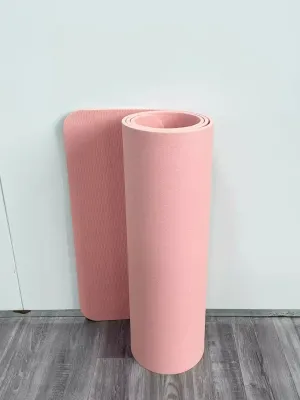
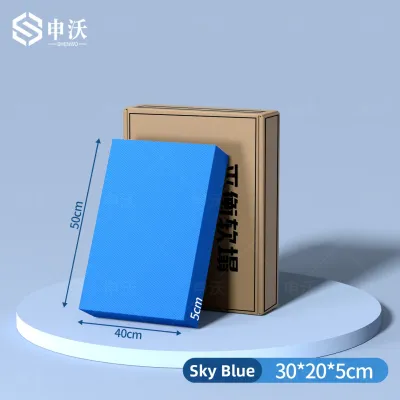

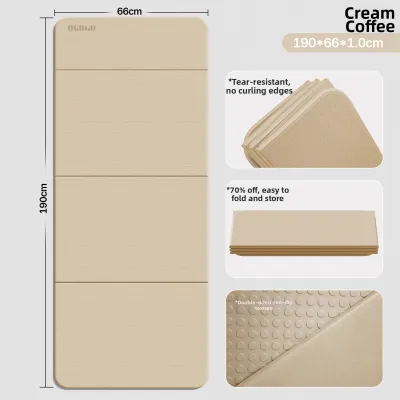

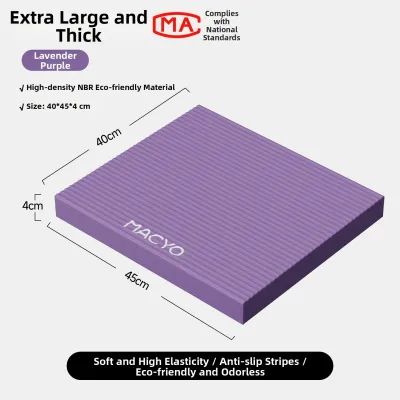
Prices are valid at publication and may change. Please refer to the product page for the latest price.
Conversely, adequate cushioning is vital for protecting your joints during floor-based postures. When performing poses that place direct pressure on the knees, elbows, wrists, or tailbone, a hard floor can cause discomfort or even bruising. The right level of thickness acts as a shock absorber, distributing your body weight more evenly and reducing localized pressure points during extended holds. This is particularly important for practitioners who spend a significant portion of their practice in low-impact, seated, or supine positions.
It is important to distinguish between mat thickness and material density, as thickness alone does not guarantee support. A thick mat made from low-density foam may compress completely under pressure, offering very little actual joint protection. In contrast, a slightly thinner mat made from high-density materials, such as natural rubber or dense thermoplastic elastomer (TPE), can offer superior support and stability without adding unnecessary bulk. Understanding this distinction allows you to evaluate mats based on their structural integrity rather than just their physical height.
When to Choose a Thinner Kimjaly Yoga Mat
Thinner Kimjaly yoga mats, generally falling within the 1 mm to 4 mm range, are designed for practitioners who prioritize stability, precision, and portability. These low-profile mats are highly suited for active, fast-paced styles such as Vinyasa, Ashtanga, and Power yoga. In these practices, quick transitions and complex standing sequences require a firm, predictable connection to the floor to prevent ankle wobble and maintain alignment. The close contact with the ground allows for immediate physical feedback, helping you make micro-adjustments to your posture instantly.

For yogis who commute to local studios or travel frequently, a thin mat is highly practical. Many ultra-thin models, often referred to as travel mats, can be folded or rolled tightly to fit into standard backpacks or carry-on luggage. This lightweight design reduces physical strain during your daily commute, making it easier to carry your gear on public transport or during long walks. It eliminates the bulk associated with traditional mats, allowing you to maintain your practice routine wherever you go without carrying heavy gear.
However, thinner mats come with distinct trade-offs that you must consider before purchasing. If you have sensitive joints, a history of knee pain, or frequently practice on hard surfaces like concrete or tile, a thin mat may not provide sufficient cushioning. In these scenarios, the lack of impact absorption can lead to discomfort during floor work, potentially disrupting your focus and alignment. You may find yourself needing to fold the mat over or use additional props to cushion your knees during low lunges or tabletop positions.
When opting for a thinner mat, verifying the surface grip and texture becomes even more critical. Because there is less material to absorb impact, you rely heavily on the mat’s surface tension to keep your hands and feet from sliding during dynamic movements. Look for textured finishes or specialized non-slip coatings that maintain traction even when exposed to light moisture, ensuring you remain secure during transitions. A reliable grip prevents accidental slips, which is essential for maintaining safety during high-energy sequences.
When to Choose a Thicker Kimjaly Yoga Mat
Thicker Kimjaly yoga mats, typically measuring 5 mm to 8 mm, are engineered for comfort, joint protection, and slower-paced practices. If your routine consists primarily of Yin yoga, Restorative yoga, or floor-heavy Pilates, a thicker mat provides a comfortable barrier against hard floors. These practices involve holding poses for several minutes at a time, making deep cushioning essential for relaxation and physical ease. The extra padding allows your body to sink comfortably into the mat, reducing muscle tension and allowing you to focus on deep breathing and mental clarity.
Beginners also benefit significantly from the extra padding of a thicker mat. When you are first learning alignment and building strength, your joints may feel more sensitive to pressure. A thicker surface helps ease this transition, allowing you to focus on learning the poses without being distracted by physical discomfort on your knees, hips, or wrists. It provides a more forgiving learning environment, helping to build confidence as you establish your regular practice habits.
Despite the comfort benefits, thicker mats present specific challenges regarding stability and weight. The extra material can create a spongy surface that makes standing balance poses more difficult to execute, as your feet sink into the mat rather than pressing against a solid foundation. This can lead to fatigue in the small muscles of the feet and ankles as they work harder to maintain upright balance. Additionally, thicker mats are inherently heavier and bulkier, which can make them less convenient to transport over long distances or on busy commutes.
Before choosing a thicker option, it is wise to check your available storage space and carrying accessories. These mats take up considerably more room when rolled up, meaning they may not fit into standard, slim yoga bags. You will likely need a dedicated wide-mouth bag or a sturdy carrying strap to transport the mat comfortably to and from your practice space. Ensuring you have the right accessories to manage the bulk of a thicker mat will prevent it from becoming a hassle to store at home or carry to the studio.
Essential Specifications to Verify Beyond Thickness
While thickness is a primary factor in your decision, several other technical specifications require careful verification to ensure the mat matches your lifestyle. First, examine the material composition of the mat. Common materials include PVC, TPE, natural rubber, and polyurethane, each offering different levels of durability, weight, and environmental impact. If you have a latex allergy, you must verify that the mat is completely latex-free before purchasing. Choosing a material that aligns with your environmental values and physical sensitivities is key to long-term satisfaction.
Next, consider the cell structure of the material, which is categorized as either closed-cell or open-cell. Closed-cell mats do not absorb moisture, making them highly hygienic and easy to wipe clean, though they can become slippery when wet. Open-cell mats absorb sweat to maintain a high-grip surface during intense sessions, but they require more deep cleaning to prevent the buildup of bacteria and odors. Understanding how your body temperature and sweat levels interact with these structures will help you choose a mat that remains safe and sanitary.
To maintain the mat’s grip and longevity, always review the manufacturer’s care and cleaning instructions. Some materials are highly sensitive to direct sunlight, harsh chemical cleaners, or excessive soaking, which can degrade the surface texture and cause the material to crumble. Verifying the recommended drying times and storage methods will help preserve the non-slip properties of your mat over time. Proper maintenance ensures that the surface remains reliable and safe for every session, protecting your investment.
Finally, check the exact weight and rolled dimensions of the mat before finalizing your choice. A mat that is too heavy can become a burden during your commute, while one with large rolled dimensions might not fit into your existing gear bags or home storage compartments. Comparing these physical specifications against your daily routine ensures your new mat remains a practical tool rather than an inconvenient obstacle. Taking the time to measure your storage spaces and assess your carrying capacity will lead to a much more seamless integration of the mat into your daily life.
Frequently Asked Questions (FAQ)
Can I use a thick yoga mat for hot yoga or intense sweating?
Using a thick mat for hot yoga requires careful consideration of its material structure. If the thick mat has a closed-cell construction, sweat will pool on the surface, creating a slippery and potentially hazardous environment for dynamic poses. If it has an open-cell structure, it will absorb moisture to maintain grip, but the extra thickness means it will hold more sweat, requiring frequent deep cleaning to prevent bacterial growth. For high-sweat environments, it is often safer to use a thinner mat paired with a specialized non-slip yoga towel, or to verify that the manufacturer’s guidelines explicitly support hot yoga use.
How do I properly clean and maintain my Kimjaly yoga mat?
To maintain the grip and hygiene of your mat, wipe it down after every session using a soft cloth dampened with water and a mild, diluted soap. Avoid using harsh household detergents, bleach, or abrasive scrubs, as these can permanently damage the surface texture and strip away non-slip coatings. Always allow your mat to air dry completely in a shaded, well-ventilated area before rolling it up for storage. Never expose the mat to direct sunlight or high heat sources, as UV rays and extreme temperatures can cause materials like TPE and natural rubber to dry out, crack, or lose their elasticity.
Does a heavier or thicker mat always mean better quality?
A heavier or thicker mat does not automatically equate to superior quality or durability. Quality is determined by the density of the material, the manufacturing process, and the integrity of the surface texture. A low-quality, thick foam mat can degrade quickly and offer poor support, while a high-density, thin natural rubber mat can provide exceptional durability and joint protection. Instead of focusing solely on thickness or weight, evaluate how the mat’s specific material properties and construction align with the physical demands of your personal yoga practice.
Community discussion
Share your experience or ask a question. Comments are reviewed before publication.