
To find the right kite for your child, you must look beyond flashy graphics and focus on age-appropriate designs, structural safety, and flight stability. The ideal kite type varies significantly by your child’s developmental stage, shifting from ultra-durable, simple-to-fly options for toddlers to high-performance, dual-line stunt models for pre-teens. Selecting a reliable brand ensures that the kite is engineered to fly easily, withstand inevitable crashes, and remain safe during use.
By understanding how materials, frame structures, and control systems align with different age groups, you can make an informed purchase that minimizes frustration and maximizes outdoor fun. This guide breaks down what to look for in a kite manufacturer, how to choose the right model for your child’s age, and how to verify quality before you buy.
Quick Guide to Matching Kites to Your Child's Age
Matching a kite to your child’s age is essential for a successful flying experience. Toddlers and preschoolers do best with simple, lightweight single-line delta or diamond kites that catch the wind with minimal effort. As children reach early elementary school, they can transition to slightly larger deltas or frameless parafoil kites, which offer more tactile feedback and physical engagement without added complexity. Pre-teens are ready for the challenge of dual-line stunt kites or multi-dimensional box kites, which introduce basic aerodynamics and active steering control.
Products mentioned in this guide
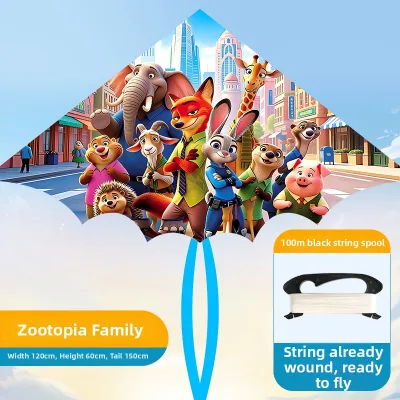
![[SG Seller]Colorful Octopus Kite for Children No Assembly Required Pocket Kite for Beach & Park Activities](https://img.lazcdn.com/g/p/fbfd76f182a14aa74247715eb158a1c4.jpg_400x400q80.jpg_.webp)
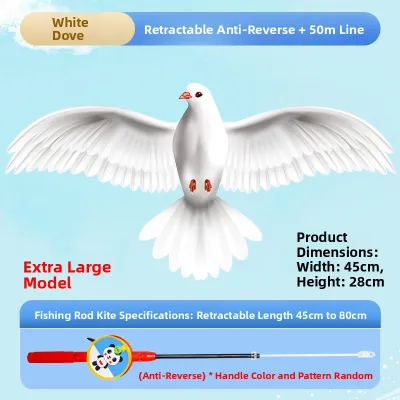
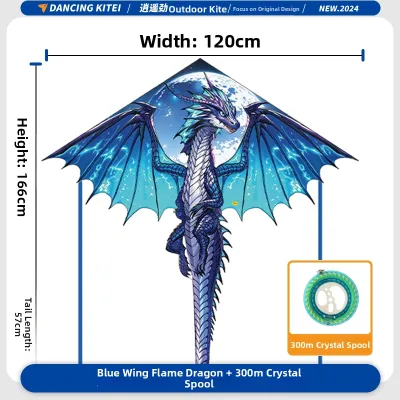
![[SG SELLER] Outdoor Children Kites Flying Game Windspeed with Tail String Line Colorful Large Kite Toy Different Designs](https://img.lazcdn.com/g/p/0bf57f2a5db4baf70319140ec51ab722.jpg_400x400q80.jpg_.webp)
![[SG Seller] Mini Plastic Children Kite Cartoon Flying Bird Eagle Toy Outdoor Sports](https://img.lazcdn.com/g/p/e7297f723eb7210009c62b9b1954c81e.jpg_400x400q80.jpg_.webp)
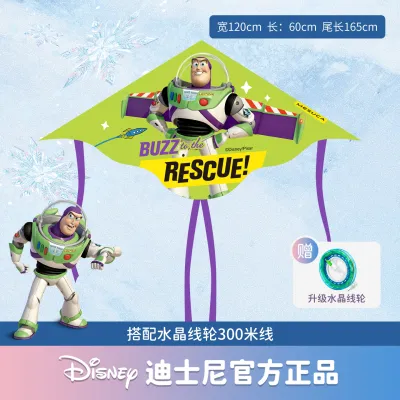
![[Ready Stock] DIY Colouring Kite](https://img.lazcdn.com/g/p/9608fbd0a2fb32622b85b8a4b230b563.jpg_400x400q80.jpg_.webp)
Prices are valid at publication and may change. Please refer to the product page for the latest price.
As your child grows, the qualities you should look for in a kite brand will naturally shift. For younger children, brand reliability centers on impact resistance, non-toxic materials, and tangle-free setups that allow for immediate play. For older kids, reliable brands prioritize precision engineering, lightweight yet strong spars, and responsive flight characteristics that reward developing skills.
What Makes a Kite Brand Reliable for Children?
When evaluating kite manufacturers, material quality and frame resilience are the primary indicators of a reliable product. High-quality brands construct their sails from ripstop nylon or polyester, which resist tearing when dragged across grass or sand. In contrast, budget-focused brands often use thin plastic sheets that tear easily under tension. The frame, or spars, should be made of flexible fiberglass or carbon fiber rather than cheap wooden dowels, which snap easily and can splinter, posing a safety hazard to young hands.

Safety standards are another critical factor that distinguishes reputable brands from low-quality alternatives. Trustworthy manufacturers comply with international toy safety regulations, ensuring that all dyes are non-toxic and that plastic connectors have smooth, rounded edges. The flying line should be strong enough to withstand sudden gusts without snapping, yet smooth enough to prevent friction burns on small hands. Secure line attachments and reinforced bridle points are also essential to prevent the kite from detaching and flying away.
Finally, a brand’s commitment to customer support and the availability of replacement parts is a strong indicator of reliability. Because kites are subject to high-velocity impacts, even the most durable models can occasionally suffer damage. Brands that offer replacement spars, connectors, and bridle lines show a commitment to product longevity, saving you from having to replace the entire kite after a single hard landing. Clear assembly instructions and troubleshooting guides are also hallmarks of a customer-focused manufacturer.
Kite Features and Brand Focus by Age Group
Children develop motor skills, hand-eye coordination, and spatial awareness at different rates, meaning a kite that is perfect for an eight-year-old may overwhelm a toddler. Choosing a brand that designs specifically for these developmental milestones ensures a rewarding outdoor experience. Here is how to align kite features with your child’s age group.
Toddlers and Preschoolers (Ages 2–5)
For the youngest flyers, look for brands that specialize in single-line delta or diamond kites. These shapes are inherently stable in the air and require very little wind to stay aloft, which prevents frustration. The best options for this age group feature pre-attached lines and simple, wide-grip winders that are easy for tiny hands to hold and operate.
Safety and simplicity are the top priorities in this category. Seek out brands that utilize soft, flexible frames or even completely frameless designs, which eliminate the risk of injury during crashes. Bright, high-contrast colors and long, flowing tails are excellent features, as they help toddlers track the kite easily against the sky and keep them visually engaged.
Parental assistance is usually required at this stage, so look for brands that design kites with a single, central attachment point. This design makes launching incredibly simple, often requiring nothing more than holding the kite up to a gentle breeze and letting the wind do the work, allowing your toddler to hold the winder and feel the gentle pull of the line.
Early Elementary (Ages 6–8)
At this stage, children are developing better hand-eye coordination and can actively participate in launching and steering. Look for brands that offer slightly larger delta kites or soft parafoils. These designs provide a bit more pull, giving kids a satisfying physical connection to the wind while remaining easy to control.
Ergonomics become highly important as children take on more independent flying. Seek out brands that supply comfortable, easy-grip spools or hoop winders that allow for smooth line release and retrieval. The assembly instructions should be clear and illustrated, allowing children to help put the kite together, which builds a sense of ownership and accomplishment.
Visual appeal is also a key factor for this age group. Look for brands that offer creative, eye-catching designs—such as animals, mythical creatures, or vibrant geometric patterns—without compromising on aerodynamic stability. The kite must still fly reliably in light to moderate breezes, which are common in open spaces like coastal parks or open fields.
Pre-Teens and Older Kids (Ages 9–12)
Older children are ready for a challenge and often lose interest in basic single-line kites. Brands catering to this age group focus on dual-line stunt kites, larger parafoils, or multi-dimensional box kites. Dual-line kites allow the flyer to perform loops, dives, and precision maneuvers, turning kite flying from a passive activity into an active sport.
Evaluate the materials used by these specialty brands carefully. Look for carbon fiber or high-grade fiberglass spars, which offer the rigidity needed for responsive steering. The sails should be made of high-density ripstop nylon, and the control handles should be padded to prevent hand fatigue during extended flying sessions.
Because stunt kiting involves a learning curve and inevitable high-speed crashes, prioritize brands that provide comprehensive instructional resources, such as online video tutorials. Additionally, check if the brand sells individual replacement parts and upgrade kits, allowing your child to maintain and customize their gear as their skills progress.
Safety, Materials, and Flight Performance Checks
Before purchasing any kite, perform a thorough quality check to ensure safety and durability. Inspect the line and the winder carefully. The string should be strong, non-abrasive, and rated for the specific size of the kite. Ensure the winder features a secure locking mechanism or a design that prevents accidental, rapid unspooling, which can lead to severe tangles or lost kites.
Examine the frame and sail construction. Flex the spars gently to verify they are resilient and spring back into shape without cracking. The sail material must be reinforced with extra stitching or heavy-duty patches at high-stress points, such as the corners, the nose, and where the spars connect to the fabric. These reinforcements prevent the frame from poking through the sail during a hard crash.
Always review the product packaging or online specifications for age recommendations and safety warnings. Look for certifications indicating compliance with local and international safety standards, which ensure the materials used are non-toxic and free from hazardous chemicals.
Finally, read user reviews with a critical eye. Look for feedback that specifically mentions how well the kite holds up after multiple hard crashes on grass or sand. A reliable brand will have a reputation for durability and ease of repair, with users noting that the frame remains intact even after typical beginner mishaps.
Where to Buy and How to Verify Brand Reliability
When looking to purchase a quality kite, choosing the right retail channel is just as important as selecting the brand. Specialty outdoor stores and dedicated sporting goods retailers generally curate their inventory, stocking reliable brands that offer genuine flight performance and durable materials. In contrast, general online marketplaces often feature unbranded, low-cost options that may look appealing but frequently suffer from poor balance, fragile frames, and a lack of customer support.
To avoid counterfeit products or substandard imitations, always verify that you are buying from an authorized seller. Check the manufacturer’s official website for a list of approved retailers, or purchase directly from the brand’s official online store. This ensures you receive a genuine product backed by the manufacturer’s warranty and customer service.
If possible, visit a local hobby shop or specialty kite store. Local shops can provide invaluable hands-on advice tailored to your local wind conditions and popular flying spots. The staff can help you select the perfect model, demonstrate proper assembly techniques, and even assist with immediate replacement parts or repairs if your child encounters any issues.
Frequently Asked Questions (FAQ)
What is the best wind speed for a child's first kite?
For a child’s first flight, a gentle to moderate breeze is ideal. This wind speed is strong enough to lift a basic single-line kite easily without putting too much strain on the child’s hands. You can estimate this wind speed by observing your surroundings: leaves and small twigs will be in constant motion, and lightweight flags will extend fully from their poles. Avoid flying kites in very light air, as the kite will struggle to stay aloft, which can frustrate beginners. Conversely, never fly in strong, gusty winds or during stormy weather, as this poses safety risks and can easily damage the kite.
How do I fix a broken kite spar?
If a kite spar breaks, first consult the manufacturer’s instructions to see if they offer specific repair kits or replacement parts. For a temporary field fix, you can sometimes use high-strength adhesive tape or a small splint made from a sturdy, non-damaging material to hold the broken ends together, provided this is approved in the user manual. However, if the structural integrity of the spar is severely compromised, or if it splinters, stop using the kite immediately. Operating a kite with a damaged frame can cause erratic flight behavior or tear the sail. Contact the brand or visit a local hobby shop to obtain a proper replacement spar.
Are parafoil kites better for kids than framed kites?
Parafoil kites and framed kites each have distinct advantages, and the best choice depends on your child’s age and where you plan to fly. Parafoils are completely soft and have no rigid spars, making them virtually indestructible during crashes and highly portable since they can be stuffed into a small pouch. This makes them excellent for travel and very safe for younger children. On the other hand, traditional framed kites, like deltas, often provide more stable and predictable flight in lighter winds, making them easier for beginners to launch and keep in the air. Consider your typical local wind conditions and storage needs when deciding between the two.
Community discussion
Share your experience or ask a question. Comments are reviewed before publication.