
Selecting the right knee brace for a meniscus injury depends heavily on the severity of your tear, your current stage of recovery, and your daily physical demands. Because the meniscus acts as a vital shock absorber for the knee joint, choosing an inappropriate support level can either delay healing or fail to protect the joint from further structural damage.
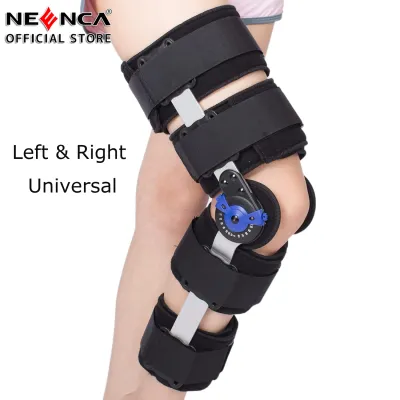
For severe tears or immediate post-surgical recovery, a hinged knee brace offers the rigid lateral stability required to prevent harmful twisting. Moderate tears or joints experiencing fluctuating swelling often benefit most from the customizable tension of a wrap-around brace. Meanwhile, mild irritation, late-stage rehabilitation, or daily swelling management are best addressed with a flexible compression sleeve.
Before purchasing any support, you must consult a medical professional to confirm your exact tear grade and obtain a personalized recommendation. A brace is designed to assist your recovery, but it cannot replace a structured physical therapy program or professional medical treatment. The primary decision factors you should evaluate with your doctor include your need for structural stability, the level of swelling you experience, and your intended activity level.
Products mentioned in this guide
![[✅SG Ready Stock] Japan Medical Grade Meniscus Knee Support Brace Breathable Spring Stabilizer Knee Pad for Sports Injury Recovery Arthritis Pain Relief](https://img.lazcdn.com/g/p/e94506733d318d118af927ae72583575.png_400x400q80.png_.webp)
![NEENCA [2 Pack] Knee Brace Knee Compression Sleeve Support with Patella Gel Pad & Side Spring Stabilizers Top Grade Knee Protector for Running Meniscus Tear Arthritis Joint Pain Relief Sport](https://img.lazcdn.com/g/p/1d459a7872f5e791f8bd5bd585c31319.jpg_400x400q80.jpg_.webp)
Prices are valid at publication and may change. Please refer to the product page for the latest price.
Understanding Meniscus Injury Needs and Brace Functions
To choose the correct support, it helps to understand how meniscus damage affects the mechanics of your knee. The meniscus is a C-shaped piece of cartilage that cushions the space between your thighbone and shinbone. When this cartilage is compromised—whether through minor fraying, a moderate tear, or a severe, unstable rupture—the knee loses its natural shock absorption and becomes highly vulnerable to rotational forces.
Braces assist the injured joint through three primary mechanisms: mechanical stabilization, compression, and proprioceptive feedback. Mechanical stabilization physically limits lateral movement and rotation, protecting the healing cartilage from shearing forces. Compression helps manage localized swelling by promoting lymphatic drainage and blood flow. Proprioceptive feedback refers to the sensory input your brain receives from the pressure of the brace on your skin, which naturally improves your joint awareness and helps prevent awkward, uncoordinated movements.
No single brace design can universally address all meniscus issues because recovery is a dynamic process. A brace that provides excellent support during early-stage rehabilitation may become overly restrictive as you regain strength. Conversely, a lightweight sleeve that feels comfortable during light daily activities will not offer enough protection if you attempt to return to sports involving sudden pivots or lateral cuts.
Hinged Knee Braces: Maximum Stability for Severe Tears
When dealing with severe meniscus tears, complex multi-ligament injuries, or the delicate weeks following orthopedic surgery, a hinged knee brace is typically the standard recommendation. These braces are engineered to provide maximum structural reinforcement, shielding the joint from lateral shifting and rotational stress that could easily re-injure or worsen a deep tear.

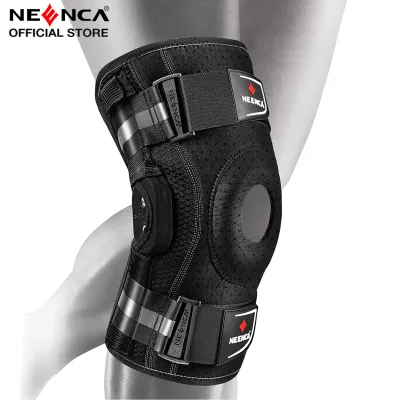
When evaluating a hinged brace, you should verify several key structural features. Look for adjustable range-of-motion hinges that allow your physiotherapist to lock the knee at specific angles or limit flexion and extension during early recovery. The brace should feature rigid side stays made of lightweight aluminum or composite materials, alongside a secure, multi-point strapping system that keeps the hinges perfectly aligned with the center of your knee joint.
However, these high-stability designs come with distinct trade-offs. Hinged braces are inherently bulky and heavier than fabric alternatives, which can make them uncomfortable for prolonged sitting or low-impact daily tasks. In warm, humid climates like Singapore, the heavy materials and thick straps can trap heat and moisture, making breathability and skin care critical considerations during extended wear.
Compression Sleeves: Mild Support and Swelling Control
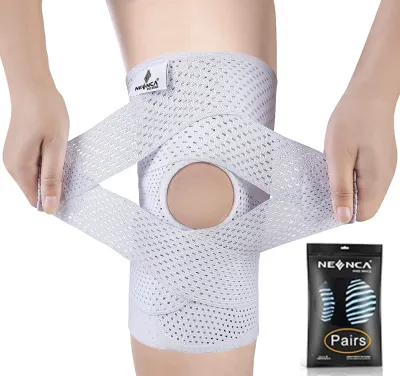
For minor meniscus irritation, mild chronic swelling, or the final stages of physical therapy, a compression sleeve offers a lightweight and unobtrusive solution. These sleeves do not use rigid hardware, relying instead on elastic or knit fabrics to provide gentle, uniform pressure around the entire joint capsule.
When shopping for a compression sleeve, prioritize breathable, moisture-wicking materials such as 3D circular knit fabrics, which help regulate skin temperature and reduce sweat buildup. Many high-quality sleeves also feature integrated silicone patella rings to help keep your kneecap centered, as well as non-slip silicone strips along the top cuff to prevent the sleeve from sliding down during movement. Graduated compression is another valuable feature to verify, as it optimizes blood flow to assist in reducing minor, post-activity swelling.
It is crucial to recognize the limitations of a simple sleeve. Because they lack rigid side stays or mechanical hinges, compression sleeves offer virtually no structural protection against twisting, pivoting, or lateral impacts. Using a sleeve for an acute, unstable meniscus tear can create a false sense of security, potentially leading to movements that cause further joint damage.
Wrap-Around Braces: Adjustable Fit for Moderate Support
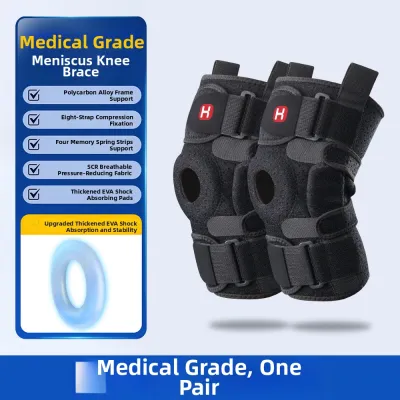
Wrap-Around braces occupy the middle ground of knee support, offering a highly customizable fit that bridges the gap between rigid hinged designs and simple compression sleeves. These braces are particularly useful for moderate meniscus tears or for individuals who experience significant fluctuations in knee swelling throughout the day.
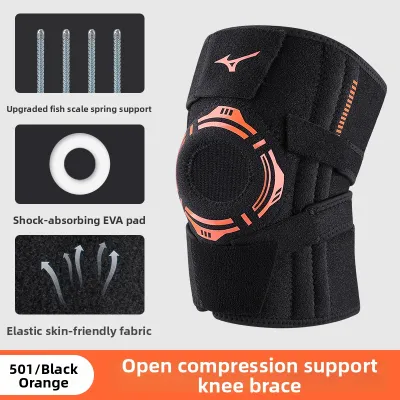
One of the primary advantages of a wrap-around design is its ease of application. Unlike sleeves, which must be pulled up over the foot and calf, wrap-around braces open completely and secure directly around the knee using adjustable hook-and-loop straps. This makes them an excellent option for individuals with limited hand strength, mobility restrictions, or acute pain that makes pulling on a tight sleeve difficult. To maximize utility, verify that the brace features dual-side adjustable straps, customizable tension zones, and optional flexible or removable side stays that provide light structural support without excessive bulk.
Despite their versatility, wrap-around designs have specific drawbacks. The multiple straps and overlapping fabric layers can shift, bunch up behind the knee, or loosen during vigorous or repetitive activities, requiring periodic readjustment. Additionally, because the compression is applied via individual straps rather than a continuous knit fabric, it may not feel as uniform as the compression provided by a high-quality seamless sleeve.
Feature Comparison: Matching Brace Types to Activity Levels
To help you align these different designs with your daily routine and recovery goals, the following matrix compares the primary characteristics of each brace type:
| Brace Type | Stability Level | Compression Style | Ease of Application | Best Activity Types |
|---|---|---|---|---|
| Hinged | High | Moderate / Localized | Moderate (Requires strap alignment) | Post-op rehab, straight-line walking, highly controlled exercises |
| Wrap-Around | Moderate | High (Adjustable) | High (Front-opening design) | Light daily chores, low-impact gym work, fluctuating swelling |
| Compression Sleeve | Mild | High (Uniform) | Moderate (Requires pulling over foot) | Light running, cycling, daily mobility, post-recovery support |
As your meniscus heals and your surrounding muscles regain strength, your bracing needs will likely change. Many recovery protocols involve transitioning from a highly restrictive hinged brace during early rehabilitation, to a flexible wrap-around brace for transitional activities, and finally to a compression sleeve for confidence and swelling control during high-energy workouts.
Always check the manufacturer’s specifications for weight limits, material durability, and sport-specific design features. For example, if you plan to use your brace for water sports or in wet environments, ensure the hinges and fabrics are rated for water exposure to prevent rust and material degradation.
How to Verify Fit, Safety, and Wear Instructions
An improperly fitted knee brace can cause more harm than good by placing uneven pressure on the joint or restricting healthy circulation. To find your correct size, use a flexible measuring tape to measure your leg circumferences at the specific points designated by the manufacturer—typically around the center of the kneecap, 15 centimeters above the patella (mid-thigh), and 12 centimeters below the patella (upper calf). Do not guess your size based on clothing measurements, as brace sizing standards vary widely between brands.
Once you have your brace, perform regular safety checks during use. Ensure the brace is snug but not overly tight; you should be able to slide two fingers comfortably under any strap or fabric edge. Check your leg periodically for signs of restricted blood flow or nerve compression, which include cold toes, tingling, numbness, deep red marks, or localized skin irritation. If you have a patella cutout or silicone ring, verify that your kneecap sits perfectly centered within the opening to avoid tracking issues.
Proper maintenance is essential to preserve the structural integrity and hygiene of your brace. Most braces should be hand-washed in cold water using a mild detergent, then air-dried away from direct heat sources like radiators or intense sunlight. If your brace has removable metal hinges, always slide them out before washing to prevent damage to the fabric sleeves. Regularly inspect the hook-and-loop fasteners, stitching, and hinge joints for signs of wear, replacing the brace immediately if the straps lose their grip or the hinges become loose or misaligned.
Stop using the brace immediately and consult your doctor or physiotherapist if you experience a sudden increase in knee pain, new feelings of joint instability, skin breakdown, or persistent numbness in your lower leg. Remember that a brace is a temporary aid; long-term joint health relies on rebuilding the strength of your quadriceps, hamstrings, and calf muscles to naturally support your knee.
Frequently Asked Questions (FAQ)
Can I wear a knee brace all day for a meniscus tear?
You should not wear a supportive knee brace all day unless specifically instructed to do so by your orthopedic surgeon or physiotherapist. Over-relying on a rigid or highly supportive brace can cause the surrounding muscles, such as your quadriceps and hamstrings, to become inactive and weaken over time. This muscle atrophy ultimately leaves your knee joint with less natural support once the brace is removed. It is generally recommended to wear the brace primarily during periods of physical activity, prolonged standing, or when navigating uneven terrain, and to remove it during periods of prolonged rest or sedentary work.
Should I sleep with my knee brace on?
Sleeping with a knee brace is generally unnecessary and discouraged for standard meniscus injuries, as it can restrict circulation and cause skin irritation during the night. However, if you are recovering from recent meniscus surgery, your surgeon may prescribe a specific post-operative protocol that requires wearing a locked hinged brace to bed to prevent accidental twisting or bending while asleep. If you do not have a post-surgical mandate but experience nighttime discomfort, try placing a supportive pillow between your knees when sleeping on your side, or under your knees when sleeping on your back, to maintain neutral joint alignment.
How do I clean and maintain my knee brace?
To clean your knee brace, first remove any detachable metal hinges or plastic stays according to the manufacturer’s instructions. Hand-wash the fabric components in cool water using a mild, dye-free detergent, avoiding bleach or fabric softeners which can degrade elastic fibers. Rinse the brace thoroughly and squeeze out excess water gently without wringing or twisting the fabric. Lay the brace flat to air-dry in a well-ventilated indoor space, keeping it away from direct sunlight or tumble dryers. For braces with non-removable hinges, wipe the mechanical joints with a damp cloth and ensure they are completely dry to prevent rust.
Community discussion
Share your experience or ask a question. Comments are reviewed before publication.