
Finding the right non-slip yoga mat towel in Singapore requires balancing high humidity, intense sweat from hot yoga or vinyasa sessions, and the physical characteristics of your existing yoga mat. A reliable towel acts as a hygienic, high-traction barrier that prevents slipping, absorbs moisture, and protects your mat from wear. Rather than searching for a single universal option, the key is matching the towel’s grip mechanism, material blend, and physical dimensions to your specific practice style and the climate of your training space.
In tropical environments where humidity levels are consistently high, a standard towel often slides across the mat, creating a safety hazard during transitions. A dedicated non-slip yoga mat towel solves this by utilizing specialized backing materials, texturized weaves, or moisture-activated fibers that lock onto the mat surface. By evaluating how these technologies interact with your hands, feet, and mat material, you can establish a secure foundation for every pose.
Understanding Non-Slip Mechanisms and Grip Technologies
To select a high-performing yoga mat towel, you must first understand the engineering behind its grip. Manufacturers use distinct methods to prevent the towel from sliding against the mat and to keep your hands and feet anchored on top of the towel.
Products mentioned in this guide
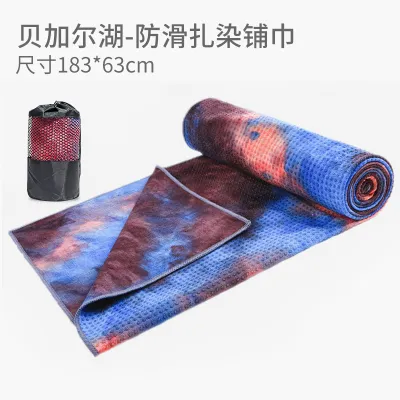
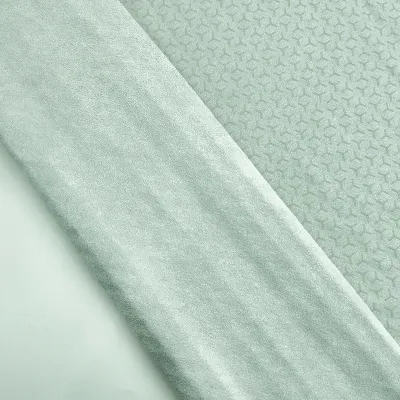
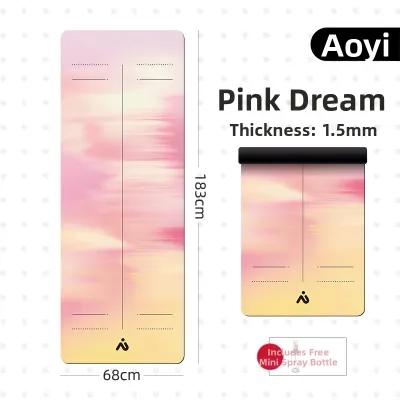
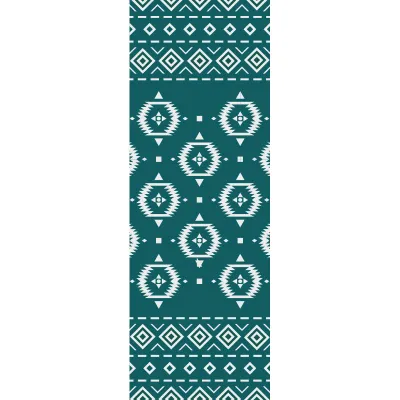
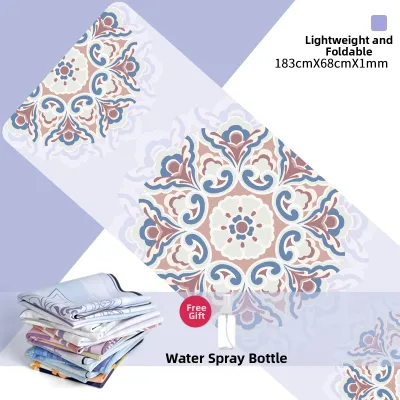
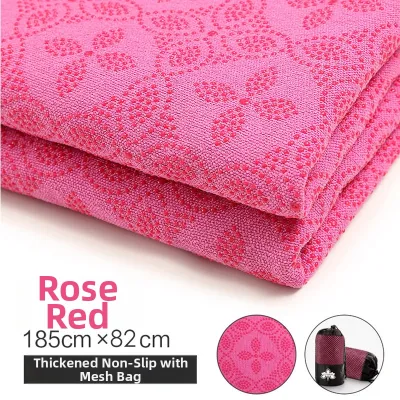
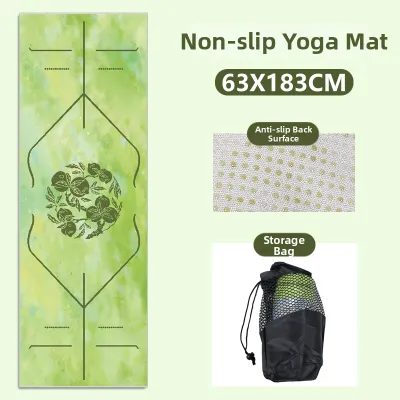
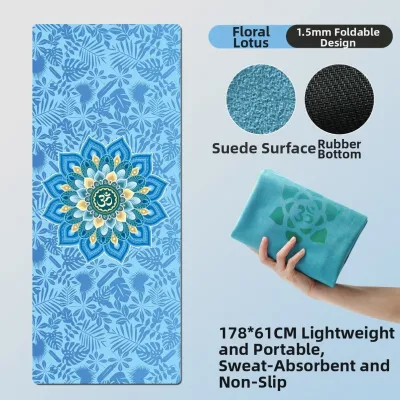
Prices are valid at publication and may change. Please refer to the product page for the latest price.
Silicone dot or nodule patterns represent one of the most common physical grip technologies. These towels feature small, raised silicone or rubberized dots distributed across the underside of the fabric. When placed on a standard polyurethane (PU), polyvinyl chloride (PVC), or natural rubber yoga mat, these dots compress under weight, creating localized friction points that mechanically lock the towel in place. This design is highly effective for dynamic practices with frequent transitions, such as Ashtanga or Power Yoga, where lateral forces are high. However, some practitioners find the texture of the dots noticeable under their hands and feet during weight-bearing poses.
Microfiber texture grip relies on the physical structure of the woven fibers rather than added silicone. High-density microfiber towels feature split fibers that create a high surface area, generating natural friction against both the mat and the skin. While dry, these towels may feel relatively smooth, but they are designed to increase traction as they absorb moisture.
Suede-like finishes and moisture-activated grip features represent a specialized category engineered specifically for high-sweat environments. These towels often utilize an ultra-fine polyester and nylon blend that mimics natural suede. When dry, the surface can feel somewhat slippery; however, once exposed to moisture—either from sweat or a light misting of water before practice—the fibers swell and create a high-traction, slip-resistant surface. This moisture-activation is ideal for hot yoga practitioners but may not perform well in dry, low-sweat restorative classes unless pre-dampened.
When evaluating these options, always check the product labels and technical descriptions for specific anti-slip technology claims. Look for terms like “silicone-backed,” “split-microfiber,” or “wet-grip technology” to verify how the towel achieves its slip resistance. Avoid generic towels that do not specify their grip mechanism, as they are likely to bunch or slide during active movement.
Matching Towel Materials to Your Yoga Practice
The material composition of your yoga towel directly dictates its absorbency, drying speed, weight, and tactile feel. Selecting the right fabric blend ensures the towel performs optimally under the specific thermal and physical conditions of your practice.

Microfiber blends, typically consisting of a polyester and polyamide (nylon) mix, are the industry standard for high-sweat practices like hot yoga, Bikram, and intense Vinyasa flows. Polyamide provides exceptional water absorption, capable of holding several times its weight in water, while polyester ensures rapid drying. In Singapore’s humid climate, rapid-drying properties are essential to prevent the towel from becoming waterlogged and heavy mid-session, which can compromise its non-slip properties.
Cotton or bamboo blends offer an alternative suited for gentler, low-sweat sessions such as Yin, Hatha, or restorative yoga. Cotton fibers provide a soft, natural feel against the skin and offer reliable dry grip without requiring moisture activation. Bamboo-derived fabrics are naturally soft, highly breathable, and possess inherent moisture-wicking properties. While these natural fibers feel premium and comfortable, they tend to absorb water more slowly than synthetic microfibers and take significantly longer to dry, making them less suitable for high-intensity, back-to-back studio classes.
Evaluating the trade-offs between thickness, absorbency, and drying speed is crucial. Thicker towels offer extra cushioning for sensitive joints, which is beneficial when practicing on thin travel mats or hard studio floors. However, thicker fabrics also retain more water, take longer to dry, and add bulk to your gear bag. Conversely, ultra-thin towels are highly packable and dry rapidly, but they provide minimal cushioning and may bunch more easily if not perfectly tensioned over your mat.
Sizing, Fit, and Mat Compatibility Checks
A non-slip towel can only perform its job if it remains flat and securely aligned with your yoga mat. Incorrect sizing leads to bunching, curling edges, and sliding, which can disrupt your focus and compromise your stability.
Before purchasing, measure your existing yoga mat’s length and width. Standard yoga mats typically measure approximately 173 cm by 61 cm, while extra-long or extra-wide mats can reach 183 cm to 200 cm in length. Your towel should match these dimensions closely. A towel that is too short will leave sections of your mat exposed to sweat, while an oversized towel will hang over the edges, creating a tripping hazard and collecting dust from the studio floor.
To prevent bunching during active transitions, look for towels equipped with physical anchoring systems. Some designs feature corner pockets—triangular fabric sleeves on the underside of the towel that slip over the corners of your yoga mat. Other models utilize elastic straps or anchor loops that wrap around the ends of the mat. These structural additions are highly effective at keeping the towel taut, especially during vigorous movements like jump-backs or downward dog transitions.
Weight and packability are equally important considerations for urban practitioners who commute to studios via public transport or carry their gear throughout the workday. A lightweight, highly compressible towel can easily fit into a standard backpack or tote bag alongside work essentials. If you regularly walk or commute, prioritize towels labeled as “travel-weight” or “ultra-light,” which typically weigh under 400 grams while still offering reliable grip and absorbency.
Evaluating Durability, Care, and Hygiene Features
A high-quality yoga mat towel is an investment in your daily practice, and its longevity depends heavily on its material construction and how well it tolerates frequent laundering.
Always check the manufacturer’s washing instructions and temperature limits before your first wash. Most synthetic microfiber and silicone-dotted towels require cold or warm machine washing (typically under 40°C) on a gentle cycle. High temperatures can melt or degrade silicone backing, causing the dots to peel off and rendering the non-slip mechanism useless. Additionally, avoid using fabric softeners, as they leave a thin, waxy coating on the fibers that clogs the microfiber structure, drastically reducing both absorbency and grip performance.
Hygiene is a primary concern in warm, humid environments where bacteria and mold thrive. Look for product labels that specify antimicrobial or odor-resistant treatments. Some towels incorporate silver ions or specialized antimicrobial finishes woven directly into the fabric to inhibit the growth of odor-causing bacteria. Even with these treatments, it is essential to hang your towel to dry immediately after practice and wash it promptly to maintain hygiene and fabric integrity.
Monitor your towel regularly for signs of wear that indicate it is time for a replacement. Common indicators include peeling or cracking silicone dots, fraying edges, persistent odors that do not wash out, and a noticeable loss of surface texture. If you observe that your hands are beginning to slip on areas of the towel that previously offered secure traction, the fibers may have degraded or become clogged with oils, signaling that the towel’s functional lifespan has ended.
Building Your Shortlist: What to Verify Before Buying
When you are ready to purchase a non-slip yoga mat towel from an online marketplace or a local retail store, systematic verification will help you avoid low-quality products. Use this checklist to evaluate your options before finalizing your purchase.
First, read user reviews specifically focusing on real-world performance under wet conditions. Look for feedback from practitioners who engage in the same style of yoga as you. Pay close attention to comments mentioning whether the towel bunches at the edges, slides on specific mat materials (such as PVC versus natural rubber), or requires excessive wetting to activate its grip.
Second, verify the local return and exchange policies of the retailer. Because the interaction between a towel’s backing and a yoga mat’s surface depends on both materials, a towel that grips perfectly on a natural rubber mat might slide on a smooth TPE mat. Ensure you can return or exchange the towel if it fails to perform on your specific mat during your initial home test.
Finally, compare the retail price against the verified material composition and exact dimensions. High-quality polyamide-polyester microfiber blends with reinforced stitching and durable silicone backing typically command a higher price point, often ranging from S$30 to S$70. Be cautious of extremely low-priced options, as they often use cheap polyester blends that lack absorbency, shed microfibers, or feature low-grade silicone that peels after a few washes. Investing in a well-constructed towel ensures reliable safety and performance over hundreds of practice sessions.
Frequently Asked Questions (FAQ)
Do I need to wet my yoga towel before use for it to grip?
Whether you need to wet your towel depends entirely on its material design and your sweat level. Suede-finished and standard microfiber towels often rely on moisture to open up and activate their grip fibers. If your hands are dry at the start of a session, you may experience minor slipping. Lightly misting the hand and foot placement areas with water from a spray bottle before you begin will instantly activate the traction. Conversely, towels with physical silicone dot backings or specialized dry-grip textures do not require pre-wetting to remain secure.
Can I use a non-slip yoga towel on a carpeted floor without a mat?
It is not recommended to use a yoga mat towel directly on a carpeted floor or any soft surface without an underlying supportive yoga mat. Yoga towels are thin and lack the structural rigidity, density, and cushioning required to protect your joints and maintain stability. Without a solid, high-friction mat underneath to anchor the towel’s backing, the towel will bunch, slide, and fold under your feet during lateral movements, creating a significant risk of tripping or joint strain. Always layer your towel over a dedicated, supportive yoga mat.
How often should I wash my yoga mat towel to maintain its grip?
To maintain optimal grip and hygiene, you should wash your yoga mat towel after every single use, especially after high-sweat sessions. Sweat contains natural body oils, salts, and skin cells that accumulate in the fabric’s fibers. Over time, this buildup clogs the microfibers and coats silicone dots, creating a slick barrier that significantly reduces traction. Washing the towel removes these residues, restoring the fabric’s natural absorbency and slip-resistant properties. Always line dry or tumble dry on low heat according to the care label to preserve the grip technology.

Community discussion
Share your experience or ask a question. Comments are reviewed before publication.