
Selecting the right Oppo knee guard requires matching the structural support of the brace to the specific biomechanical demands of your sport. Whether you are navigating the repetitive, high-frequency impact of distance running, executing deep squats under heavy loads in the gym, or making sudden lateral cuts on a badminton court, your knees experience vastly different forces. A guard that excels at providing warmth and compression during static lifts may prove too bulky or hot for a fast-paced court game, while a minimalist running strap will fail to offer the lateral stability needed for rapid changes of direction. By evaluating your movement patterns, identifying where your joints experience the most stress, and understanding how different brace designs manage these forces, you can select a support that aids your performance without restricting necessary mobility.
Understanding Joint Stress in Your Primary Sport
To choose an effective knee support, you must first analyze the specific physical forces your joints encounter during your chosen activity. Different sports place distinct mechanical demands on the knee complex, which consists of the patella, the cruciate and collateral ligaments, and the surrounding meniscus and tendons.
Running and endurance cardio subject the knees to repetitive, low-to-moderate impact forces over extended periods. Each foot strike sends a shock wave up the kinetic chain, requiring the joint to absorb several times your body weight in force. The primary movement is sagittal—a continuous cycle of flexion and extension. Over time, this repetitive motion can lead to tracking issues, where the patella does not glide smoothly within the femoral groove, causing localized discomfort. For runners, the priority is maintaining proper patellar alignment and managing cumulative shock without adding unnecessary weight or bulk that could alter running gait.
Products mentioned in this guide
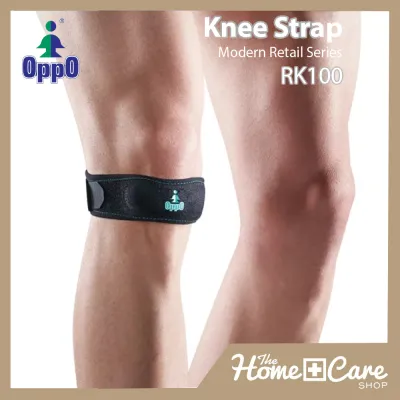
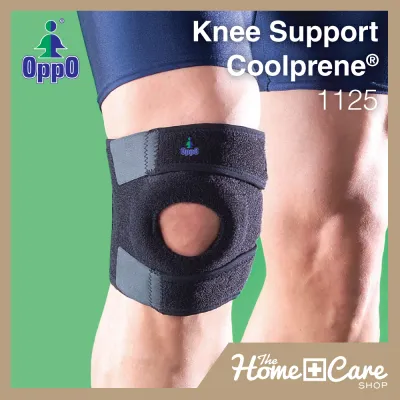
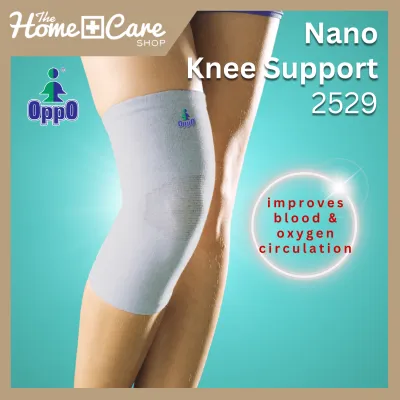
Prices are valid at publication and may change. Please refer to the product page for the latest price.
Gym workouts and weightlifting, by contrast, subject the knees to heavy axial loading and deep joint flexion. Exercises such as squats, lunges, and leg presses compress the joint under significant external weight. This compression requires maximum stability to prevent the knees from caving inward (valgus collapse) or outward. The joint also benefits from increased warmth and proprioception—the sensory feedback that helps you perceive joint position and movement. Lifters require a support that offers robust compression to promote blood flow, keep the joint warm during rest periods, and provide a physical cue to maintain proper form under load.
Court sports like basketball, tennis, and badminton introduce highly unpredictable, multidirectional forces. Athletes must perform rapid lateral movements, sudden stops, quick pivots, and explosive jumps. These actions place immense shear stress on the lateral and medial collateral ligaments as well as the anterior cruciate ligament. The knee must resist twisting forces while remaining agile enough to transition instantly from a sprint to a defensive stance. Consequently, court players require a guard that offers structural resistance against lateral rolling and hyperextension without sacrificing the explosive speed needed for competitive play.
Key Knee Guard Designs and Features to Evaluate
Oppo designs knee supports in several distinct configurations, each engineered to address specific levels of joint instability and movement patterns. Understanding these structural differences allows you to read product specifications accurately and select a model that aligns with your physical requirements.

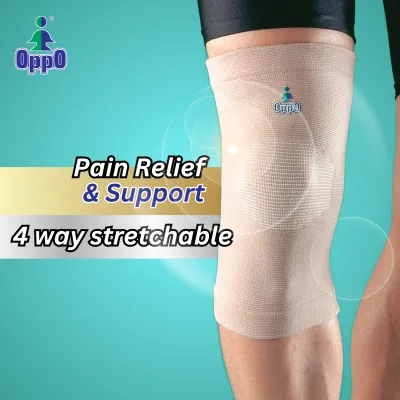
Compression sleeves are the most common design, typically constructed from elastic knit or neoprene. These slip-on sleeves provide uniform, circumferential compression around the entire joint. This mild-to-moderate support is excellent for improving local blood circulation, reducing minor swelling, and enhancing proprioception. Because they lack rigid structural elements, sleeves offer maximum flexibility, making them ideal for activities that require an unrestricted range of motion.
Wrap-around braces feature adjustable Velcro straps that allow you to customize the level of compression and fit. These designs are highly beneficial for individuals with non-standard leg shapes or those who experience fluctuating joint swelling, as they can be tightened or loosened as needed. Wrap-around models often incorporate open-patella designs—a circular cutout over the kneecap—which relieves direct pressure on the patella while helping to keep it centered during movement.
Targeted patella straps, or patellar tendon bands, are minimalist bands worn just below the kneecap. They apply focused pressure directly to the patellar tendon. This targeted compression helps distribute forces away from the tendon insertion point, reducing strain during repetitive jumping or running. Because they do not cover the rest of the knee, patella straps offer complete freedom of movement and maximum breathability, though they provide no lateral or medial stability.
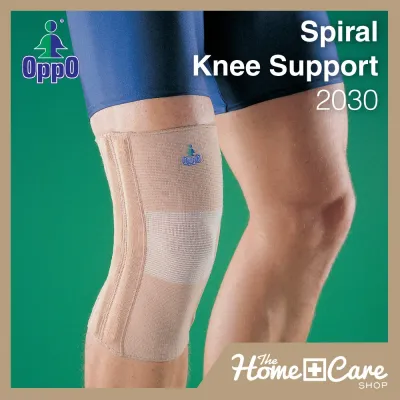
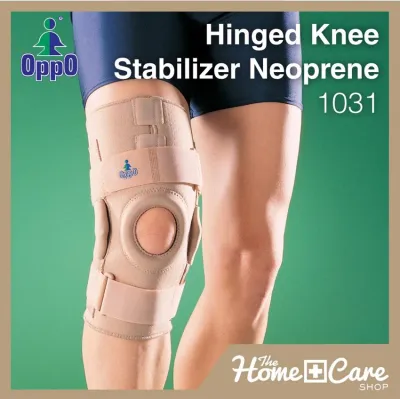
Support levels are generally categorized as mild, moderate, or maximum. Mild support is provided by basic elastic sleeves, which offer compression without structural restriction. Moderate support designs incorporate flexible spiral stays or reinforced padding on the sides of the knee to guide joint movement and resist mild lateral forces. Maximum support braces feature rigid hinges, heavy-duty strapping systems, and robust materials designed to mechanically limit lateral movement and prevent hyperextension, typically used during post-injury rehabilitation or high-risk activities.
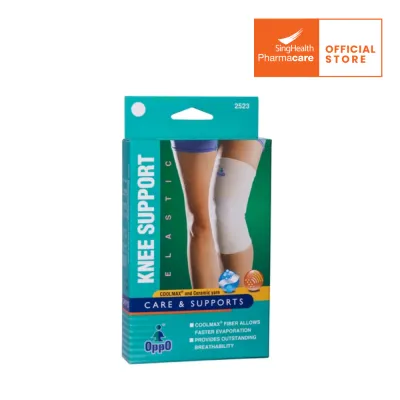
Material selection is critical, particularly in warm, humid climates like Singapore. Neoprene is highly durable and retains heat exceptionally well, which is excellent for keeping muscles and joints warm during gym sessions. However, it can trap sweat and cause skin irritation during prolonged outdoor use. Elastic knit materials, on the other hand, are lightweight, highly breathable, and feature moisture-wicking properties that keep the skin dry during intense cardio sessions, making them more comfortable for extended wear in tropical conditions.
Matching Guard Types to Your Workout Routine
Selecting the right knee guard is a matter of balancing joint stability against your need for mobility. A guard that is too restrictive will hinder your athletic performance and may cause surrounding muscles to work harder to overcome the brace’s resistance. Conversely, a guard that is too loose or lightweight will fail to provide the necessary protection during high-impact movements. Use the following guidelines to pair your specific workout routine with the appropriate support structure.
Running and Cardio
For running and high-frequency cardio, prioritize lightweight, highly breathable elastic sleeves or minimal patella straps. These designs provide the necessary compression to support the patella and improve joint awareness without adding bulk that could disrupt your natural running stride.
When selecting a running sleeve, check for integrated anti-slip features, such as silicone grip strips along the upper cuff, or specialized ergonomic knitting. These features prevent the sleeve from sliding down your leg during repetitive flexion and extension. Seamless construction is also vital to prevent chafing and skin irritation over long distances, especially when running outdoors in humid conditions.
Gym Workouts and Lifting
For weightlifting and strength training, look for thicker compression sleeves or adjustable wrap-around designs that offer robust joint warmth and stability. Neoprene sleeves are highly favored in the gym because they retain heat, keeping the joint lubricated and responsive during rest periods between heavy sets.
Ensure the guard’s material and design do not pinch, bunch up, or cut off circulation at the back of the knee when you enter deep flexion, such as at the bottom of a squat or lunge. A well-designed lifting sleeve should provide a snug, reassuring squeeze that enhances your sense of joint positioning without restricting your ability to achieve a full, safe range of motion.
Court Sports and Agility
For court sports that demand rapid directional changes, select a guard that offers moderate-to-maximum support with reinforced side stays or dual-strap systems. These structural elements help protect the knee against lateral rolling and twisting forces during sharp cuts and sudden stops.
Look for designs that incorporate flexible spiral stays, which bend naturally with your knee’s flexion but resist lateral bending. It is essential to balance this structural protection with the lightweight agility required for quick pivots and jumps. Avoid overly bulky or rigid hinged braces unless specifically recommended by a medical professional, as they can slow your reaction times and limit your agility on the court.
Sizing, Fit, and Safety Checks Before You Buy
An improperly fitted knee guard can be counterproductive, either failing to provide adequate support if too loose, or restricting blood flow and causing tissue irritation if too tight. To ensure optimal performance and safety, follow a systematic approach to sizing and fitting before committing to regular use.
Start by taking accurate measurements of your leg. Because sizing standards vary significantly between different Oppo designs and models, never assume your size based on previous purchases of other brands. Use a flexible measuring tape to measure the circumference of your knee, typically around the center of the patella while standing with your leg slightly bent. Some models may also require measurements a set distance above or below the kneecap. Compare these measurements directly against the manufacturer’s specific sizing chart for that exact model.
Once your guard arrives, perform a fit test before using it during a high-intensity workout. Put the guard on and perform a series of sport-specific movements in a controlled environment. Try a few bodyweight squats, gentle lunges, and light jogging steps. The guard should feel snug and supportive but not painfully tight. It should stay securely in place without sliding down or bunching up behind the knee. Check that there are no sharp edges, rough seams, or tight bands digging into your skin.
Safety must always take priority over equipment use. A knee guard is designed to support a healthy joint or assist in managing minor, temporary discomfort; it cannot replace proper physical training, strength conditioning, or professional medical judgment. If you experience any warning signs during use—such as sharp or increasing pain, numbness, tingling, swelling, or skin discoloration—stop your activity immediately, remove the guard, and consult a qualified physiotherapist or doctor. Never use a support brace to mask severe pain in order to continue playing or training, as this can lead to serious, long-term joint damage.
Frequently Asked Questions (FAQ)
Can I wear a knee guard all day?
It is generally not recommended to wear a supportive knee guard continuously throughout the day unless specifically instructed by a medical professional. Prolonged wear can lead to muscle dependency, where the muscles surrounding the joint become accustomed to the external support and begin to weaken over time. Additionally, continuous compression can restrict local blood circulation and trap moisture against the skin, increasing the risk of chafing, rashes, or skin irritation. To maintain joint health and skin integrity, remove the guard during periods of rest, sleep, or low-activity, allowing your muscles to engage naturally and your skin to breathe.
How do I wash and maintain my knee guard?
Proper maintenance is essential to preserve the elasticity, compression strength, and structural integrity of your knee guard. Always hand-wash the guard in cold or lukewarm water using a mild detergent. Avoid using bleach, fabric softeners, or harsh chemical cleaners, as these can degrade the elastic fibers and neoprene material. After washing, gently squeeze out excess water without wringing or twisting the fabric, which can warp the internal stays or stretch out the knit. Lay the guard flat to air-dry in a well-ventilated area away from direct sunlight and heat sources like radiators or clothes dryers, as high heat will damage the synthetic materials and weaken the Velcro straps.
Community discussion
Share your experience or ask a question. Comments are reviewed before publication.