
Finding the right patella knee strap in Singapore requires balancing targeted pressure, secure fit, and heat management. In a tropical climate where high humidity leads to heavy sweating, a poorly chosen strap can easily slip, cause skin chafing, or fail to provide the necessary support during high-impact activities. Whether you are training for a marathon along East Coast Park or playing intensive court sports at a local community center, understanding how to evaluate these supports ensures you protect your joints without compromising comfort.
To make an informed decision, you must look beyond brand names and focus on the physical design, material breathability, and closure mechanisms of the strap. This guide breaks down the mechanical function of patellar supports, outlines the key features to evaluate before purchasing, and provides a step-by-step fitting guide to help you maintain peak athletic performance safely.
Understanding Patella Knee Straps for High-Impact Activities
To understand how a patella knee strap works, it helps to look at the biomechanics of the knee joint during repetitive motion. The patellar tendon connects your kneecap (patella) to your shinbone. During high-impact movements, the repetitive force of your foot striking the ground can cause the kneecap to track incorrectly within the femoral groove, leading to localized irritation and discomfort. A patella knee strap is specifically designed to apply targeted, localized pressure directly to the patellar tendon just below the kneecap.
Products mentioned in this guide
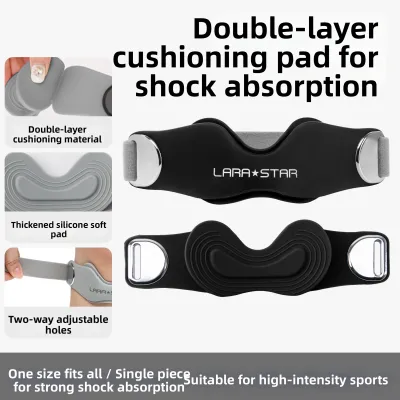
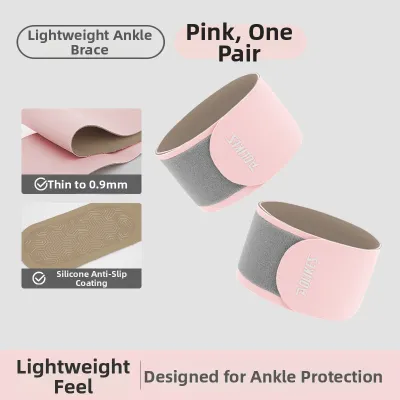
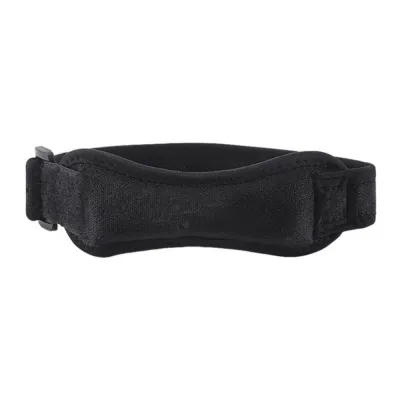
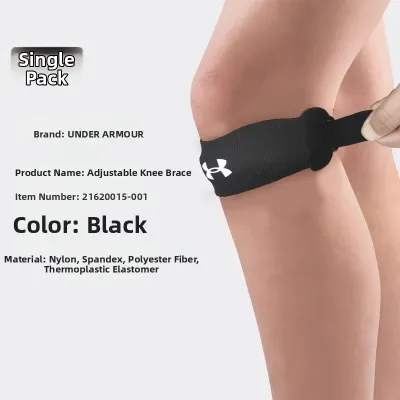
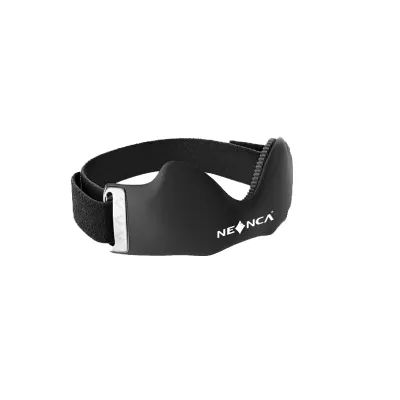
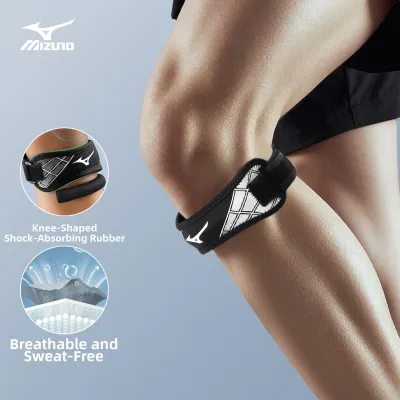
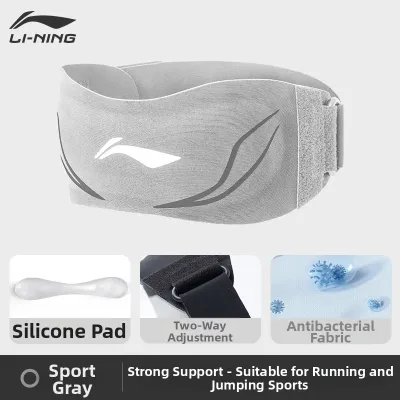
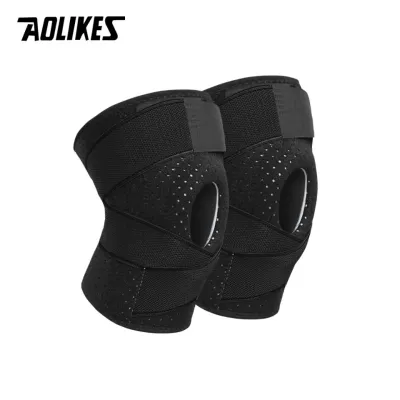
Prices are valid at publication and may change. Please refer to the product page for the latest price.
This targeted pressure acts as a mechanical buffer, slightly shortening the functional length of the tendon and altering the angle at which it pulls. By doing so, the strap reduces the load transmitted to the patellofemoral joint and helps stabilize patellar tracking during movement. This mechanical adjustment is highly effective for managing symptoms associated with patellar tendinopathy, commonly known as jumper’s knee, as well as general patellofemoral pain syndrome, often referred to as runner’s knee.
It is important to differentiate a patella strap from other common knee supports, such as full knee sleeves or hinged braces, as they serve entirely different purposes:
- Knee Sleeves: These provide general compression, warmth, and mild support across the entire joint. While they improve proprioception (your brain's awareness of joint position), they lack the targeted pressure needed to correct patellar tracking issues and can trap significant heat in warm climates.
- Hinged Braces: These are rigid supports designed to prevent lateral or medial movement of the knee, typically used after ligament injuries (such as ACL or MCL tears). They are bulky, heavy, and restrict natural joint mobility.
- Patella Knee Straps: These offer a minimalist, low-profile design that focuses solely on the patellar tendon. They allow the rest of the knee joint to move freely, making them the preferred choice for athletes who require maximum mobility alongside targeted tendon support.
Common high-impact scenarios where a patella strap is highly applicable include long-distance running, trail running, basketball, volleyball, tennis, and high-intensity interval training (HIIT). In these activities, the knee joint undergoes rapid deceleration, sudden directional changes, and repetitive landing forces that place immense stress on the patellar tendon.
Key Features to Evaluate When Buying a Patella Strap
When shopping at local sports stores or browsing online marketplaces in Singapore, you will encounter a wide variety of patella straps. To find a high-quality option that suits your athletic needs, evaluate the following physical and material attributes:

Pad Design and Material Options
The core functional element of any patella strap is the pressure pad that sits against the tendon. The material and shape of this pad determine how effectively pressure is distributed across the soft tissue. Gel inserts conform closely to the unique contours of your knee, offering comfortable, uniform pressure distribution that is highly suitable for long-distance running. EVA foam pads are firmer and hold their shape under extreme loads, making them excellent for explosive jumping sports where maximum shock absorption is required. Air-filled inserts provide adjustable pressure but require you to check the valve integrity over time to ensure they do not leak during use.
Material Properties and Climate Suitability
Singapore’s hot and humid climate makes material selection a critical factor for comfort and skin health. Standard neoprene is commonly used in sports supports because of its durability and elasticity, but it traps heat and sweat, which can lead to skin irritation or heat rashes. Look for straps made from perforated neoprene, moisture-wicking nylon blends, or advanced spacer fabrics that allow heat to escape. Additionally, check for a soft, hypoallergenic inner lining that minimizes friction against the skin when wet.
Closure Mechanisms and Adjustability
The closure system determines how securely the strap stays in place and how easily you can adjust the tension. Single Velcro straps are quick to put on and adjust, but they may slip during high-intensity lateral movements if the hook-and-loop material is narrow. Dual-loop or double-strap systems route the strap through a plastic or metal loop before securing it back on itself. This design provides bilateral tension adjustment, ensuring the pressure is centered perfectly over the tendon and preventing the strap from loosening or shifting during deep knee bends.
Matching the Strap Design to Your Sport and Comfort Needs
Not all patella straps are suited for every activity. To narrow down your choices, match the design of the strap to the specific physical demands of your athletic routine.
Endurance Running
For continuous, straight-line activities like road running or trail running, your primary concerns are weight, breathability, and slip resistance. As you run, sweat accumulates, which can cause a standard strap to slide down your shin. Look for ultra-lightweight, low-profile straps that feature internal silicone grip strips or textured linings designed to hold onto the skin even when wet. A single-strap design with a slim gel pad is often sufficient for runners, as it provides targeted pressure without adding unnecessary bulk or restricting your stride.
Explosive and Court Sports
Sports like basketball, volleyball, badminton, and netball involve rapid lateral movements, sudden stops, and high-velocity jumps. These dynamic actions place sudden, multi-directional forces on the knee joint. For these activities, prioritize a secure lockdown and robust shock absorption. A dual-loop strap system with a wider, firmer EVA foam pad is highly recommended. The dual-loop closure ensures the strap remains locked in place during sudden pivots, while the firmer pad helps absorb the high impact forces of landing on hard court surfaces.
Sensitive Skin and Layering Considerations
If you have sensitive skin or are prone to chafing, look for straps with fabric-covered edges and seamless construction. Raw neoprene edges can rub against the skin and cause painful abrasions over time. Alternatively, if you plan to wear the patella strap over compression tights, verify that the inner lining of the strap has enough grip to hold onto the slick fabric of the tights. Some straps are designed specifically with high-friction backings that prevent sliding when layered over athletic wear.
Step-by-Step Guide to Fitting and Adjusting Your Knee Strap
To ensure your patella knee strap works effectively and safely, you must position and tension it correctly. Incorrect placement can render the strap useless or, worse, restrict blood circulation and cause discomfort.
Step 1: Locate the Correct Anatomical Position
Sit on a chair with your leg extended slightly forward, keeping your quadriceps muscles completely relaxed. Use your fingers to locate the bottom edge of your kneecap (patella). Directly below this bony edge, you will feel a soft, slightly depressed area before reaching the bony bump on your shinbone (the tibial tuberosity). This soft area is your patellar tendon. The pressure pad of the strap must sit directly over this soft tendon, positioned horizontally between the bottom of the kneecap and the top of the shin bump.
Step 2: Adjust the Tension Safely
Wrap the strap around your leg, ensuring the pressure pad is centered over the tendon. Thread the strap through the loop (if applicable) and pull it snug. Tighten the strap until you feel firm, localized pressure on the tendon. It should feel supportive but never tight enough to pinch the skin, restrict blood flow, or cause throbbing. If you feel any tingling, numbness, or coldness in your lower leg or foot, the strap is too tight and must be loosened immediately.
Step 3: Perform a Quick Movement Test
Stand up and perform a few basic movements to verify the fit. Do three to five deep bodyweight squats, followed by a few forward lunges and high-knee lifts. Observe the strap during these movements. It should remain firmly in place over the patellar tendon without sliding down your leg or shifting sideways. If the strap moves, adjust the tension slightly or reposition the pad. If you feel a pinching sensation behind your knee (in the popliteal fossa) during deep flexion, the strap may be too wide or positioned too high; try shifting it slightly downward or choosing a lower-profile design.
Safety Boundaries: When a Knee Strap Is Not Enough
While a patella knee strap is an excellent supportive tool, it is crucial to recognize its limitations. A strap is designed to manage mild tendon irritation and tracking issues; it cannot repair structural damage within the joint.
If you experience any of the following symptoms, a patella strap is not sufficient, and you should seek a professional medical evaluation immediately:
- Sharp, sudden, or severe pain that makes it difficult to bear weight on your leg.
- Visible swelling, redness, or localized heat around the knee joint (fluid on the knee).
- A sensation of the knee joint locking, catching, or completely giving way during movement.
- Pain that persists or worsens despite resting and using the strap for several consecutive workouts.
Furthermore, it is vital to understand that a knee strap only manages symptoms by redistributing load; it does not cure the underlying cause of your discomfort. Long-term recovery and injury prevention require targeted strength training and physical rehabilitation. Weakness or imbalances in your quadriceps, hamstrings, gluteal muscles, and hip stabilizers are often the root causes of poor patellar tracking. Incorporating exercises like eccentric squats, lunges, and hip abductor strengthening into your routine is essential for building a resilient joint that can handle high-impact sports without relying permanently on external support.
Frequently Asked Questions (FAQ)
How often should I wash my patella knee strap?
In Singapore’s hot and humid environment, sweat, body oils, and dead skin cells accumulate rapidly on sports gear. To maintain hygiene and prevent skin irritation, wash your patella strap after every two to three uses, or immediately after an exceptionally intense, high-sweat workout. Hand wash the strap in cool water using a mild, liquid detergent. Avoid using bleach or fabric softeners, as they can degrade the elastic fibers and weaken the Velcro hooks. Rinse the strap thoroughly to remove all soap residue, gently squeeze out excess water without wringing, and lay it flat to air dry in a well-ventilated indoor area away from direct sunlight.
Can I wear a patella strap all day, or only during sports?
You should only wear a patella knee strap during active periods, such as running, training, or playing sports. Do not wear the strap all day or while resting. Continuous compression on resting joints can restrict local blood circulation, cause muscle dependency, and lead to skin irritation or heat rashes from trapped moisture. Put the strap on shortly before your workout begins and remove it immediately after you finish your cool-down routine to allow your skin and muscles to recover naturally.
Community discussion
Share your experience or ask a question. Comments are reviewed before publication.