
Finding the perfect adult pool float in Singapore requires looking beyond bright colors and whimsical shapes. To ensure a relaxing experience in your condominium or public pool, you must prioritize three core elements: weight capacity, material durability, and ergonomic comfort. A float that cannot support your weight properly will sag, leaving you partially submerged and unstable, while cheap materials will quickly degrade under the intense tropical sun.
When shopping for an adult pool float, the primary trade-off lies between portability and on-water stability. Highly portable designs fold down into compact packages suitable for a day bag, but they often sacrifice the rigid structural support of larger, multi-chambered lounges. By understanding your personal relaxation style and verifying key specifications, you can select a float that offers the ideal balance of comfort and longevity.
Key Selection Criteria for Adult Pool Floats
Weight Capacity and Structural Support
To find a safe and stable pool float, your first step should always be locating the manufacturer’s explicit weight limit. This specification is typically printed on the product packaging, the safety warning label, or the online product details table. Never assume that a float labeled “adult” will automatically accommodate every body type; weight capacities can vary significantly from 80 kg to over 150 kg.
Products mentioned in this guide
![[SG Stock] WOODLES Float Inflatable Giant Swimming Pizza Float Connecting Hooks Cup Holder Team Building Pool Party Games Kids Children Adults](https://img.lazcdn.com/g/p/8148ca3ca0f8e31d15a4eb4e4809be70.jpg_400x400q80.jpg_.webp)
Prices are valid at publication and may change. Please refer to the product page for the latest price.
Choosing a float with a weight capacity that comfortably exceeds your actual body weight is highly recommended. When a float operates near its maximum limit, it sits much lower in the water, reducing buoyancy and making it highly susceptible to tipping. A generous weight margin ensures the float remains high on the water surface, providing a dry, stable, and secure platform. This is particularly important if you plan to read or keep personal items dry while lounging.
The physical design of the float also plays a critical role in weight distribution. Look for models with wider bases and multiple independent air chambers. If one chamber suffers a slow leak, the remaining inflated sections will keep you afloat, preventing sudden submersion and ensuring you can safely return to the pool edge. Multiple chambers also allow you to adjust the firmness of different sections, such as inflating the headrest slightly firmer than the main body.
Material Durability and Puncture Resistance
The longevity of your pool float depends heavily on the type and thickness of the material used in its construction. Most consumer floats are made from polyvinyl chloride (PVC), vinyl, or thermoplastic polyurethane (TPU). TPU is generally more puncture-resistant and environmentally friendly than standard PVC, though it often comes at a higher price point. Nylon-covered floats offer an extra layer of defense, shielding the inner inflatable bladder from direct contact with sharp surfaces.
Material thickness is typically measured in millimeters (mm) or gauge. For adult use, look for a minimum thickness of 0.25 mm to 0.40 mm; anything thinner is highly prone to punctures from concrete pool coping, swimwear zippers, or rough handling. In Singapore’s year-round tropical climate, high UV exposure can rapidly degrade untreated plastics, causing them to become brittle, crack, and leak air along the seams.
To combat this, verify whether the manufacturer specifies UV-resistant or fade-resistant treatments on the material. Be skeptical of generic marketing terms like “heavy-duty” or “military-grade” unless they are backed by concrete thickness specifications. Additionally, inspect product images closely to ensure the seams are wide and RF-welded (radio frequency welded) rather than simply glued, as welded seams resist heat expansion much better when left out in the sun.
Ergonomics and Comfort Features
A great pool float should support your body naturally, allowing you to relax without straining your muscles. Built-in ergonomic features such as contoured backrests, elevated headrests, and integrated armrests help maintain a comfortable posture. These supports reduce neck and shoulder tension, allowing you to read, chat, or lounge for extended periods without experiencing physical stiffness.
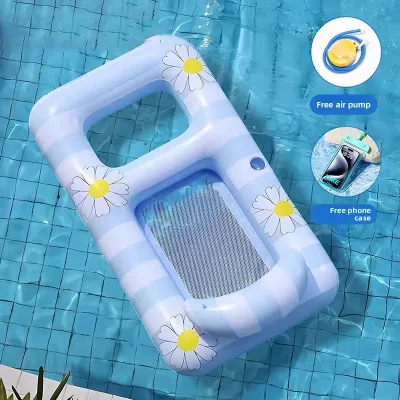
Another major design consideration is whether you prefer to stay completely dry or partially wet. Mesh-bottom floats feature an inflatable outer ring with a suspended fabric mesh center, allowing water to filter through and keep you cool in the heat. Fully enclosed air chambers, on the other hand, lift your entire body out of the water, keeping you dry but warmer under the sun. Your choice should match how you typically react to the afternoon heat.
Secondary convenience features can greatly enhance your lounging experience. Look for integrated cup holders that are deep enough to secure your beverage container against gentle waves or accidental bumps. Some premium lounge floats also feature built-in cooler compartments or side pockets to store sunglasses and sunscreen, keeping your essentials within arm’s reach so you do not have to constantly swim back to the pool edge.
Matching Float Types to Your Relaxation Needs
Lounge and Recliner Floats
Lounge and recliner floats are designed for ultimate relaxation, mimicking the comfort of an armchair or chaise lounge on the water. These floats feature a raised backrest, armrests, and often an elevated leg section to keep your upper body completely dry. They are ideal for reading, sipping a drink, or socializing without getting your hair or face wet.

However, these floats have a large footprint and require significant pool space, which may not be ideal for crowded condominium pools. They can also be challenging to mount from inside the water due to their high sides and elevated center of gravity. Users typically need to board them from the pool steps or shallow end to avoid tipping over during entry.
Additionally, because they sit high on the water, lounge floats act like sails in windy conditions. If your pool is located on a high-floor condo balcony or in an open area subject to strong breezes, you may find yourself drifting quickly across the water. Choosing a model with a lower profile or built-in tether points can help mitigate this issue.
Hammock and Saddle Floats
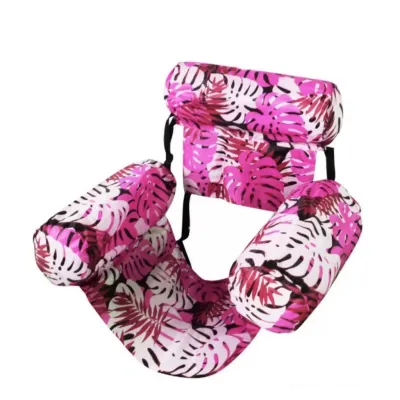
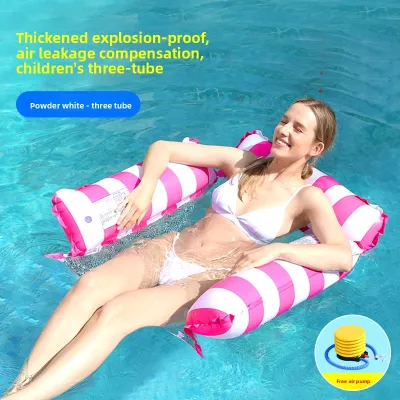
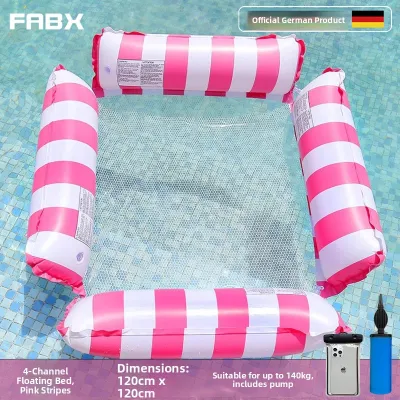
Hammock and saddle floats offer a hybrid design that prioritizes cooling and ease of use. They consist of two inflatable bolster tubes—one for the head and one for the knees—connected by a durable mesh or fabric sling. When you lie on a hammock float, your body sinks slightly into the water, keeping you cool even during the hottest hours of the day.
These floats are exceptionally stable and incredibly easy to mount and dismount, making them a favorite for users of all fitness levels. Because they roll up tightly when deflated, they are highly portable and easy to pack for a trip to the beach or a public pool. The trade-off is that they offer minimal back support, making them less suitable for upright activities like reading.
They are also highly versatile, as many models can be used in multiple configurations. You can sit across the mesh sling like a chair, use it as a saddle to float vertically, or lie flat as a traditional hammock. This adaptability makes them an excellent all-rounder for active pool users who want a mix of lounging and swimming support.
Raft and Mat Floats
Raft and mat floats feature a classic, flat profile that offers maximum versatility. Because they lack built-in backrests, you can lie flat on your back, stomach, or side, making them the preferred choice for sunbathers. When deflated, they fold flat and take up very little storage space in your home, which is a major advantage for apartment living.
The main drawback of flat mats is the complete lack of ergonomic contouring, which can lead to stiffness during long sessions. Some mats feature ribbed or pocketed designs (often called French-pocket mats) that trap small pools of water to help keep you cool. These pockets also add structural rigidity, preventing the mat from folding or buckling under your weight.
If you plan to use a flat raft in larger pools or open water, check for built-in grommets or rope tie-off points. These allow you to tether your float to a pool ladder or dock, preventing you from drifting into active swimming lanes or filter areas. It also allows you to link multiple floats together when relaxing with friends.
How to Verify Quality When Shopping Online
Shopping for pool floats on e-commerce platforms requires a critical eye to avoid low-quality products that deflate after a single use. Many sellers use digitally altered promotional images that make floats appear much larger than they actually are. To avoid disappointment, ignore the stylized lifestyle photos and scroll down directly to the detailed specification table to verify the actual inflated dimensions and weight limits.
When reading customer reviews, look for specific feedback regarding seam integrity, valve performance, and material thickness. Reviews that mention “slow leaks” or “split seams on first inflation” are major red flags indicating poor quality control. Pay close attention to reviews written after several weeks or months of use, as these provide the most accurate picture of long-term durability under real-world conditions.
Be cautious of listings that feature generic, repetitive positive reviews with no specific details. Instead, look for reviews that include real-life photos or videos of the float in a pool, which can give you a much better sense of its true size and buoyancy. If multiple users report that the float sits too low in the water or is difficult to inflate, it is best to keep looking.
Additionally, always check the seller’s return and warranty policies before making a purchase. Because mass-produced inflatables can occasionally suffer from manufacturing defects, a flexible return policy is essential. Look for sellers who offer a clear window for exchanges or refunds if the product arrives with a defective valve or a pre-existing puncture, saving you from wasting money on a useless piece of plastic.
Maintenance and Storage for Longevity
Proper maintenance is key to extending the lifespan of your adult pool float, especially when exposed to pool chemicals and tropical weather. After every use, make it a habit to rinse the float thoroughly with clean, fresh water. This removes chlorine, salt, and sunscreen residues, which can slowly degrade PVC and vinyl, causing the material to become sticky, brittle, or discolored over time.
Once rinsed, the float must be allowed to dry completely before you deflate and fold it. Always dry your float in a shaded, well-ventilated area rather than leaving it in direct, intense sunlight, which can cause the air inside to expand and stress the seams. Trapping moisture inside the folds of a wet float will inevitably lead to mold, mildew, and unpleasant odors that are incredibly difficult to remove.
For storage, deflate the float fully and fold it loosely rather than creasing it tightly. Sharp, tight folds create weak points in the plastic over time, which can easily split upon re-inflation. Store the folded float in a cool, dry indoor location, such as a closet or storage bin, away from direct sunlight, household pests, and sharp objects that could cause accidental punctures.
To prevent the folded vinyl from sticking to itself during long-term storage, you can lightly dust the surface with a small amount of talcum powder or cornstarch before folding. This simple step absorbs any residual moisture and ensures the material peels apart easily the next time you unpack it for a pool day. Taking these small precautions will ensure your float remains in excellent condition for many seasons to come.
Frequently Asked Questions (FAQ)
Can a standard pool float support an adult's weight safely?
Standard or youth-oriented pool floats are generally not safe or comfortable for adult use. These floats lack the necessary air volume, material thickness, and seam reinforcement required to support an adult’s weight. Using an undersized float can cause it to sink, tip over unexpectedly, or burst under pressure. Always check the manufacturer’s packaging for a designated adult weight rating before use.
How do I patch a puncture in a vinyl pool float?
To patch a minor puncture, first locate the leak by wiping soapy water over the inflated float; bubbles will form at the source of the escape. Mark the spot, deflate the float completely, and clean the surrounding area with rubbing alcohol to remove oils. Apply a compatible vinyl repair patch or adhesive patch firmly over the puncture, smoothing out any air bubbles, and allow it to cure fully according to the manufacturer’s instructions before re-inflating. Note that large tears or seam blowouts cannot be safely repaired and require replacing the float.
Community discussion
Share your experience or ask a question. Comments are reviewed before publication.