
Selecting the right knee support is essential for maintaining joint stability, managing discomfort, and preventing further strain during physical activities. The ideal choice depends on matching the support level to your specific physical demands, understanding key structural features, and ensuring a precise fit. Whether you are managing mild joint fatigue or recovering from a structural injury, selecting a support that aligns with your movement patterns is key to protecting your joint without restricting necessary mobility.
Quick Guide to Selecting Your Knee Support
Choosing the correct knee support requires a clear understanding of your physical needs, the demands of your activity, and the specific design features of the product. The primary decision factors include the level of stability required, the structural elements of the brace, and the environment in which you will use it. Before making a purchase, always check the manufacturer’s sizing charts and product labels to ensure compatibility with your body measurements.
It is important to note that while a knee support can assist with stability and comfort, it is not a substitute for medical treatment. Severe pain, sudden swelling, or acute injuries require a professional medical evaluation rather than self-treatment with a retail brace.
Products mentioned in this guide
![[SG 🚚] 1PC Knee Booster Support Joint Support Knee Pad Non-slip Lift Pain Relief for Knee Power Spring Force](https://img.lazcdn.com/g/p/7774d0558c87114b36c6207a4b1f1787.jpg_400x400q80.jpg_.webp)
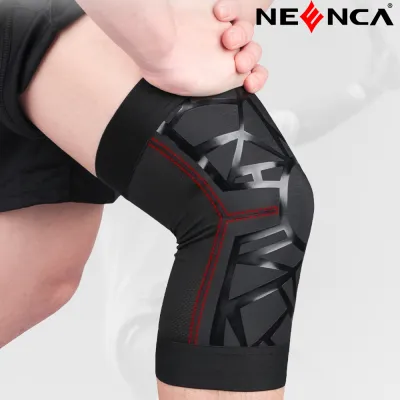
Prices are valid at publication and may change. Please refer to the product page for the latest price.
Decoding Knee Support Levels and Stability
Knee supports generally progress from basic compression sleeves to highly rigid hinged braces, each offering a different balance of mobility and protection. Understanding these tiers helps you select a product that provides adequate stabilization without unnecessarily restricting your natural range of motion.

- Level 1: Mild Compression (Sleeves): These are typically pull-on elastic or neoprene sleeves. They provide mild compression, retain therapeutic heat, and improve proprioception—the sensory feedback that helps your brain track joint positioning. They are best suited for minor aches, mild swelling, and general support during low-impact activities.
- Level 2: Moderate Support (Flexible Stabilizers): These supports feature flexible steel side stays, adjustable straps, or reinforced padding around the kneecap. They offer moderate lateral stability while still allowing a natural bending motion, making them ideal for minor ligament sprains or repetitive strain relief.
- Level 3: Maximum Support (Hinged Braces): Designed with rigid plastic or metal hinges on both sides of the joint, these braces physically restrict lateral movement and prevent hyperextension. They are typically used for post-surgical recovery, severe ligament instabilities, or high-risk sports where joint protection is paramount.
Choosing a higher support level than necessary is not always beneficial. Over-bracing can limit your range of motion excessively and, over time, may lead to muscle weakness if the brace is relied upon to do the work of your stabilizing muscles. Match the stability tier strictly to your current physical condition and activity requirements.
Translating Structural Features and Materials
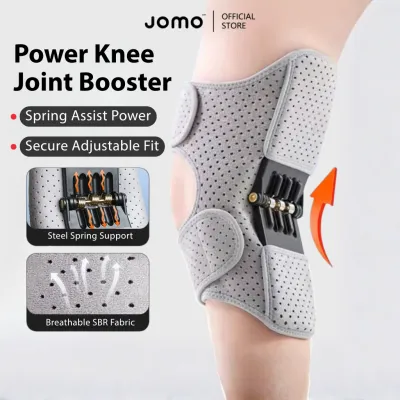
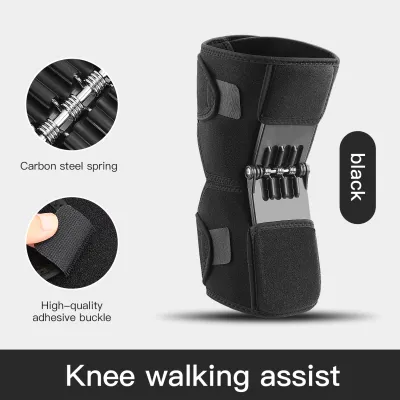
When evaluating a power knee joint support, the specific design elements and materials directly impact how the product performs under load and how comfortable it remains during extended wear.
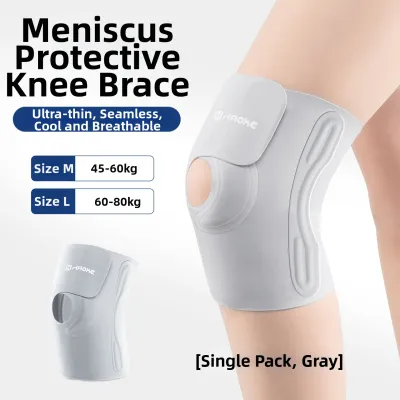
- Open-Patella vs. Closed-Patella: An open-patella design features a cutout over the kneecap, which relieves direct pressure on the patella and helps keep it tracking properly in its groove. This is highly beneficial for individuals experiencing kneecap alignment issues. A closed-patella design offers uniform compression across the entire joint, which is often preferred for general warmth and swelling control.
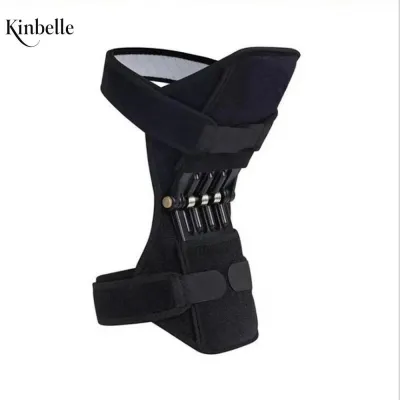
- Stays, Hinges, and Straps: Flexible side stays offer light lateral resistance, while mechanical hinges physically guide the knee along a safe path of motion. Adjustable hook-and-loop straps allow you to customize the tension and compression levels, ensuring the support remains secure even during dynamic movements.
- Material Considerations: The choice of material affects both durability and skin health. Neoprene provides excellent heat retention and durability, which can help soothe stiff joints, but it can trap moisture. In warm, humid climates like Singapore, breathable knit fabrics or moisture-wicking synthetics are often preferred to prevent sweat buildup and reduce the risk of skin irritation. Always check product labels if you have known sensitivities or allergies to materials like latex or neoprene.
Matching Support to Your Sport or Recovery Needs
Different activities place unique demands on your knee joints, meaning a support that works well for one sport may be entirely unsuitable for another.
For high-impact, pivoting sports such as basketball, badminton, or football, your knees are subjected to sudden lateral forces and rapid changes of direction. In these scenarios, a support with structural reinforcement, such as flexible side stays or cross-straps, is essential to help manage lateral joint stress. Conversely, for low-impact, repetitive activities like running, cycling, or straight-line gym workouts, a lightweight compression sleeve is often sufficient to promote blood flow and manage minor joint fatigue.
If you are using a support for recovery, focus on managing mild swelling and joint fatigue. A compression sleeve can be worn post-workout to assist with circulation and reduce minor inflammation. However, you must establish clear stop conditions for safety. If you experience an increase in pain, numbness, tingling, or if the joint feels unstable despite wearing the support, remove the product immediately and consult a healthcare professional.
Verifying Sizing and Fit for Safe Use
An improperly fitted knee support can cause more harm than good, leading to restricted circulation, skin chafing, or a complete lack of joint stabilization.
To find your correct size, do not rely on generic clothing sizes. Use a flexible tape measure and follow the manufacturer’s precise instructions. Most brands require you to measure the circumference of your leg at specific points, such as directly around the center of the kneecap, 10 to 15 centimeters above the kneecap, and 10 to 15 centimeters below it. Take these measurements while standing with your leg slightly bent.
Once you receive your knee support, verify the fit by checking for physical warning signs. The support should feel snug and secure but not painfully tight. Signs of a poor fit include the support slipping down during movement, pinching behind the knee, deep red indentations on your skin, or coldness and tingling in your lower leg or foot. If you are purchasing your support online through an ecommerce platform, always check the seller’s return and exchange policies beforehand so you can easily swap the product if the initial fit is incorrect.
Frequently Asked Questions (FAQ)
Can I wear a knee support all day?
Generally, you should only wear a knee support during physical activity or for specific periods recommended by a professional. Wearing a support continuously throughout the day can cause your stabilizing muscles to become inactive, potentially leading to muscle weakness over time. Remove the support immediately if you experience skin irritation, increased swelling, numbness, or tingling, as these are clear signs of restricted circulation or nerve compression.
How do I clean and maintain my knee brace?
To prolong the lifespan of the elastic fibers and structural components, hand wash your knee support in cold water using a mild detergent. Avoid using bleach, fabric softeners, or harsh chemicals, as these can degrade the materials. Always air dry the support flat in a shaded area; never use a machine dryer or expose the product to direct high heat, which can warp plastic hinges, damage hook-and-loop fasteners, and destroy the elasticity of the fabric.
Community discussion
Share your experience or ask a question. Comments are reviewed before publication.