
Selecting the right Rhinowalk backpack capacity for a full-day ride along the Park Connector Network (PCN) requires balancing storage needs with physical comfort. For most cyclists tackling these paved, scenic paths, a capacity of 10 to 15 liters represents the ideal sweet spot. This size provides sufficient volume to carry essential hydration, weather protection, and basic repair tools without adding unnecessary bulk that can trap heat against your back. Because Singapore’s tropical climate demands constant hydration and sudden rain preparation, your choice should prioritize ventilation and weight distribution alongside raw volume.
Assessing Your Gear Needs for a Full-Day PCN Ride
Planning a full-day excursion along the PCN means preparing for changing weather, physical exertion, and self-sufficiency between rest stops. Your gear list dictates the minimum volume your backpack must accommodate. Hydration is the most critical factor; carrying a hydration bladder or multiple water bottles is essential to combat high humidity. Alongside water, high-energy snacks like bananas, energy bars, or electrolyte tablets require dedicated, dry storage space to keep you fueled throughout the day.
Weather protection is another major consideration for local riders. The intense tropical sun requires frequent reapplication of sunscreen, while arm sleeves and UV-blocking sunglasses are standard wear. Because sudden afternoon downpours are common, a lightweight, packable rain jacket or windbreaker must always have a place in your bag. This outer layer should be easily accessible so you can transition quickly when the skies darken.
Products mentioned in this guide
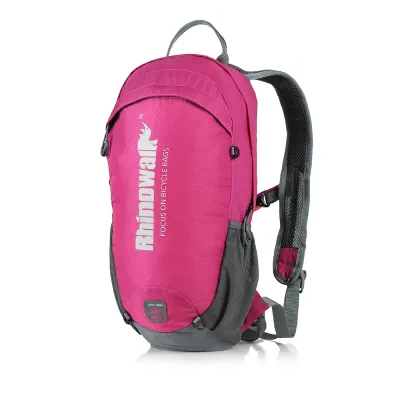
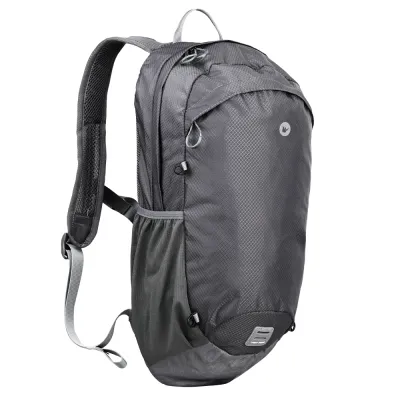
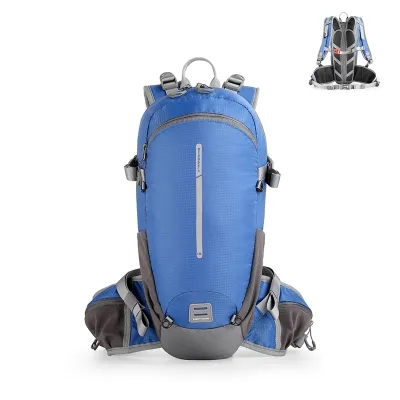
Prices are valid at publication and may change. Please refer to the product page for the latest price.
Maintaining personal hygiene and comfort during a long ride makes a significant difference in your overall experience. Packing a small, quick-dry microfiber towel and a spare jersey allows you to freshen up during lunch stops or at the end of your journey. You may also want to carry travel-sized wet wipes and a small bottle of hand sanitizer to use before eating or after handling bike components.
Finally, mechanical self-sufficiency requires a compact selection of safety and repair tools. A standard kit includes a multi-tool with a chain breaker, a spare inner tube matching your tire size, tire levers, and a compact hand pump or CO2 inflator. To keep your navigation and emergency communications active, a reliable power bank and charging cable should be packed alongside your mobile phone in a secure, dry compartment.
Matching Rhinowalk Backpack Capacities to Your Load
Rhinowalk offers a variety of bag designs, and matching their capacities to your specific packing list ensures you do not carry more weight than necessary. If you prefer a minimalist setup, smaller capacities ranging from 5 to 8 liters are highly efficient. These compact bags are best suited for cyclists who already utilize bike-mounted accessories, such as frame bags, top tube bags, or dual bottle cages. A minimalist backpack in this range acts as a supplementary carrier, holding only your most sensitive valuables, a lightweight windbreaker, and a small hydration bladder.

For the majority of full-day PCN riders, a standard capacity of 10 to 15 liters offers the most versatile performance. This volume comfortably accommodates a full two-liter hydration bladder while leaving ample room for a spare change of clothes, a comprehensive repair kit, and snacks. The structured design of mid-sized bags helps distribute weight evenly across your shoulders and upper back, preventing the sagging or shifting that can disrupt your balance during tight turns on the path.
Heavy or specialized loads require larger capacities, typically between 18 and 25 liters. This category is ideal if you plan to carry specialized equipment, such as a mirrorless camera with extra lenses, or if you are riding with children and need to carry double the supplies. However, riders should note that larger backpacks cover a greater surface area of your back, which can significantly increase sweat production in warm climates.
When selecting a specific model, always verify the exact liter rating and physical dimensions on the product label or official online listing. Manufacturers may measure volume differently depending on whether they include external mesh pockets or expandable compartments. Checking these specifications ensures the bag fits your torso length and matches your expected gear volume before you make a purchase.
Essential Features to Verify Beyond Liter Capacity
While capacity determines how much you can carry, the physical design of the backpack dictates how comfortable you will remain after several hours on the saddle. Water resistance is a primary feature to verify. Look for product specifications indicating waterproof fabrics, such as TPU-coated nylon, or welded seam constructions that prevent water from seeping through the stitching. If a model is water-resistant rather than fully waterproof, check if it includes an integrated high-visibility rain cover stored in a dedicated bottom pocket.
Breathability and harness design are critical for managing heat buildup. A quality cycling backpack should feature padded shoulder straps with mesh backing to facilitate airflow. The back panel should incorporate raised foam ridges or a suspended mesh suspension system that creates a physical gap between your back and the bag. This gap allows air to circulate, helping to evaporate sweat and keep your core temperature regulated.
Stability and safety features should not be overlooked. Verify that the backpack includes an adjustable chest strap and a waist belt to keep the load secure against your body, preventing the bag from sliding forward when you lean over the handlebars. Additionally, check for reflective logos or piping on both the front and back of the bag. Dedicated attachment loops for clipping on rear LED safety lights are highly beneficial for visibility during early morning starts or evening rides.
Packing Strategies for Hot and Humid Conditions
How you organize your gear inside your backpack directly affects your comfort, balance, and energy levels. Proper weight distribution is the foundation of a comfortable ride. Always pack your heaviest items, such as a full hydration bladder, spare tubes, and metal multi-tools, as close to your back and as low as possible. Keeping the center of gravity tight to your body prevents the backpack from pulling backward on your shoulders, reducing lower back fatigue over long distances.
Create dedicated quick-access zones for items you need to retrieve frequently without unpacking the entire bag. Outer zippered pockets or side mesh sleeves are ideal for storing sunscreen, lip balm, energy gels, and your mobile phone. This setup allows you to apply sun protection or grab a quick snack during brief pauses at trailside shelters without disrupting the organization of your main compartment.
Moisture management is essential when riding in high humidity. Use lightweight dry bags or simple ziplock bags inside your backpack to compartmentalize your gear. Keep your dry spare jersey, electronics, and paper maps sealed in waterproof bags to protect them from both external rain and the sweat that naturally transfers through the back panel of the backpack. Conversely, keep a separate plastic bag handy to isolate wet towels or sweaty clothing after a mid-ride change.
Frequently Asked Questions (FAQ)
Can I use a Rhinowalk dry bag instead of a dedicated backpack for PCN rides?
While a standard Rhinowalk dry bag offers excellent protection against heavy rain, it is generally less suitable for long cycling trips than a dedicated cycling backpack. Standard dry bags often lack the structured, breathable back panels and padded mesh shoulder straps necessary to prevent excessive sweating and chafing. Furthermore, they typically do not feature chest or waist straps, which can cause the bag to shift uncomfortably while you pedal. For full-day comfort, a purpose-built cycling backpack with integrated ventilation is highly recommended.
How should I clean my Rhinowalk backpack after a long, sweaty ride?
To maintain the water resistance and fabric integrity of your backpack, rinse it with fresh, lukewarm water after sweaty rides to remove salt buildup and dirt. Avoid using harsh chemical detergents, fabric softeners, or bleach, as these can degrade waterproof coatings and damage seam tape. Gently hand wash the straps and back panel using a mild soap if necessary. Always allow the backpack to air dry completely in a well-ventilated, shaded area, keeping it out of direct sunlight to prevent UV damage to the synthetic fibers.
Community discussion
Share your experience or ask a question. Comments are reviewed before publication.