
Selecting the right Rockbros bike stand for your home in Singapore requires balancing your bicycle’s physical dimensions with the layout of your living space. Whether you navigate the compact hallways of a Housing & Development Board (HDB) flat or manage the limited floor area of a modern condominium balcony, your choice of storage equipment directly impacts both your home’s livability and your bike’s maintenance. By matching the stand’s structural design to your specific bike type—be it a lightweight road bike, a rugged mountain bike, or a highly portable folding bike—you can ensure secure storage without sacrificing valuable floor space.
Evaluating Your Home Space for Bike Storage
HDB flats and condominiums often feature tight entryways, narrow corridors, or dedicated utility rooms. Before browsing online marketplaces for a Rockbros bike stand, grab a measuring tape to map out your available floor footprint and vertical clearance. A standard bicycle parked horizontally occupies a significant amount of floor space, typically measuring around 1.7 to 1.9 meters in length. If you plan to store your bike in a high-traffic area like a living room or foyer, you must ensure the stand does not obstruct daily foot traffic or emergency exit paths.
Vertical clearance is equally critical, especially if you are considering a vertical or space-saving stand design. Vertical stands lift the front wheel upward, reducing the horizontal footprint by up to sixty percent. However, this setup requires sufficient ceiling height to accommodate the full length of your bicycle when stood on its rear wheel. Measure the height from your floor to the ceiling, keeping an eye out for low-hanging light fixtures, ceiling fans, or air conditioning units that could interfere with the bike’s front wheel or handlebars.
Products mentioned in this guide
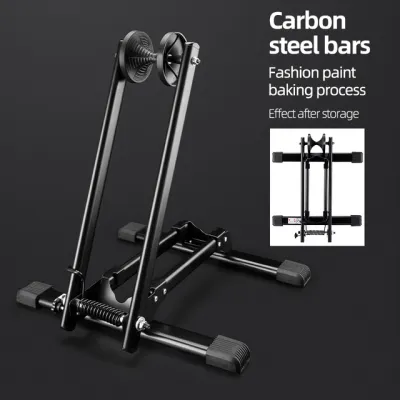
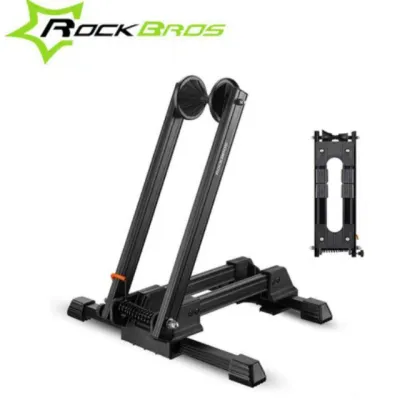
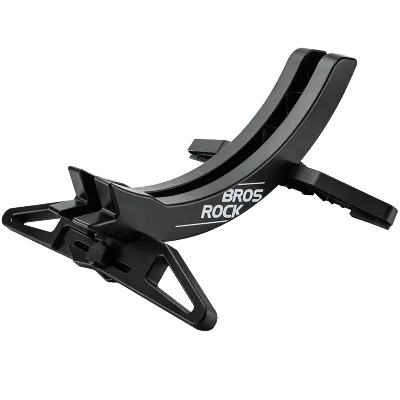
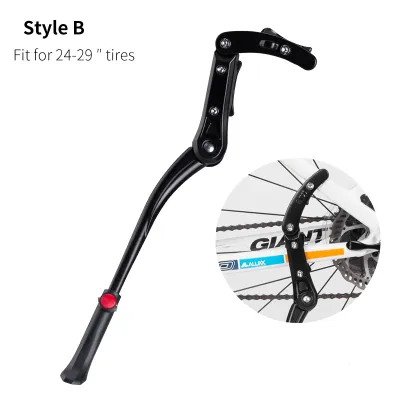
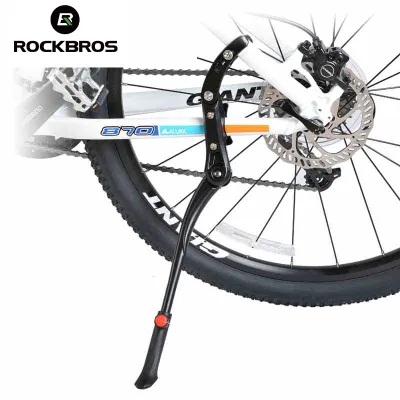
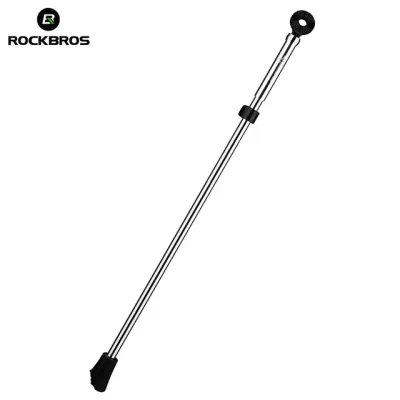
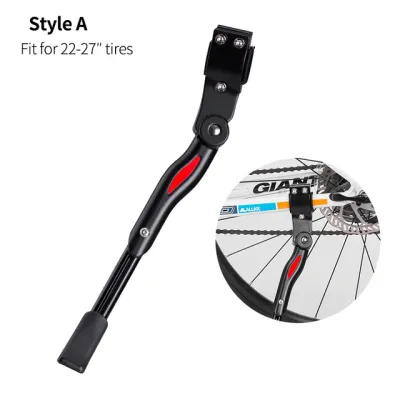
Prices are valid at publication and may change. Please refer to the product page for the latest price.
Compare the spatial trade-offs of different designs before making a decision. Freestanding floor racks are highly stable and require zero installation, making them ideal for spacious balconies or dedicated utility rooms, though they occupy the largest amount of floor area. Wall-leaning designs or telescopic pole stands utilize vertical space efficiently, making them excellent choices for narrow hallways or tight corners. Compact folding stands offer the ultimate flexibility, allowing you to fold the stand flat and tuck it away when you are out riding, though they may offer slightly less lateral stability than heavy-duty, non-folding alternatives.
Consider daily accessibility versus long-term storage needs. If you are a daily commuter or a frequent weekend rider on the Park Connector Network (PCN), your bike needs to be easily accessible. Placing a heavy, complex stand in a deep storage closet will quickly become a hassle. For daily riders, a quick-access floor stand near the main entrance is often the most practical solution. Conversely, if you only ride occasionally or need to store an extra bike long-term, a vertical stand tucked into a quiet corner or a covered balcony is a better way to preserve your daily living space.
Matching the Stand Design to Your Bicycle Type
Road bikes require specific considerations due to their narrow tires and lightweight, often delicate frames. When selecting a Rockbros bike stand for a road bike, pay close attention to the width of the wheel slot or cradle. A slot that is too wide will allow a narrow road tire (typically 25mm to 32mm) to tilt to one side, putting unnecessary lateral stress on the wheel spokes and rims. Look for stands with adjustable slot widths or those specifically designed to cradle narrow tires snugly to keep the bicycle perfectly upright.

Frame protection is paramount for road cyclists, particularly those riding carbon fiber or high-end aluminum models. Some stand designs hold the bicycle by clamping or resting against the frame tubes rather than the wheels. If you choose a frame-contact stand, verify that all contact points are generously padded with soft rubber or high-density foam. This padding prevents scratches to the paintwork and distributes the bike’s weight evenly, avoiding localized pressure points on thin-walled frame tubes.
Mountain bikes (MTBs) present a different set of challenges due to their heavier weight, wider knobby tires, and complex suspension systems. A standard road bike stand will not accommodate the wide profile of modern mountain bike tires, which often range from 2.2 to 2.6 inches or wider. Ensure the Rockbros stand you select features a wide wheel channel or an adjustable spring-loaded arm that can securely grip high-volume tires. The stand’s base must also be wide and heavy enough to counteract the high center of gravity associated with larger MTB frames and suspension forks.
Weight capacity is a critical safety factor for mountain bikes, especially if you ride an e-MTB or a model equipped with heavy accessories like mudguards, pannier racks, or heavy-duty locks. Always check the manufacturer’s specified maximum load limit before purchasing. A stand rated only for lightweight road bikes may flex, sag, or tip over when subjected to the weight of a fully loaded mountain bike, potentially damaging your equipment or causing injury to household members.
Folding bikes require a unique storage approach due to their compact, articulated frames. Many folding bike owners prefer to store their bikes in the folded state to save maximum space inside small apartments. If this is your plan, look for a compact cradle or a low-profile hook stand designed to support the folded frame securely off the ground. Alternatively, if you prefer to keep your folding bike unfolded for quick deployment, verify that the stand’s wheel slot or frame hooks can adjust down to accommodate smaller wheel sizes, such as 16-inch or 20-inch wheels, which are standard for folding models.
Essential Features to Verify Before Purchasing
When browsing Rockbros options on e-commerce platforms, the first specification to verify is the maximum weight capacity. Do not guess your bicycle’s weight; use a home scale to get an accurate measurement, including all mounted accessories like water bottles, saddlebags, lights, and locks. Choose a stand with a weight limit that comfortably exceeds your bike’s total weight by at least twenty percent. This safety margin ensures the structural integrity of the stand remains uncompromised over years of continuous use.
Inspect the base design of the stand to ensure compatibility with your home’s flooring. Singapore homes commonly feature smooth indoor surfaces such as homogeneous tiles, vinyl, or polished parquet. A bike stand with a bare metal or hard plastic base can easily slide when you mount or dismount the bike, leading to unsightly floor scratches or accidental tip-overs. Look for stands equipped with thick, non-marking rubber feet, anti-slip pads, or integrated suction cups that grip smooth surfaces securely without leaving dark scuff marks.
Adjustability and modularity are key features that extend the lifespan and utility of your bike stand. A high-quality stand should feature adjustable arms, telescopic poles, or modular wheel slots that can adapt to different wheelbases, axle heights, and fender clearances. This versatility is especially important if you own multiple bikes or plan to upgrade your bicycle in the future. A stand that can transition from holding a 20-inch folding bike to a 29-inch mountain bike offers far greater long-term value than a rigid, single-size model.
Setup, Safety Checks, and Daily Use
Once your Rockbros bike stand arrives, assemble it with care. Follow the manufacturer’s included assembly instructions strictly, ensuring you do not skip any washers or structural steps. Use the correct tools to tighten all joints, bolts, and quick-release levers. Over-tightening can strip threads or crack plastic components, while under-tightening can lead to sudden structural failure under the weight of your bicycle. Double-check every connection before placing your bike on the stand for the first time.
Conduct a thorough stability test once the bike is mounted. Gently push the bicycle from the side to check for lateral wobble or uneven weight distribution. The stand should remain firmly planted on the floor without lifting at the corners or rocking. If you notice any instability, adjust the stand’s feet or reposition the bike to ensure the center of gravity sits directly over the center of the stand’s base. Never leave a wobbly setup unattended, as minor vibrations or accidental bumps can cause the entire structure to fall.
Establish a routine maintenance schedule for your bike storage equipment. Over time, Singapore’s high humidity can affect materials, and rubber contact points or anti-slip pads may degrade, harden, or lose their grip. Inspect these components every few months for signs of wear, cracking, or stickiness. Clean the stand’s moving hinges and adjustable mechanisms regularly to prevent dust buildup, and apply a small drop of light lubricant to any pivoting joints to ensure smooth operation when folding or adjusting the stand.
Frequently Asked Questions (FAQ)
Is a floor stand safe for a carbon fiber road bike frame?
Yes, provided you choose the correct type of stand. Floor stands that hold the bicycle solely by the tires or wheels—such as spring-loaded wheel slots or floor-level cradles—are completely safe for carbon fiber road bikes because they apply zero pressure to the frame tubes. However, you must exercise extreme caution with stands that clamp onto the frame or rest the bike’s weight on the top tube or seat stays. Carbon fiber tubes are engineered to withstand specific riding forces but can easily crack under localized clamping pressure; always check the manufacturer’s explicit compatibility notes and avoid clamping stands not rated for carbon frames.
How can I protect my indoor flooring from the bike stand?
Protecting your indoor flooring requires a combination of protective barriers and regular maintenance. Placing a durable, low-profile protective mat or utility rug directly under the bike stand is the most effective way to prevent scratches, scuffs, and tire marks on sensitive parquet or vinyl floors. Additionally, make it a habit to clean dirt, grit, and road debris from the stand’s rubber base pads regularly, as trapped particles can act like sandpaper against your floor. Finally, always dry your bicycle thoroughly after riding in the rain before placing it on the stand to prevent water from pooling on your floor and causing moisture damage or warping.
Community discussion
Share your experience or ask a question. Comments are reviewed before publication.