
To find the best Rockbros electric pump for multi-purpose home and outdoor use, you must balance portability with performance. The ideal model depends entirely on whether your primary need is a pocket-sized emergency tool for road cycling or a high-capacity inflator for car tires and large sports gear. For most users looking to bridge the gap between home convenience and outdoor dependability, a mid-sized, high-capacity model with a digital pressure display, auto-shutoff, and a robust battery capacity of 2000 mAh to 5000 mAh offers the most versatile balance.
In Singapore, where active lifestyles transition from cycling along the coastal Park Connector Network (PCN) to managing family sports gear at home, a reliable electric pump is a highly practical accessory. Manual hand pumps require significant physical effort and lack precision, while bulky garage compressors are entirely impractical to carry on a weekend ride. A portable electric inflator solves these issues by providing automated, precise inflation in a compact form factor.
Choosing the right model requires looking beyond aesthetics to evaluate how a pump’s internal specifications match your daily routines. By understanding the core differences in battery capacity, pressure capabilities, and physical design, you can select an option that remains useful whether you are inflating a high-pressure road bike tire, topping up a car tire before a road trip, or prepping sports balls for a game at the local community court.
Products mentioned in this guide
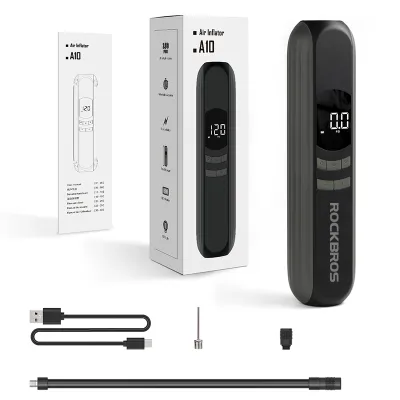
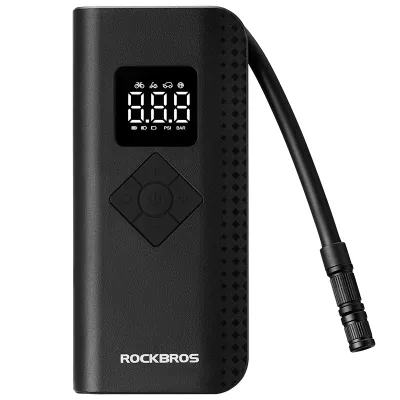
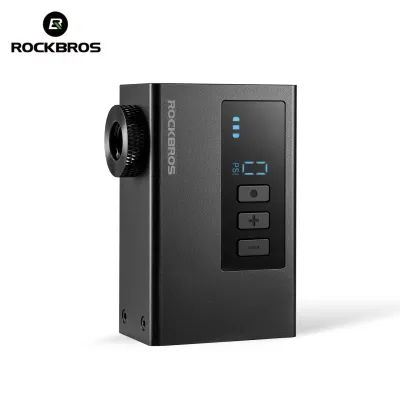
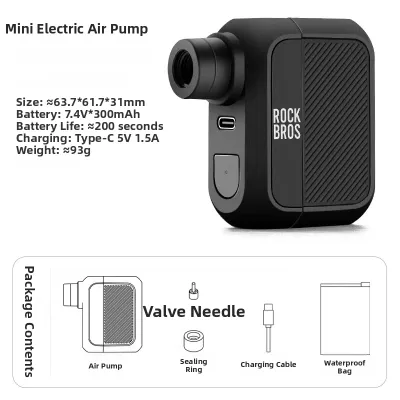
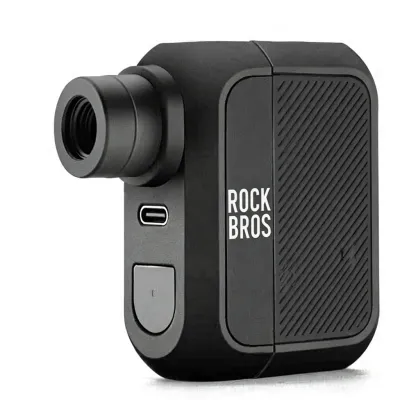
Prices are valid at publication and may change. Please refer to the product page for the latest price.
Core Specifications to Evaluate for Multi-Purpose Use
When evaluating different electric air pumps for versatile use, several technical specifications dictate how effectively the device transitions between different tasks. Understanding these metrics prevents the frustration of choosing a pump that is either too weak to inflate your tires or too bulky to carry on outdoor excursions.
- Battery Capacity (mAh): The battery capacity, measured in milliampere-hours (mAh), directly influences how many inflation cycles the device can complete on a single charge. A higher mAh rating typically indicates a larger energy reserve, allowing you to inflate multiple items consecutively. However, you should check manufacturer claims against your typical usage volume, as higher battery capacity also increases the overall weight of the pump. For light cycling use, a smaller battery may suffice, but multi-purpose household tasks generally require a larger reservoir.
- Maximum Pressure Range (PSI/Bar) and Airflow Rate (L/min): Pressure capability is a critical threshold for compatibility. Road bicycle tires often require high pressures ranging from 80 to 110 PSI, whereas mountain bike tires operate at much lower pressures, typically between 25 and 35 PSI. Car tires generally require around 30 to 35 PSI but demand a massive volume of air. This is where airflow rate—measured in liters per minute (L/min)—becomes vital. A pump with a high maximum pressure but low airflow will take an incredibly long time to inflate a high-volume car tire or a large pool float, whereas high-volume pumps designed for camping mattresses move air quickly but cannot generate the high pressure needed for tires.
- Portability Factors: The physical footprint of the pump determines where and how you can use it. If you plan to carry the pump in a cycling jersey pocket or a small saddlebag, weight and dimensions are your primary constraints. For car storage or home utility drawers, you can afford a heavier, more robust unit that prioritizes battery life and speed over absolute minimalism.
- Auto-Shutoff and Digital Presets: Modern electric pumps utilize digital pressure sensors to monitor inflation in real time. The ability to preset your desired target pressure and rely on an automatic shutoff mechanism is essential for protecting your equipment. Over-inflation can permanently damage bicycle rims, rupture sports balls, or compromise the safety of vehicle tires. A clear digital display that shows both current and target pressure ensures accuracy and peace of mind.
Comparing Rockbros Form Factors: Compact vs. High-Capacity
The Rockbros electric pump lineup generally falls into two distinct design philosophies, each optimized for different user scenarios. Understanding these form factors allows you to choose a physical design that aligns with your primary inflation tasks.

Compact and Portable Models (For Cycling and Light Outdoor Use)
Compact electric pumps are designed with extreme portability as the primary goal, often mimicking the size and weight of a standard CO2 inflator or a small hand pump. These models are engineered to fit easily into a backpack, frame bag, or even a cycling jersey pocket, making them excellent emergency companions for long-distance riders.
These mini pumps typically weigh under 200 grams and feature streamlined, cylindrical, or rectangular profiles that minimize bulk. Many compact models come with dedicated mounting brackets that attach directly to your bicycle’s bottle cage mounts, ensuring the pump is always accessible without taking up valuable storage space. They excel at quick trailside repairs, topping up scooter tires, or inflating low-volume items like footballs and basketballs during outdoor activities.
However, the pursuit of minimalism introduces several clear trade-offs that you must consider before purchasing. The smaller physical housing limits the size of the internal lithium-ion battery, meaning these pumps typically offer fewer inflation cycles per charge and may struggle to fully inflate larger tires from absolute zero. Additionally, the compact motor must work harder to generate high pressures, which can lead to rapid heat buildup and slower inflation times during extended use. If you choose a compact model, always verify the exact physical dimensions and mounting bracket compatibility against your bicycle frame to ensure a secure fit.
High-Capacity and High-Pressure Models (For Cars, Large Inflatables, and Home Use)
High-capacity electric pumps prioritize power, speed, and battery endurance over pocket-sized portability. These units are built with larger internal motors, more robust heat dissipation systems, and substantial battery banks designed to handle demanding inflation tasks without breaking a sweat.
With larger battery capacities, these models can handle multiple high-volume tires on a single charge, making them ideal for family outings or multi-vehicle households. The larger motor and piston assembly deliver a significantly higher airflow rate, reducing the time you spend waiting by the side of the road or preparing gear at home. These pumps also frequently feature ruggedized outer shells, integrated LED flashlights for nighttime emergencies, and more advanced thermal management systems.
The primary trade-off with high-capacity models is their increased weight and bulk, which generally precludes them from being carried comfortably on a bicycle frame or in a clothing pocket. They are best stored in a car trunk, a dedicated gear backpack, or a home workshop drawer. When selecting a high-capacity unit, check the product specifications for sustained duty cycles and thermal protection features. These safety mechanisms prevent the motor from overheating during continuous tasks, such as inflating multiple vehicle tires or large recreational inflatables in rapid succession.
Matching the Pump to Your Specific Inflation Needs
To get the most value out of your electric pump, you must analyze the specific items you intend to inflate most frequently. Different tire types and recreational gear place highly distinct demands on an air compressor’s internal mechanics.
Bicycles (Road vs. MTB)
Bicycle tires present two opposite inflation challenges that require careful pump selection. Road bike tires are thin and operate at high pressures, requiring a pump that can reliably push past 80 PSI without stalling or draining its entire battery. Because the volume of air inside a road tire is relatively small, a pump with a lower airflow rate can still complete the job quickly, provided it has the mechanical strength to overcome high resistance.
Mountain bike (MTB) tires, gravel tires, and fat-bike tires present the opposite scenario. They require much lower pressures—often between 15 and 35 PSI—but hold a vast volume of air. Inflating a large 29-inch mountain bike tire with a pump designed solely for high-pressure road use can be a slow, tedious process that generates excessive heat. If your household contains both road and mountain bikes, look for a versatile mid-sized pump that offers a wide pressure range and a balanced airflow rate to handle both high-pressure and high-volume demands efficiently.
Vehicles (Cars, Motorcycles, Scooters)
Inflating vehicle tires requires a pump capable of sustained operation under moderate pressure. While a car tire typically only requires 30 to 35 PSI, the sheer physical volume of the tire means the pump must run continuously for several minutes to make a meaningful adjustment. This continuous operation generates significant internal friction and heat.
If you plan to use your pump for automotive maintenance or emergency roadside top-ups, a compact cycling pump is generally insufficient. You need a high-capacity model with a robust duty cycle—ideally one that can run for at least 10 to 15 minutes continuously without triggering a thermal shutdown. Motorbikes and electric scooters fall into a middle ground; they require higher pressures than cars (often 36 to 42 PSI) but have smaller air volumes, making them manageable for mid-sized portable pumps, provided the battery is fully charged.
Sports Equipment and Toys
Inflating sports equipment like basketballs, footballs, and rugby balls, or household items like pool floats and inflatable toys, requires a gentle touch. These items operate at very low pressures, typically between 4 and 12 PSI for sports balls, and under 2 PSI for thin-walled plastic toys.
Using a high-powered pump without a highly sensitive pressure sensor can easily lead to over-inflation, which can warp sports balls or instantly rupture the seams of plastic pool toys. For these applications, prioritize a pump with an adjustable low-pressure preset mode and an accurate digital display that reads in small increments. This precision ensures you can inflate delicate items safely without the risk of bursting them.
Nozzle Compatibility and Accessory Management
An electric pump is only as useful as its ability to connect securely to the valve of the item you need to inflate. Different industries use different valve standards, and a truly multi-purpose pump must accommodate all of them without hassle.
- Schrader Valves: This is the thick, threaded valve standard found on almost all car tires, motorcycles, electric scooters, and utility bicycles. Because it is the most common valve type globally, most electric pumps feature a native Schrader connection on the main inflation hose.
- Presta Valves: This is the slender, dual-diameter valve found on high-performance road, gravel, and mountain bicycles. To inflate a Presta valve, you typically need to screw a brass or aluminum adapter onto the valve stem first, or use a pump head that features a dual-purpose internal chuck.
- Dunlop Valves: Common on traditional city utility bikes and older commuter bicycles in Singapore, these valves require a specific push-on adapter to ensure a proper seal during inflation.
- Ball Needles and Tapered Nozzles: Inflating sports balls requires a thin steel needle, while inflatable pool toys and air mattresses require plastic tapered nozzles of varying diameters.
Before purchasing any electric pump, carefully review the product listing to verify exactly which accessories and adapters are included in the package. Some bundles are tailored specifically for cyclists and may omit the plastic nozzles needed for household toys, while others are general-purpose kits that include a wide array of adapters.
Furthermore, consider how these small accessories are stored. Losing a tiny brass Presta adapter or a ball needle can render your pump useless for those specific tasks. Look for models that feature integrated storage compartments within the pump body itself, or those that come with a dedicated, secure carrying pouch that keeps all adapters organized and easily accessible during travel.
Battery Care, Thermal Safety, and Maintenance
Portable electric pumps rely on high-energy-density lithium-ion batteries and compact electric motors that generate significant heat during operation. Proper maintenance and safety practices are essential to prolong the lifespan of your device and prevent hazardous failures, especially in tropical climates.
- Battery Charging and Storage: To maximize the lifespan of the internal lithium-ion cells, avoid letting the battery discharge completely to 0% before recharging. Use the manufacturer-supplied charging cable or a high-quality equivalent, and avoid leaving the device connected to a charger indefinitely once it reaches 100%. If you plan to store the pump for an extended period, keep the battery charged to approximately 50% to 80% and store it in a cool, dry place away from direct sunlight.
- Thermal Management: Operating an air compressor naturally generates heat as air is compressed within the cylinder. In Singapore's warm climate, this heat buildup occurs even faster. Always allow the pump to cool down for at least 5 to 10 minutes after every continuous inflation cycle, particularly when inflating large items like car tires. Never leave the electric pump inside a parked car exposed to direct sunlight, as cabin temperatures can easily exceed safe operating limits and damage the battery cells.
- Moisture and Environmental Protection: Outdoor use exposes your pump to dust, dirt, and sudden rain showers. Check the manufacturer's technical specifications for any stated IP (Ingress Protection) ratings that indicate water and dust resistance. If the pump does not have an IP rating, treat it as a non-waterproof electronic device. Always dry the pump thoroughly with a clean cloth if it is exposed to high humidity or light drizzle, and clean any dirt or debris away from the charging port and hose connection points before storage.
- Recognizing Safety Boundaries: Equipment cannot replace careful observation and common sense. Stop using the pump immediately and disconnect it from the valve if you notice any warning signs of malfunction. These include the pump body becoming excessively hot to the touch, the emission of unusual burning odors, strange grinding noises from the motor, or a failure of the digital sensor to shut off the pump at your preset target pressure. Regular visual inspections of the inflation hose for cracks or leaks will also ensure safe and reliable operation.
Frequently Asked Questions (FAQ)
Can I use a Rockbros electric pump while it is charging?
Most portable electric air pumps utilize lithium-ion batteries that are not designed for pass-through charging. Attempting to run the internal motor while the device is plugged into a power source generates an excessive amount of heat, which can degrade the battery cells and increase the risk of thermal runaway. To protect the internal electronics and ensure personal safety, always unplug the pump from the charger before starting any inflation task, and consult your specific model’s user manual for official guidelines.
How long does it take to inflate a standard car tire with a portable electric pump?
The time required to inflate a standard passenger vehicle tire depends heavily on the pump’s airflow rate (measured in L/min) and the amount of air pressure already in the tire. For a typical top-up (for example, raising pressure from 28 PSI to 32 PSI), a mid-sized portable pump usually takes between 1 and 3 minutes. However, inflating a car tire from completely flat (0 to 32 PSI) requires moving a massive volume of air and can take anywhere from 6 to 12 minutes. During such extended operations, you must monitor the device closely and allow for cooling breaks to prevent overheating.
What should I do if the pump stops before reaching the preset pressure?
If your electric pump shuts down prematurely, first check the device for signs of overheating; many modern models feature built-in thermal protection sensors that automatically cut power if the internal temperature exceeds safe limits. If the pump is hot, let it cool completely in a shaded area for 15 minutes before restarting. Other common causes include low battery voltage, which prevents the motor from overcoming the resistance of high tire pressure, or a loose nozzle connection that causes a pressure leak, tricking the digital sensor. Ensure all connections are tight, recharge the battery fully, and try again.
Community discussion
Share your experience or ask a question. Comments are reviewed before publication.