
Selecting the right rubber exercise band for post-run recovery in Singapore requires balancing material durability against the specific mobility needs of your lower body. After navigating humid outdoor trails or pounding the concrete paths along East Coast Park, your muscles require targeted, gentle elongation rather than high-load resistance. Incorporating a dedicated rubber exercise band into your cool-down routine helps transition your body from high-impact exertion to a state of active recovery. By understanding how different band styles, resistance levels, and material compositions interact with Singapore’s tropical climate, you can establish a safe, effective, and long-lasting mobility practice right in your living room.
Why Runners Use Rubber Bands for Post-Run Recovery
Post-run recovery is often associated with static stretching, but integrating a rubber exercise band introduces a dynamic element known as variable resistance. Unlike static stretches where the tension remains relatively constant, a rubber band provides progressive tension that increases as the band is stretched further. This unique physical property allows you to control the depth of your stretch with high precision, matching the resistance to your muscle’s immediate tolerance level. By using the band to support the weight of your limbs, you can relax surrounding muscle groups, allowing for a deeper and more comfortable stretch without straining your joints.
For runners, tight muscle groups such as the calves, hamstrings, and hip flexors are common sources of post-workout stiffness. A rubber exercise band acts as an extension of your arms, enabling you to reach your feet or legs comfortably without rounding your spine or compromising your posture. For instance, during a lying hamstring stretch, looping a band around the arch of your foot allows you to gently pull your leg upward while keeping your shoulders flat on the floor. This targeted approach ensures that the stretch is concentrated directly on the muscle belly rather than placing unnecessary stress on the lower back or knee joints.
Products mentioned in this guide
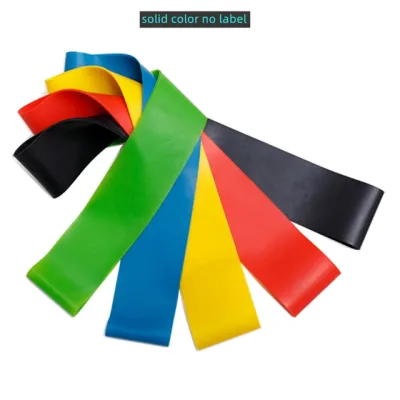
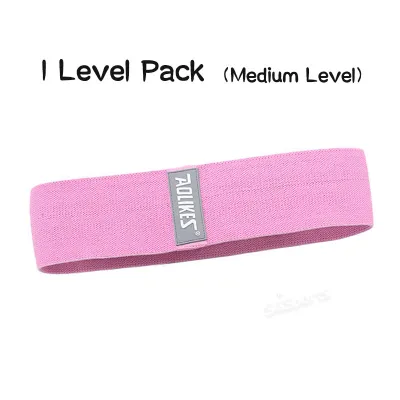
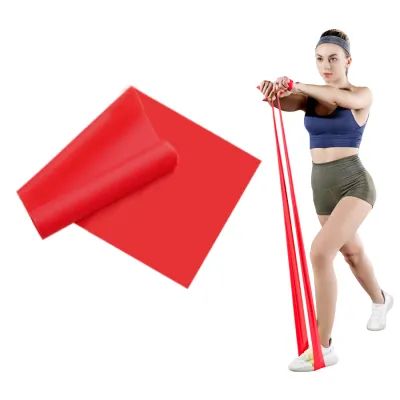
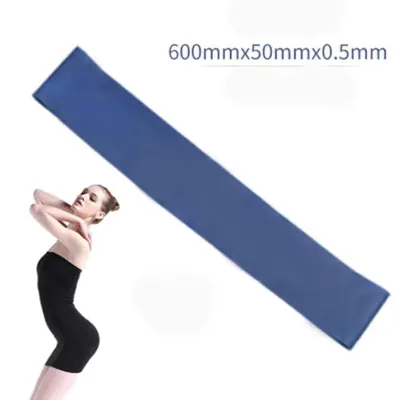
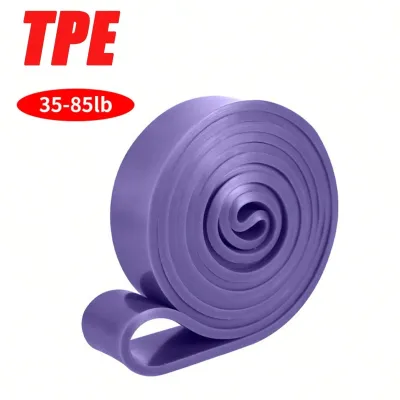
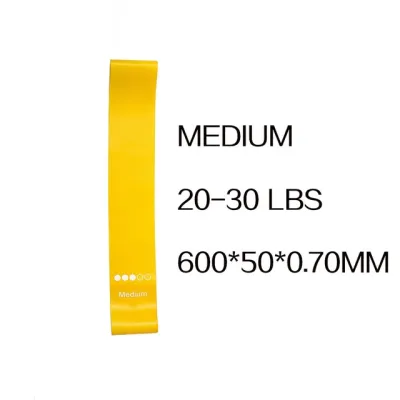
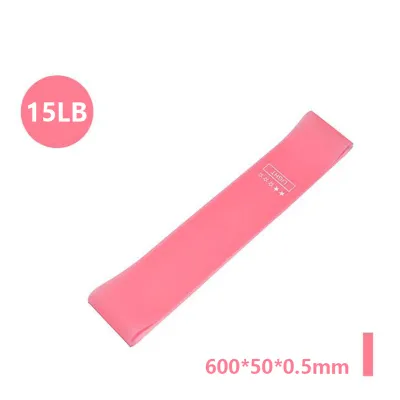
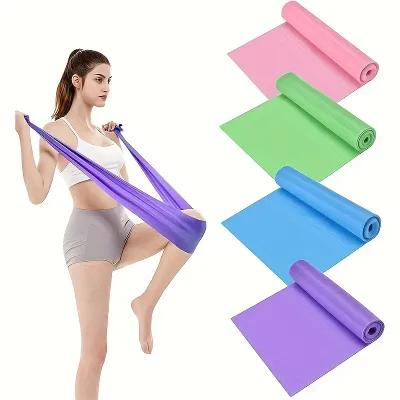
Prices are valid at publication and may change. Please refer to the product page for the latest price.
The primary distinction between active recovery using bands and traditional static stretching lies in neuromuscular engagement. Band-assisted mobility work encourages active joint mobilization, where you gently move your joints through their natural range of motion under light, controlled tension. This process stimulates blood flow to fatigued muscle tissues, facilitating the delivery of oxygen and nutrients necessary for cellular repair. Additionally, the gentle resistance provides sensory feedback to your nervous system, helping to reset muscle tone and alleviate the protective tightness that often occurs after a strenuous long-distance run.
Which Rubber Band Style Fits Your Mobility Routine
Selecting the appropriate band format is essential for targeting specific muscle groups effectively during your post-run routine. Continuous loop bands, often referred to as power bands or pull-up assistance bands, are highly versatile tools for lower body recovery. These thick, seamless loops are excellent for deep distraction stretches, where the band is anchored to a sturdy object to gently pull the hip joint, creating space within the joint capsule. They are also ideal for looping around your knees or ankles to perform lateral walks and glute activation exercises, which help stabilize the hips after repetitive forward running motions.

Tube bands with handles offer a different set of advantages, particularly for addressing upper body tightness and posture. Running for extended periods can lead to rounded shoulders and a tight chest, especially as fatigue sets in during the final kilometers. Tube bands, which feature comfortable foam or plastic handles connected to a hollow rubber tube, allow you to perform chest openers, shoulder flings, and upper back rows with ease. The handles provide a secure grip, reducing hand fatigue and allowing you to focus entirely on expanding your chest and mobilizing your shoulder blades.
Flat therapy bands, which are wide, thin sheets of latex or synthetic rubber without loops or handles, are the preferred choice for precise, gentle joint rehabilitation and foot mobility. These bands can be wrapped easily around the forefoot to perform targeted ankle inversion and eversion exercises, which are crucial for runners navigating uneven pavements or trail paths. Because flat bands do not have fixed handles or loops, you can adjust the tension instantly by simply changing where you grip the material. This makes them exceptionally suited for delicate areas like the plantar fascia, where excessive tension can cause discomfort.
How to Choose the Right Resistance for Safe Stretching
Selecting the correct tension level is critical to ensuring that your post-run mobility routine remains restorative rather than damaging. Most manufacturers use a color-coding system to indicate different resistance levels, typically ranging from extra-light to extra-heavy. However, because these color schemes are not standardized across all brands, you must always verify the specific tension charts printed on the product packaging or user manual. A band that is yellow in one brand’s lineup might represent light resistance, while another brand might use yellow for medium tension.
For post-run recovery and stretching, lighter resistance bands are almost always preferred over the heavy bands used for strength training. Fatigued muscles are highly susceptible to micro-tears and cramping if subjected to sudden, intense loads immediately after a workout. A light to medium band provides just enough tension to support your limbs and guide your joints through their range of motion without triggering a protective muscle contraction. Using a band that is too heavy forces your muscles to contract against the resistance, defeating the purpose of a recovery session aimed at relaxation and elongation.
You can identify if a band’s resistance is too high by observing physical feedback during your mobility routine. If you find yourself shaking, holding your breath, or compensating by shifting your hips or rounding your back, the tension is excessive. A proper recovery stretch should feel smooth and controlled, allowing you to maintain deep, rhythmic breathing throughout the movement. If you experience a sharp, pinching sensation rather than a dull, satisfying stretch, immediately release the tension and switch to a lighter band to protect your muscle fibers and tendons from overstretching.
Durability Checks and Safe Storage for Rubber Bands
Regularly inspecting your rubber exercise bands is a vital safety practice that prevents sudden snaps and potential injuries during use. Before every recovery session, perform a quick visual and tactile check by stretching the band slightly under a bright light. Look closely for tiny micro-tears along the edges, discoloration, or areas where the material appears unusually thin or brittle. Run your fingers along the entire length of the band to feel for dry, rough patches or sticky spots, which are early indicators of material degradation and impending failure.
When purchasing bands, consider the material composition, particularly if you have sensitive skin or allergies. Natural latex bands offer excellent elasticity and a smooth, progressive stretch, but they can trigger allergic reactions in some individuals. Synthetic rubber alternatives, such as Thermoplastic Elastomer (TPE) or silicone-based bands, are latex-free and generally more resistant to body oils and sweat. While synthetic bands may feel slightly less pliable than natural latex, they provide a reliable, hypoallergenic option for daily recovery routines.
Singapore’s warm, humid climate poses a unique challenge for preserving the lifespan of rubber exercise equipment. High humidity and ambient heat accelerate the oxidation process, leading to dry rot, stickiness, and loss of elasticity in both natural latex and synthetic rubber. To maximize durability, store your bands in a cool, dry indoor space away from direct sunlight, such as a closed drawer or a storage bin inside an air-conditioned room. Avoid leaving them on sunny balconies, in humid bathrooms, or inside hot utility closets, and consider applying a light dusting of unscented talcum powder occasionally to prevent the material from sticking to itself.
Building Your Post-Run Recovery Band Shortlist
Creating a personalized shortlist of rubber exercise bands involves matching your specific tight spots to the correct band styles and resistance levels. If your primary complaints after running are tight calves and stiff hamstrings, a combination of a flat therapy band and a light continuous loop band will serve you best. For runners who also experience upper body stiffness or rounded shoulders, adding a light tube band with handles will provide a comprehensive setup. Assessing your body’s unique recovery needs ensures you purchase only the tools that will actively contribute to your physical well-being.
Practical utility and portability are also key factors to verify before making a purchase. Look for band packages that include convenient accessories, such as a breathable mesh carrying case or a secure door anchor. A door anchor is particularly valuable for apartment living, as it allows you to safely secure your bands at various heights along a standard door frame without damaging the wood or paint. This simple accessory expands your exercise options, enabling downward chest stretches and horizontal shoulder rotations that would otherwise be difficult to perform solo.
Finally, always check the retailer’s return and exchange policies before finalizing your purchase, whether shopping at a local sports store or an online marketplace. Because feeling the actual tension of a band is highly subjective, you may find that your chosen resistance level is either too stiff or too slack once you begin your routine at home. A flexible return policy allows you to exchange the band for a more suitable tension level without incurring extra costs. Ensuring this consumer protection gives you peace of mind as you invest in tools to support your long-term running journey.
Frequently Asked Questions (FAQ)
How often should I replace my rubber exercise bands?
You should replace your rubber exercise bands based on their physical condition rather than a predetermined calendar schedule. Even with proper care, regular exposure to sweat, stretching tension, and environmental humidity will eventually wear down the material. If you observe any signs of material fatigue—such as loss of elasticity, surface cracking, permanent warping, or a sticky texture—discontinue use immediately and replace the band. Using a compromised band increases the risk of it snapping during a stretch, which can lead to painful impact injuries.
Can I use the same rubber band for strength training and post-run stretching?
While it is physically possible to use the same band, it is generally not recommended because strength training and post-run stretching require vastly different levels of resistance. Strength training exercises, such as bicep curls or squats, typically demand medium to heavy resistance to stimulate muscle growth. Conversely, post-run mobility work requires very light, pliable tension to allow fatigued muscles to relax and elongate safely. Attempting to use a heavy strength band for recovery stretching can lead to overexertion, muscle guarding, or acute strains, making it highly beneficial to keep a dedicated set of lighter bands specifically for your cool-down routines.
Community discussion
Share your experience or ask a question. Comments are reviewed before publication.