
Setting up a home gym in a Singapore Housing & Development Board (HDB) flat requires a careful balance between protecting your flooring, managing acoustic transfer to downstairs neighbors, and maximizing limited square footage. Finding the right rubber gym mat involves selecting a thickness that absorbs impact without causing equipment instability, alongside a size configuration that fits your room layout and delivery constraints. By matching your specific workout style to the correct mat density and dimensions, you can build a safe, functional fitness space without compromising your home’s interior or peace with your neighbors.
Measuring Your HDB Space and Delivery Constraints
Before purchasing any flooring, map out the exact footprint of your intended workout zone. Use a physical measuring tape to plot the dimensions of your largest equipment, such as a power rack, bench, or adjustable dumbbells, and add at least 50 to 60 centimeters of clearance on all sides. This buffer helps ensure you can move safely around your gear, prevents weights from striking nearby walls, and allows room for door swings and pedestal fans.
Logistics play a massive role when ordering heavy fitness equipment in Singapore. Standard HDB passenger lifts, corridors, and main door frames have strict physical limits that can make transporting large, heavy items highly challenging. A single roll of high-density rubber flooring can weigh upwards of 50 kilograms and span several meters in length, making it difficult to maneuver around tight corridor corners or fit inside a standard lift. Always verify the packaged dimensions and weight of your chosen mats against your building’s lift clearance before placing an order.
Products mentioned in this guide
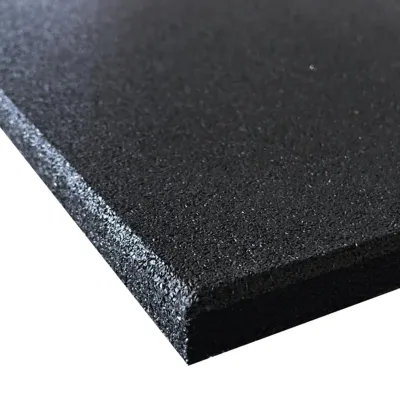
![[BEST SELLER]Rubber gym mats High Density EPDM Rubber Tile Mat With Connector 20mm Thickness Crossfit Gym Flooring](https://img.lazcdn.com/g/p/283522ee973e4963458b83ca9fd96231.jpg_400x400q80.jpg_.webp)
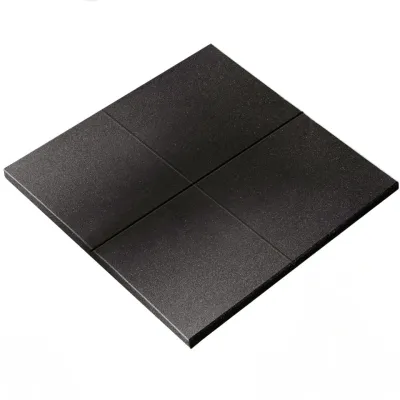
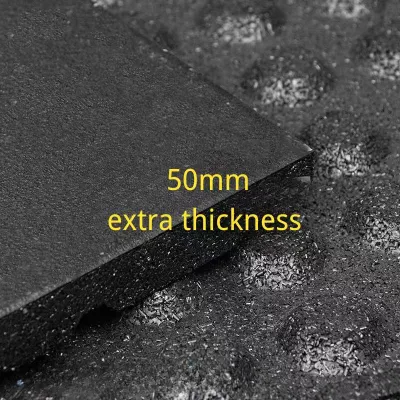
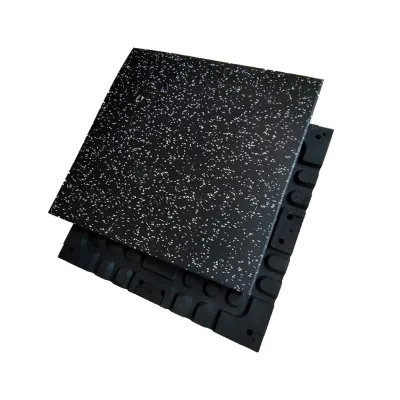
Prices are valid at publication and may change. Please refer to the product page for the latest price.
Your choice of matting also depends on whether your gym is a permanent fixture or a multi-purpose space. If your workout area must double as a study or guest room, heavy, permanent rubber tiles are impractical. Instead, look for lightweight, modular options that you can easily stack, fold, or store in a utility closet when not in use. For dedicated spare rooms, heavier, semi-permanent layouts provide a more stable foundation that will not shift during dynamic movements.
Matching Mat Thickness to Your Workouts and Floor Protection
The thickness of your rubber matting must directly align with the impact level of your training routine. For low-impact activities like yoga, stretching, or bodyweight mobility work, thinner mats ranging from 4mm to 6mm offer good stability and ground feedback. However, if your routine involves high-impact cardio, plyometrics, or moderate dumbbell training, you will need thicker protection—typically between 10mm and 15mm—to safeguard your subfloor from structural damage.

In high-density HDB blocks, managing noise and vibration is essential for maintaining good relations with your downstairs neighbors. Dropping dumbbells or performing jump squats sends low-frequency vibrations directly through the concrete slab of your flat. To mitigate this, check the manufacturer’s specifications for acoustic ratings and shock absorption capabilities. High-density rubber mats are designed to dampen these vibrations, but you must verify that the product’s density is rated for the specific load you plan to use.
While thicker mats offer superior impact absorption, they introduce distinct physical trade-offs that you must evaluate. Extremely thick mats can create a soft, unstable surface that compromises your balance during heavy lifts like squats or deadlifts, potentially leading to joint strain. Additionally, thick rubber tiles create raised edges that can become tripping hazards in a compact room, and they slightly reduce your vertical ceiling clearance, which is a critical consideration if you plan to perform overhead presses or pull-ups.
Comparing Mat Sizes and Configurations for Compact Rooms
Interlocking puzzle mats are highly popular for HDB home gyms due to their versatility and ease of assembly. These modular tiles allow you to customize the shape of your workout floor to fit irregular room layouts or tight corners precisely. When selecting interlocking rubber mats, pay close attention to the precision of the seams and the durability of the interlocking tabs. Low-quality tabs can pull apart under lateral forces, such as lateral lunges, creating dangerous gaps in your flooring.
Rolled rubber mats provide a clean, seamless aesthetic that is well-suited for covering larger, continuous rectangular zones. Because they have fewer seams, they are less likely to trap dust, sweat, or dirt, making them easier to sweep and maintain over time. However, rolled mats are exceptionally heavy and difficult to install alone, and they require a significant amount of storage space if you ever need to roll them up and move them to another room.
For dedicated weightlifting zones where heavy barbells are used, straight-edge heavy-duty rubber tiles are often a highly robust choice. These tiles are typically made from ultra-high-density vulcanized rubber, offering substantial floor protection under heavy static loads. The primary trade-off is their sheer weight; individual tiles can be incredibly heavy and difficult to reposition, meaning they are best suited for permanent setups where you do not plan to rearrange the layout frequently.
Installing and Maintaining Your Rubber Mats Safely
Proper installation is key to preventing long-term damage to both your mats and your HDB flat’s original flooring. Before laying down any rubber material, ensure the subfloor is completely clean, dry, and free of dust or debris. Trapped moisture beneath a non-breathable rubber mat can lead to mold growth, mildew, and unpleasant odors, which can ruin laminate, vinyl, or parquet floors over time.
New rubber mats often emit a strong, distinct odor known as off-gassing, which can be overwhelming in a confined apartment. To manage this, avoid installing new mats directly into your main living area or bedroom immediately after delivery. Instead, unbox the mats and let them air out in a well-ventilated space, such as an open service yard or balcony, for several days until the initial chemical scent dissipates.
Maintaining a hygienic workout environment requires a consistent cleaning routine using the correct products. Sweat, dust, and chalk can accumulate on the textured surface of rubber mats, making them slippery and degrading the material over time. Clean your mats regularly using a damp mop and a mild, manufacturer-approved cleaner, avoiding harsh petroleum-based solvents or bleach, which can dry out the rubber and cause it to crack or crumble.
Frequently Asked Questions (FAQ)
Will a rubber mat damage my HDB vinyl or tile flooring?
Yes, direct contact with certain rubber mats can cause permanent damage to HDB vinyl, laminate, or parquet flooring over time. Many rubber products contain plasticizers or chemical bonding agents that can chemically react with vinyl wear layers, leading to dark, irreversible staining. Additionally, moisture can easily become trapped beneath non-porous rubber mats, warping wood or loosening tile adhesives. To prevent this, always check your flooring manufacturer’s guidelines and consider placing a breathable, non-reactive underlayment or protective barrier film between the floor and your rubber mats.
How do I stop my new rubber gym mats from smelling?
A highly effective way to eliminate the strong odor of new rubber mats is to allow them to off-gas in a highly ventilated area before installation. Lay the mats flat in your service yard, balcony, or a shaded outdoor area for three to seven days to let the volatile organic compounds escape. You can also wash the mats with a mild solution of warm water and a manufacturer-approved pH-neutral soap to help remove any residual manufacturing oils from the surface. Avoid using harsh chemical detergents, citrus-based cleaners, or exposing the mats to direct, intense sunlight, as these can degrade the rubber compound and compromise its durability.
Community discussion
Share your experience or ask a question. Comments are reviewed before publication.