
Finding the right running knee support is a balancing act between stabilizing your joint and maintaining natural running biomechanics. A support that is too restrictive can alter your gait and cause secondary injuries, while one that is too loose offers little more than psychological comfort. To make an informed choice, you must evaluate your specific knee symptoms, your typical running environment, and the structural design of the support.
In Singapore, where runners frequently transition between hard concrete park connectors and uneven nature trails, the demands on your knees vary significantly. The high humidity also introduces unique challenges regarding sweat management and skin friction. By understanding how different supports function and how to verify their fit, you can protect your joints without compromising your running performance.
Assessing Your Knee Condition and Running Intensity
Before selecting a knee support, you must identify the specific nature of your discomfort and the physical demands of your training. Knee pain is rarely uniform, and a support designed for one condition may prove ineffective or even uncomfortable for another.
Products mentioned in this guide
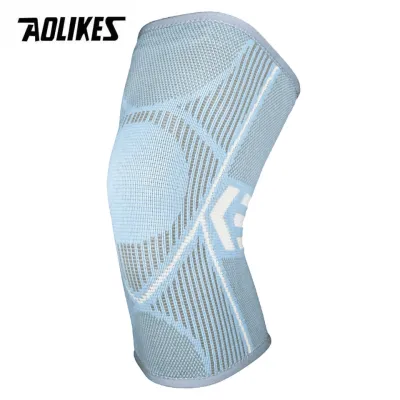
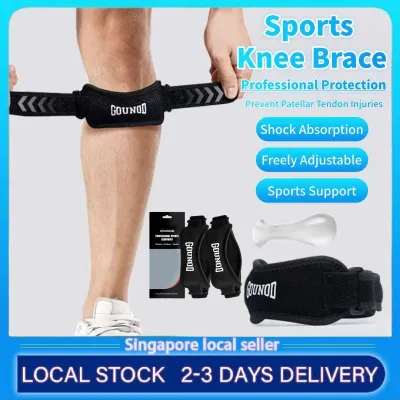
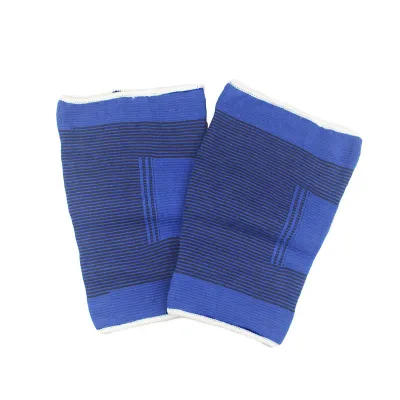
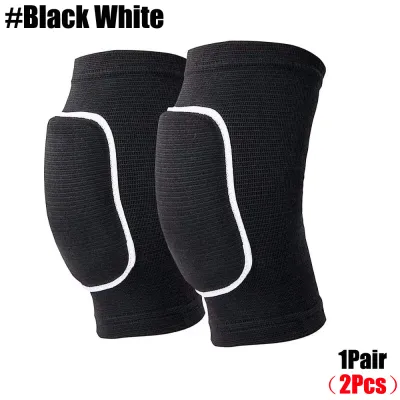
![[✅SG Ready Stock] Japan Medical Grade Meniscus Knee Support Brace Breathable Spring Stabilizer Knee Pad for Sports Injury Recovery Arthritis Pain Relief](https://img.lazcdn.com/g/p/e94506733d318d118af927ae72583575.png_400x400q80.png_.webp)
Prices are valid at publication and may change. Please refer to the product page for the latest price.
General joint fatigue and mild, dull aches often occur after long road runs on hard asphalt. This diffuse discomfort is typically hard to pinpoint to a single spot. It often responds well to mild compression, which promotes blood flow and enhances proprioception—your body’s awareness of joint positioning.
In contrast, localized pain points require targeted solutions. Pain directly below the kneecap during downhill running often points to patellar tendon stress, commonly known as runner’s knee. Sharp pain on the outer side of the knee that intensifies with every foot strike may stem from Iliotibial (IT) band friction. These specific conditions benefit from targeted pressure rather than general compression.
Your running environment and intensity also dictate the level of support required. Repetitive road running on flat concrete pavements subjects your joints to consistent, predictable impact forces, where lightweight, flexible supports are usually sufficient. However, if you prefer trail running at MacRitchie Reservoir or Bukit Timah, navigating loose gravel, exposed tree roots, and sudden elevation changes subjects your knees to lateral forces and sudden twisting. Trail runners often require supports that offer greater lateral stability to handle this unpredictable terrain.
While over-the-counter knee supports are valuable tools for managing minor discomfort, they are not substitutes for medical care. You must recognize red-flag symptoms that indicate a more serious structural issue. If you experience acute, sudden swelling within hours of a run, if your knee locks or catches, or if you feel a sensation of the joint completely giving way, do not use a retail support. These symptoms suggest potential ligament tears or meniscus damage and require immediate evaluation by a sports medicine physician or physiotherapist.
Types of Running Knee Supports and Their Best Uses
Knee supports generally fall into three categories, each offering a different balance of compression, mechanical stabilization, and mobility. Matching the design to your specific running needs ensures you receive the right level of assistance without unnecessarily restricting your movement.

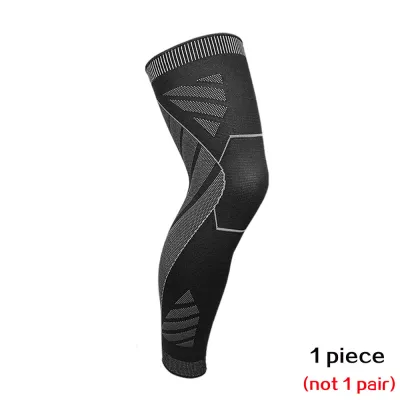
Compression sleeves are the most common and least intrusive option for runners. Typically made of elasticated knit or neoprene, these sleeves slip over the foot to cover the entire knee joint. They provide gentle, uniform compression, which helps manage minor swelling and keeps the joint warm. The primary benefit is proprioceptive feedback; the constant pressure on the skin helps your brain better coordinate muscle activation around the knee. Sleeves are best suited for low-to-moderate intensity runs, recovery sessions, or mild, non-specific joint stiffness.
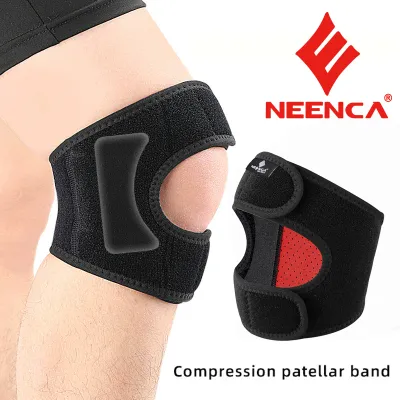
Patellar straps and bands are minimalist supports designed specifically for targeted relief. These narrow bands wrap around the leg just below the kneecap, applying direct pressure to the patellar tendon. By compressing the tendon, the strap slightly alters the angle at which the tendon pulls on the kneecap, reducing mechanical strain during running. This design is highly effective for runners dealing with patellar tendinitis or mild patellofemoral pain syndrome. Because they do not cover the entire joint, straps offer maximum breathability and do not restrict knee flexion, making them excellent for high-intensity workouts or long-distance road runs where heat buildup is a concern.
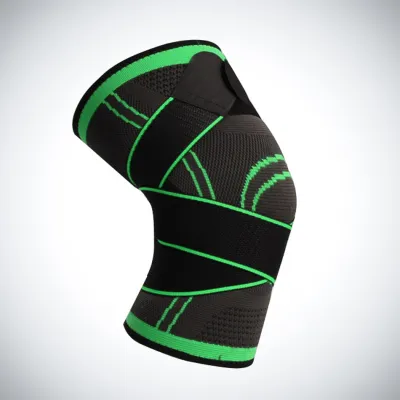
Wraparound or hinged braces represent the highest level of external support available without a prescription. Wraparound braces use adjustable hook-and-loop straps to customize the fit, while hinged braces incorporate plastic or metal stays along the sides of the knee to physically prevent lateral movement. These designs are engineered for runners recovering from moderate ligament sprains or chronic joint instability. While they provide exceptional stability, they come with significant trade-offs. The added weight and bulk can alter your natural running gait, and rigid components can cause chafing over long distances. These should generally be reserved for structured rehabilitation or runs where joint stability is severely compromised.
Critical Features to Evaluate for Your Environment and Activity
When shopping for a running knee support in Singapore, looking at the product specifications and materials is crucial. The local climate and the repetitive nature of running mean that minor design flaws can quickly lead to severe discomfort or skin damage.
The primary environmental challenge for local runners is managing sweat. In high humidity, non-breathable materials like standard thick neoprene trap heat and moisture against the skin. This can lead to skin maceration, where the skin softens and breaks down, making it highly susceptible to painful chafing. Look for supports made from advanced moisture-wicking knits, perforated neoprene, or lightweight synthetic blends. These materials allow sweat to evaporate quickly, keeping the skin dry and maintaining a stable temperature around the joint.
Another common frustration is a support that slides down during a run. The repetitive bending of the knee during running creates constant downward tension on any sleeve or brace. To prevent this, evaluate the anti-slip mechanisms integrated into the product. High-quality supports feature internal silicone grip strips, wavy silicone bands, or textured elastic borders at the top hem. These elements grip the skin gently, ensuring the support remains securely in place even during long, sweaty runs. If you have a known sensitivity to silicone, look for hypoallergenic alternatives or adjustable strap designs that secure the brace mechanically.
Finally, pay close attention to the construction details of the support. Inspect the seam placement, material thickness, and edge binding. Seams that run directly across the back of the knee—the popliteal fossa—are highly likely to cause painful friction and hot spots as you repeatedly flex and extend your leg. Look for seamless flat-knit designs or supports with a recessed, softer material panel behind the knee. The edges of the support should have soft, flexible binding that stretches with your movements rather than digging into your thigh or calf muscles.
Sizing, Fit, and Pre-Run Wearability Checks
An improperly fitted knee support can do more harm than good. A support that is too tight can restrict blood circulation and compress nerves, while a loose support will fail to provide the necessary stabilization. You should never guess your size based on your standard apparel sizing, as support dimensions vary widely between manufacturers.
To find your correct size, you must take precise physical measurements of your leg. Most manufacturers require two measurements: the circumference of your thigh (usually measured 10 to 15 centimeters above the center of your kneecap) and the circumference of your calf (measured 10 to 15 centimeters below the kneecap). Use a flexible fabric measuring tape, stand with your leg slightly bent, and ensure the tape is flat against your skin. Compare these measurements directly to the specific sizing chart provided by the manufacturer of the support you are considering.
Once you have purchased a support, perform a fit check before heading out. Put the support on and apply the “two-finger rule.” You should be able to slide two fingers flat under the top and bottom bands of the support. If you cannot fit your fingers, or if the material digs deeply into your skin and leaves deep red indentations, the support is too tight. Additionally, perform a circulation check: monitor your lower leg and foot for any signs of tingling, numbness, coldness, or discoloration. If you experience any of these symptoms, remove the support immediately.
Before committing to a full training session, conduct a short wearability test at home. Wear the support during a five-minute dynamic warm-up consisting of bodyweight squats, lunges, and high knees. Follow this with a light jog on a treadmill or flat surface. This test allows you to verify that the support stays in place during movement, does not pinch the skin behind your knee, and does not alter your natural stride. If the support slides down or causes discomfort during this brief test, it will almost certainly cause issues during a longer run.
Safety Boundaries and When to Consult a Professional
It is vital to understand that a knee support is a symptomatic aid, not a cure. While a sleeve or strap can help you manage discomfort and maintain your training schedule, it does not repair damaged cartilage, heal torn ligaments, or address the underlying biomechanical weaknesses that caused the pain in the first place.
Over-reliance on a knee support can lead to muscle weakness. When you wear a highly supportive brace continuously, the muscles surrounding your knee—such as the quadriceps, hamstrings, and calves—do not have to work as hard to stabilize the joint. Over time, this can lead to muscle atrophy, making your knee even more dependent on the support. To prevent this, use the support strategically during high-intensity or long-distance runs, and perform regular strength and mobility exercises to build natural joint stability.
You must also monitor your body for signs that the support is causing secondary issues. If you develop new pain in your hip, ankle, or the opposite knee while wearing the support, it is highly likely that the brace is altering your running gait. This compensatory movement pattern can lead to overuse injuries elsewhere in your body. Furthermore, if you notice persistent skin irritation, rashes, or numbness that does not resolve quickly after removing the support, discontinue use immediately.
Establish clear thresholds for when to stop running and seek professional medical advice. If your knee pain persists for more than two weeks despite using a support and reducing your training volume, or if the pain intensifies during a run even while wearing the brace, you must stop running. Consult a physiotherapist or sports medicine doctor. They can perform a comprehensive biomechanical assessment, identify muscle imbalances, and design a targeted rehabilitation program to address the root cause of your knee pain.
Frequently Asked Questions (FAQ)
Is it safe to wear a knee support for every single run?
Wearing a knee support for every run is generally not recommended unless specifically advised by a medical professional. Continuous use can lead to muscle dependency, where the stabilizing muscles around your knee become weaker because they rely on the external support of the brace. To maintain joint health, reserve the use of heavy braces or highly structured supports for your longest, most demanding runs or during active recovery phases. For shorter, lower-intensity runs, try running without the support to allow your muscles to engage fully. Complement your running with targeted strength training, focusing on your quadriceps, hamstrings, and glutes, to build long-term, natural joint stability.
How should I clean and maintain my running knee support?
Proper maintenance is essential to preserve the elasticity, grip, and hygiene of your knee support, especially in Singapore’s humid climate. Always consult the care label on your specific product first. As a general rule, hand-wash your support in cool water using a mild, liquid detergent to prevent breaking down the elastic fibers. Avoid using fabric softeners, as they can clog the moisture-wicking pores of the fabric and degrade silicone grip strips. Rinse the support thoroughly to remove all soap residue, which can cause skin irritation during runs. Gently squeeze out excess water without wringing or twisting the material. Air-dry the support flat or hang it in a well-ventilated indoor area away from direct sunlight and heat sources, as high heat can warp plastic stays and ruin elastic materials. Regularly inspect the support for signs of wear, such as fraying seams, stretched-out fabric, or loss of compression, and replace it when it no longer provides adequate support.
Should I wear a knee support on both legs if only one knee hurts?
You should generally only wear a knee support on the leg that is experiencing discomfort or instability. Wearing a support on a healthy knee without a specific clinical reason is unnecessary and can disrupt your natural running biomechanics. Running with a brace on one side can sometimes cause subtle changes in your gait as your body adapts to the restriction of movement on that side. If you wear supports on both legs unnecessarily, you risk creating bilateral gait alterations and muscle imbalances. If you feel the need to wear supports on both legs for preventive reasons, opt for lightweight, non-restrictive compression sleeves rather than structured braces, and consult a sports physiotherapist to ensure your running form remains balanced and efficient.
Community discussion
Share your experience or ask a question. Comments are reviewed before publication.