
Finding the right fitness equipment for a Singapore Housing & Development Board (HDB) flat requires balancing your health goals with the realities of compact high-rise living. A typical HDB apartment, whether a cozy three-room unit or a larger five-room flat, features limited floor space that must serve multiple daily functions. To integrate a vibration machine successfully, you must look beyond the physical dimensions of the machine itself and consider operational clearance, delivery pathways, and structural noise transmission.
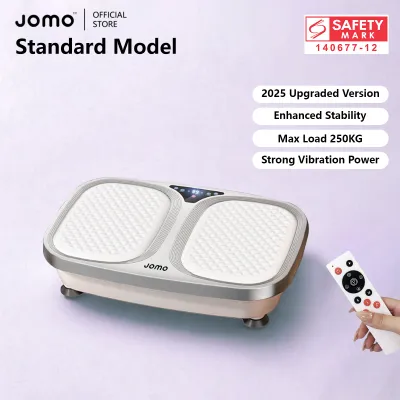
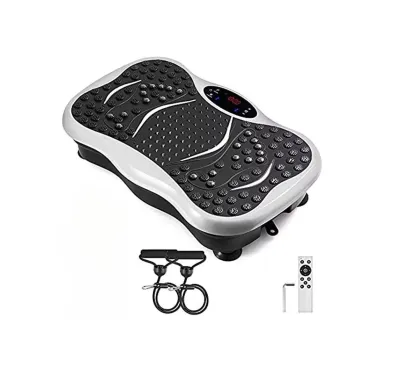
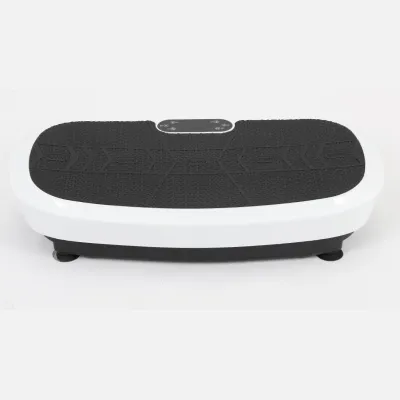
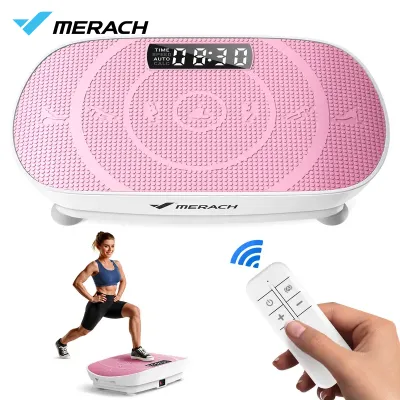
Generally, compact standalone platforms with a footprint of approximately 60 to 80 centimeters in length and 35 to 45 centimeters in width are the most adaptable options for standard flats. These dimensions allow the equipment to be easily tucked away under a bed or inside a wardrobe when not in use. Larger column-style models with built-in handlebars offer excellent stability but require a dedicated, permanent floor area that can disrupt the flow of a multi-functional living room or bedroom.
Before making a purchase, measuring your actual floor space and understanding how the machine interacts with your home’s structure is essential. This guide outlines the critical spatial, structural, and practical factors to verify so you can select a machine that fits your home and your lifestyle.
Products mentioned in this guide
![[SG Stock] Vibration Plate Exercise Machine | 99 Speed Levels Slimming Platform | Full Body Workout for Weight Loss & Foot Massage | Ultra Quiet 200W Motor](https://img.lazcdn.com/g/p/63bccf0ce7556f4f6a68890b4d4ba554.png_400x400q80.png_.webp)
Prices are valid at publication and may change. Please refer to the product page for the latest price.
Assessing Your Available Space and Floor Constraints
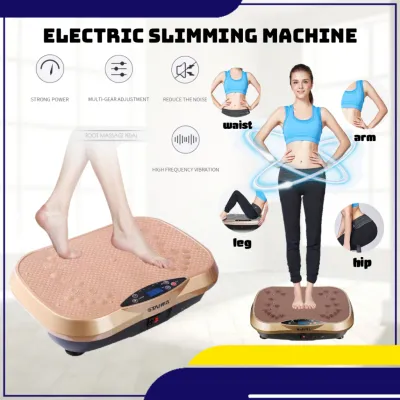
When planning for home gym equipment, it is easy to confuse the static footprint of a machine with the actual space required to use it safely. A vibration machine requires you to perform various dynamic movements, such as squats, lunges, or arm extensions, which expand your physical footprint well beyond the edges of the platform. You must identify a clear, unobstructed zone where you can step on and off the machine without risk of colliding with walls, coffee tables, or television consoles.
Delivery logistics present another common hurdle in high-rise estates. Before ordering a heavy fitness machine, you must verify that the packaged box can navigate the journey from the delivery truck to your living room. Measure the clear width of your HDB corridor, the height and width of the passenger lift doors, and the clearance of your main entrance and bedroom doors. Standard passenger lifts in older estates can sometimes have narrower door openings that make transporting bulky, non-foldable boxes challenging.
Structural considerations are equally vital when introducing vibrating machinery into a multi-story residential block. While HDB floor slabs are engineered to support standard household furniture loads, localized high-frequency vibrations can travel easily through concrete structures. This structural resonance can manifest as an annoying hum in the flat directly below yours. Planning for adequate vibration dampening from day one is a necessary step to ensure your fitness routine does not lead to neighborly disputes.
Comparing Vibration Machine Types and Footprints
Vibration machines generally fall into three design categories, each presenting distinct spatial advantages and trade-offs for HDB dwellers. Understanding these differences allows you to match the equipment to your specific room layout and storage capacity.

Compact standalone platforms are the most popular choice for space-constrained apartments. These low-profile units consist solely of the vibrating base without any vertical columns or handles. Because they typically stand only 12 to 15 centimeters off the ground, they can be slid under most sofas or bed frames. However, because they lack built-in handholds, you must ensure the surrounding floor area is completely clear so you can maintain your balance or step off safely if you lose your footing.
Column models with integrated handlebars offer a much more stable workout experience, making them suitable for seniors or those recovering from injuries. The trade-off is their substantial physical and visual presence. These machines feature a tall vertical console and a larger, heavier base plate that cannot be easily moved or hidden. If you choose a column model, you must commit to a dedicated corner of your home, ensuring the machine does not block natural light, ventilation, or walking paths.
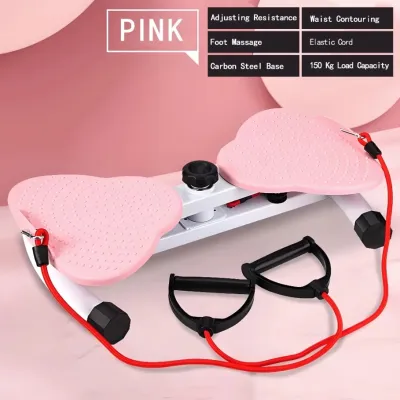
Foldable or ultra-compact models attempt to bridge the gap by offering collapsible handles or lightweight frames. These designs are highly appealing if you need to clear your floor space completely after every workout session. Before choosing a foldable model, however, you must carefully check the manufacturer’s specifications regarding maximum weight capacity and frame materials. Lightweight frames can sometimes exhibit more lateral movement during high-intensity settings, which may affect your stability.
Essential Dimensions and Clearances to Verify
To avoid purchasing a machine that is too cumbersome to use, you should create a personalized spatial checklist based on the manufacturer’s technical specification sheet. Never rely solely on promotional images, which often depict machines in unrealistically spacious, minimalist settings.
First, compare the physical base dimensions against your measured workout zone. As a general safety rule, you should allow for a minimum clearance of 50 to 60 centimeters of open space on all sides of the platform. This safety buffer ensures that if you lose your balance during an exercise, you can step off the platform in any direction without striking nearby furniture or hard surfaces.
Second, evaluate the vertical clearance of your room. Standard HDB ceiling heights typically hover around 2.6 meters. While this is more than adequate for low-profile platforms, it requires closer attention if you are considering a tall column model or if you plan to perform overhead arm exercises while standing on the machine. Calculate your total height while standing on the platform—adding the platform’s step-up height to your own height—to ensure you have comfortable clearance from ceiling fans and light fixtures.
Finally, check the total weight of the machine. A heavier machine (often weighing between 15 and 30 kilograms) provides greater stability and less unwanted shifting during operation, but it is significantly harder to move. If you plan to store the machine in a closet and drag it to the living room for each session, look for models equipped with built-in transport wheels and a dedicated lifting handle to protect your back from strain.
Placement, Noise Control, and Storage Strategies
Successful integration of a vibration machine relies on smart placement and proactive noise mitigation. By choosing the right spot and using the correct accessories, you can enjoy your workouts without disrupting the household or your neighbors.
When selecting a location, prioritize solid, level flooring away from high-traffic zones. Avoid placing the machine directly in front of doorways, household shelter entrances, or narrow hallway paths where it could present a tripping hazard. If possible, position the machine near a wall socket so you do not have to run extension cords across the floor, which can easily catch on feet or vacuum cleaners.
To address structural noise, investing in a high-density anti-vibration mat is highly recommended. Standard yoga mats are typically too soft and thin to absorb the heavy kinetic energy generated by a vibration plate. A specialized mat made of high-density rubber or dense foam helps decouple the machine from the hard floor tiles, absorbing the low-frequency hum before it can travel into the concrete slab. This simple addition is the most effective way to keep your workouts quiet and neighbor-friendly.
If floor space is at a premium, look for creative storage solutions that utilize vertical space. Standalone platforms can often be stored vertically on their side against a wall or inside a utility closet, provided they are secured so they cannot tip over. Alternatively, you can integrate the machine into your furniture layout by choosing a model with a sleek, neutral design that can sit unobtrusively beneath a console table when not in use.
Frequently Asked Questions (FAQ)
Is it safe to use a vibration machine on standard HDB flooring?
Yes, it is generally safe, but you must take precautions to protect your flooring finishes. Standard HDB flooring materials, such as homogenous tiles, ceramic tiles, or luxury vinyl tiles (LVT), can suffer surface damage from the constant micro-movements of a heavy metal or hard plastic machine base. Over time, the friction can scratch vinyl or cause hairline cracks in tile grout. To prevent this, always place a thick, high-density rubber utility mat beneath the machine to distribute the weight and absorb the friction.
Will the vibrations disturb my downstairs neighbors in an HDB block?
Without proper mitigation, the low-frequency vibrations can easily transmit through the concrete floor slab and be heard as a dull, rumbling noise in the flat below. To minimize this risk, always use a dedicated anti-vibration mat designed for fitness equipment. Additionally, consider scheduling your workouts during reasonable daylight hours when ambient neighborhood noise is higher, rather than late at night or early in the morning. Adjusting the machine to lower frequency or amplitude settings can also significantly reduce structural resonance while still providing an effective workout.
Community discussion
Share your experience or ask a question. Comments are reviewed before publication.