
Selecting the right soccer ball in Singapore depends heavily on where you play. The city-state offers a diverse mix of playing environments, from polished indoor futsal courts and modern artificial turf pitches to traditional natural grass fields. Because each surface interacts differently with a ball’s weight, bounce, and material, using the wrong type can compromise your control, accelerate wear, or even lead to joint strain. Matching your ball to the specific pitch ensures optimal performance and extends the lifespan of your gear under local tropical conditions.
Understanding Soccer Ball Construction and Materials
To make an informed choice, you must first understand how a soccer ball is built. The outer cover, the bladder, and the construction method all dictate how a ball responds to your foot and the ground.
The outer cover, or casing, is typically made from either polyurethane (PU) or polyvinyl chloride (PVC). PU is the preferred material for match-grade balls because it offers a soft touch, excellent responsiveness, and superior scuff resistance. PVC is harder and more durable, making it a common choice for budget-friendly training balls, though it can feel stiff in cooler conditions and offers less grip.
Products mentioned in this guide
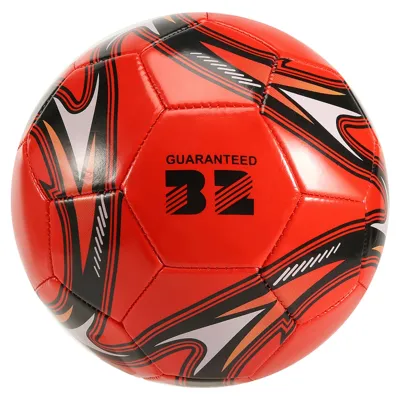

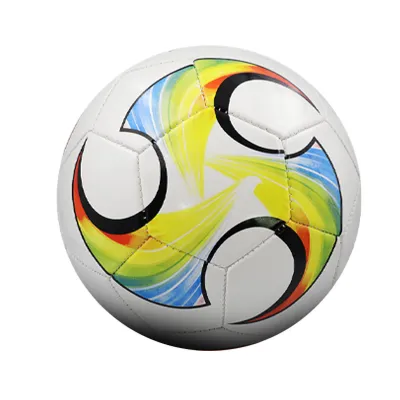
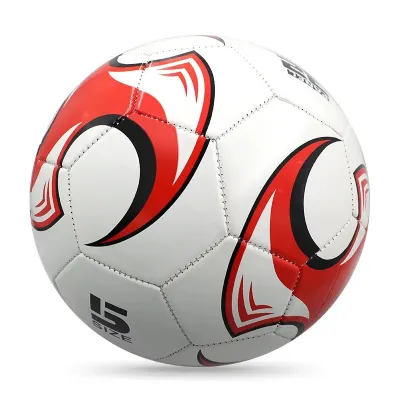
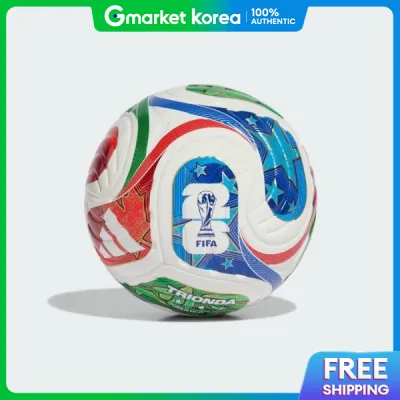
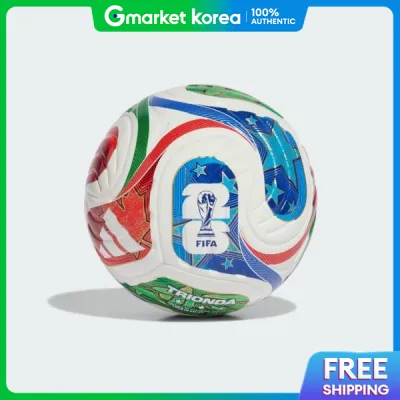
Prices are valid at publication and may change. Please refer to the product page for the latest price.
Inside the ball, the bladder holds the air and determines the bounce. Butyl bladders are known for exceptional air retention, often keeping their shape for weeks without needing a pump, though they tend to feel slightly heavier and stiffer. Latex bladders, favored for high-level match play, offer a much livelier bounce and a softer feel, but they lose air quickly and require inflation before almost every session.
How these components are held together also matters. Machine-stitched balls are cost-effective and suitable for casual play, but they have visible seams that can absorb moisture. Hand-stitched balls offer deeper seams and greater durability, while thermally bonded balls use heat to fuse the panels together. This thermal bonding creates a seamless surface that virtually eliminates water absorption, which is crucial for maintaining a consistent weight during wet weather.
Choosing a Soccer Ball for Indoor Futsal Courts
Indoor futsal in Singapore is typically played on hard, smooth surfaces such as polished wood, synthetic court tiles, or smooth concrete. These high-friction, non-yielding floors require a ball specifically engineered to keep the game fast yet controllable.

The defining feature of a dedicated futsal ball is its low-bounce bladder. Unlike standard soccer balls, futsal bladders are filled with synthetic fibers or foam to dampen the rebound. This design ensures the ball stays close to the floor, facilitating the rapid, short-passing style characteristic of the indoor game. Using a standard outdoor ball on these hard courts results in erratic, high bounces that make close control incredibly difficult.
Because indoor floors offer no natural cushioning, the outer cover of a futsal ball must withstand intense abrasion. Look for covers made from durable, textured PU that can handle constant scraping against hard court surfaces without peeling.
When shopping, always verify the manufacturer’s labels for a “Futsal” designation. These balls are also physically smaller—typically a Size 4—but weigh roughly the same as a standard Size 5 outdoor ball. This unique combination of a smaller size and heavier feel is essential for low-bounce performance on hard courts.
Choosing a Soccer Ball for Artificial Turf
Artificial turf pitches have become the standard for recreational and competitive leagues across Singapore. These synthetic grass surfaces, often filled with black rubber granules, present unique challenges due to high friction and heat retention.
Under the intense Singapore sun, artificial turf can become exceptionally hot, which accelerates the wear on synthetic materials. The friction generated when a ball slides across synthetic blades can quickly scuff and peel standard outer covers. For turf play, prioritize balls with highly durable, abrasion-resistant PU covers, often featuring textured surfaces designed to mimic the grip of natural grass while resisting friction damage.
Unlike futsal, turf play requires a standard bounce. However, because artificial turf is laid over a hard base, a standard ball will bounce higher and faster than it would on natural grass. Checking the packaging for multi-surface ratings or turf-specific reinforcement can help you find a ball that tempers this bounce while surviving the abrasive environment.
Look for balls labeled as “Turf” or “AG” (Artificial Grass) compatible. These models often feature reinforced backing layers beneath the cover to maintain shape retention despite the repetitive, hard impacts against synthetic turf.
Choosing a Soccer Ball for Natural Grass
Playing on natural grass pitches offers the traditional soccer experience, but it also exposes your equipment to the elements. In Singapore, sudden tropical downpours can quickly turn a dry grass field into a muddy, waterlogged pitch.
For natural grass, standard match or training balls are designed to optimize traction and roll. The natural cushioning of soil and grass blades absorbs some of the ball’s impact, allowing for a standard latex or high-quality butyl bladder to deliver a predictable, natural bounce.
The primary concern on natural grass is water resistance. When a stitched ball absorbs water through its seams, it becomes heavy, waterlogged, and difficult to kick, which can also increase the risk of neck or foot injuries. To prevent this, look for thermally bonded panels. The seamless construction of thermally bonded balls acts as a barrier against moisture, ensuring the ball maintains its original weight and flight characteristics even during a heavy downpour.
Additionally, high-quality grass balls often feature aerodynamic panel designs and micro-textured outer covers. These textures help channel airflow around the ball, ensuring a stable and consistent flight path over the longer passing distances typical of full-sized outdoor pitches.
Cross-Surface Compatibility: Can One Ball Do It All?
While it is tempting to purchase a single soccer ball for all your games, using one ball across different surfaces involves significant practical trade-offs.
If you attempt to use a standard grass ball on an indoor futsal court, the excessive bounce will make the game chaotic and difficult to control. Conversely, using a low-bounce futsal ball on a large outdoor turf or grass pitch will severely limit your long passes and shots, as the ball will feel heavy and dead on the grass.
There are also physical risks to the equipment. A high-quality match ball designed for natural grass will degrade rapidly if subjected to the abrasive friction of artificial turf or hard indoor courts. The delicate outer casing can scuff, and the seams may split under the high-impact stress of hard surfaces.
For casual players who occasionally switch between surfaces, a versatile, multi-surface training ball is a reasonable compromise. These hybrid balls often feature reinforced stitching and durable PU covers designed to withstand moderate turf friction while maintaining a standard bounce. However, if you play regularly on a specific surface, investing in a dedicated, surface-specific ball is the best way to ensure proper performance and longevity.
Frequently Asked Questions (FAQ)
What size soccer ball should adults and youth players use?
Selecting the correct ball size is essential for developing proper technique and preventing strain. Adults and youth players aged 12 and older should use a standard Size 5 ball, which has a circumference of 68 to 70 centimeters. For younger players, smaller sizes are recommended: Size 4 is ideal for children aged 8 to 12, while Size 3 is designed for children under 8. Always check with your local Singapore league, school, or facility rules before purchasing, as specific tournaments or training programs may mandate particular sizes.
How should I clean and store my soccer ball after playing on turf?
Proper maintenance is key to extending the lifespan of your soccer ball, especially after playing on artificial turf. After a session, use a damp, soft cloth to wipe away dirt, dust, and the black rubber granules that commonly cling to the ball’s surface. Avoid using harsh chemical cleaners, solvents, or abrasive brushes, as these can degrade the synthetic outer cover and weaken the seams. Store the ball in a cool, dry indoor space away from direct sunlight and extreme heat to prevent the bladder from warping and the outer materials from cracking.
Community discussion
Share your experience or ask a question. Comments are reviewed before publication.