
Selecting the right soft kettlebell for a Housing & Development Board (HDB) flat requires balancing your personal strength level with the physical constraints of apartment living. For most beginners, a starting weight of 4 kg to 8 kg for women and 8 kg to 12 kg for men offers a safe entry point, while the soft exterior protects your flooring and reduces noise. Unlike traditional cast iron, a soft kettlebell features a padded outer shell filled with materials like iron sand or steel shot, making it highly forgiving for small spaces. To ensure a safe workout, you must also calculate your physical clearance in your living room or bedroom to swing the bell safely without hitting walls or furniture.
Quick Guide to Soft Kettlebells for Small Spaces
Soft kettlebells are designed to offer the same functional training benefits as traditional cast iron weights but with a user-friendly, impact-absorbing exterior. This makes them highly suitable for Singapore’s compact HDB flats, where dedicated gym rooms are rare and workouts often happen in multi-functional living areas.
When choosing your first soft kettlebell, your decision should hinge on two primary factors: your current physical strength and the physical dimensions of your workout zone. A weight that is too heavy can compromise your form in tight spaces, while a bell that is physically too bulky can restrict your range of motion during dynamic movements.
Products mentioned in this guide
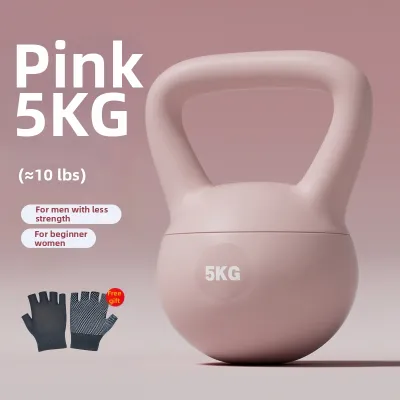
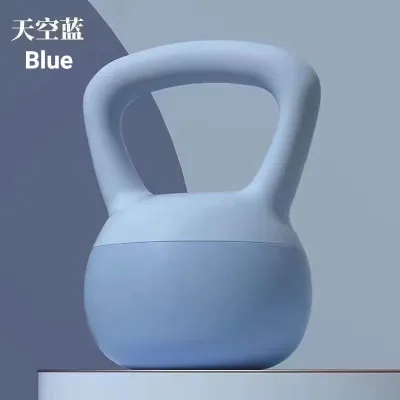
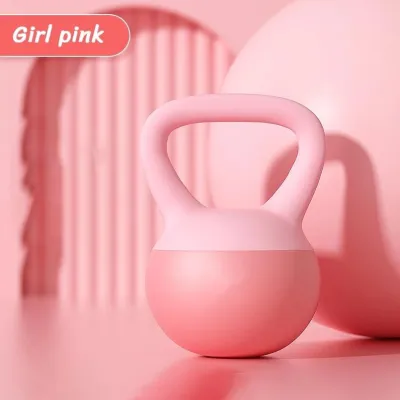
Prices are valid at publication and may change. Please refer to the product page for the latest price.
Before purchasing, you must measure your available floor space. Dynamic exercises like kettlebell swings require a clear safety zone that extends beyond your arm’s reach to prevent accidental contact with television consoles, coffee tables, or glass doors.
Why Soft Kettlebells Are Ideal for HDB Apartments
Living in close proximity to neighbors in an HDB block means noise and vibration management are constant considerations. Traditional cast iron kettlebells can make a loud clatter when set down or dropped, which easily transmits through concrete floors to the unit below. Soft kettlebells significantly dampen these impact sounds, allowing you to train early in the morning or late at night without causing a disturbance.

Floor protection is another critical benefit for flat owners. Many HDB units feature vinyl flooring, laminate wood, or polished ceramic tiles, all of which are susceptible to scratching, denting, or cracking under heavy impact. The padded base of a soft kettlebell acts as a built-in cushion, reducing the risk of costly floor repairs if you lose your grip during a challenging set.
Furthermore, working out in a confined space increases the likelihood of bumping into furniture or your own shins. A soft-filled exterior is much more forgiving on impact than solid iron, minimizing painful bruises and preventing damage to nearby wooden cabinets, plaster walls, or glass panels. This added safety margin gives you the confidence to perform dynamic movements even when space is tight.
How to Select the Right Kettlebell Weight for Your Fitness Level
Selecting the correct weight is essential for maintaining proper form and avoiding injury, especially when training without a professional coach at home. Because soft kettlebells are often filled with loose materials like sand or steel shot, their weight distribution can feel slightly different from solid cast iron, making a conservative starting choice highly advisable.
For individuals new to strength training, a lighter weight allows you to master fundamental movement patterns before adding heavy resistance. Women often find a starting range of 4 kg to 6 kg manageable for upper-body movements, while men may start around 8 kg. For lower-body dominant exercises like goblet squats or deadlifts, you can generally select a slightly heavier option, such as 8 kg to 12 kg for women and 12 kg to 16 kg for men.
Intermediate and advanced lifters who already possess solid core stability and grip strength can opt for heavier weights. However, because soft kettlebells can have larger physical dimensions at higher weights, it is important to verify that you can still control the bulk of the bell during complex movements.
The type of exercise you plan to perform should also dictate your weight selection. High-repetition ballistic movements, such as kettlebell swings or snatches, require excellent cardiovascular endurance and grip control, meaning a moderate weight is preferred. For slow, controlled strength movements like overhead presses or lunges, a lighter, highly manageable weight ensures your shoulders remain stable throughout the set.
When shopping, always check the manufacturer’s specifications regarding the fill material and weight accuracy. Some budget soft kettlebells may have loose sand that shifts excessively during movement, which can alter the center of gravity and affect your balance. Look for models with tightly packed, high-density filling to ensure a more stable and predictable feel during your workouts.
Matching Kettlebell Dimensions to Your HDB Workout Area
The physical size of a soft kettlebell is just as important as its weight when training in a compact HDB room. Because soft materials are less dense than solid iron, a 10 kg soft kettlebell is often physically larger than its 10 kg cast iron counterpart. This increased volume can affect how the bell moves through the air and how much space you need to clear.
To calculate your required swing clearance, stand in your designated workout spot and extend your arm fully in front of you. Add the estimated diameter of the kettlebell to this length, and ensure you have at least an additional 50 cm of clear space beyond that point. This buffer prevents the bell from clipping walls, low-hanging ceiling fans, or nearby furniture during the peak of a swing.
Handle design is another critical dimension to evaluate before buying. Ensure the handle is wide enough to accommodate both of your hands comfortably for two-handed swings. At the same time, check that the handle thickness matches your grip capacity; an overly thick handle can cause premature forearm fatigue, making it difficult to maintain a secure hold.
A common mistake is purchasing a bulky, oversized soft kettlebell that restricts your natural movement path. If the bell is too wide, it may bump against your inner thighs during the downward phase of a swing, forcing you to alter your stance unnaturally. Opt for a streamlined design that balances soft protection with a compact profile to keep your movements clean and efficient.
Smart Storage Solutions for Small Apartment Gyms
Keeping your HDB flat organized requires smart storage strategies for your fitness gear. Because soft kettlebells do not have the harsh, scratching edges of iron weights, they are much easier to store directly on household shelves or inside standard storage units without damaging the furniture.
Consider utilizing multi-functional furniture to keep your workout gear out of sight when not in use. A storage ottoman in the living room, a dedicated drawer in your wardrobe, or the empty space under your bed frame are excellent spots to tuck away a kettlebell. This keeps your living area looking tidy and prevents the equipment from becoming a tripping hazard.
Environmental factors in Singapore also play a role in how you should store your equipment. Avoid leaving your soft kettlebell in direct sunlight near windows or on open balconies, as prolonged exposure to ultraviolet rays can degrade synthetic fabrics, weaken seams, and cause vinyl covers to crack. Store the bell in a cool, dry, shaded indoor area to prolong its lifespan.
Finally, establish a habit of performing quick visual checks before and after each workout. Inspect the outer fabric, stitching, and zipper enclosures for any signs of fraying or loose seams. Catching minor wear early prevents the filling material from leaking out onto your floors during a high-velocity swing.
Frequently Asked Questions (FAQ)
Can I use a soft kettlebell for all traditional kettlebell exercises?
Soft kettlebells are highly versatile and work exceptionally well for foundational movements like swings, goblet squats, deadlifts, and overhead presses. However, they may not be suitable for advanced, high-velocity exercises that require rapid grip transitions, such as Olympic-style snatches or cleans, where the bulkier size of the soft shell can interfere with smooth wrist rotation. Additionally, they should not be used for exercises that involve heavy floor impacts or balancing your body weight on top of the handle, as the soft base lacks the absolute rigidity of cast iron.
How do I clean and maintain a soft kettlebell in Singapore's humid climate?
Singapore’s high humidity and warm temperatures can cause sweat to linger on fabric surfaces, leading to unpleasant odors or mold growth. To prevent this, always wipe down the exterior of your soft kettlebell with a damp cloth and a mild, non-abrasive soap after every workout. Allow the kettlebell to air-dry completely in a well-ventilated indoor area before placing it in an enclosed storage cupboard or under-bed container. Always refer to the manufacturer’s care label for specific instructions, as some materials may tolerate gentle sanitizing sprays while others require dry wiping.
Community discussion
Share your experience or ask a question. Comments are reviewed before publication.