
To sustain performance during long runs in Singapore’s intense heat and humidity, the ideal sports drink for a hydration vest is a highly soluble, low-viscosity electrolyte powder. Because tropical conditions accelerate sweat rates and elevate body temperature, your hydration setup must deliver rapid fluid and sodium replenishment without compromising the physical functionality of your gear. Selecting a formula that dissolves completely and features a mild, non-cloying flavor profile ensures you can hydrate continuously without clogging your equipment or experiencing debilitating taste fatigue.
Understanding the Core Challenges of Hydration Vests in Tropical Heat
Running in Singapore presents a demanding combination of high temperatures and relative humidity that frequently exceeds 80 percent. In this environment, sweat does not evaporate efficiently off the skin, which hinders the body’s natural cooling mechanism and drives up sweat rates. As you drink more to compensate, using a hydration vest bladder introduces unique mechanical and sanitary challenges that do not occur with standard handheld bottles.
The primary physical challenge is the microclimate inside your hydration vest. Positioned flat against your back, the bladder absorbs body heat and warm ambient air, quickly heating your sports drink to lukewarm temperatures. This warmth accelerates the growth of bacteria and mold if the drink contains sugars, turning the bladder into a hygiene hazard during multi-hour runs.
Products mentioned in this guide
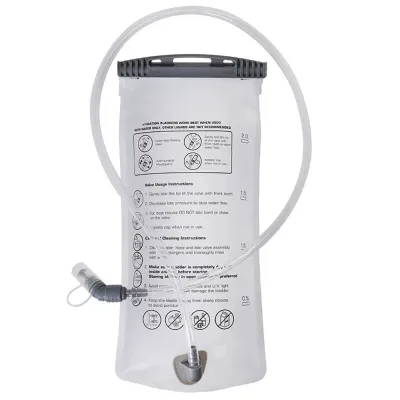
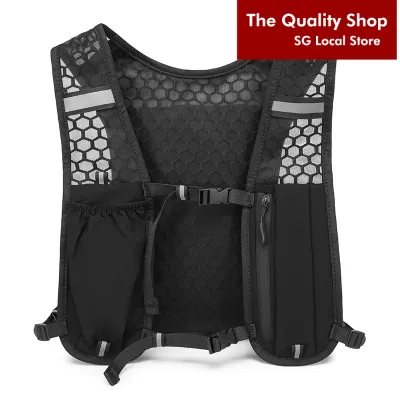
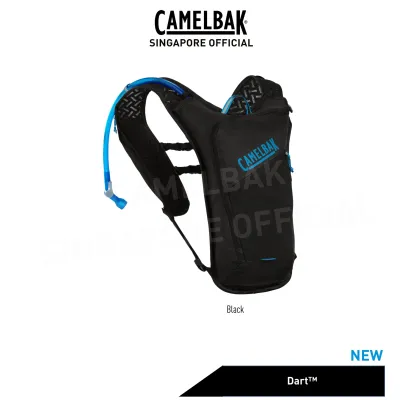
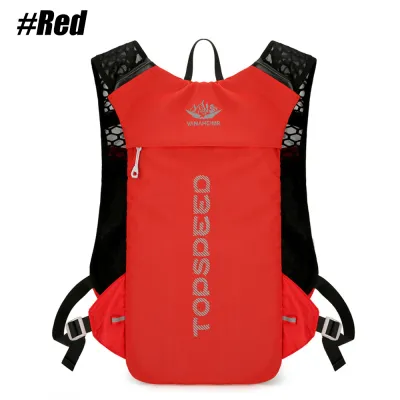
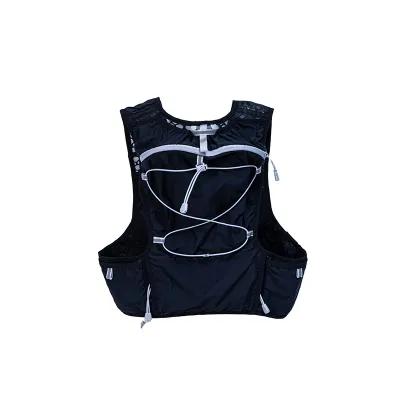
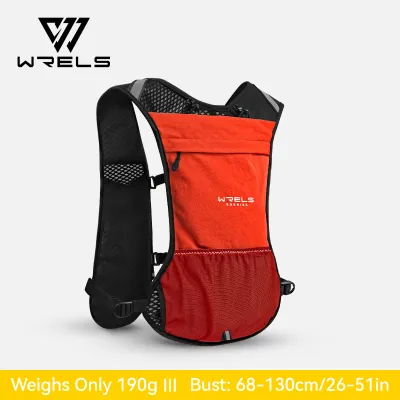
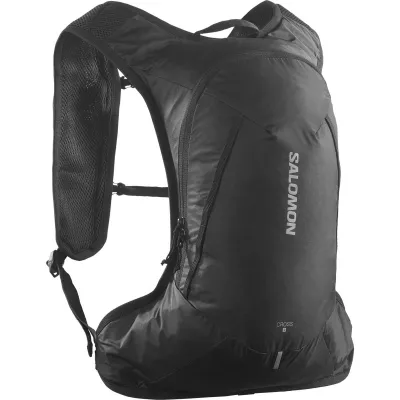
Prices are valid at publication and may change. Please refer to the product page for the latest price.
Furthermore, warm liquids alter how we perceive flavor, making sweet drinks taste significantly more intense and syrupy. If your sports drink has a high viscosity or contains poorly dissolved solids, it will struggle to pass smoothly through the narrow delivery tube. This can lead to sticky residue buildup inside the bite valve, restricting fluid flow and forcing you to exert extra effort just to get a sip of water when you are already fatigued.
Evaluating Drink Formulations for Bladder Compatibility and Heat
To keep your hydration vest functioning flawlessly while meeting your physiological needs, you must carefully evaluate the ingredient labels of your sports drink mixes. The type and concentration of carbohydrates play a critical role in both gastric absorption and bladder maintenance.

Carbohydrate Concentration Look for drink mixes that yield a carbohydrate concentration of 4% to 6% when mixed according to instructions. Formulations relying on complex carbohydrates like maltodextrin dissolve more cleanly and are less sticky than those packed with simple sugars like sucrose or fructose. Lower carbohydrate concentrations, often referred to as hypotonic solutions, empty from the stomach rapidly and leave minimal sticky residue inside the bladder and tube.
Electrolyte Profile Because running in tropical humidity results in substantial sodium loss, prioritize mixes with robust electrolyte profiles. Check the nutrition label for sodium content; a range of 500 mg to 1000 mg of sodium per liter of water is highly effective for maintaining fluid balance during extended efforts. Ensure the powder is ultra-fine so that these minerals dissolve completely without leaving a gritty sediment at the bottom of the bladder.
Ingredients to Avoid Avoid sports drinks that contain artificial colorings, heavy fruit pulps, or protein additives. Artificial dyes can permanently stain the polyurethane or silicone materials of your bladder. Protein and recovery blends are particularly problematic; they do not stay in solution well, tend to clog the delicate spring mechanisms in bite valves, and spoil rapidly when exposed to body heat over several hours.
Overcoming Taste Fatigue During Long Runs
Taste fatigue is a common but frequently overlooked obstacle during long-distance running. Under intense physical exertion and heat, your nervous system and sensory receptors change how they process flavors, often making highly sweetened drinks taste unpalatable or even nauseating after the first hour.
To combat this, select sports drinks with subtle, crisp, or slightly tart flavor profiles. Lemon-lime, citrus, and light berry flavors generally remain tolerable over long periods compared to heavy, sweet, or artificial grape and orange profiles. Some runners find success using unflavored electrolyte mixes, which provide necessary hydration benefits without any sweetness.
If you prefer a flavored mix but find it overwhelming as the run progresses, try diluting the drink beyond the manufacturer’s standard recommendation. For example, mixing a single serving of powder with 20% more water than suggested keeps the flavor exceptionally light while still delivering a baseline level of electrolytes.
Managing the temperature of your drink also plays a vital role in flavor tolerance. To prevent your beverage from warming up too quickly against your back, fill your bladder halfway with ice cubes before adding water and your drink powder. Alternatively, look for hydration vests that feature insulated bladder compartments or use aftermarket insulated sleeves to keep the liquid cool and refreshing.
Preventing Residue Buildup and Maintaining Your Hydration Vest
Using anything other than plain water in a hydration vest requires a strict and immediate cleaning routine. Neglecting your gear for even a single day in Singapore’s warm, humid climate can allow mold to establish a foothold inside the tube and bite valve, making it incredibly difficult to sanitize later.
Immediate Post-Run Flushing As soon as you finish your run, empty any remaining sports drink from the bladder. Fill the bladder with warm tap water and hold it above your head, pinching the bite valve to let gravity flush clean water through the entire length of the tube. This simple step removes the bulk of the sugar and electrolyte residue before it has a chance to dry and stick.
Thorough Cleaning Protocol Wash the bladder using mild dish soap and a dedicated bladder brush set. Use a long, flexible wire brush to scrub the inside of the tube, as this is where mold most commonly accumulates. For a deeper clean, use specialized hydration cleaning tablets or a solution of warm water and two tablespoons of baking soda. Avoid using chlorine bleach or boiling water, as extreme heat and harsh chemicals can warp the bladder material and degrade the plastic connectors.
Drying and Storage After washing, shake out excess water and use a drying rack or insert clean kitchen tongs to keep the bladder walls separated so air can circulate freely. Hang the tube vertically so no water pools in the bends. Once completely dry, store the bladder in a cool, dry cupboard. Some runners store their dry, clean bladders in the freezer to completely inhibit any potential bacterial growth between weekly long runs.
Structuring Your Hydration Plan for Long Runs
An effective hydration strategy requires balancing your physiological needs with the practical limits of your gear. Rather than relying solely on a single bladder filled with a concentrated sports drink, consider a diversified approach to manage both energy delivery and palate fatigue.
A highly effective setup involves using a dual-source system. Fill your main back bladder with plain water or a very dilute electrolyte mix, and use the front flask pockets of your hydration vest to carry concentrated sports drinks or carbohydrate mixes. This configuration allows you to alternate between sweet fuel and refreshing plain water, which helps clear the sweet taste from your mouth and reduces the risk of stomach sloshing.
Monitor your body’s signals closely during your training runs. If you experience a sloshing sensation in your stomach, it is a sign that your gastric emptying has slowed down, often due to a carbohydrate concentration that is too high. When this occurs, temporarily stop consuming the sports drink and sip plain water until the discomfort subsides.
Always use your training runs to test your hydration plan. Every runner’s sweat rate and gastrointestinal tolerance are unique, and practicing your mixing ratios, drinking intervals, and cleaning routines beforehand ensures a seamless experience on race day.
Frequently Asked Questions (FAQ)
Can I mix energy gels directly into my hydration vest bladder?
Mixing energy gels directly into a hydration bladder is not recommended. Gels are highly viscous and designed to dissolve slowly; they will not mix evenly with water inside a bladder without vigorous, sustained agitation. This results in pockets of highly concentrated syrup that can easily clog the narrow tube and completely block the bite valve. Additionally, cleaning the sticky, gelatinous residue out of the tube and valve assembly is exceptionally difficult. Instead, carry your energy gels in the accessible pockets of your vest and consume them alongside plain water from your bladder.
How do I know if my sports drink is causing gastrointestinal distress?
Gastrointestinal distress typically manifests as bloating, stomach cramping, nausea, or a heavy sloshing feeling while running. These symptoms often occur when the carbohydrate concentration in your stomach is too high, which draws water out of your bloodstream and into your gut to aid digestion, slowing down absorption. If you experience these issues, try diluting your sports drink mix with more water, or switch to a formula that uses a different carbohydrate source, such as maltodextrin, which is often easier on sensitive stomachs during high-intensity exercise.
Community discussion
Share your experience or ask a question. Comments are reviewed before publication.