
The best surfboard bag brand depends entirely on your specific scenario—whether you are commuting to a local break, flying across the globe, or storing your quiver at home. Brands like FCS, Dakine, Pro-Lite, and Creatures of Leisure are industry benchmarks, but choosing among them requires matching their design philosophies to your board’s dimensions and your transit risks.
A daily commuter needs quick access and lightweight handling, whereas an air traveler requires heavy-duty padding and structural reinforcement to withstand airport baggage systems. Selecting the wrong type of protection can lead to costly board repairs or inconvenient dings that ruin a surf trip.
For surfers preparing for regional trips, factors like high humidity, salt exposure, and the necessity of air travel to reach regional surf destinations make ventilation, corrosion-resistant zippers, and robust padding critical considerations. Understanding the nuances of bag construction ensures your gear remains safe in all conditions.
Products mentioned in this guide
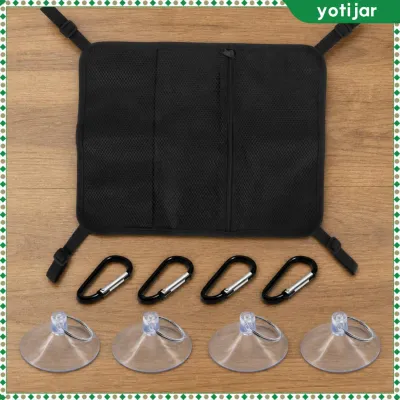
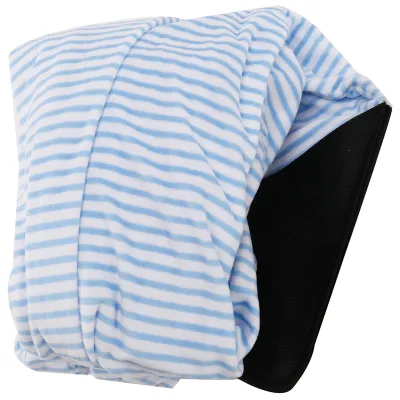
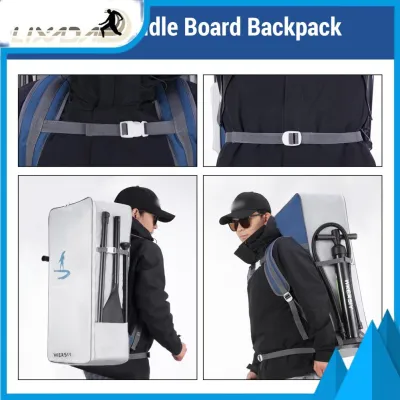
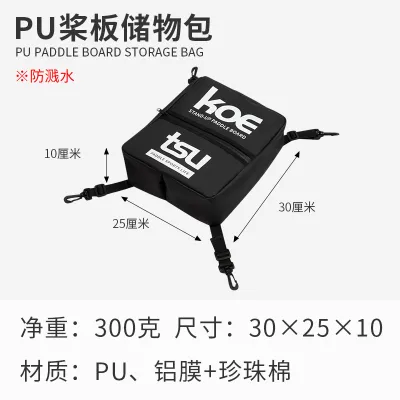
Prices are valid at publication and may change. Please refer to the product page for the latest price.
Surfboard Bag Categories: Matching Protection to Your Needs
Board socks, or knit covers, offer the most basic form of protection. They are primarily designed to prevent minor scratches, keep wax from melting onto your car seats, and block direct sunlight. Because they lack foam padding, they offer virtually zero impact protection and should only be used for light, in-car transport or as an extra layer inside a larger travel bag.
Day bags typically feature 3mm to 5mm of foam padding, making them the standard choice for local transport. They provide a moderate barrier against minor dings during daily handling, such as loading your board onto roof racks or sliding it into the back of a vehicle. They are lightweight and easy to handle but are not built to survive the heavy impacts of airline cargo holds.
Travel bags and “coffins” feature heavy-duty padding, usually ranging from 10mm to 12mm or more. Coffin bags are multi-board travel cases designed to hold two to four boards, featuring internal dividers, reinforced sidewalls, and often wheels for easier transit. These are built to withstand the rigors of commercial flight and rough handling by airport baggage staff.
Identifying your primary protection need prevents you from overpaying for heavy, bulky travel bags when a simple day bag or a lightweight sock is more practical for your routine. While some brands specialize in lightweight daily gear, others focus almost exclusively on expedition-grade travel protection. Matching the brand’s specialty to your primary use case ensures optimal performance.
Key Features to Evaluate When Comparing Surfboard Bag Brands
When comparing surfboard bag brands, do not rely solely on the millimeter rating of the padding. Look for high-density, closed-cell foam rather than cheap, open-cell alternatives. Closed-cell foam does not absorb water and provides superior impact absorption, ensuring that a drop onto concrete does not result in a shattered rail. Always check the manufacturer’s technical specifications to verify the foam type.

The outer shell must withstand abrasion, water, and UV radiation. Look for heavy-duty nylons, such as 600D or 1200D polyester, or advanced ripstop materials. Many high-quality bags feature a reflective tarpaulin or foil bottom. This reflective layer is vital because it repels solar heat, preventing your wax from melting and protecting your board from heat-induced delamination when resting on the beach or a car roof.
A loose board inside a bag will slide around, leading to rail and nose damage during transit. Premium brands include internal tie-down straps, padded dividers for multi-board bags, and dedicated fin pockets. Look for reinforced nose and tail patches, as these areas experience the most frequent impacts and require extra layers of protection.
Wet gear trapped in a sealed bag creates a humid microclimate that degrades fiberglass, yellows foam, and breeds mold. Look for built-in mesh vents, air-flow ports, and non-corrosive drainage grommets. These features allow moisture to escape, which is especially important in humid regions where damp gear can deteriorate rapidly if left sealed.
How to Choose Brand Features for Travel, Daily Use, and Storage
Daily Use and Local Sessions
For daily sessions, convenience and weight are your primary concerns. You want a surfboard bag that allows you to load and unload your board in seconds. Look for brands that offer single-board day bags with a wide, smooth-sliding zipper path that extends at least half the length of the bag, allowing for quick access without snagging.
Ergonomics play a massive role when walking to local spots or navigating beach paths. Look for padded, removable shoulder straps or backpack-style harnesses. Backpack straps are particularly useful if you commute via bicycle or scooter, as they keep your hands free and distribute the board’s weight evenly across your back, reducing fatigue.
Storage pockets are another essential feature for daily use. High-quality day bags include external or easily accessible internal pockets dedicated to storing wax, spare fins, fin keys, and leashes. This keeps your wet or sandy accessories separate from your clean board and prevents you from forgetting essential gear before you hit the water.
Air Travel and Long-Distance Trips
Air travel introduces severe physical stress to your surfboards. When flying, your boards are subjected to rough handling, tight stacking, and shifting cargo. For these trips, prioritize brands that offer at least 10mm of high-density foam padding throughout the entire bag, along with reinforced 20mm padding at the nose and tail.
Heavy-duty zippers are a critical failure point on travel bags. Look for marine-grade, oversized plastic zippers that resist salt corrosion and won’t jam under tension. Metal zippers should be avoided for travel as they are highly susceptible to salt corrosion and binding, which can ruin a bag after just a few trips.
For multi-board travel, “wheelie” bags are highly recommended. These bags feature heavy-duty wheels and reinforced skid plates, allowing you to drag heavy gear through airport terminals without straining your shoulders. However, always check the empty weight of the bag. Airlines enforce strict weight limits for sports equipment, and a heavy bag reduces the amount of gear you can pack before facing over-limit fees.
Before purchasing, verify the bag’s external dimensions and compare them with your airline’s current sports baggage policies. Some airlines have strict length limits or specific volumetric calculations. Ensure the bag’s design complies with these rules to avoid unexpected fees or boarding denials at the check-in counter.
Long-Term Board Storage
Storing a surfboard long-term requires a completely different approach than traveling. Keeping a board sealed inside a thick, non-breathable plastic travel bag for months can trap residual moisture. In warm climates, this trapped moisture can cause the board’s fiberglass skin to delaminate from the foam core, ruin the finish, and foster mold growth.
For long-term indoor storage, look for highly breathable covers. Board socks made from high-quality woven acrylic or cotton are ideal. They protect the board from dust, scratches, and ambient UV light while allowing any residual moisture to evaporate naturally, keeping the foam dry and stable.
If you must store your board in a garage or outdoor shed, choose a bag designed specifically for storage that features UV-blocking fabrics and dedicated ventilation panels. Ensure the storage area is cool, dry, and out of direct sunlight, as prolonged heat exposure can degrade both the bag’s materials and the surfboard’s structural integrity over time.
Sizing and Fit: Ensuring Your Board Matches the Bag
To get a secure fit, you must accurately measure your surfboard rather than relying solely on the manufacturer’s printed dimensions. Measure the exact length from the tip of the nose to the end of the tail along the stringer. Next, measure the width at the widest point of the board, and finally, measure the thickness at the thickest point.
Surfboard bags are tailored to specific board outlines. A standard shortboard bag is narrow and tapers sharply at both ends. If you attempt to slide a wide, blunt-nosed fish or a hybrid board into a shortboard bag of the exact same length, it will not fit. Ensure you match the bag’s designated shape category—such as Shortboard, Fish/Hybrid, Longboard, or SUP—to your board’s template.
Always consult the specific brand’s internal dimension chart. A “6’0″ bag from one brand might have a generous cut that easily accommodates a 6’1” board, while another brand’s “6’0″ bag might be a tight, performance fit designed strictly for boards under 6’0”. If your board is right on the sizing boundary, or if you plan to keep your fins on during local transport, it is generally safer to size up by two to three inches to ensure a comfortable fit.
Caring for Your Surfboard Bag in Tropical Climates
In highly humid and tropical environments, salt and moisture are constant threats to your gear. After every session, rinse the exterior and zippers of your surfboard bag with fresh water to remove salt crystals, sand, and grime. Always hang the bag to air-dry completely in a shaded, well-ventilated outdoor area before folding or storing it.
Never leave a wet surfboard inside a closed bag, especially in hot conditions. The greenhouse effect inside the bag can rapidly reach temperatures that melt wax, weaken fiberglass resin, and cause the bag’s inner lining to peel or delaminate. If you must transport a wet board, unzip the bag slightly to allow airflow, and remove the board as soon as you reach your destination.
Regularly inspect the seams, handle attachments, and zippers for signs of wear. Apply a marine-grade zipper lubricant or a small amount of paraffin wax to the zipper teeth periodically. This simple maintenance step prevents salt-crust buildup and ensures the zippers slide smoothly, extending the lifespan of your bag for years of reliable use.
Community discussion
Share your experience or ask a question. Comments are reviewed before publication.