
To withstand Singapore’s intense tropical downpours and high humidity over time, you need tentage featuring a high hydrostatic head (HH) rating—ideally a minimum of 3,000mm for the rainfly and 5,000mm to 10,000mm for the floor—alongside hydrolysis-resistant materials like silicone-treated fabrics (silnylon or silpoly) rather than standard polyurethane (PU) coatings. While budget-friendly options may suffice for short, dry spells, prolonged exposure to equatorial weather requires specialized gear designed to resist chemical breakdown and physical wear.
Selecting the right shelter involves understanding how tropical forces interact with synthetic fabrics. By focusing on verifiable material specifications and implementing strict maintenance routines, you can ensure your shelter remains completely waterproof and structurally sound across multiple camping seasons.
How Singapore's Tropical Climate Changes Your Tentage Needs
Camping in Singapore presents environmental challenges that differ significantly from those in temperate climates. The combination of sudden, torrential monsoon downpours, sustained high relative humidity often exceeding 80% year-round, and intense equatorial UV radiation creates a highly aggressive environment for synthetic outdoor gear. Standard camping equipment designed for mild summer weekends elsewhere can quickly fail when subjected to these localized pressures.
Products mentioned in this guide
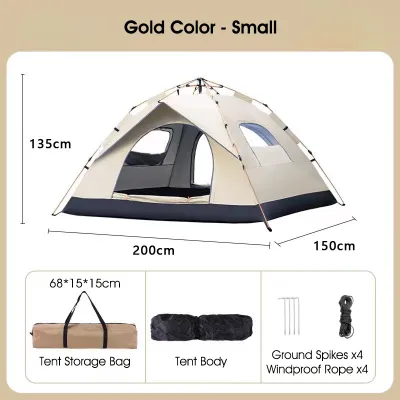
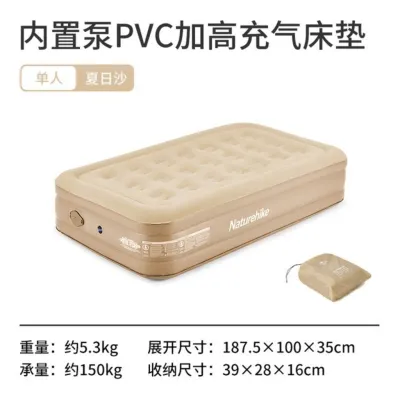
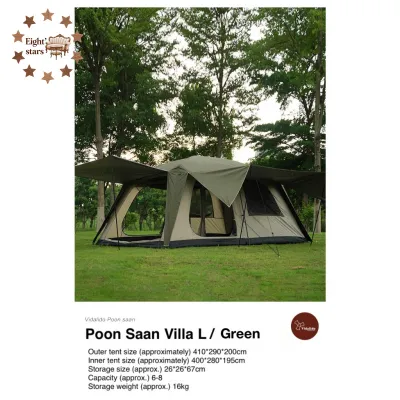
Prices are valid at publication and may change. Please refer to the product page for the latest price.
In temperate regions, a wet tent can be dried quickly in low-humidity air, or packed away temporarily without immediate risk of damage. In Singapore’s warm, moisture-laden atmosphere, damp fabrics become an ideal breeding ground for mold and mildew within less than 24 hours. These fungi do not just cause unpleasant odors and cosmetic stains; they actively digest organic finishes and weaken the underlying synthetic fibers, permanently compromising the fabric’s structural integrity.
Furthermore, the combination of high ambient heat and constant humidity accelerates a chemical process known as hydrolysis. This reaction occurs when water molecules break down the chemical bonds of polyurethane (PU) coatings, which are the most common waterproofing agents used in consumer outdoor gear. Over time, hydrolysis turns these protective coatings into a sticky, peeling residue, rendering the fabric highly permeable to water.
Equatorial UV exposure acts as another catalyst for degradation. Intense sunlight breaks down the chemical structure of nylon and polyester, reducing their tensile strength and causing the protective Durable Water Repellent (DWR) surface treatments to fail prematurely. Consequently, selecting tentage for local conditions requires prioritizing long-term fabric stability, advanced coating technologies, and robust physical construction over ultra-lightweight designs or low-cost alternatives.
Translating "Waterproof" into Verifiable Specs and Fabrics
When evaluating outdoor gear, relying on vague marketing terms like “stormproof” or “weather-resistant” can lead to disappointing performance during a sudden deluge. Instead, look for concrete, quantifiable specifications and material compositions that indicate how a shelter will perform under pressure.

Hydrostatic Head (HH) Thresholds for Tropical Storms
The Hydrostatic Head (HH) rating, measured in millimeters (mm), indicates the level of water pressure a fabric can withstand before moisture penetrates its surface. For example, a 3,000mm rating means the fabric can support a 3-meter-tall column of water before any leakage occurs. In practice, wind-driven rain increases the physical pressure exerted on a tent’s exterior, meaning higher ratings are essential for stormy conditions.
For Singapore’s heavy downpours, a rainfly rating of at least 3,000mm is highly recommended. While a 1,500mm rating might prevent leaks during a gentle shower, it offers very little safety margin during a sustained tropical thunderstorm where wind gusts force water against the fabric. A higher rating ensures that even under high wind pressure, water remains on the outside of the shelter.
For the tent floor or groundsheet, the requirements are even more demanding. When you sit, kneel, or sleep inside a tent, your body weight exerts concentrated pressure on the fabric against the saturated ground. If water pools beneath the tent, this localized pressure can easily force water through low-rated materials. To prevent this, look for a tent floor with an HH rating between 5,000mm and 10,000mm, or pair a lower-rated floor with a durable, highly waterproof footprint.
It is important to recognize that HH ratings represent the fabric’s water resistance when new. They do not account for the gradual degradation caused by UV exposure, physical abrasion, and humidity over years of use and storage.
Silnylon vs. PU-Coated Fabrics in High Humidity
The choice of fabric coating plays a decisive role in how well a tent ages in a tropical climate. The two primary coatings used in the outdoor industry are Polyurethane (PU) and silicone treatments, each with distinct chemical properties.
- Polyurethane (PU) Coatings: These are highly common due to their affordability and ease of manufacture. PU coatings allow factory seam tape to be easily heat-welded to the fabric, ensuring immediate waterproof performance at the seams. However, standard polyester-polyurethane (PU) is highly susceptible to hydrolysis in warm, humid climates. Over time, storage in humid environments causes the PU layer to absorb moisture, leading to a sticky texture, peeling flakes, and a distinct sour odor.
- Silicone-Treated Fabrics (Silnylon and Silpoly): Silicone-elastomer coatings are chemically impregnated into nylon or polyester fibers. Unlike PU, silicone coatings are completely hydrophobic and do not undergo hydrolysis, meaning they will never become sticky or peel due to humidity. They also provide superior UV resistance and increase the tear strength of the fabric. However, pure silicone-coated fabrics cannot be sealed with standard heat-applied tape; they require specialized silicone-based liquid sealants applied to the seams.
- Polyether-Polyurethane (PeU) Coatings: Some premium manufacturers use PeU instead of traditional PU. PeU is formulated specifically to resist hydrolysis, offering a durable, tapeable alternative that performs significantly better in humid tropical climates than standard PU.
Regardless of the coating type, factory-taped or sealed seams are critical. Water is far more likely to penetrate through needle holes along the seams than through the fabric itself, making robust seam construction a primary point of inspection.
Evaluating Tentage Brands for Long-Term Tropical Durability
Navigating the outdoor market requires a critical eye. Rather than purchasing based on brand prestige alone, evaluate specific product lines and material transparency to find a model suited to local climate demands.
What to Look for in Premium Outdoor Brands
Established international brands that specialize in alpine, expedition, or high-end backpacking gear often offer the most reliable performance in harsh environments. These brands typically provide detailed, transparent specifications for every component of their shelters, listing the exact denier of the fabric, the specific coating chemistry, and verified HH ratings.
When evaluating premium brands, look for those that utilize pure silicone coatings or advanced, hydrolysis-resistant polyurethane (such as PeU) on their high-end models. These manufacturers often design their gear with robust structural geometry to shed wind and rain efficiently, reducing the physical strain on the fabric and seams during heavy storms.
Additionally, premium brands often support their products by offering accessible replacement parts, such as poles, rainflies, and custom-fit footprints. This availability allows you to replace a single worn component rather than discarding the entire shelter, extending the overall lifespan of your investment.
Assessing Budget and Regional Tentage Options
Budget-friendly and regional brands available on online marketplaces can be highly appealing, particularly for occasional campers. However, these options require careful scrutiny to ensure they can handle a sudden tropical storm.
Begin by checking for explicit, numerical HH ratings for both the rainfly and the floor. Avoid products that use vague descriptions like “waterproof fabric” without providing a specific millimeter rating. Verify that the seams are factory-taped, as budget models sometimes omit this step to reduce manufacturing costs.
Read user reviews carefully, filtering for feedback from campers who have used the gear in tropical regions or stored it for several months. Pay close attention to reports of stickiness, seam tape lifting, or water weeping through the floor during heavy rain. Be cautious of assuming that a heavier, thicker tent is automatically more waterproof; fabric weight does not correlate with the quality and longevity of the chemical waterproof coating.
Remember to evaluate each specific model on its own merits. Even highly reputable brands occasionally produce entry-level models using standard, budget PU coatings that may degrade quickly in high humidity, while lesser-known mid-tier brands may offer specialized lines featuring excellent technical specifications.
Maintaining Your Tentage to Prevent Mold and Hydrolysis
Even the highest-quality shelter will eventually fail if stored improperly. Implementing a strict care and maintenance routine is essential to protect your gear from the damaging effects of Singapore’s heat and humidity.
Post-Trip Drying
The most critical rule of tent maintenance is to never store a damp tent. Even if it did not rain during your trip, morning dew and condensation from humidity will leave moisture trapped in the fabric fibers. As soon as you return home, pitch the tent in a shaded, well-ventilated outdoor area or hang it loosely indoors until it is completely dry to the touch. Packing away a damp tent in a warm climate guarantees mold and mildew growth within days, which can permanently damage the fabric and coatings.
Cleaning Protocols
To clean your shelter, use low-risk, gentle methods that preserve the protective coatings. Avoid washing machines, harsh household detergents, and stiff brushes, as these can strip the DWR finish and tear the seam tape. Instead, use lukewarm water, a mild, non-detergent soap, and a soft sponge to gently wipe away dirt, sand, and organic matter. Rinse the fabric thoroughly with clean water to remove any soap residue, and allow the tent to dry completely before packing.
Storage Conditions
Avoid storing your tent long-term inside its tight, compressed stuff sack. Compression traps residual moisture and concentrates heat, accelerating the chemical breakdown of PU coatings. Instead, store the tent loosely in a large, breathable mesh or cotton storage bag, or drape it over a hanger in a cool, dry closet. To protect against humidity, store your gear in an air-conditioned room or place disposable dehumidifier tubs inside your storage space, checking and replacing them regularly.
Re-waterproofing and Inspection
Regularly inspect your shelter before and after the camping season. Check the rainfly and floor for signs of DWR failure, which occurs when water saturates the outer fabric instead of forming neat beads. You can restore surface water-beading performance by applying an aftermarket DWR spray designed for outdoor fabrics. However, note that these sprays cannot repair a chemically degraded, sticky PU coating or re-adhere peeling seam tape. If the internal waterproof laminate is flaking off, the fabric’s structural waterproofing is compromised and the affected component must be replaced.
Frequently Asked Questions (FAQ)
Is a 2000mm waterproof rating enough for Singapore's monsoon season?
While a 2000mm rating is generally sufficient for light to moderate rain in temperate climates, it offers very little safety margin during Singapore’s intense monsoon seasons. Wind-driven rain and prolonged downpours exert significant physical pressure on fabric surfaces. To ensure reliable protection during a sudden tropical deluge, it is highly recommended to aim for a rainfly rating of at least 3000mm.
How do I know if my tent's PU coating is hydrolyzing?
Hydrolysis manifests through clear physical symptoms. The inside of the rainfly or floor will feel sticky, tacky, or gummy to the touch, and the fabric may cling to itself when unfolded. You may also notice a strong, unpleasant chemical, sour, or vinegar-like odor when opening the storage bag. In advanced stages, the clear coating will begin to flake, peel, or turn into a fine white powder, indicating that the waterproof barrier has broken down permanently.
Can I use a standard beach canopy instead of a camping tent for heavy rain?
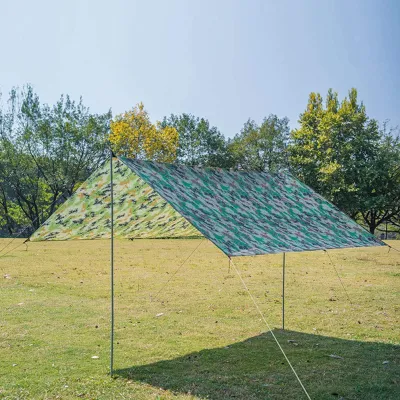
No, standard beach canopies and pop-up gazebos are designed primarily for sun shade and light wind resistance. They typically lack fully enclosed walls, high-rated waterproof flooring, and aerodynamic profiles. During a heavy, wind-driven tropical storm, a beach canopy can easily catch the wind, collapse, or allow rain to blow in laterally, whereas a dedicated camping tent is engineered to shed wind and seal out ground water.
Community discussion
Share your experience or ask a question. Comments are reviewed before publication.