
Selecting the most effective Theraband recovery tool depends entirely on the specific type of muscle soreness you experience after running. Whether you need to soothe large, fatigued muscle groups or target deep, localized trigger points, understanding the physical design and intended use of each tool category is the first step toward effective relief. This guide outlines how to match your post-run recovery needs with the appropriate Theraband product specifications, ensuring safe and practical use.
Running on hard asphalt paths, such as those found throughout Singapore’s park connectors, places repetitive stress on your lower body. This impact often manifests as generalized tightness across major muscle groups or sharp, localized discomfort in specific areas like the arches of your feet. By identifying your primary physical symptoms first, you can select a recovery tool that directly addresses your discomfort rather than relying on a one-size-fits-all approach.
Assessing Your Post-Run Muscle Soreness and Recovery Goals
To choose the right tool, you must first differentiate between broad muscle fatigue and localized trigger points. Broad fatigue typically presents as a dull, aching sensation across large muscle groups like the quadriceps, hamstrings, and calves after a long-distance run. This type of soreness responds best to sweeping, rolling motions that promote general circulation and lymphatic drainage. Conversely, localized trigger points are highly specific, tender knots within the muscle fibers, such as those in the deep glutes or the plantar fascia along the bottom of the foot. These points require focused, stationary pressure to release tension, which broad tools cannot effectively deliver.
Products mentioned in this guide
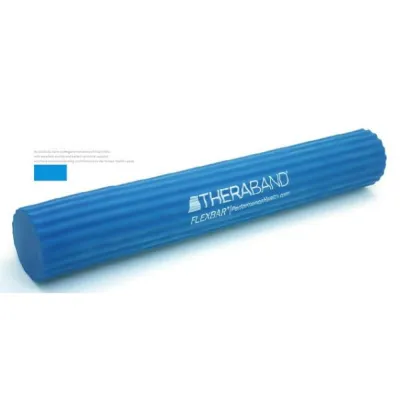
Prices are valid at publication and may change. Please refer to the product page for the latest price.
Your personal tolerance to pressure and prior experience with myofascial release also play a critical role in your selection. If you are new to self-massage, starting with an overly firm tool can cause your muscles to tense up defensively, defeating the purpose of the recovery session. Beginners generally benefit from softer, more forgiving materials that allow the body to adapt to the sensation of pressure. Experienced runners or those with denser muscle mass may require firmer tools to reach deeper tissue layers effectively.
Additionally, clarify whether your primary goal is immediate post-run cool-downs or deeper, next-day tissue recovery. An immediate cool-down routine focuses on gentle movement to flush metabolic waste and reduce initial muscle stiffness. Deeper tissue recovery, typically performed 24 to 48 hours after a strenuous workout, aims to break up minor adhesions and restore flexibility. Matching the tool’s intensity to your recovery timeline ensures you do not inadvertently aggravate sensitive, freshly fatigued muscle fibers.
Matching Theraband Tool Categories to Specific Running Aches
Theraband offers a variety of recovery tools designed to address different biomechanical needs. Understanding how these tools differ in physical form and application allows you to build a targeted recovery routine that addresses your specific running aches.

Foam Rollers for Large Muscle Groups
Foam rollers are the standard choice for addressing broad muscle fatigue across the major muscle groups of the lower body. When you run, your quadriceps, hamstrings, calves, and the iliotibial (IT) band absorb significant repetitive impact. Using a foam roller allows you to use your own body weight to apply sweeping pressure across these large surface areas, helping to restore tissue elasticity and alleviate general tightness.
When selecting a foam roller, the primary dimensions to consider are length and diameter. A standard full-length roller provides maximum stability and is ideal for home use, allowing you to transition easily between rolling your back, glutes, and thighs. Portable, shorter rollers are much easier to pack into a gym bag for track workouts or trail runs, though they require more precise body positioning to maintain balance. The diameter of the roller affects the angle of elevation for your limbs; a standard six-inch diameter is generally preferred for optimal leverage and ease of movement.
However, foam rollers have distinct physical limitations. Because of their broad surface area, they cannot isolate deep, small muscles or navigate the intricate contours of the foot arch. Attempting to force a large roller into these tight spaces is often ineffective and can lead to awkward body positioning that strains other muscle groups.
Massage Balls for Targeted Trigger Points
Massage balls are engineered specifically to apply precise, concentrated pressure to localized pain points that larger rollers simply cannot reach. For runners, these tools are invaluable for addressing tension in the plantar fascia, the piriformis muscle in the deep glutes, and the tight areas around the shoulder blades that can develop from holding a running posture over long distances.
The selection of a massage ball depends heavily on its diameter and surface texture. A smaller ball, roughly the size of a lacrosse ball, is highly effective for pinpointing deep tissue in the glutes or the arches of the feet. The surface texture also influences the experience; smooth balls glide more easily over clothing and provide direct, uniform pressure, while textured or studded balls offer localized friction that can help stimulate blood flow and grip the skin more effectively during micro-movements.
The primary limitation of massage balls is their small contact area. This concentrated design makes them highly inefficient for rapid, large-scale muscle relaxation. Attempting to roll out an entire quadricep or hamstring muscle group with a small ball is incredibly time-consuming and can easily result in excessive bruising or localized soreness from over-concentration of pressure.
Massage Sticks and Bars for Active Control
Massage sticks and handheld rollers offer a distinct advantage by giving you complete, active control over the pressure, speed, and direction of the recovery session. These tools are particularly useful for targeting the calves, shins, and anterior thighs, as they allow you to perform self-massage while seated or standing, without needing to support your body weight on the floor.
When evaluating massage sticks, pay close attention to handle ergonomics, the number of independent rolling segments, and the flexibility of the center shaft. Ergonomic, non-slip handles ensure a secure grip even when your hands are sweaty after a run. A stick with multiple independent rollers provides a smoother gliding sensation over the muscle contours, while a flexible core allows the tool to bend slightly around the natural curves of your limbs, distributing pressure more evenly.
Despite their convenience, massage sticks require active arm strength and coordination to apply sufficient pressure. This manual effort can become tiring after a long, exhausting run. Furthermore, handheld sticks are largely ineffective for hard-to-reach areas like the mid-back or the deep glutes, where leverage is difficult to achieve without the assistance of body weight.
Essential Specifications to Verify Before Purchasing
Before purchasing any Theraband recovery tool, it is essential to verify its physical specifications against your personal recovery needs and living environment. Checking these details on product labels or manufacturer specifications ensures you select a durable, effective tool that fits your lifestyle.
First, examine the density and firmness ratings of the tool. Manufacturers often categorize their recovery products by color-coded resistance or density levels, ranging from soft to highly rigid. If you have a low pain threshold or are recovering from a particularly intense training block, a softer density is recommended to prevent tissue irritation. Conversely, if you require deep myofascial release, verify that the product is rated for high density to ensure it does not compress completely under your body weight.
Second, consider the surface texture. Smooth surfaces are highly versatile and provide a consistent, predictable sensation, making them the safest choice for beginners. Textured surfaces, which may feature ridges, grids, or knobs, are designed to mimic the fingers or palms of a massage therapist. These textured designs provide stronger friction and can help target stubborn fascia, but they require a higher level of comfort with intense pressure.
Third, review the material composition and durability specifications. High-quality recovery tools are typically constructed from Expanded Polypropylene (EPP), Ethylene-Vinyl Acetate (EVA), or dense rubber. EPP is lightweight and highly rigid, making it excellent for firm rolling, while EVA is slightly softer and offers a more cushioned feel. Ensure you check the manufacturer’s specified weight-bearing limits, especially for hollow-core foam rollers, to guarantee long-term structural integrity. In humid climates like Singapore, choosing closed-cell foam materials is highly beneficial, as they resist absorbing sweat and moisture, making them easier to keep hygienic.
Finally, assess the size and portability of the tool in relation to your storage space and lifestyle. If you live in a compact apartment, a full-sized foam roller can quickly become clutter, making a compact roller or a set of massage balls a more practical choice. If you frequently travel for races or commute to track sessions, prioritize lightweight, compact tools that fit easily into a standard backpack without adding unnecessary bulk.
Safety Boundaries and When to Stop Rolling
Using recovery tools effectively requires a strict adherence to safety boundaries to prevent exacerbating existing running injuries or causing new tissue damage. While self-massage is generally safe, improper technique or excessive pressure can lead to adverse effects.
You must completely avoid applying recovery tools directly over bony prominences, joints, the lower back (lumbar spine), or areas with acute muscle strains and tears. Rolling directly over bones or joints, such as the kneecap or the hip bone, can cause painful inflammation of the periosteum or joint capsule. The lumbar spine lacks the protective rib cage structure of the upper back, and applying heavy pressure there can strain the surrounding ligaments and muscles. Additionally, if you suspect a muscle strain or ligament tear, rolling over the injured area can worsen the tear and delay healing; these acute injuries require rest and professional evaluation.
Pay close attention to the duration and pressure of your recovery sessions. Follow the manufacturer’s guidelines regarding recommended rolling times, which typically suggest spending no more than 60 to 90 seconds on any single muscle group per session. Applying excessive pressure or rolling the same spot for too long can damage capillaries, leading to bruising, and can irritate local nerves, causing increased muscle guarding rather than relaxation.
It is critical to recognize stopping conditions immediately. Cease using any recovery tool if you experience sharp, shooting pain, numbness, tingling, or worsening symptoms. Post-run recovery should feel like a deep, therapeutic stretch or a dull ache, often described as “good pain.” Sharp or radiating sensations indicate nerve compression or acute tissue distress, requiring you to stop the activity immediately and consult a qualified physiotherapist or doctor.
Lastly, always resolve conflicts between product instructions and professional medical advice in favor of the medical professional. If you are undergoing rehabilitation for a running injury, your physiotherapist may provide specific guidelines on which areas to target and which to avoid. Even if a product manual suggests a specific technique for calf pain, defer entirely to your personalized clinical treatment plan to ensure a safe and complete recovery.
Frequently Asked Questions (FAQ)
How to Clean and Store Recovery Tools Safely
To maintain the hygiene and structural integrity of your recovery tools, clean them regularly using a soft cloth dampened with mild, soapy water. Avoid using harsh chemical cleaners, bleach, or abrasive scrubbing pads, as these substances can degrade the foam or rubber materials, causing them to peel, crack, or lose their density over time.
After cleaning, allow the tools to air dry completely in a well-ventilated indoor space. Store them away from direct sunlight, high humidity, and extreme heat sources, such as balconies or car trunks, as prolonged exposure to UV rays and heat can warp the shapes and break down the chemical bonds of the foam.
Regularly inspect your tools for signs of wear, such as deep cracks, permanent deformation, or surface peeling. If you notice any compromise in the structural integrity of the tool, discontinue use immediately to prevent uneven pressure distribution or sudden collapse during use.
Is It Safe to Use Recovery Tools Immediately After a Long Run?
Yes, it is safe to use recovery tools immediately after a long run, provided you limit the session to light, gentle rolling. Incorporating gentle pressure into your immediate cool-down routine helps promote blood circulation, which aids in flushing metabolic waste from fatigued muscles and reducing initial post-run stiffness.
However, you must strictly avoid intense, deep-tissue pressure immediately after a strenuous workout. Your muscles are highly fatigued and may contain microscopic tears from the repetitive impact of running; applying heavy, aggressive pressure to these vulnerable tissues can cause further damage and delay the natural recovery process.
For the best results, combine light rolling with static stretching and proper hydration. Always adhere to the specific usage guidelines printed on the product packaging, and keep the intensity level low to support, rather than stress, your body’s natural healing phase.
Community discussion
Share your experience or ask a question. Comments are reviewed before publication.