
Selecting the ideal thigh compression product requires a clear understanding of your body’s immediate physical demands. Whether you are navigating the humid running paths of East Coast Park or recovering from a heavy squat session at a local gym, the right gear can make a significant difference in how your muscles feel and perform. The choice comes down to matching your specific situation—recovering from exertion, managing an active injury, or seeking an athletic edge—with the correct product design, material, and fit.
Diagnose Your Need: Recovery, Injury Support, or Performance
Identifying your primary physical goal is the first step in narrowing down your options. If your main concern is post-workout soreness, dull muscle aches, or mild swelling after a long day on your feet, your focus is recovery. These observable signs typically appear 12 to 48 hours after intense exercise, often referred to as delayed onset muscle soreness. For this purpose, you need a product that promotes circulation to help clear metabolic waste products from the muscle tissues while you rest or engage in light movement.
If you are dealing with an active injury, such as a mild hamstring pull or a quadriceps strain, your primary need is structured support and stabilization. Indicators for this category include localized pain when contracting the muscle, a feeling of weakness or instability during daily movements, or specific guidance from a physiotherapist. In these scenarios, the compression product acts as an external support system, limiting excessive muscle movement and helping to manage localized swelling around the injured fibers.
Products mentioned in this guide
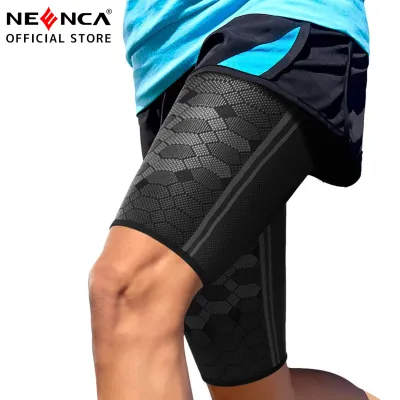
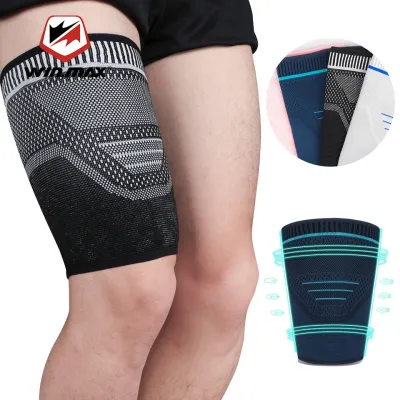
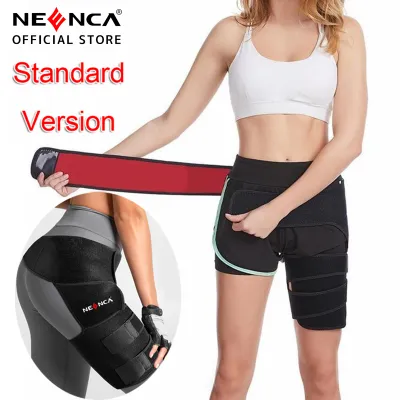
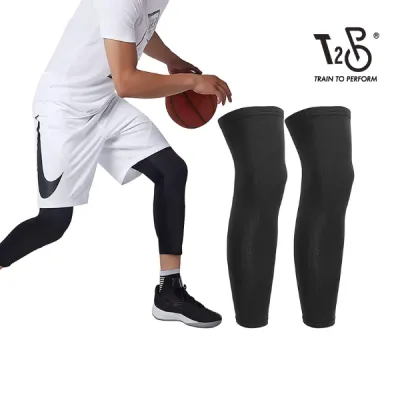
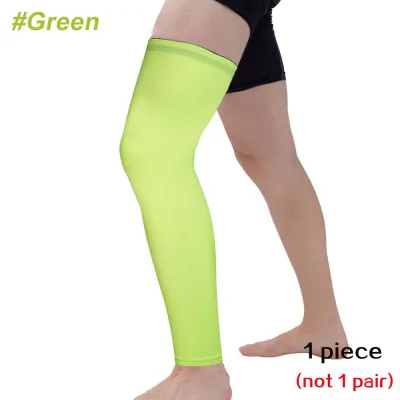
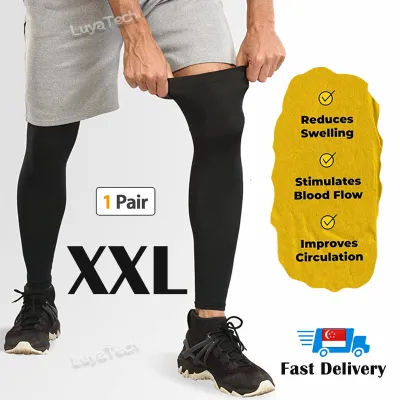
Prices are valid at publication and may change. Please refer to the product page for the latest price.
For those looking to optimize active training sessions, performance enhancement is the goal. The physical signals here are subtle, such as muscle fatigue during high-impact activities or excessive muscle vibration when running on hard pavement. Performance-focused compression aims to stabilize the muscle belly during dynamic movements, which can reduce energy waste and improve your awareness of your body’s positioning. Recognizing these distinct signals prevents you from buying a highly restrictive medical brace when a flexible performance sleeve would be more appropriate.
Match Your Goal to the Right Compression Format
Once you have diagnosed your primary need, you can select the format that best aligns with your daily routine and physical requirements. Thigh compression sleeves are highly versatile, tube-like bands designed to slide directly over your leg. They provide targeted compression to the quadriceps and hamstring muscles, making them excellent for moderate post-activity recovery or focused support during a run. Because they are easy to pull on and off, they work well for athletes who want to apply compression immediately after a workout without changing their entire outfit.

Compression shorts offer a more comprehensive solution by covering the entire upper leg, hips, and lower torso. This format is ideal for full-coverage performance and core stability during dynamic sports like football, basketball, or distance running. In warm, humid climates, compression shorts also serve a vital secondary purpose by preventing painful skin chafing between the thighs. They stay securely in place during vigorous movement, eliminating the risk of the garment slipping down during a workout.
Compression wraps or straps feature adjustable hook-and-loop fasteners, allowing you to customize the level of tightness and target specific areas of the thigh. This format is highly suitable for localized injury support and managing fluctuating swelling. If you are recovering from a strain, a wrap allows you to apply firmer pressure directly over the injured muscle belly while keeping the surrounding areas less restricted. This adjustability is particularly useful during the early stages of rehabilitation when swelling levels can change from morning to night.
Essential Fit and Specification Checks Before Buying
To ensure your chosen compression garment performs effectively, you must verify its specifications and fit rather than relying on generic sizing. Start by taking accurate physical measurements using a flexible tape measure. Stand up straight with your weight distributed evenly on both legs, and measure the circumference of your thigh at its widest point, which is typically near the top of the limb. Always cross-reference this measurement with the manufacturer’s specific sizing chart, as sizing standards vary significantly between brands.
Next, examine the material composition and breathability labels on the packaging or product description. For active use in warm climates, look for lightweight synthetic blends containing nylon and spandex or polyester and elastane. These materials offer excellent elasticity and moisture-wicking properties, which help pull sweat away from your skin to prevent irritation. If you have sensitive skin, check for flatlock seams that lie flat against the body to minimize friction, and ensure any silicone grip strips at the bands are hypoallergenic.
Finally, verify the stated compression levels on the product specifications. High-quality compression garments often specify their pressure range in millimeters of mercury (mmHg) or clearly state whether they feature graduated compression, which is tighter at the lower end of the garment to assist blood flow upward. If a product is labeled simply as “tight fit” without any technical specifications, it may function more like standard athletic wear rather than true compression gear. Checking these details ensures you receive the physiological benefits you expect.
Safety Boundaries: When to Stop and Seek Professional Help
While compression garments are generally safe for self-use, they are not a substitute for professional medical care and can cause harm if used incorrectly. You must remove the garment immediately if you experience any red flags, such as sharp or worsening pain, numbness, tingling, a cold sensation in your foot, or visible skin discoloration. These symptoms indicate that the compression is too tight and is restricting your arterial blood flow or compressing local nerves.
Certain underlying health conditions require a formal medical evaluation before you use any compression gear. If you have a history of deep vein thrombosis, peripheral arterial disease, severe diabetes, or lymphatic disorders, consult a doctor first. Compression can alter blood flow dynamics, which may exacerbate these conditions if not managed under professional supervision.
Remember that compression sleeves and wraps are designed to support your recovery and training, not to cure structural injuries. If you are dealing with persistent pain that does not improve with rest, or if you suspect a severe muscle tear, seek guidance from a qualified physiotherapist or sports physician. Following a professional treatment plan ensures you recover safely and avoid long-term joint or muscle damage.
Frequently Asked Questions (FAQ)
How tight should thigh compression gear feel?
Properly fitting thigh compression gear should feel snug and supportive, like a firm second skin, but it should never cause pain or restrict your movement. You should be able to slide two fingers comfortably under the top and bottom bands of the garment. Check your skin after removing the gear; while mild, temporary pressure lines are normal, deep red indentations, skin irritation, or a loss of sensation indicate that the size is too small. Always rely on your actual thigh measurements rather than buying your usual clothing size, as compression sizing is highly specific.
Can I wear thigh compression all day?
You should not wear high-level compression garments continuously all day unless specifically instructed by a medical professional. For active training or post-workout recovery, wearing the gear for two to four hours is generally sufficient to achieve the desired benefits. If you plan to wear compression shorts for extended periods during travel or recovery, choose a lower, non-medical compression level to ensure comfort and safety. Always remove the garment before going to sleep to allow your skin to breathe and your circulatory system to function without external pressure, and strictly follow the manufacturer’s guidelines for maximum wear times.
Community discussion
Share your experience or ask a question. Comments are reviewed before publication.